"We invested in long-term goals": Kristoff's stepfather reveals the secrets behind the family cycling dynasty
Cycling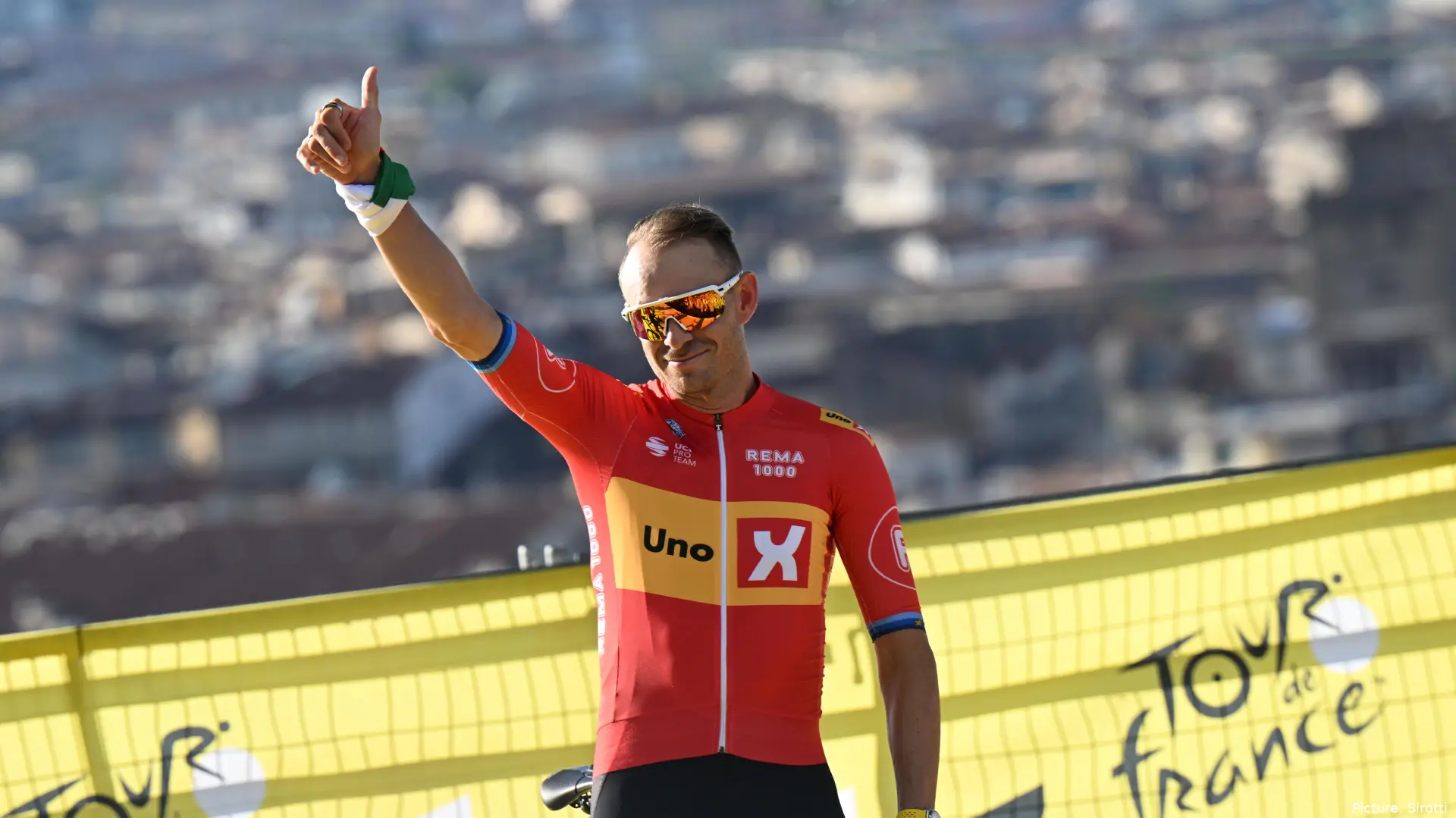
Alexander Kristoff recently put an end to his career, while his younger half-brother, Felix Orn-Kristoff, is just getting started. But behind both of them stands the same architect: Stein Orn. The 57-year-old has spent decades refining a training philosophy that turned Alexander into a highly successful sprinter and is now fast-tracking Felix’s rise to the top.
The secret mastermind behind Kristoff's success
Stein Orn, Alexander’s stepfather and Felix’s father, is not just a "cycling dad." He is a heart specialist and a professor of biochemistry, bringing a scientific approach to coaching that was ahead of its time when he began working with a six-year-old Alexander.
"If you look at the beginning of Alexander's development, he wasn't, apparently, as good as the others were," Orn explained to Tv2. "We invested in long-term goals and not just acute gain."
And that patience paid off spectacularly. Alexander Kristoff has racked up 98 professional victories, including four Tour de France stages, the European Championship title, and victories at Milan-San Remo (2014) and the Tour of Flanders (2015). He was fighting to reach the 100 wins club, but a crash in Langkawi forced him to give up that dream.
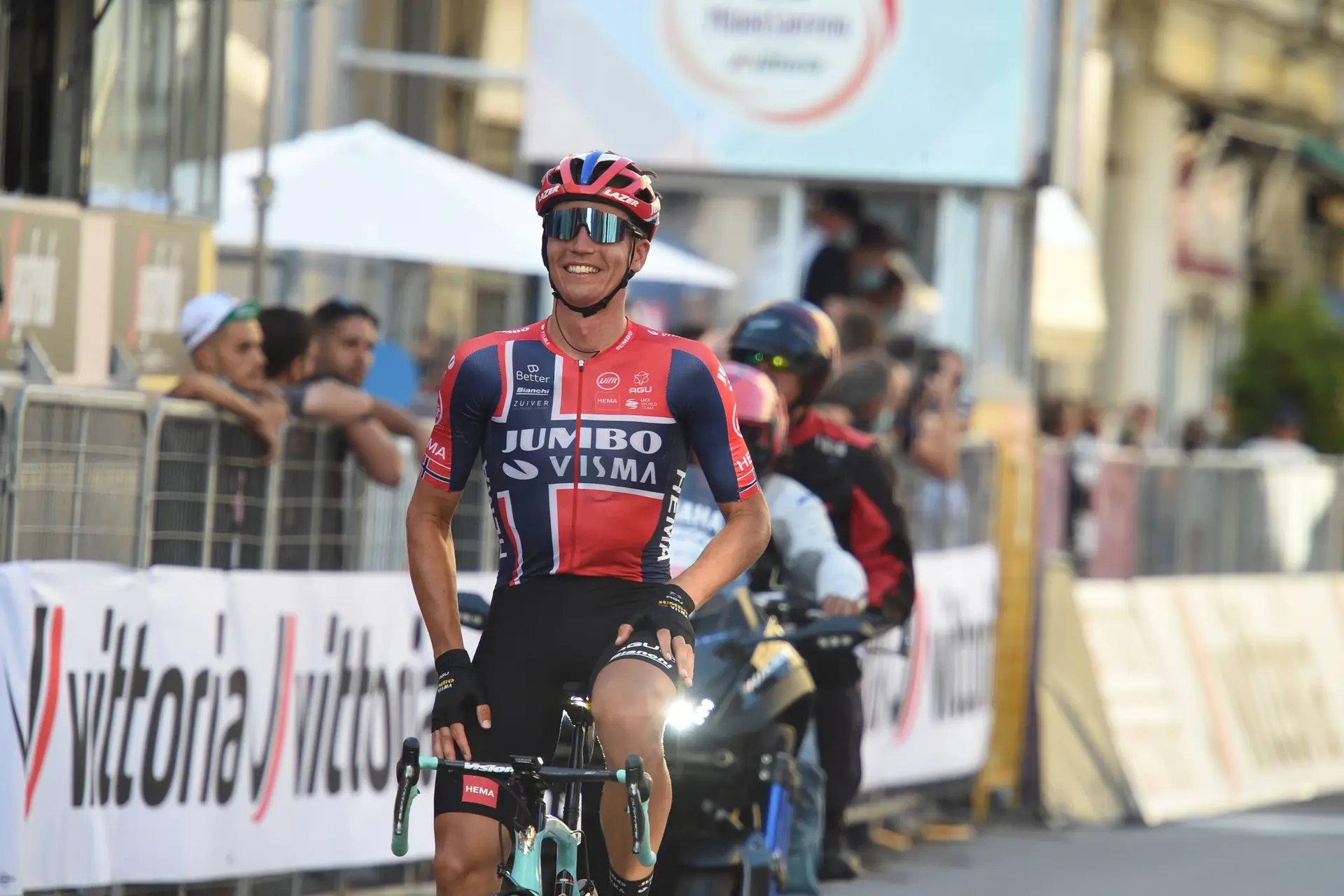
Now, that same methodology is being applied to Felix, but with a major upgrade: experience. Felix, who will be riding for Lotto Intermarché in 2026, is benefiting from decades of trial and error.
"When he was younger, he came to me and asked what he had to do to get better," Orn said regarding Felix's early interest. "It is clear that I have much greater competence now than I had when Alexander started. Now I know the entire course from amateur to top positions at World Tour level."
The results are already visible. In 2024, Felix emulated his brother by becoming the Junior European Champion. In 2025, at just 19 years old, he won the Tour de Bretagne. "When Felix came and asked, I could give him a better long-term plan than what I could give Alexander," Orn noted.
For Felix, having a living legend in the family is an invaluable resource. "Yes, naturally. I get constant feedback on what I do. If I ask how Alexander did things, dad has the answers. There is motivation in that, but it is especially helpful to have Alexander in the picture."

Alexander Kristoff rode for Intermarché Wanty only one season (2022)
A warning for the modern generation
In the documentary series Pappatreneren (The Dad Coach), Orn opened up about the philosophy of parenting elite athletes. He was firm that the drive must come from the athlete, not the parent. "The children must be motivated themselves. In other words, if they don't want to themselves... You cannot push the children to it. They have to want this themselves, otherwise it's no use," he stated.
However, the doctor is concerned about the changing lifestyle of modern youth. He believes that convenience technology is robbing young athletes of "free" training volume that previous generations had.
"What you see is that there has been a change in physical activity. Alexander cycled to and from everything he did. If he was going to train strength, he cycled there," Orn recalled. "Now young people get to training using scooters, that is not what you want. You want them to be physically active as much as possible during a day."
Félix SernaCycling Journalist
Félix Serna is a writer at CyclingUpToDate and has been part of the team since 2025. He covers professional cycling across both the men’s and women’s calendars, with a focus on UCI rankings, race developments, and rider performance. His work includes interview-based reports, liveblogs, and tournament coverage designed to provide clear, accurate context throughout the season.
In his reporting, Félix regularly uses ProCyclingStats for results, statistics, and historical reference. He places strong emphasis on careful sourcing, editorial accuracy, and updating articles promptly when new, verified information becomes available. He holds a bachelor’s degree in International Studies.
claps 0visitors 0
Just in
Popular news
Latest comments
- He didn't even try to sprint all outvappaxbipmv18-10-2026
- Campenaerts looked like a rolling pumpkin with that all orange leaders skinsuit !frieders318-10-2026
- He can take his dumb a$$ politics somehwere else !frieders318-10-2026
- good to have her back. fingers crossed she‘ll be able to stay!Ketterechts17-10-2026
- A tenner and he wins the Tour next year, too 😂anonymouscyclist17-10-2026
- the answer is either stick to classics or GTs but not bothabstractengineer17-10-2026
- the exodus already stared with Ciccone. Already they were struggling with two sprinters, now there are three. Also Ganna will demand leadership. Gall is the most proven GC, Ayuso has the most potential. GC leadership for everybody will be impossible. Literally a UAE style mess without pogi.abstractengineer17-10-2026
- I raced as an amateur for 12 years, including six years on my country’s national road cycling team. I secured two national titles and competed in three World Championships plus more than 15 international stage races. At 23, we travelled to Italy for a training camp—or so I assumed. On a rest day, we watched a presentation about adopting a more “professional” training approach. It was crystal clear what “professional” meant. That moment first exposed me to this dilemma. After returning from Italy, I left cycling—at least at the competitive level I had known. Over the following two years, the whole team was caught doping. I hold that everyone is innocent until proven guilty. In my view, current stakeholders operate on a different scale, and the sums involved are vast. I am unsure whether any doping would ever be revealed. I try to stay positive and enjoy the show. My 2c.
 vannpelt17-10-2026
 - Fiver he wins 🤣
 leedorney17-10-2026
 - “…measures to reduce speeds.” Might as well shorten the race course to just 50km as well? ASO generates at minimum €300m a year and 30- 40% profit. Maybe stop being greedy and spend more of the profit to protect the riders instead.b3tlla17-10-2026
Loading
Write a comment