“We could be standing outside your door at three in the morning” – Tom Dumoulin suggests Pogacar and Vingegaard tests were anti-doping warning shot
Cycling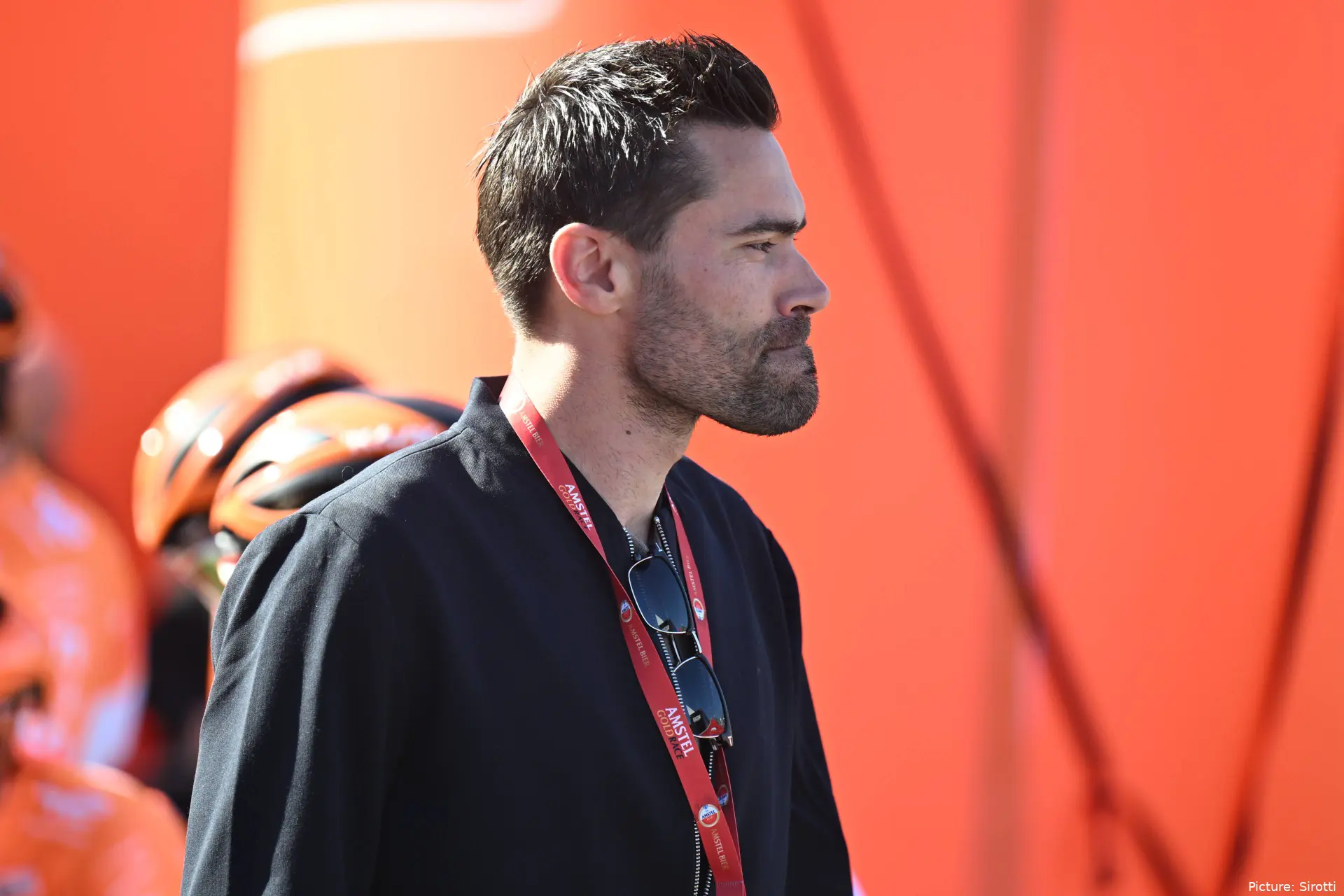
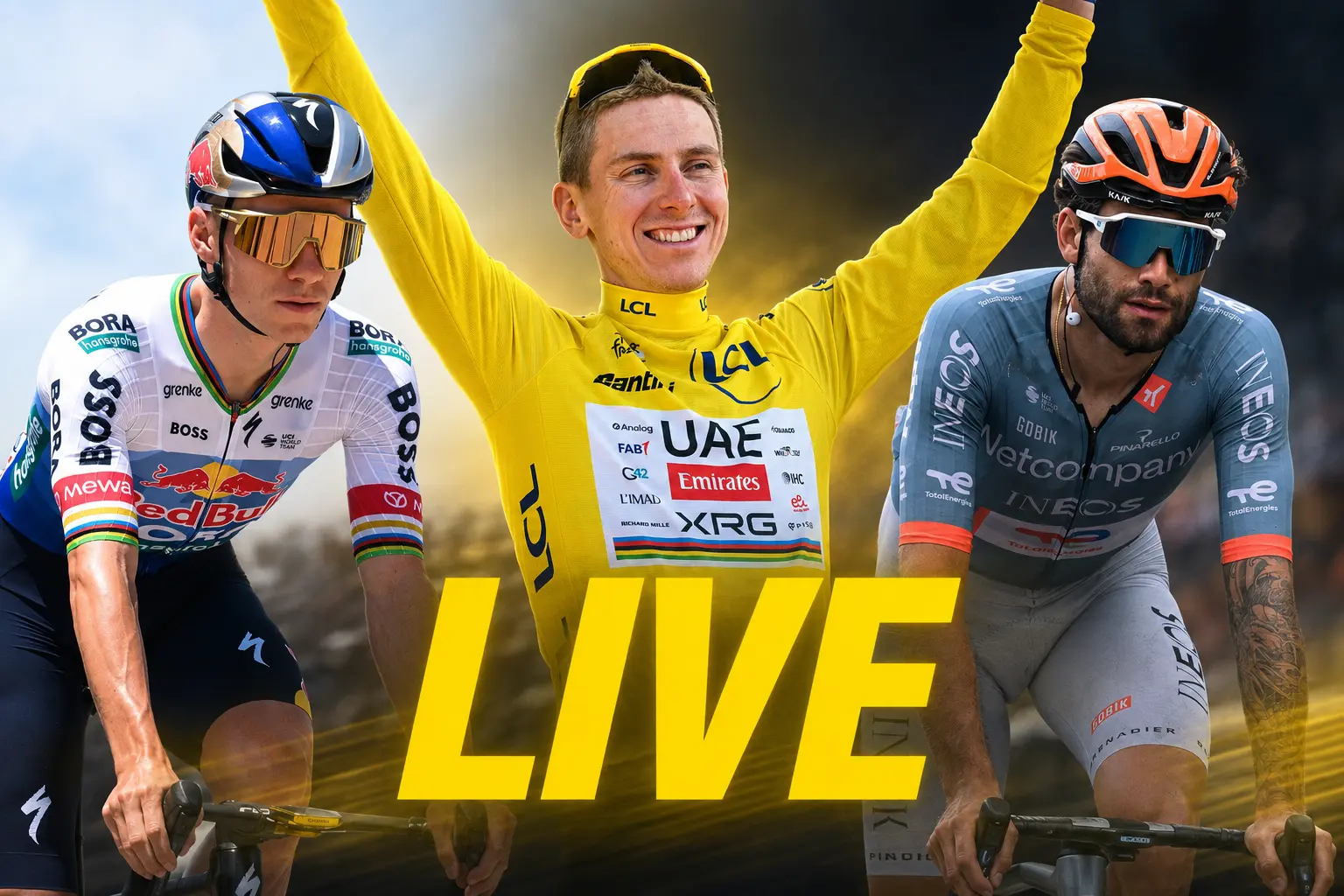
Tom Dumoulin has suggested the overnight doping controls involving Tadej Pogacar and Jonas Vingegaard may have been intended as a warning to the entire Tour de France peloton.
The two leading figures of the race were tested outside the usual control window, with L’Équipe reporting that the International Testing Agency first sought approval from a French court.
Dumoulin believes the intervention may have been designed to show riders that anti-doping authorities are prepared to act at any hour.
“Perhaps it was fired as a warning shot by the anti-doping agency,” Dumoulin said during De Avondetappe. “As if to say: ‘Be careful. We have the power to test you during the night and we could suddenly be standing outside your door at three in the morning.’”
Court approval makes overnight checks major news
According to L’Équipe, the tests were approved under Article L.232-14-4 of the French Sports Code. The measure allows controls outside conventional hours when there is strict proportionality between the intrusion into an athlete’s rights and the objectives of anti-doping enforcement.
The newspaper reported that such approval requires “serious and consistent suspicions”, with the ITA applying to a court in Paris before the checks took place.
Dumoulin was struck by the involvement of the judicial authorities. “That doesn’t sound good,” he said. “Normally, you are tested between six in the morning and eleven at night. Not outside those hours. As far as I know, testing outside that window has not happened before. We have no idea whether this was done for show. Apparently this is allowed, but I did not know that the judicial authorities had to be involved. Either way, this is major news.”
The former Giro d’Italia winner also raised the possibility that the timing was linked to a substance that could no longer be detected by the following morning. “It could be that they suspect there is a doping product on the market which, for example, can be taken at half past eleven at night and is no longer traceable the following morning,” he said. “In my view, that would be the reason.”
Dumoulin sees credibility boost if nothing is found
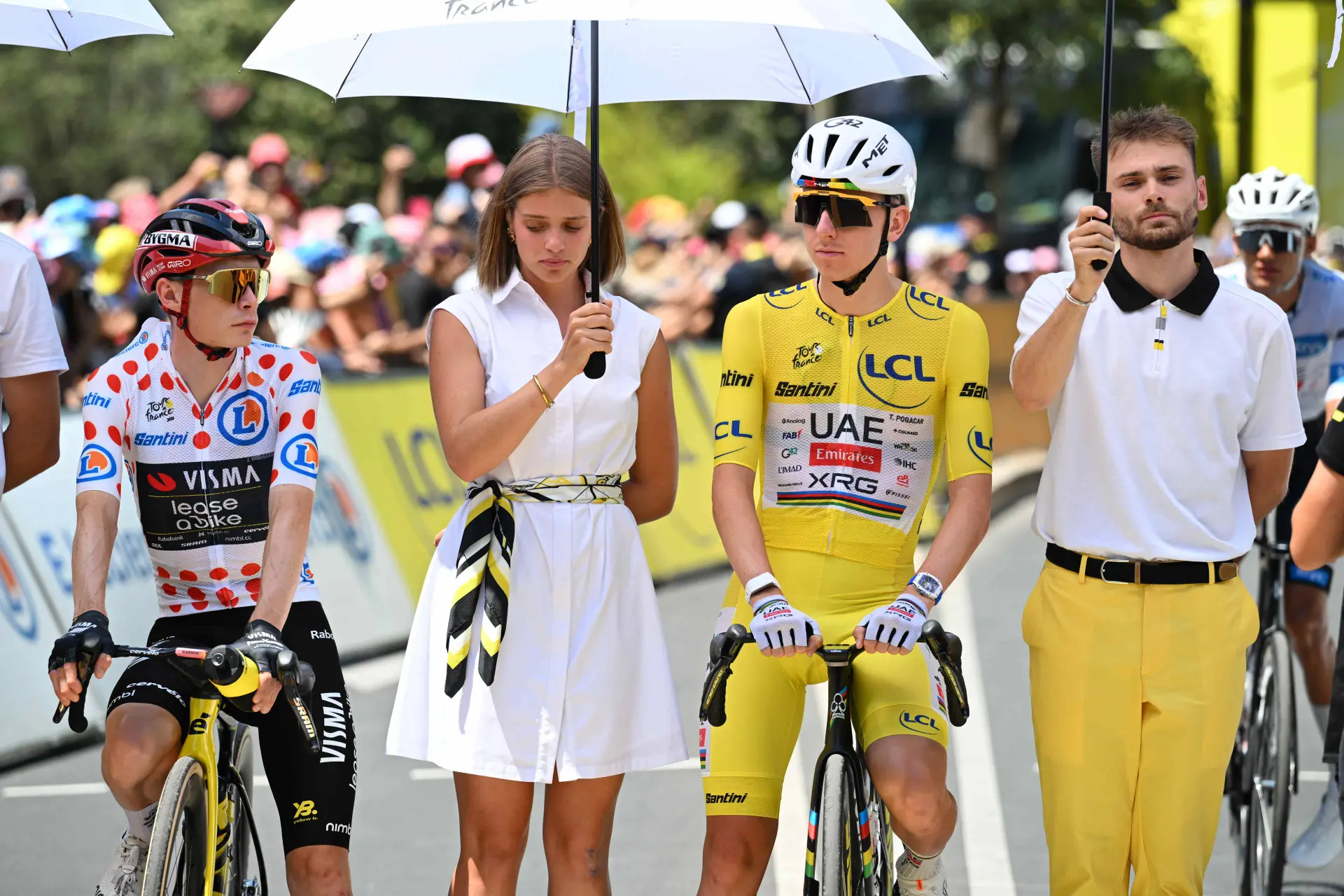
While the timing of the controls immediately raised concern, Dumoulin also believes the outcome could ultimately strengthen cycling’s credibility. “If they find nothing now, that would be enormously positive for the credibility of cycling,” he said. “Riders such as Pogacar and Vingegaard are being tested throughout the entire Tour de France, even at night. If nothing is found after that, it could actually be a very good sign.”
Pogacar and Vingegaard have both faced constant scrutiny throughout their careers, particularly during periods of Tour de France dominance. Dumoulin’s argument is that extraordinary testing should carry weight in both directions.
The intervention may have been aimed at catching a product with a short detection window, deterring riders from believing the night offers protection or demonstrating that the sport’s biggest names are not exempt from the most intrusive controls available.
Dumoulin is still waiting for the authorities to clarify why the tests were authorised and whether further overnight checks should now be expected. “I am very curious to see whether any further explanation is given,” he said.
Even without that explanation, the message to the peloton was difficult to miss. The normal testing window can no longer be regarded as a guaranteed boundary, and anti-doping officers have shown they may arrive long after the racing day has ended.

Kieran WoodDeputy Editor-in-Chief
Kieran Wood is a sports journalist based in Wales and has been active in journalism since 2022. He regularly contributes to DartsNews.com and CyclingUpToDate.com, where he covers professional cycling and darts. In cycling, his work includes liveblogs from major races, including the Tour de France, the Giro d’Italia, and La Vuelta a España, alongside race reports and analysis. He has also conducted interviews with professional riders.
His reporting spans the full racing calendar, from one-day classics to stage races, with a focus on accurate, real-time coverage and clear contextual analysis. For statistics, results, and historical context, he regularly uses resources such as ProCyclingStats. To support reporting on rider activity and training context where relevant, he also references Strava.
In his work, Kieran places strong emphasis on careful sourcing, editorial accuracy, and updating articles as new, verified information becomes available.
claps 1visitors 1
Just in
Popular news
Latest comments
- A broken contract by mutual agreement is perfectly fine. The problem is if one side does it without the other agreeing which isn't the case in this situationvappaxbipmv09-10-2026
- Maybe Ineos are planning to concentrate on GC after recent statements about getting back to winning the Tour?Lozza09-10-2026
- lol maybe a better questionmij09-10-2026
- Does Ineos?Mistermaumau09-10-2026
- ThanksMistermaumau09-10-2026
- It depends on your religion or opinion of science but if you feel he did the right thing I suggest you go complain to guys like Mohorič, Mas, etc. for reminding him not to try to copy Senna too much.Mistermaumau09-10-2026
- yeah that was poorly written, but Gulio was in the pink, and they didn’t work for him to protect the jersey. they let a group get up the road. the transfers are out of hand. what is a contract for?mij09-10-2026
- does he make it two years?mij09-10-2026
- A lot of things should not be happening but everything seems to be getting worse, not just in cycling or sport or professional surroundings. People are abandoning (common) standards in their belief they are only responsible towards themselves and have lost the ability to care, consider or understand consequences for others. If you ride , you should have noticed by now. I’m not one to stick to rules per se but when, I don’t go round aggressing or criticising others who don’t either. On the bike you constantly get hooted, harassed, insulted or nudged off by drivers who broke at least double the number of rules you did before they point yours out. That said, I haven’t seen many specifics on this case yet so I’m not going to comment specifically, for now. If anyone knows more…Mistermaumau09-10-2026
- it is crazy. is this UAE at the end of Tadej’s reign? it happens!mij09-10-2026
Loading
Write a comment