“Some substances are only detectable for three hours” – Oliver Naesen explains why overnight doping checks may become necessary in cycling
Cycling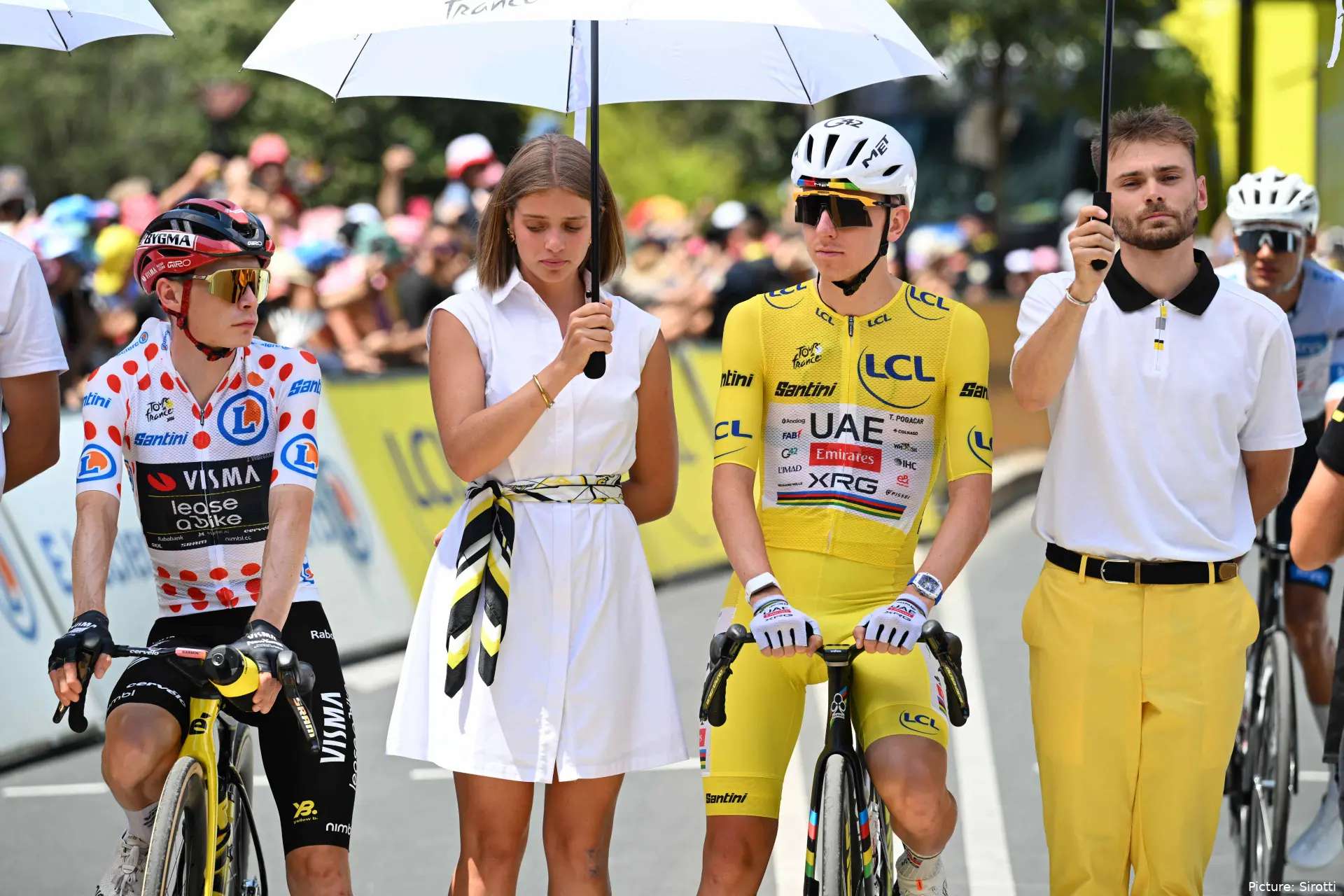
Oliver Naesen believes that the overnight doping controls may become increasingly difficult to avoid in professional cycling if anti-doping authorities are trying to detect substances that disappear from the bloodstream within a matter of hours.
The Decathlon CMA CGM Team rider was speaking after Tadej Pogacar and Jonas Vingegaard were subjected to late-night testing during the Tour de France, an intervention that prompted renewed debate over how far authorities should be allowed to go in pursuit of clean competition.
While Naesen was critical of the way the checks were carried out, he accepted that conventional testing hours may not always be sufficient. “We need to take this seriously,” Naesen said on HLN’s Cycling Podcast. “Apparently, there are substances that remain detectable in the blood for only three hours.”
That short window, he argued, changes the practical demands facing anti-doping authorities. Testing riders only after a stage or during daytime hours could allow certain methods to escape detection entirely. “Then you can’t test after the Plateau de Solaison, because why would you take it on a rest day?” he continued. “You have to test for it at a time when it matters.”

Naesen points towards growth hormone testing
Naesen suggested growth hormones may have been among the substances targeted during the checks, although he made clear that this was based on what he had heard rather than confirmed information from the authorities.
“I hear they’re looking for growth hormones,” he said. “Who’s ever been caught using those? This is the first time I’ve heard of a crackdown on growth hormones. That’s something that used to be undetectable and was used back in the wild days."
His comments raise a broader question for modern anti-doping programmes. If substances can be administered and cleared from the body between conventional testing windows, authorities may feel compelled to carry out controls at more disruptive times.
That does not mean Naesen supported the handling of the Pogacar and Vingegaard checks without reservation. The Belgian described the intervention by the French anti-doping authorities as potentially unprofessional and questioned why only certain leading riders were disturbed.
Questions over fairness and where to draw the line
Naesen pointed out that Pogacar and Vingegaard were reportedly woken for testing while other general classification contenders, including Remco Evenepoel and Paul Seixas, were not subjected to the same disruption. “In any case, it’s somewhat unfair that neither he nor Evenepoel were subjected to those checks,” he said when discussing Seixas.
The unequal impact on riders is central to his concern. Even when a test is permitted under the regulations and scientifically justified, waking selected competitors during the night can affect recovery and preparation before a decisive Tour de France stage.
“You have to draw the line somewhere, because you can’t just assume it’s all part of the game,” Naesen said. “What can you put an athlete through?”
Naesen contrasted the overnight visit with his own recent experience of anti-doping testing, which he described as respectful and straightforward. “They were Belgians, very respectful people,” he recalled. “It’s a pleasant atmosphere at the table. You have a cup of coffee together, and then you have to sit for 10 minutes while they draw your blood. It’s all perfectly fine; it’s a very friendly process. But at two in the morning?”
The former Tour de France stage winner therefore stopped short of rejecting night-time controls altogether. His position was that the need to catch increasingly difficult forms of doping must be balanced against the welfare of riders and the fairness of selectively disrupting their sleep.
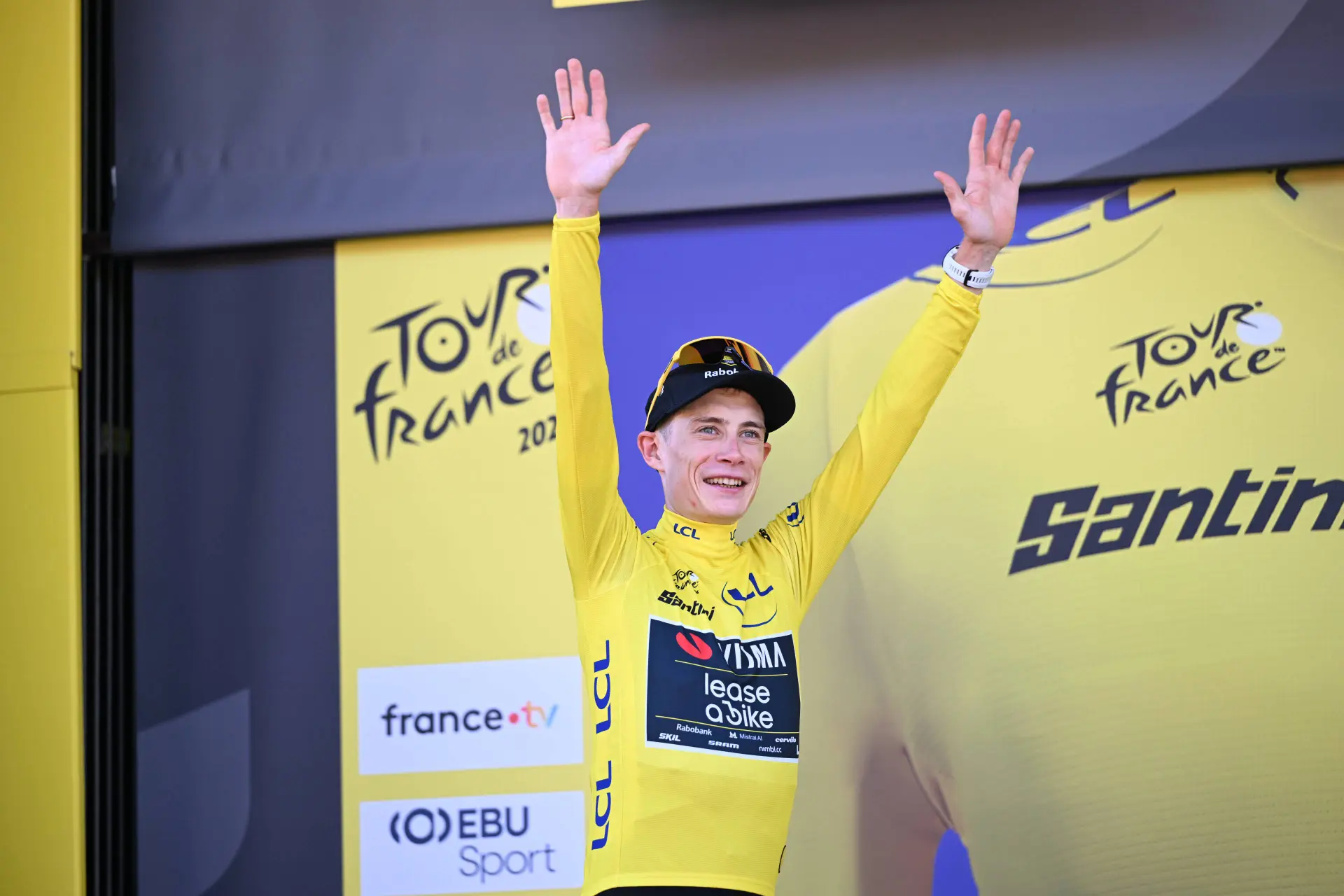
Naesen also refused to draw a direct link between Vingegaard’s overnight test and the crash that later ended his Tour, although he did not believe the potential effects of disturbed recovery could be dismissed entirely. “You can’t directly link the two, but you can’t completely rule it out either,” he said.
The episode has highlighted a problem likely to become more prominent as anti-doping methods evolve. If the substances being targeted are only visible for a few hours, testing may have to become more unpredictable. The challenge will be ensuring that those controls are applied consistently and with a clear justification rather than leaving riders to absorb unequal disruption during the biggest races of the season.

Kieran WoodDeputy Editor-in-Chief
Kieran Wood is a sports journalist based in Wales and has been active in journalism since 2022. He regularly contributes to DartsNews.com and CyclingUpToDate.com, where he covers professional cycling and darts. In cycling, his work includes liveblogs from major races, including the Tour de France, the Giro d’Italia, and La Vuelta a España, alongside race reports and analysis. He has also conducted interviews with professional riders.
His reporting spans the full racing calendar, from one-day classics to stage races, with a focus on accurate, real-time coverage and clear contextual analysis. For statistics, results, and historical context, he regularly uses resources such as ProCyclingStats. To support reporting on rider activity and training context where relevant, he also references Strava.
In his work, Kieran places strong emphasis on careful sourcing, editorial accuracy, and updating articles as new, verified information becomes available.
claps 1visitors 1
Just in

Popular news

Latest comments
- Yes, he has won many races... second class races. He isn't the real deal... Sixas is the real deal. Capish?PogiSloFans11-10-2026
- What are you talking about? I'm not the one you guys are spitting on. I'm a Slovenian Pogi fan, that's all... the guy you're talking about is a Croation Ustasha. Capish?PogiSloFans11-10-2026
- It would be epic if Seixas came to UAE. 3/4 of the commentators on this site would stop watching cycling... ha ha ha ha ha ha...PogiSloFans11-10-2026
- UAE's problem is Seixas wants to beat Tadej.Renz11-10-2026
- You are blinded by your infatuation with Pogi. IdT has done crazy good stuff. One of the strongest ever first three years in the peloton. poor showing in his last couple of races btu I don't think he is quite washed up yetmobk11-10-2026
- Absolutely not. The guy has finished so many races 2nd to Pogi so absolutely not a shocker that when Pogi isn't there he wins a fewmobk11-10-2026
- GOATmij11-10-2026
- ugh god just leave the rest of the peloton with some riders heywrsty11-10-2026
- The next Tadej in a few years. Great job Paul!awp11-10-2026
- "I think today I also suffered from not knowing the route so well," i have no words, if you are racing for the win in a GT stage or a monument, your marginal gains comes from knowing the route. this is just unprofessional. It is also upto his team to ensure that their leader knows the finale and the tactics. Paul's team had already decided where to attack before the race. In contrast to Piddie, Mas did brilliantly remaining within limitsabstractengineer11-10-2026
Loading
Write a comment