"The way it was done has damaged our team's image and the integrity of our sport" - Visma boss Plugge on night-time testing at the Tour de France
Cycling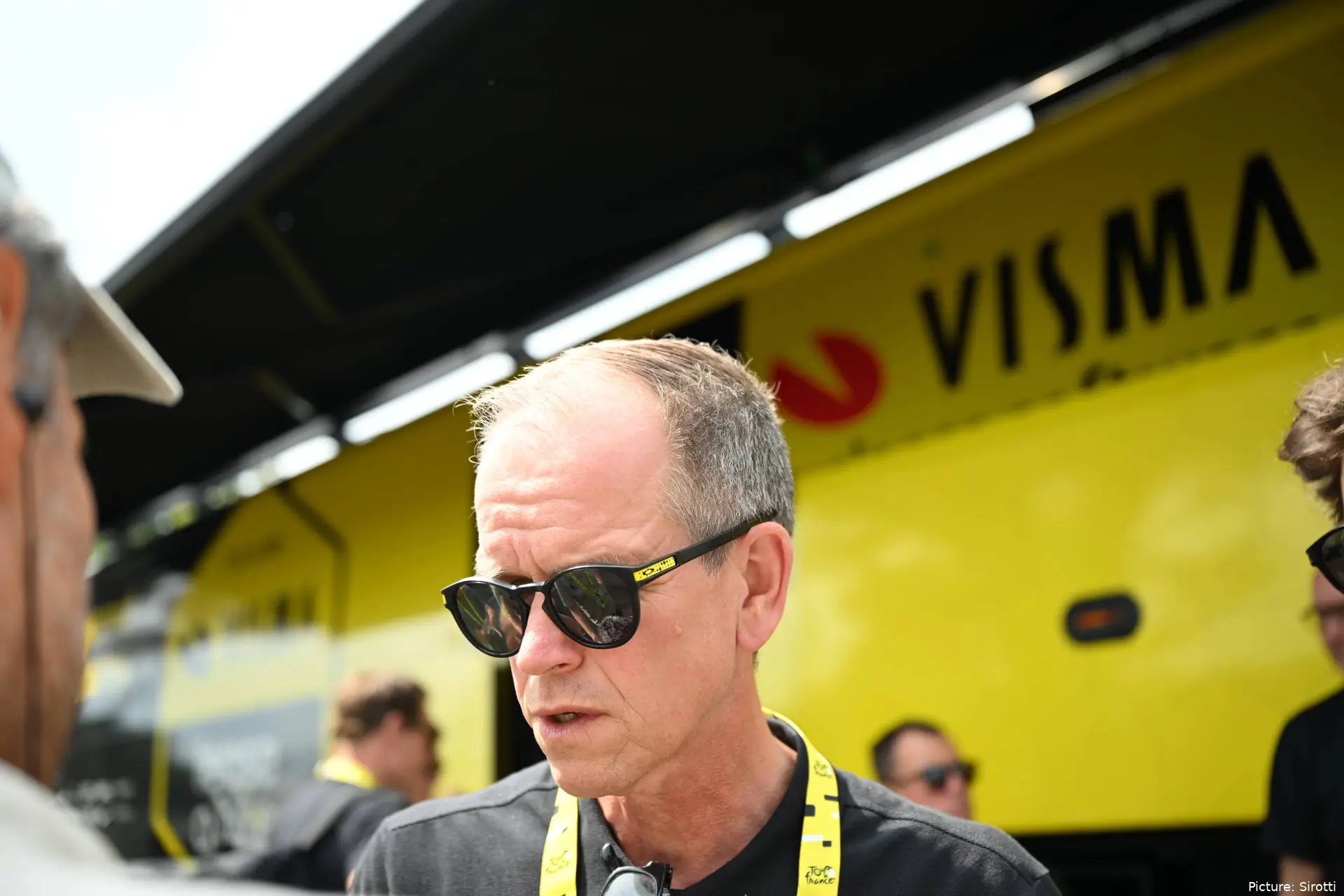
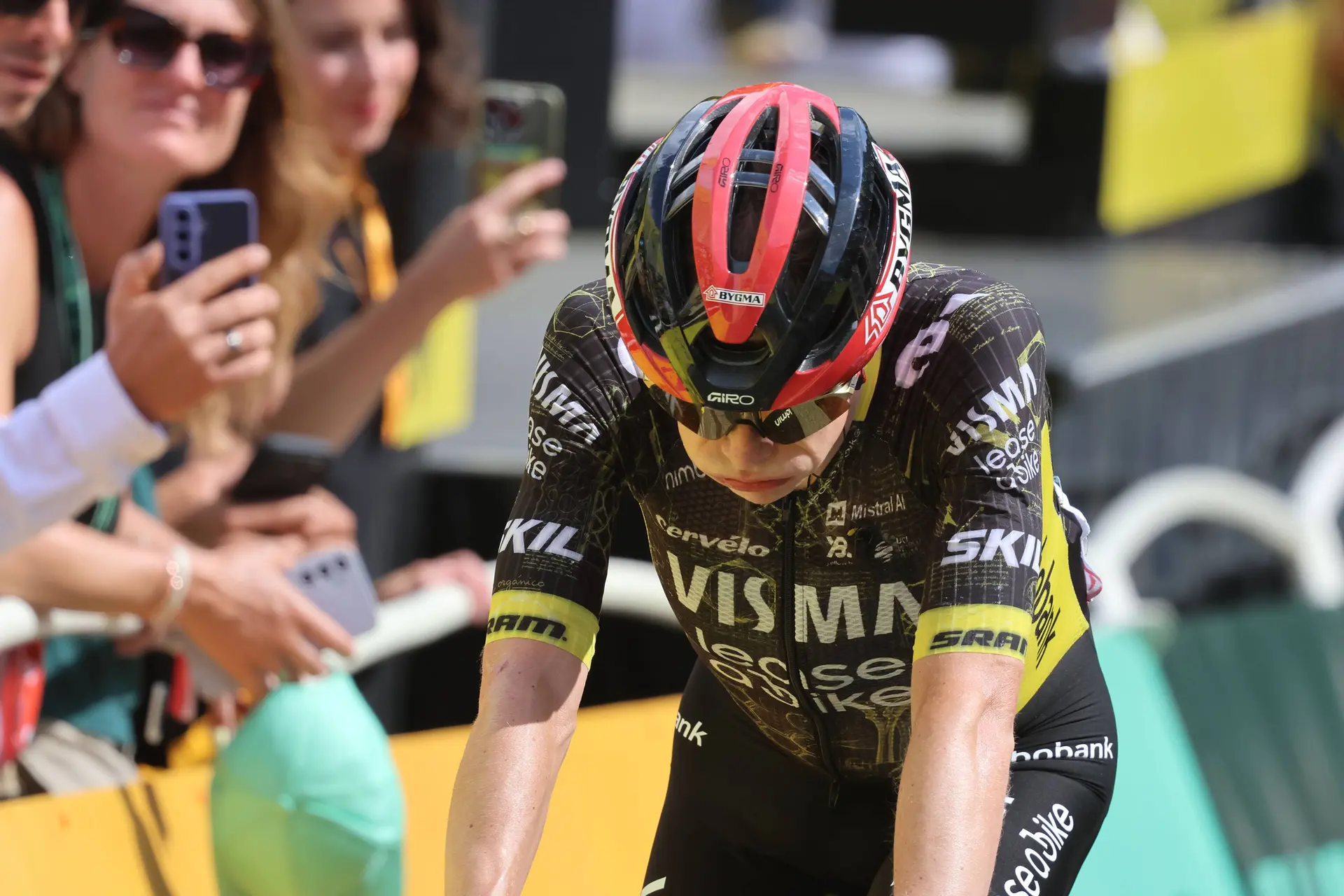
The 2026 Tour de France had many highlights and one such was the night-time doping tests that were done on several riders. Amongst them were Tadej Pogacar and Jonas Vingegaard. Richard Plugge, CEO of Team Visma | Lease a Bike claims the team's image was damaged by the situation.
Visma's image was damaged, Plugge argues
It was only learnt later, but tests in the middle of the night had been carried out to several riders and teams throughout the opening weeks of the Tour. From 11pm. to 6am., it is not legally allowed to carry these tests so as to respect the law.
However, that on paper creates a time period in which it is possible to undergo forbidden methods of improving oneself. It is with that in mind that, besides the regular surprise doping tests; during this Tour de France extra work was done to have the judicial right to test several riders during this period.
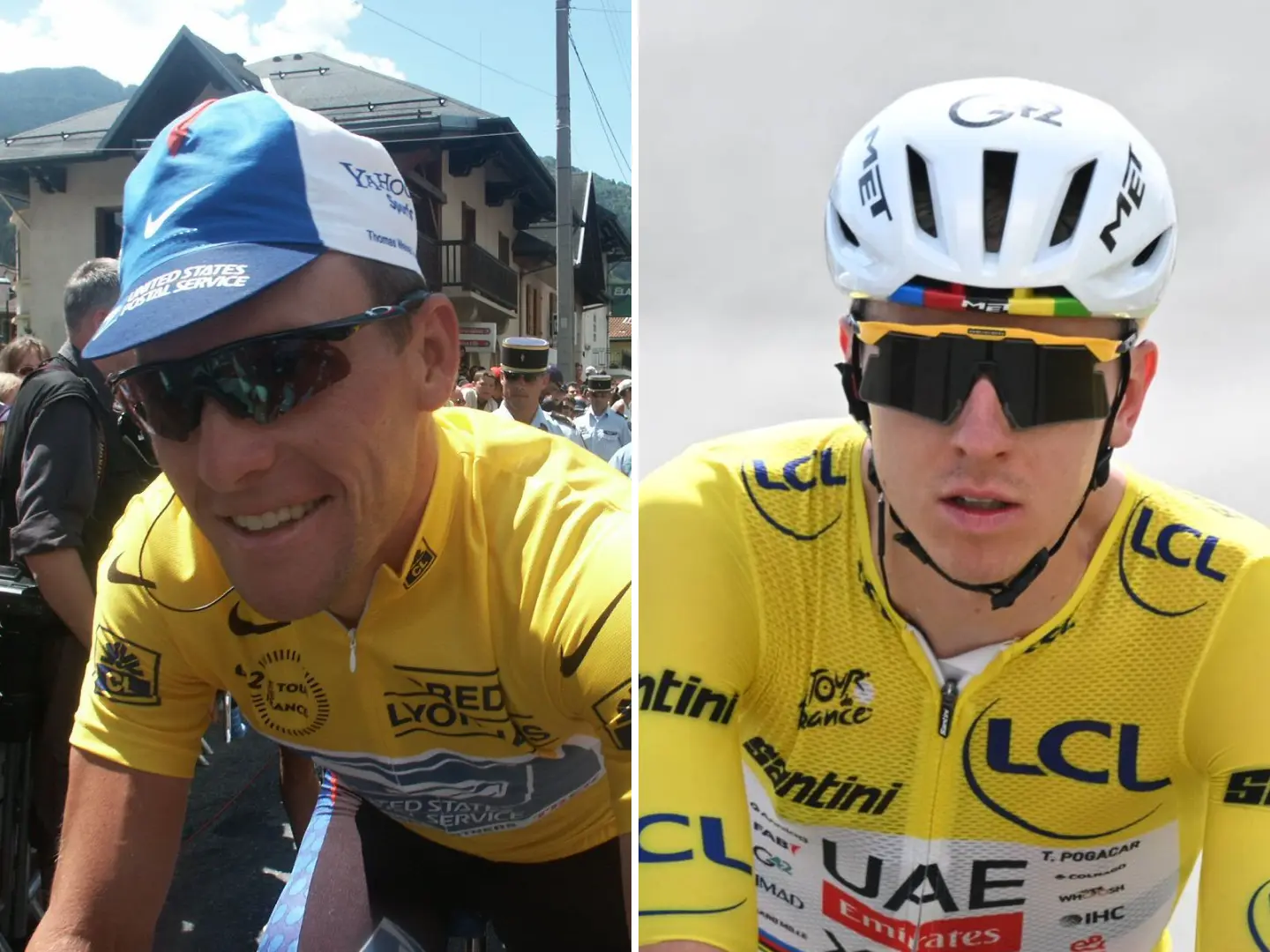
Overnight from stage 14 to 15, on the eve of one of the Tour's queen stages, both Pogacar and Vingegaard - then first and second at the Tour - were woken up in the middle of the night for testing, severely disrupting their recovery process which earned plenty criticism from both teams.
But aside from that, criticism flooded in by the fact that some of their rivals hadn't been, providing a sporting advantage. Aside from that, the timings of the tests are only allowed if there are valid suspicions, legally speaking.
But the situation is more nuanced than at first interpreted. “We understood that these tests should not be seen as a sign of suspicion towards us, nor interpreted as proof of a rule violation, at least not for our team,” Plugge said in words to L'Équipe. “On the one hand, it means nothing, but on the other hand, it’s important to emphasize that it was simply a test, a check.”
"I support all testing, the entire fight against doping, and the fight for fair competition, and that's why, as president of the AIGCP (Association of Professional Cycling Teams), I worked to implement a cutting-edge anti-doping policy with the ITA".
However, this bruised the team's image, which has been connected to doping strongly because of the exposure that the event gathered. "It's good that there are so many tests, but the way it was done has damaged our team's image and the integrity of our sport, because it has brought back the 'D' word".

Jonas Vingegaard was woken up overnight from stage 14 to 15 so as to get tested for prohibited substances
Read also
Treating all GC contenders equally is key for sporting integrity
Although it was an organized search for the use of prohibited methods, Plugge argues that all riders should've underwent the same tests in the same way, at risk of neglecting the efficiency of the search itself.
“I believe that in trying to preserve sporting integrity, they ended up compromising it with these different methods and timings for each rider, and I think the race was influenced by that".
"We have to be careful not to damage the image of a team, or that of the sport itself, through this fight. We really need to think about how we can avoid tarnishing this image, while preserving the cutting-edge methods that characterize cycling.”
Ultimately, the results of the tests will only be made possible if there is anything positive; whilst as usual, if it is not the case, it remains a private matter.
“If there’s a need to conduct nighttime tests, they have to do them, regardless of whether it’s before a major mountain stage or not. But in that case, they should test the entire top 10, the same treatment for everyone, not one rider at 2 a.m., another at 5 a.m., and the others a week before or after. It gives the impression that you’re targeting one rider or another more than the other.”
Rúben SilvaEditor-in-Chief
A founding contributor to CyclingUpToDate since its launch in January 2022, Ruben Silva has played a central role in shaping the site’s editorial direction and long-term growth. Before joining the project, he built his experience through independent blogging at Echelons Hub and by producing race previews for Ciclismo Internacional, developing a strong analytical voice rooted in daily engagement with professional cycling.
Beyond editorial work, he has been closely involved in the expansion and coordination of CyclingUpToDate’s wider network, helping establish and support sister platforms across multiple languages. This includes ongoing collaboration with CiclismoAlDia (Spanish), CiclismoAtual (Portuguese), WielrennenUpToDate (Dutch), and RadsportAktuell (German), contributing to a shared editorial vision and consistent international coverage.
He also helps oversee editorial governance across the network, setting standards for accuracy and consistency and coordinating updates or corrections when needed.
Originally from the Porto metropolitan area in Portugal, he holds a bachelor’s degree in Geography. His path into cycling journalism was shaped not through formal media training, but through independent reporting, community engagement, and sustained on-the-ground involvement in the sport.
Over the course of his career, he has conducted approximately 100 interviews across road cycling and cyclocross, ranging from one-to-one conversations and online formats to press conferences and on-site pre- and post-race coverage. His interviews include leading riders, team managers, and prominent figures within cycling media: Tadej Pogacar, Jonas Vingegaard, Mathieu van der Poel, Primoz Roglic, Wout van Aert, Joao Almeida and Tom Pidcock; managers like Patrick Lefevere and Joxean Matxin; and YouTube personality Bryan Kennedy (BKXC)...
Within 18 months of launch, he helped grow CyclingUpToDate’s English-language platform into one of the most-read cycling news websites, built entirely from the ground up. As both a professional journalist and lifelong cycling enthusiast, his focus remains on delivering accurate, timely, and well-contextualized coverage.
claps 4visitors 4
Just in
Popular news
Latest comments
- he lost his factory ride as Cannondale Factory Racing ended their MTB team. probably looking for more opportunities.mij27-11-2026
- hello he aint a domestic or super domestic , he is a genuine 3 week GC rider capable of winning. I wouldnt be surprised with his stance that he never wins a TDF just settles for runner up. . must be a well paid lackie.go figure
 Davide26-11-2026
- AI tends to lag behind …Ketterechts26-11-2026
- yes, but he never competes against the best because he chooses to work for him. seixas is different, he faces the competition and wants to beat the best while he (pogi) is at his prime. that is something idt will never even try to achieve. to use metaphors … when seixas is a conquerer, idt chooses to be a heir.Ketterechts26-11-2026
- "and Wout van Aert sprinting to victory in Paris in the final stage of last year’s Tour de France." Which race did the fellow watch?
 Rafionain-Glas26-11-2026
- The role I think that Wout played was to prevent IDT from even trying. If it had been just Yates upfront, he could’ve given it a go. But having seen what WVA had done for Jonas in TDF he realized that it was not going to happen.Cbastnagel26-11-2026
- If he wants to be top dog , why is he staying at UAE. Its the worst way to learn how to win the important races which he is starting a a domestique to Pogi. Sexias has a monument he doesnt.abstractengineer26-11-2026
- He had already given the lead up on the mountain itself, and it was lost Wout or no wout because to pull back Yates, he needed carapaz and carapaz absolutely refused to work with him. They have never won a GT outside of Pogi.abstractengineer26-11-2026
- 🤞for NO crashes!!!Lozza26-11-2026
- Ah good, it’s been amended! 👏Lozza26-11-2026
Loading
Write a comment