The Tour de France always crowns a winner in yellow, but three weeks of racing also confirm stars, revive veterans, and reveal riders able to reshape a race without lifting the trophy in Paris. Beyond the general classification, the 2026 edition spread prestige among riders who understood their roles perfectly and executed them with brilliance.
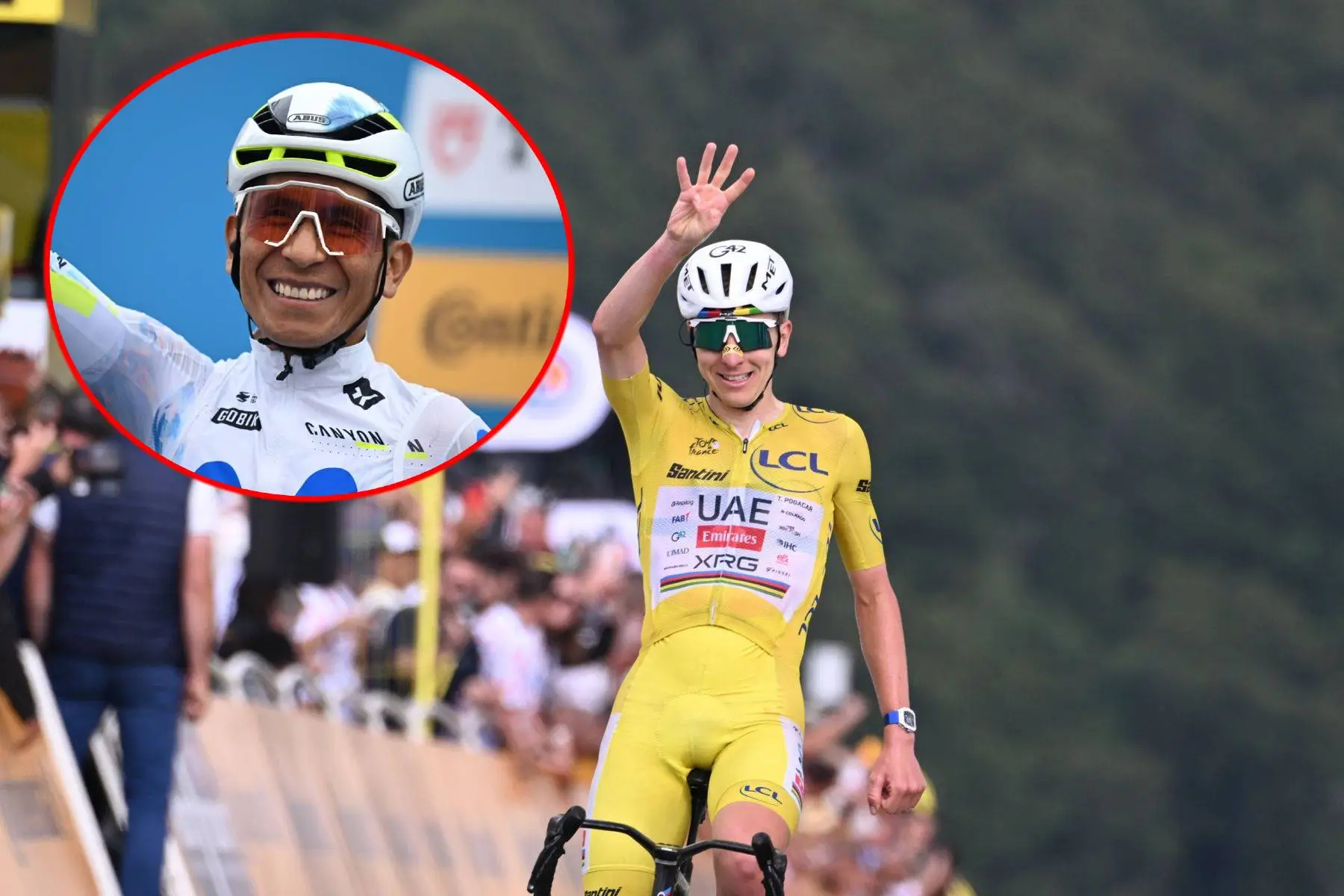
While some arrived focused solely on the GC fight and ended up disappointing, others adapted on the fly, reinvented themselves, or doubled down on their strengths until they became some of the Tour’s central figures. These are the four riders who leave the Grande Boucle most enhanced, aside from Tadej Pogacar, whose victory was expected.
Richard Carapaz, king of the mountains and of bravado
SCORE 8.5/10
If one rider grasped the Tour through sheer ambition, it was Richard Carapaz. The Ecuadorian quickly realised the GC was out of reach and decided to flip his strategy entirely. Rather than settle for an honourable placing, he turned every mountain stage into a chance to attack, chase the win, and light up the race.
The reward was huge. Two stage victories and the polka-dot jersey crowned an offensive approach rarely matched over three weeks. Carapaz featured in virtually every major high-mountain break, split the race time and again, and even forced the big favourites to answer his moves when the situation demanded it.
Beyond the results, the EF Education-EasyPost leader reminded everyone why he remains one of the peloton’s most popular riders. He never calculated, never rode to limit losses, and never hid when the road tilted up. While others waited for the perfect moment, he created his own opportunities. He was, arguably, the rider who best embodied the true spirit of the Tour de France.

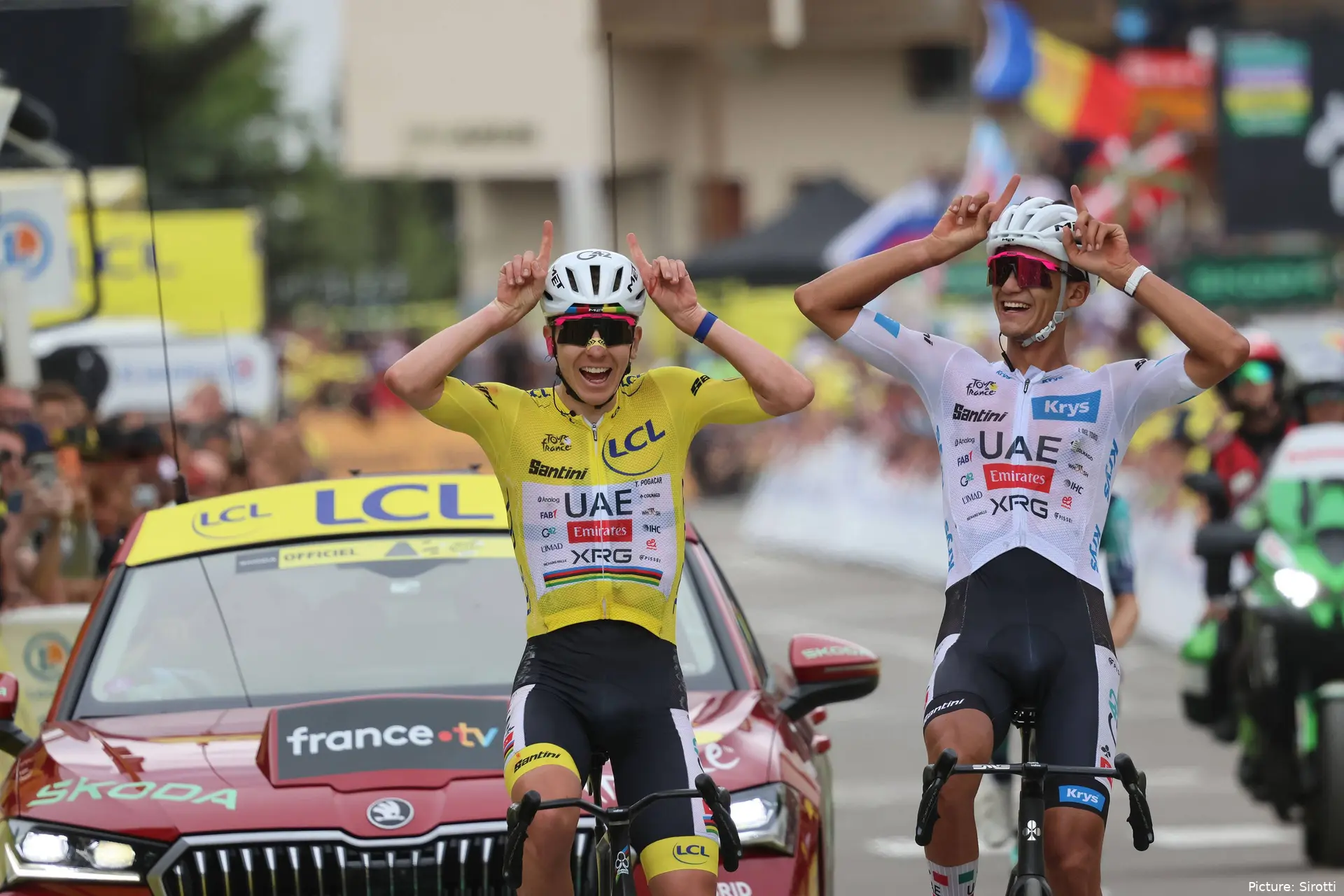
Isaac del Toro celebrates with Tadej Pogacar after sealing third overall at the 2026 Tour de France
Read also
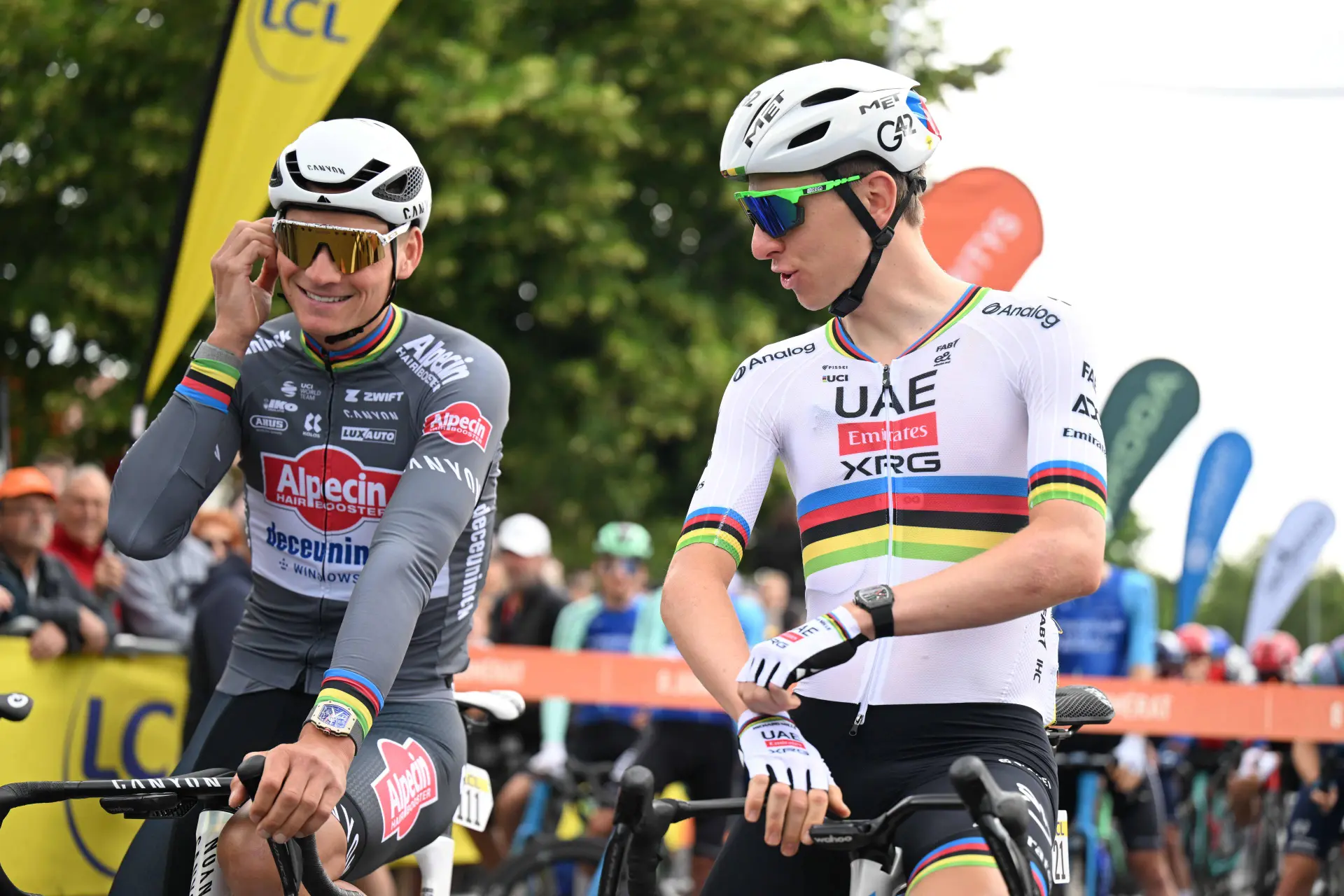
Isaac del Toro, from promise to finished article
SCORE 7.5/10
The 2026 Tour de France was Isaac del Toro’s definitive unveiling as one of the sport’s rising forces. The Mexican arrived with expectation swirling, but responded with maturity beyond his years, handling the pressure of co-leading alongside the world’s top rider and never retreating when the race bit hard.
His stage win, the white jersey, and the final podium are only the visible part of an outstanding performance. Del Toro never looked like he was racing not to lose. On the contrary, he showed personality on every decisive day and defended his position against far more experienced rivals, especially through a demanding third week.
More important than the result was the impression he left on the bike. He did not look like a youngster surviving his first Tour, but a rider ready to become one of the next decade’s reference points. UAE Team Emirates-XRG already had their present in Tadej Pogačar; now they know a large part of their future is secured too.
Tim Merlier, the sprinter nobody could beat
SCORE 7/10
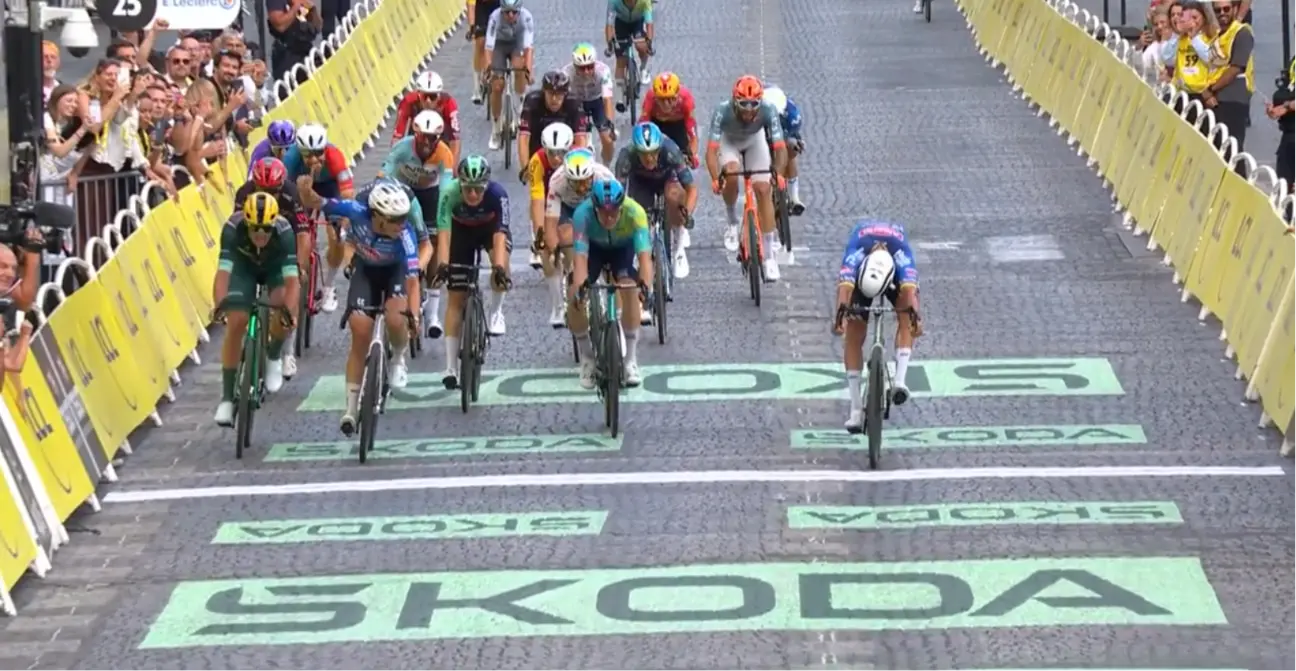
It may seem odd to list among the big winners a rider who didn’t reach Paris, but few performances justify the exception like Tim Merlier’s. While he was in the race, the Belgian was simply the fastest man of the Tour, turning every bunch finish into a display of superiority.
His three stage wins were no accident. Merlier ruled the sprints with a near-perfect blend of power, positioning, and composure. When the peloton arrived together, it felt like the rest were fighting for second. No rival found a consistent answer to his kick in the final 200 metres.
His withdrawal due to exhaustion left a major void in the second half of the race and deprived fans of a tantalising green-jersey duel with Mads Pedersen. Even so, his impact was so great over the first two weeks that it’s impossible to discuss the Tour’s standout riders without him. Had he reached the Champs-Élysées, Soudal would likely have been looking at a 10 out of 10.

Paret-Peintre claimed a prestige win on Mont Ventoux in 2025
Valentin Paret-Peintre, the high-mountain revelation
SCORE 7/10
He was not the Tour’s most talked-about rider, but he was among the most consistent. Valentin Paret-Peintre found in the mountains classification the perfect stage to show he already belongs among the elite climbers. From the first major cols he became a fixture in the breakaways and one of the names most repeated by fans during broadcasts.
His duel with Richard Carapaz for the polka-dot jersey heightened the intrigue in virtually every mountain stage. The Frenchman fought for every point with admirable resolve, forcing the Ecuadorian to ride on the limit to keep the lead in the classification. Without that resistance, the mountains battle would have been settled much earlier.
Although he ultimately ceded the jersey, Paret-Peintre leaves the Tour significantly enhanced. He confirmed he has the level to be a protagonist in Grand Tours and took a step forward both athletically and in profile. In a race dominated by Pogačar, he carved out his own space and became one of the main animators in the high mountains.
Read also
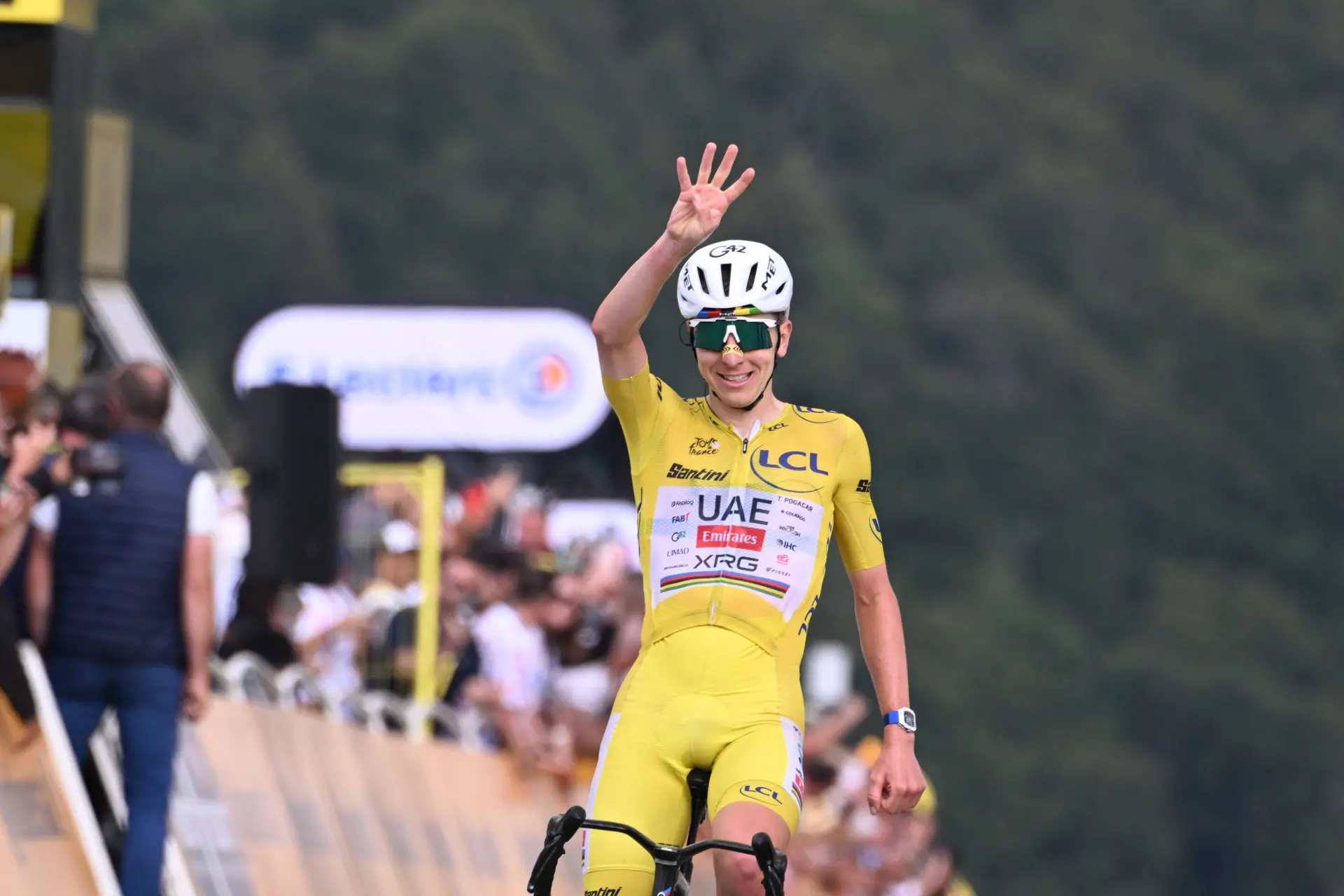
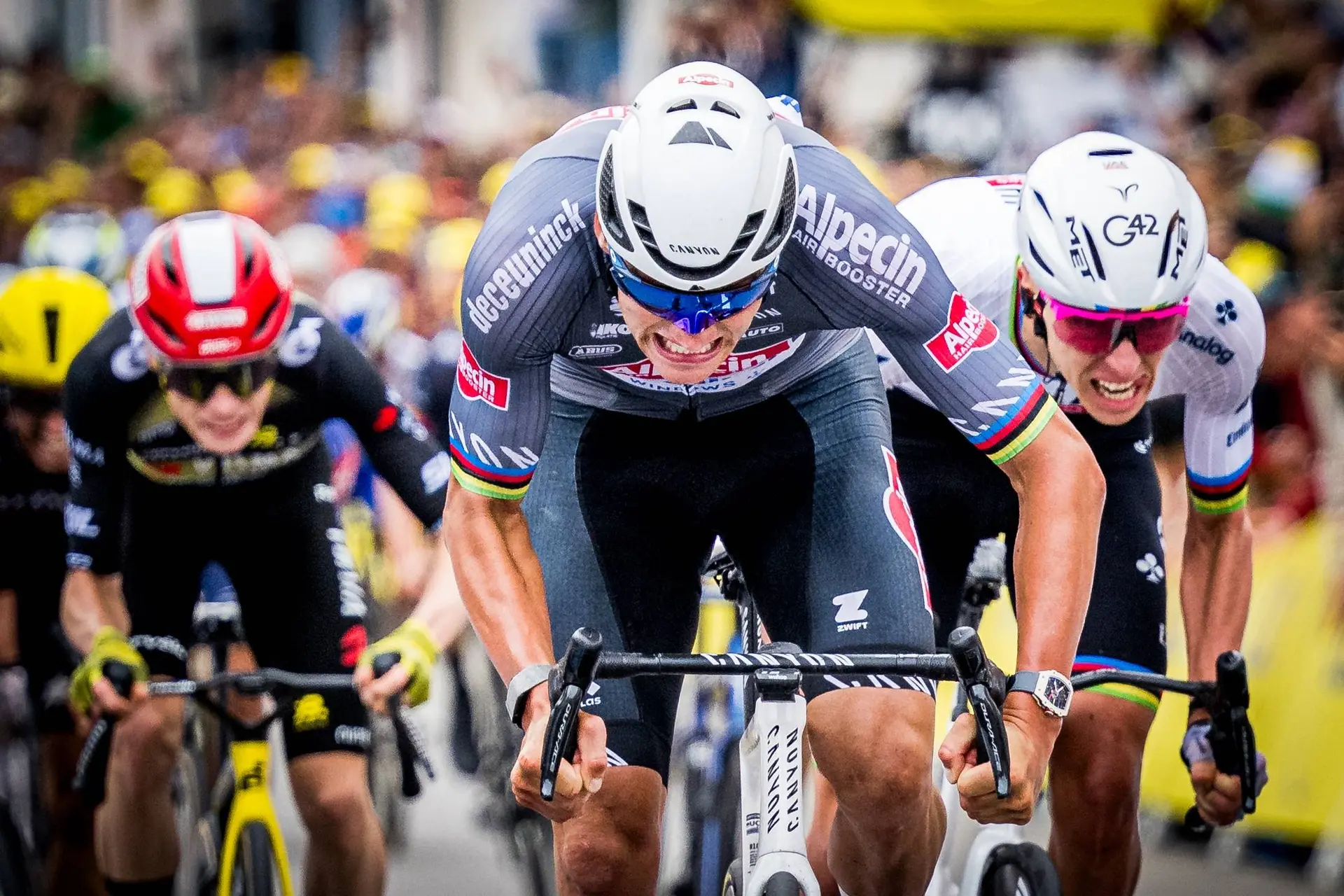
The Tour de France’s biggest disappointments
The Tour de France is the race that confers the most prestige, but also the one that leaves the deepest scars. Each edition crowns some riders and forces others to rethink their immediate future. In 2026 there was no shortage of disappointments among those who arrived with high ambitions or the obligation to confirm their progression.
Some paid the price for inflated expectations, others were victims of circumstance, and several simply fell short of cycling’s biggest stage. These are the four major losers left by the Grande Boucle.
Juan Ayuso, a talent still unconvincing at the Tour
GRADE 4.5/10
Juan Ayuso finished the Tour in a more than respectable position after overcoming illness and a crash, but the balance sheet raises more questions than answers. The Spaniard again showed immense quality on the bike, yet also confirmed that when the race hits its decisive phase, he struggles to flip the script and take on the responsibility expected of a contender for the French round.
His racing remained overly conservative. Even after losing time and dropping out of realistic contention for the podium places, he never conveyed the intent to tear the race apart. He managed his efforts, limited losses, and looked to regain positions with patience, a strategy effective for saving the classification but insufficient for a rider meant to challenge Tadej Pogačar’s dominance. In a Tour where Carapaz turned every mountain into an opportunity to attack, Ayuso seemed to settle too soon for damage limitation.
The debate about his capacity to fight for a Grand Tour over three weeks remains open. He has more than enough talent to win stages and match the best in isolated efforts, but the Tour again showed he still needs a big step in endurance, aggression, and personality when the race reaches its crunch point. More than the final result, it was the way he raced that left a sense of a missed opportunity.

Jonas Vingegaard, Visma - Lease a Bike star.
Jonas Vingegaard, the end of a rivalry
GRADE 4.5/10
Barely two seasons ago he looked the only rider capable of challenging Pogačar’s supremacy. This Tour, however, confirmed the gap between them has widened worryingly. Jonas Vingegaard never found the condition to answer the Slovenian’s accelerations and slipped out of the yellow jersey fight far too early.
Even before his untimely crash, neither in the high mountains nor on the most demanding days did he manage to impose the searing pace that had so often pushed Pogačar to the brink. The aura of superiority that Team Visma | Lease a Bike projected in previous years vanished completely, and the Dane went from protagonist to supporting actor.
The Tour leaves major doubts about Visma’s sporting project. If they want to conquer the Grande Boucle again, they must recover the tactical aggression and collective control that once allowed them to trouble the Slovenian legend. As things stand, the rivalry that defined an era looks decisively unbalanced.
Jasper Philipsen, overshadowed by Merlier and Pedersen
GRADE: 4.5/10
Jasper Philipsen came to the Tour as one of the prime candidates to dominate the bunch sprints and the top favourite for the green jersey. The reality proved very different. The Belgian never managed to unleash his speed against Tim Merlier, nor did he match the consistency of Mads Pedersen, remaining constantly in their shadow.
A stage win from the break, launched by Mathieu van der Poel so that his home country could avoid talking of outright failure, softens the verdict, but it is insufficient for a rider who aimed to be the benchmark in the sprints. Every key finish reinforced the sense that other sprinters had stepped ahead of him this season.
Cycling evolves fast and Philipsen remains among the elite sprinters in the international peloton, but the 2026 Tour de France made it clear he no longer starts as the dominant force in the sprints. Regaining that status will be one of his main challenges next season. If not, we may be looking at another case like Dylan Groenewegen, Fabio Jakobsen, Pascal Ackermann or Fernando Gaviria, all diminished in a discipline where age is decisive and careers shorten.

Cian Uijtdebroeks, already in trouble during the first time trial
Cian Uijtdebroeks, a Tour to forget
GRADE 0/10
Movistar Team placed much of its hope in Cian Uijtdebroeks, but the Belgian never lived up to expectations. From day one it was clear something was off, and the telephone squad again found itself far from the reference points in the general classification, as they had suffered at the last Giro d’Italia with Enric Mas, pursuing the same strategy: a leader underprepared or ill.
It is true that physical issues, worsened by the fever he suffered during the race, seriously hampered his performance. However, the Tour accepts no excuses. The Belgian lost contact with the best far too soon and never regained his sensations, heading home and leaving Movistar without a leader capable of competing among the favourites.
The Spanish outfit partially salvaged their Tour thanks to the combativeness of several riders, but the main objective was nowhere near achieved. The French Grand Tour again underlined the need to find a solid Grand Tour leader if the team wants to return to the forefront of world cycling, because what we have seen so far raises doubts about their capacity in top-tier, UWT (UCI World Tour) races.
Javier RampeCycling Journalist
Javier Rampe is a sports analyst with more than 15 years of experience. He holds a degree in Economics from the University of Rome and a Diploma in Business Studies from the University of Cádiz. Despite coming from an academic background not particularly associated with cycling, his passion for both cycling and journalism was instilled in him from an early age. He grew up following Miguel Indurain and José María “El Chava” Jiménez. An admirer of Michael Robinson’s communication style and journalistic approach, he was inspired to pursue a degree in Journalism at the University of Buenos Aires, which he is currently completing.
He has always maintained close ties with the worlds of sport and culture, contributing from a young age to sports blogs and film and music review websites. His work has appeared in media outlets such as Cope, RAI, and Radio Con Vos. He is also the founder of the cycling-focused podcast El Contraanálisis and the football interview channel Días De Fútbol, dedicated to conversations with professional footballers.
In addition to his work at Ciclismoaldia, Javier has interviewed some of the most influential figures in modern cycling, including Alejandro Valverde and Tadej Pogačar, as well as key voices in anti-doping policy such as Alberto Yelmo, David Varillas, and Marcelo Milano. Marcos Maynar, in relation to the ‘Operación Ílex’ case, is also among the personalities he has interviewed. He enjoys conducting in-depth analysis of the cycling ecosystem and has attended major events such as Strade Bianche, the Vuelta a Andalucía, and Itzulia, as well as numerous national cyclo-cross races.
His background in economics, combined with extensive experience in marketing and corporate communications, drives his continuous study of positioning strategies and ensures that he always keeps his focus on crafting compelling and evocative headlines.
claps 6visitors 6
Just in
Popular news
Latest comments
- He didn't even try to sprint all outvappaxbipmv18-10-2026
- Campenaerts looked like a rolling pumpkin with that all orange leaders skinsuit !frieders318-10-2026
- He can take his dumb a$$ politics somehwere else !frieders318-10-2026
- good to have her back. fingers crossed she‘ll be able to stay!Ketterechts17-10-2026
- A tenner and he wins the Tour next year, too 😂anonymouscyclist17-10-2026
- the answer is either stick to classics or GTs but not bothabstractengineer17-10-2026
- the exodus already stared with Ciccone. Already they were struggling with two sprinters, now there are three. Also Ganna will demand leadership. Gall is the most proven GC, Ayuso has the most potential. GC leadership for everybody will be impossible. Literally a UAE style mess without pogi.abstractengineer17-10-2026
- I raced as an amateur for 12 years, including six years on my country’s national road cycling team. I secured two national titles and competed in three World Championships plus more than 15 international stage races. At 23, we travelled to Italy for a training camp—or so I assumed. On a rest day, we watched a presentation about adopting a more “professional” training approach. It was crystal clear what “professional” meant. That moment first exposed me to this dilemma. After returning from Italy, I left cycling—at least at the competitive level I had known. Over the following two years, the whole team was caught doping. I hold that everyone is innocent until proven guilty. In my view, current stakeholders operate on a different scale, and the sums involved are vast. I am unsure whether any doping would ever be revealed. I try to stay positive and enjoy the show. My 2c.
 vannpelt17-10-2026
 - Fiver he wins 🤣
 leedorney17-10-2026
 - “…measures to reduce speeds.” Might as well shorten the race course to just 50km as well? ASO generates at minimum €300m a year and 30- 40% profit. Maybe stop being greedy and spend more of the profit to protect the riders instead.b3tlla17-10-2026
Loading
10 Comments