“The top riders are increasingly avoiding each other” - Belgian expert warns Tadej Pogacar dominance isn’t cycling’s real problem ahead of Milano-Sanremo
Cycling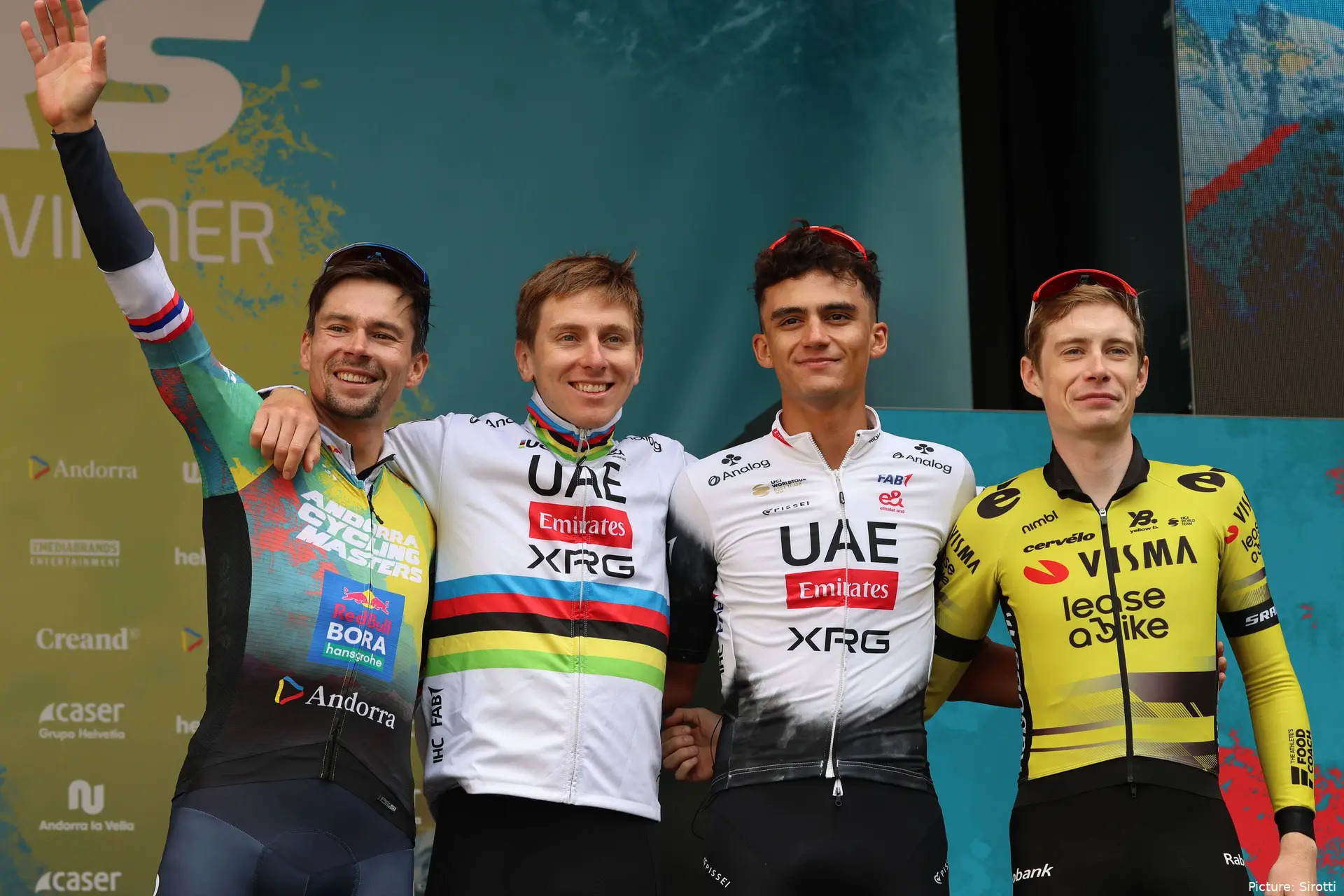
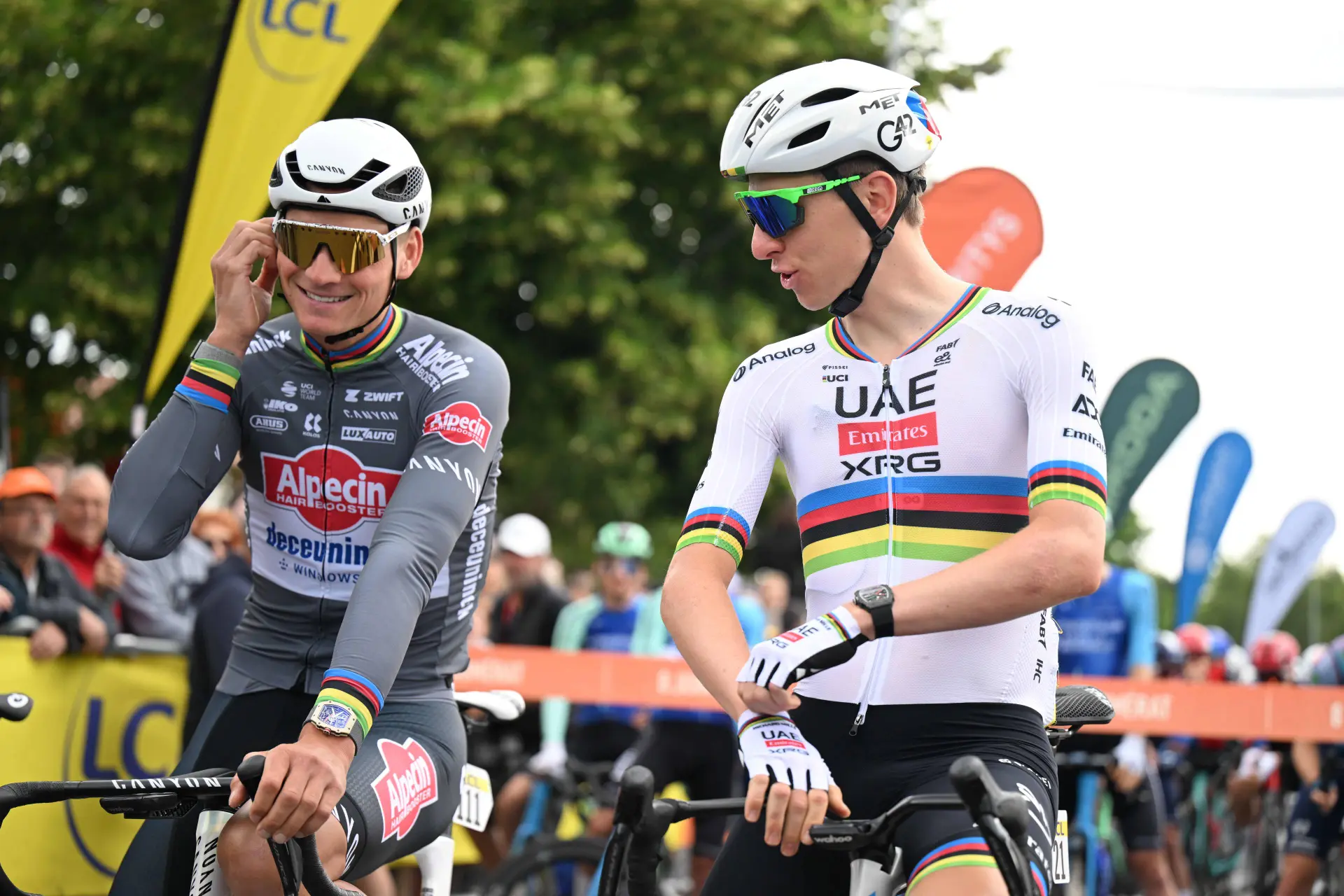
For all the debate around Tadej Pogacar and Mathieu van der Poel, and whether their dominance is good or bad for cycling, former Belgian commentator Michel Wuyts has cut through the noise with a different concern ahead of Milano-Sanremo.
The problem, Wuyts explained in conversation with Wielerflits, is not that the best riders are winning too often. It is that they are not racing each other enough.
At the same time, he understands why the discussion exists in the first place. “For a viewer who gets saturated quickly, these are indeed difficult times. That viewer sometimes longs for change, for broader competition, and especially for input from their own country.”
“Exactly for that reason, I find it frustrating that the top riders are increasingly avoiding each other. I think that’s a shame,” he said. “In some media, people are already satisfied if two or three top riders meet in a big race.”
Dominance is not the issue
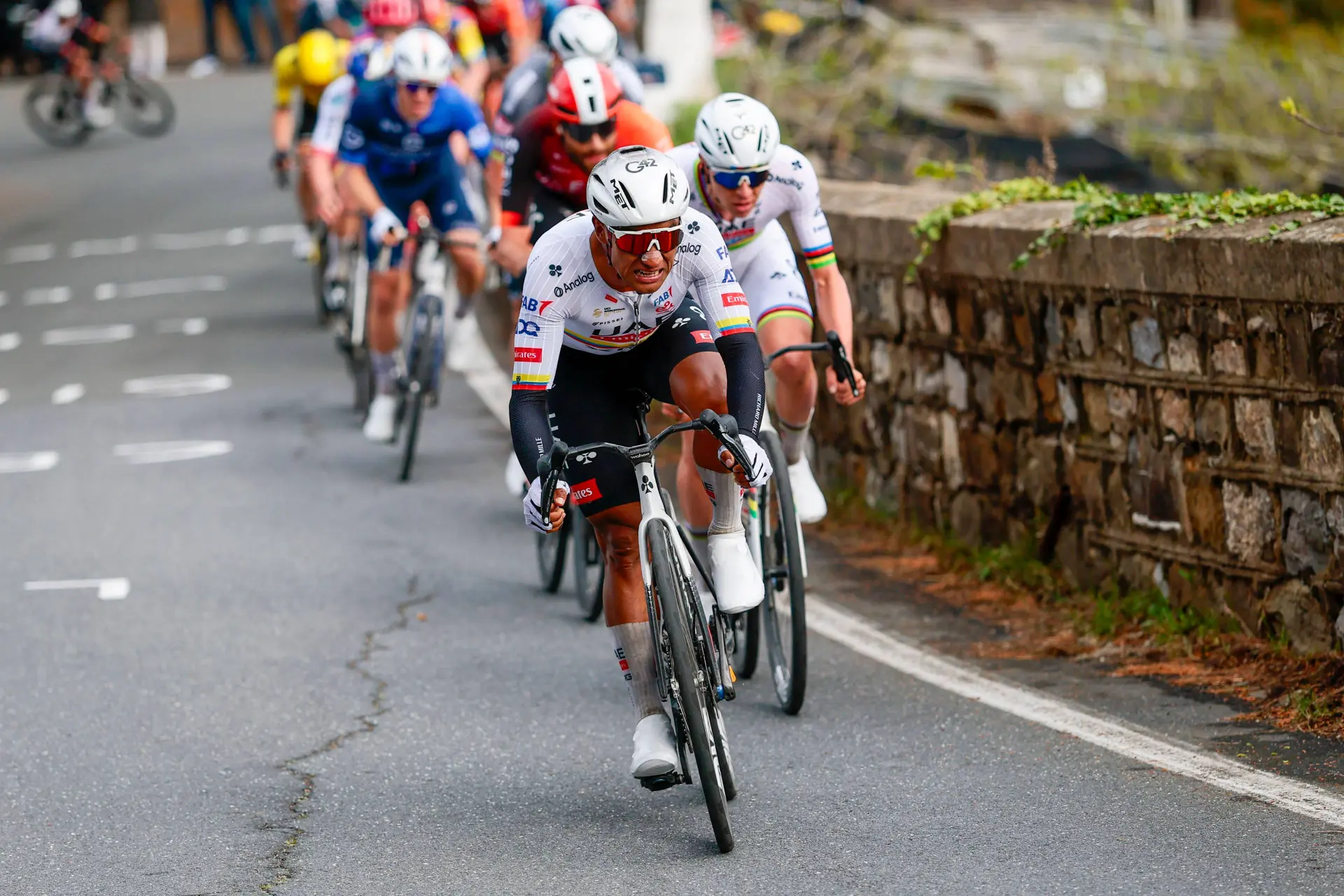
That view runs counter to a growing narrative around Pogacar’s supremacy. The Slovenian has reshaped races with aggressive, long-range attacks, most notably at Strade Bianche and in last year’s Milano-Sanremo, where his move on the Cipressa forced a level of intensity rarely seen so early in the race.
But for Wuyts, that kind of performance is not something to be concerned about. “But if I look at myself, I can really enjoy the beauty of a brilliant performance from the same rider,” he explained. “When Pogacar attacks for the fourth time in Strade Bianche, I’m still sitting there watching with my mouth open. And it’s not like: here we go again. It doesn’t bother me for a single second. On the contrary, I’m not waiting for him to be caught.”
Rather than seeing dominance as predictable or damaging, he frames it as part of the sport’s appeal. “I have respect for the fact that he dares to take risks and not do it the easy way. What more can you expect from a top athlete?”
The real problem: missing battles
Where the concern does lie is in how rarely the biggest names now collide across the calendar. “These confrontations are partly disappearing. And that’s a shame, because it leads to niche formation,” he continued. “I challenge you to point out how many real top riders there are in the Flemish spring races, and how often they actually go head-to-head. You’ll only get to two or three times. And I’m not just talking about Pogacar and Van der Poel, but also the level just below them.”
That point cuts deeper than a single race. While Pogacar has shown a willingness to race across different terrains and Monuments, others have become more specialised, limiting the number of direct clashes between the sport’s biggest stars.
“Who still dares to bridge the gap to the Ardennes? And believe me, that is more possible than people think,” he said. “You always end up back at Pogacar. But beyond that, you see an increasing divide.”
The result is a calendar where the most anticipated matchups are the exception rather than the rule.
Pogacar setting the example
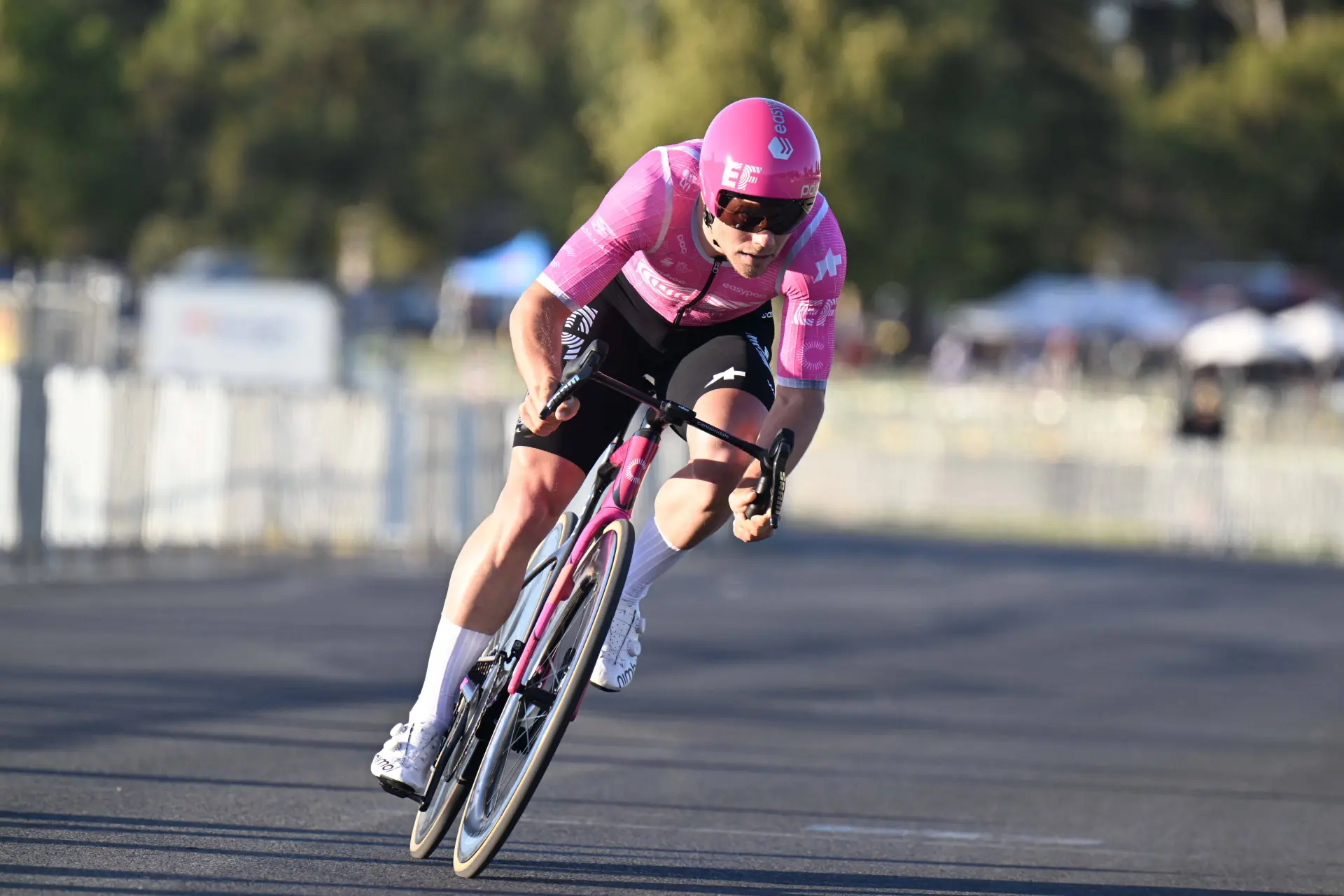
That broader trend is exactly why Wuyts sees Pogacar as part of the solution rather than the problem. “Pogacar plays a very important role in that, by showing that it is actually possible. He crosses out all preparation races and rides every big race that really matters.”
In doing so, he has demonstrated that the sport does not have to be confined by rigid specialisation, even at the highest level. “If others follow that example, it would create fantastic scenes.”
Why Milano-Sanremo still matters
That is what makes Milano-Sanremo stand out. Unlike other races where the favourites are spread across different programmes, La Primavera continues to bring the very best together. Pogacar’s aggressive approach, Van der Poel’s ability to respond, and the presence of riders like Filippo Ganna create a rare scenario where styles and strengths collide directly.
Last year’s edition showed exactly what that can produce, with Pogacar’s Cipressa attack forcing the race into a selective finale and raising the overall level of the Monument.
This weekend, the expectation is similar. Not just that the strongest riders will decide the outcome, but that they will have to do so against each other.
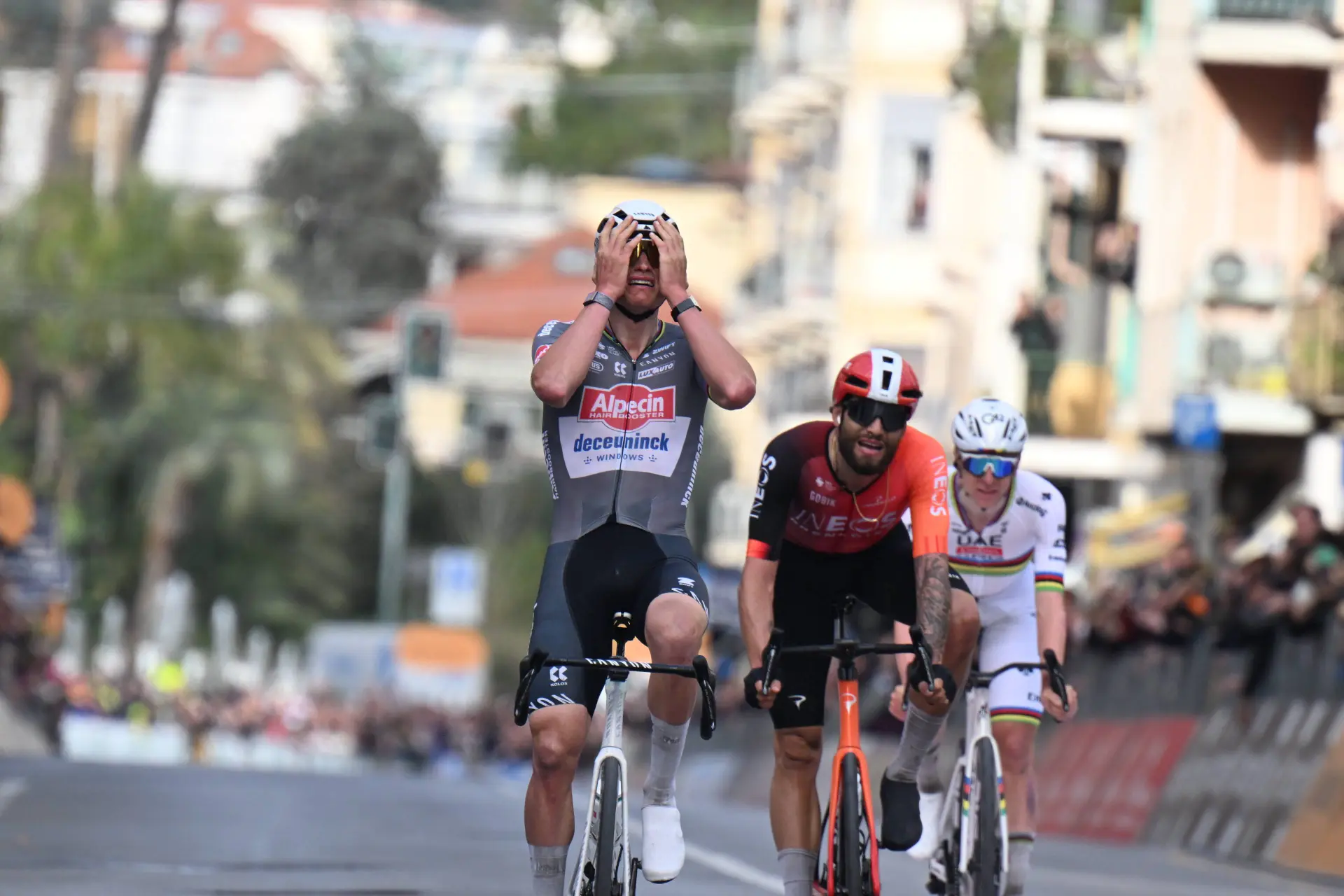
“I don’t like using percentages, but the chance is very high that one of those two wins and the biggest chance is that Mathieu van der Poel wins,” he said. “Purely based on the qualities needed to win that race. You need that explosive sprint on the Via Roma, which rises more than people think.”
A rivalry the sport needs
In that sense, Milano-Sanremo represents something the wider calendar increasingly lacks. It is not just a race where the strongest rider wins. It is a race where the strongest riders meet.
That distinction sits at the heart of the argument. Pogacar’s dominance is not reducing the spectacle. If anything, it is raising the level. The real risk is when riders of that calibre are not forced into direct confrontation often enough.
And that is why, ahead of one of the few races where those clashes are almost guaranteed, the focus shifts.
Not to whether Pogacar is too strong. But to whether cycling is doing enough to ensure that strength is tested often enough against the very best.

Kieran WoodDeputy Editor-in-Chief
Kieran Wood is a sports journalist based in Wales and has been active in journalism since 2022. He regularly contributes to DartsNews.com and CyclingUpToDate.com, where he covers professional cycling and darts. In cycling, his work includes liveblogs from major races, including the Tour de France, the Giro d’Italia, and La Vuelta a España, alongside race reports and analysis. He has also conducted interviews with professional riders.
His reporting spans the full racing calendar, from one-day classics to stage races, with a focus on accurate, real-time coverage and clear contextual analysis. For statistics, results, and historical context, he regularly uses resources such as ProCyclingStats. To support reporting on rider activity and training context where relevant, he also references Strava.
In his work, Kieran places strong emphasis on careful sourcing, editorial accuracy, and updating articles as new, verified information becomes available.
claps 4visitors 4
Just in
Popular news
Latest comments
- It is easy to celebrate those who won the grand tours and the monuments. and the world championships. What I notice more are the ones who were at the world tour and kept going on the pro tour level for that little bit longer, still wanting to ride after their bodies had aged, after their teams no longer needed them. It is good to see the domestiques. as well. Congratulations to all these folks on an impressive career, no matter the wins. Cycling is a team sport, and it’s the ones we don’t see much of that allow the leaders to stand out and win the accolades.RidesHills14-10-2026
- Biestrebos is a real sprinting talent. Initially it was thought that he'd be a classics domestíque but his sprinting has improved dramatically over the course of the year. He's the only thing going well with Picnic now and for that reason it is likely that he'll leave
 Rafionain-Glas14-10-2026
 - well this one definitely makes my STUPIDEST ARTICLES OF 2026 list. chapeau…OCexile14-10-2026
- Cyclocross is nothing without stars like MVDP, WVA, Pidcock... etc. Out of all cycling disciplines, road racing is the most popular discipline in professional cycling, especially in terms of global prestige, major-event audiences, and the historical status of its greatest riders. People that don't follow cycling as a sport have heard of Merckx, Hinault, Pantani, Armstrong, Remco, Vingegaard, MvDP, Van Aert, Pogačar etc. So if we're talking about professional cycling and the sport's most famous athletes, road racing is the clear number one. Road cycling's greatest champions are judged across such a wide scale. E.g. - Pogačar can win the Tour de France and then go after Paris–Roubaix and other prestigious one day races. These races also have a wide range of versatility: cobbles, gravel, punchy, hilly, TT. This versatility is a huge part of why road racing is No.1 in cycling. Maybe Sven Nys is a dutch cycling "legend"... but that's where it starts and ends. Ad acta.PogiSloFans14-10-2026
- “at some point those guys will turn their backs on OUR sport”? after dedicating so much of their lives to cyclocross and in mathieu’s case winning more world championships than anyone, it would seem to me like they’ve earned the right for it to be always be THEIR sport, too, even after they retire from it.OCexile14-10-2026
- It takes two to tango. Riders also have a say. Maybe they didn't see any opportunities on a stacked team such as Visma's? Who knows, but could be a multitude of reasons why deals fall through.Pogboom14-10-2026
- Eventually Pogi will get older and slower. Father Time will favor the young. The question is whether he can beat Pogi before Pogi decides to retire. You never know... Pogi may retire after winning paris-roubaix :)b3tlla14-10-2026
- i think he can continue to race for maybe another 2 years till he drops out of podium contention. With his TT and his follow the leader in the Mountains,he should not need too many teammates too.abstractengineer14-10-2026
- Aren't they still shopping around for a main sponsor for next year?wrsty14-10-2026
- How broke is visma now? wtf they cant even fight moviestar and decathlon for riders and lose both their mid targets based on their budget and they cant even get those? Crazy...:/miguel13-10-2026
Loading
1 Comments