"The sport going behind such a large paywall is a huge problem" - Tao Geoghegan Hart & Dan Martin among stars to hit out at controversial changes to UK cycling coverage
Cycling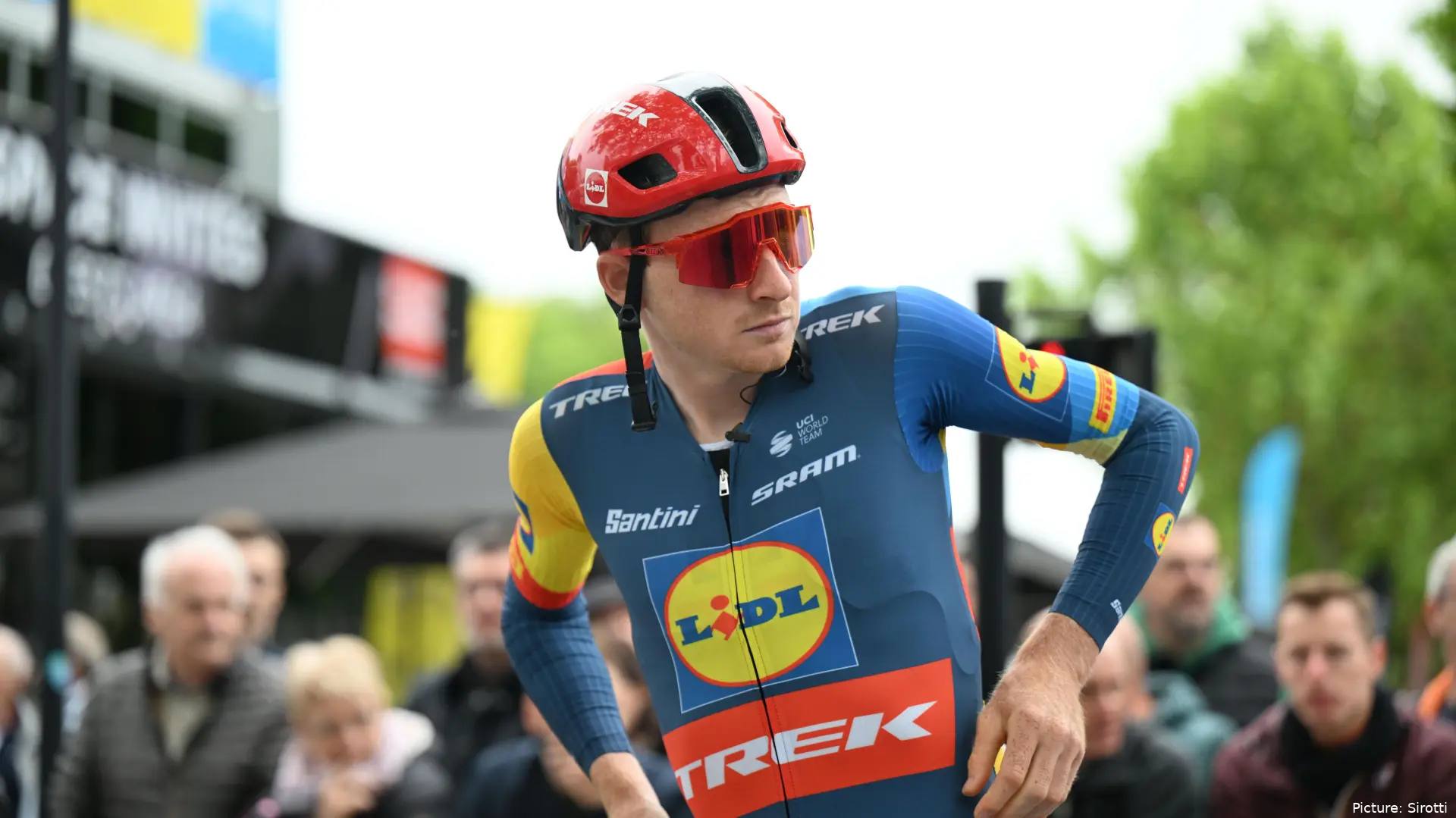
Cycling's TV coverage in the UK is changing and by all accounts, not for the better. Although fans are quite rightfully frustrated at the imminent end of free-to-air racing following the announcement of Eurosport's closure and ITV's loss of Tour de France coverage, even riders themselves are now speaking out against the controversial changes.
Former Giro d'Italia winner Tao Geoghegan Hart grew up racing in the British club scene and in a passionate post to his official Instagram account, the Lidl-Trek star raised his concerns over plans to charge UK-based fans £31 a month to continue watching the sport. "For those in need of some context, the cost of watching racing has gone from £87 a year to £370. As of yet, I’ve seen little comment from pro cycling itself, especially from the many 🇬🇧 riders whose profiles, families & fans it impacts so greatly," begins the 29-year-old. "Let’s be clear, the sport going behind such a large paywall is a huge problem."
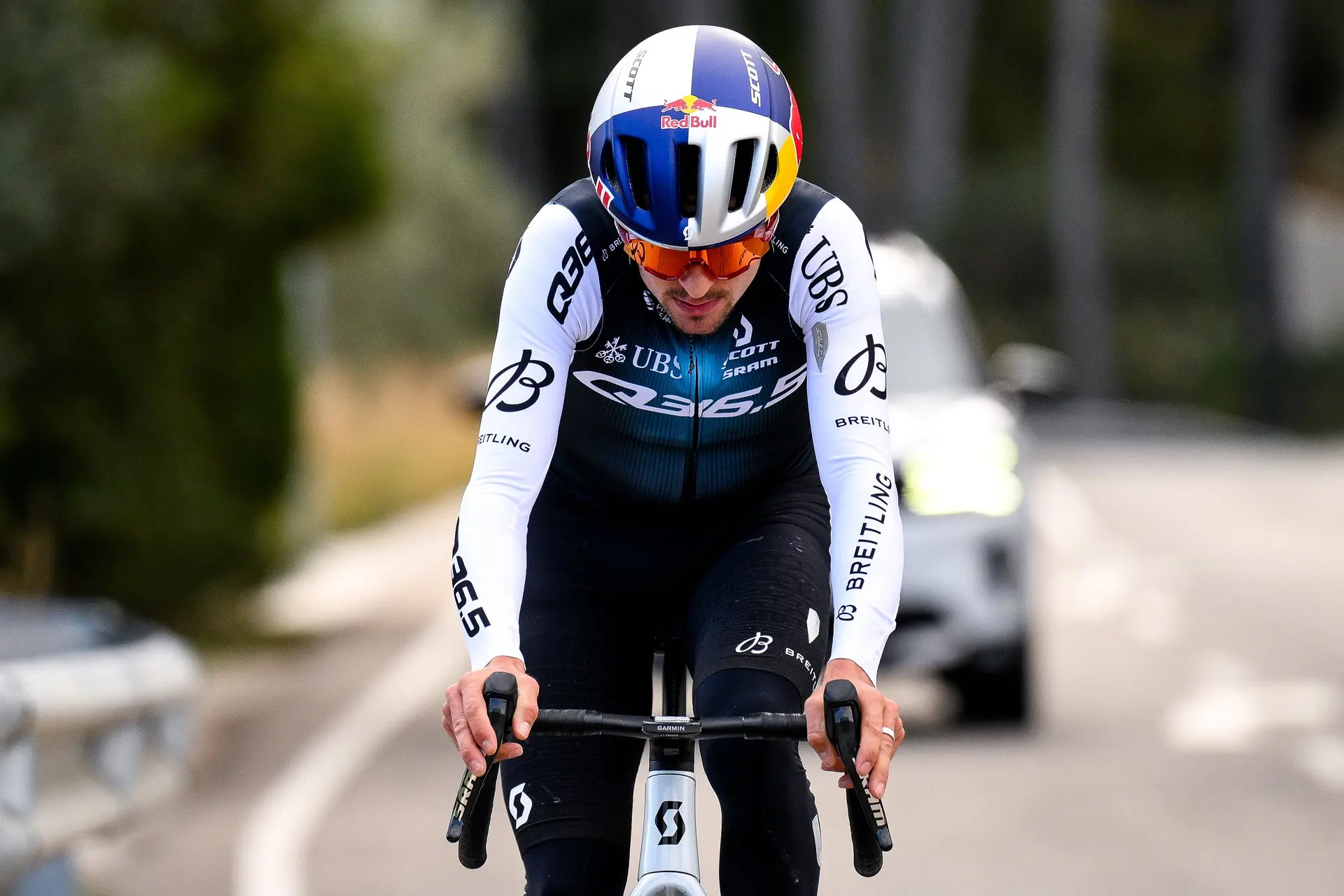
"Professional sports are all competing for the same audience. Cycling is completely reliant on this audience, it is how teams justify themselves to sponsors spending millions a year. Only a few teams can realistically promise a sponsor to win the Tour, but all teams can demonstrate good ROI (return on investment ed.) when capturing so many eyes, hearts & minds. It’s not only wins that can be of value. It’s the journey & the heartache too," continues Geoghegan Hart. "I find it hard to believe many fans will be able to justify this increase in costs to follow our races & those of our female colleagues. This is a huge shame. Cycling provides such great entertainment and inspiration to so many. 🇬🇧 fans are living a real high point of the sport. There are so many 🇬🇧 professionals, with Tom Pidcock winning his first race for his new team this afternoon a great example of that."
"To be clear on something that many don’t understand, teams receive zero remuneration from tv rights," the former INEOS Grenadiers star adds. "What do I want to say? For amateur riders, cycling has become a very expensive sport or passion. Now as a 🇬🇧 fan, following the upper echelons of the sport has also suddenly and massively increased in cost. I think it is now very relevant to realise where this money is going and where it is not. And perhaps to question the monopoly held over the sports U.K. coverage."
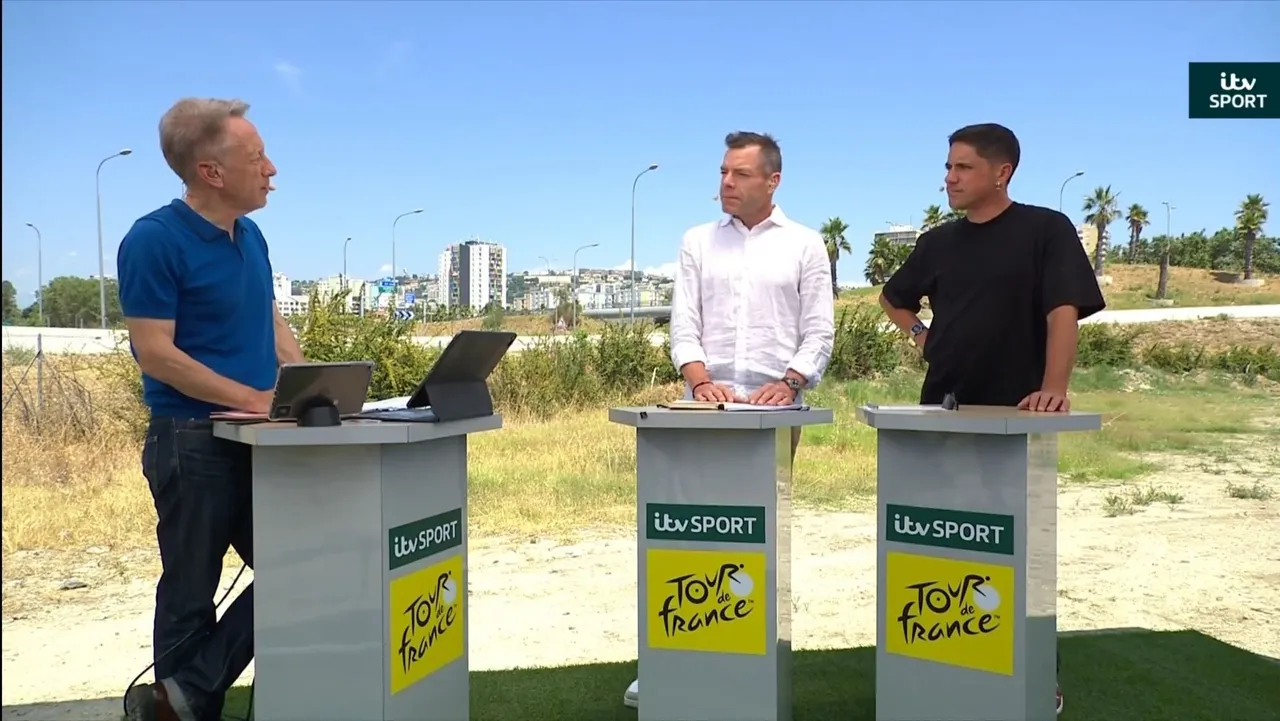
The 2025 Tour de France will be the final one shown for free in the UK on ITV Sport
Five-time Grand Tour stage winner Dan Martin might have retired back in 2021, but the Irishman is also among those speaking out about the detrimental effect these changes could have for British cycling's future. "Discovery’s decision to increase the monthly fee is a sign of cycling's popularity but also how TV advertising is no longer enough to cover the TV rights," writes Martin on his X account. "I would doubt there has been any substantial increase in TV rights. But putting a sport behind a paywall that justifies team sponsors marketing spend with viewer figures could cause some teams some major headaches."
"The majority of race organisers pay to have their races on TV. Cycling is mostly free to air in Europe meaning the TV rights are not prohibitive," adds the 38-year-old in reply to another comment. "This is cycling becoming popular enough that the broadcaster thinks they can up the price."
Read also
Kieran WoodDeputy Editor-in-Chief
Kieran Wood is a sports journalist based in Wales and has been active in journalism since 2022. He regularly contributes to DartsNews.com and CyclingUpToDate.com, where he covers professional cycling and darts. In cycling, his work includes liveblogs from major races, including the Tour de France, the Giro d’Italia, and La Vuelta a España, alongside race reports and analysis. He has also conducted interviews with professional riders.
His reporting spans the full racing calendar, from one-day classics to stage races, with a focus on accurate, real-time coverage and clear contextual analysis. For statistics, results, and historical context, he regularly uses resources such as ProCyclingStats. To support reporting on rider activity and training context where relevant, he also references Strava.
In his work, Kieran places strong emphasis on careful sourcing, editorial accuracy, and updating articles as new, verified information becomes available.
claps 3visitors 3
Just in
Popular news
Latest comments
- how it is "We’ve taken another big step forward for next year" he just lost in lombardia to a 20 year old, and two 30+ year olds. and not even top 10 for WCRR.abstractengineer19-10-2026
- This is similar to Lebron. first he said i need to consult my family , my daughter, need respectable money blah blah blah and then dont care about family , dont care about money, only onion rings, am off to Philly, very very far from family. Off season should be with family more, no?abstractengineer19-10-2026
- I hope he comes back strong for a proper battle with Tadejmij19-10-2026
- congrats to a great career and good retirement.mij19-10-2026
- Any artificial product should be reported.Any team that doesn't should be stripped of wins and fined.I know that this level of transparency does not and will never exist.All anyone can do is continue to test riders on a regular and surprise basis.If the test comes back clean then all any of us can assume is the rider is clean.
 Brucegel19-10-2026
 - Also, it's supposed to be hard to gain an advantage from drafting off Remco because he is so aero.Hills3319-10-2026
- How would stats back it up? You realise tactics involved could mean Vine saved his legs for a faster finish? Some riders can choose to go all out and fade later in the ride, others can hold steady state the whole way, and others can have a reserved start and power up later in the ride. You can't judge just by the stats unless you have power data to be able to prove Vine is riding faster even though he is putting out the same or less power (suggesting drafting). I'm sure the stats prove that Vine didn't cheat because UCI would monitor the stats to make sure this exact scenario doesn't happen (and disqualify them for drafting if the stats proved it).Pogboom19-10-2026
- Only one person would say such a thing here. Sorry to burst your bubble but I’m afraid that window of opportunity has now closed. You can beat some of the people all of the time and all of the people some of the time but you can’t beat all of the people all of the time.Jumpyjohn19-10-2026
- Both prizes are actually pathetic, almost amateur like, not even covering the cost of participatingJumpyjohn19-10-2026
- It depends on how you define doping and you would do well to give your definition so we can see how against it you are. If you consider the use (as a hypothetical example) of a new beneficial artificial product unknown to anti-doping agencies ok without considering asking them if it would constitute doping if you told them about it then we’re never going to agree on who could be or couldn’t be doping and according to what threshold, moral, statistical, legal, comparative. In football even financial doping is now consideredJumpyjohn19-10-2026
Loading
Write a comment