"The race will be alive right to the end" - Expert outlines the key factors that will decide 2026 Tour de France
Cycling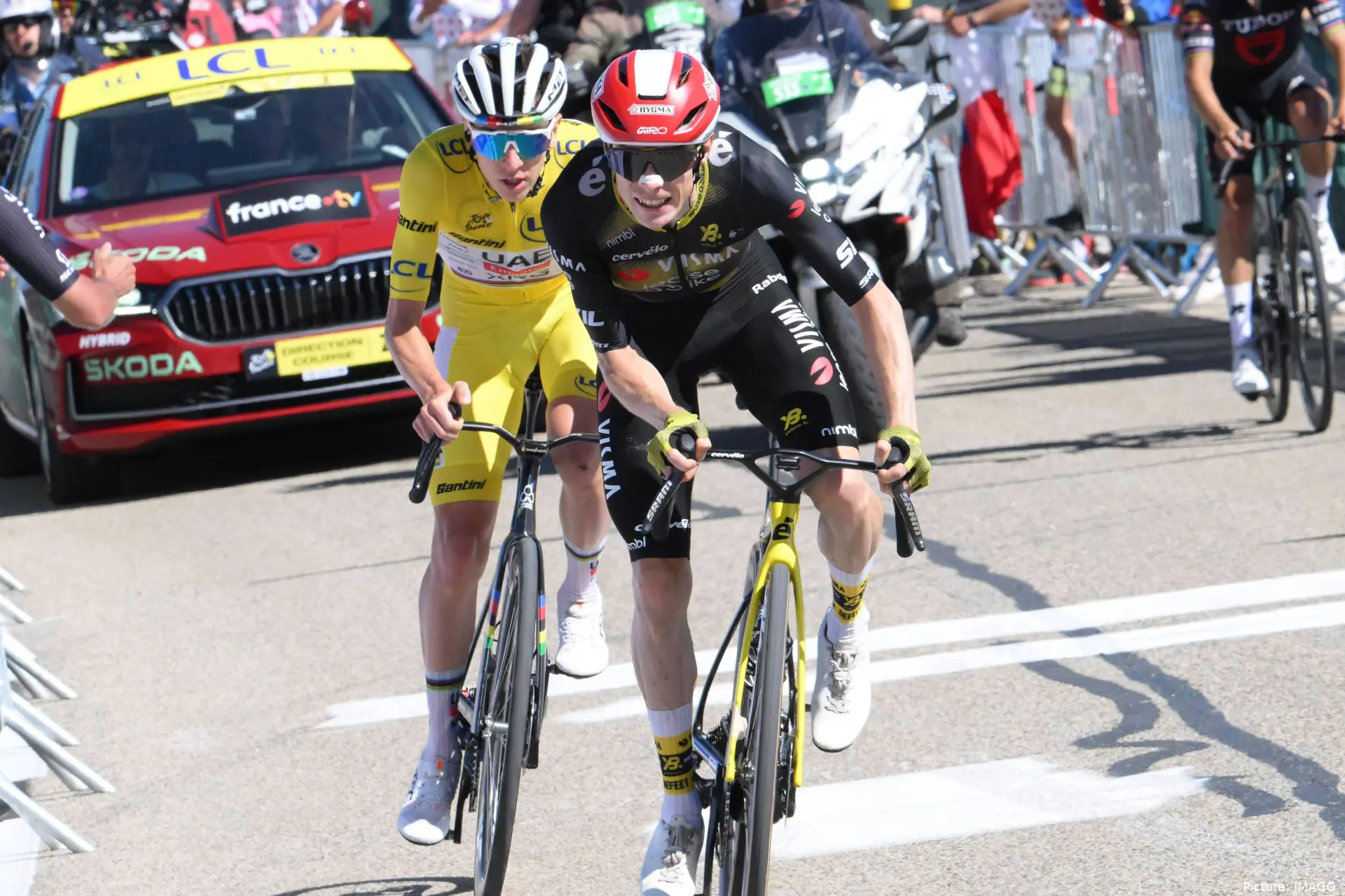
The 2026 Tour de France will roll out from Barcelona with a route that, in Javier Ares’s view, is not the toughest in recent years, yet offers enough strategic flashpoints to keep suspense alive into the final week.
The veteran journalist, Eurosport Spain commentator and one of cycling’s most authoritative voices, dissected in his personal podcast the stages he sees as decisive in the next Grande Boucle.
Ares believes the course design follows a very clear idea from the organisers. “It’s not the toughest Tour in history, far from it,” he says, before adding that “there are many stages before we hit terrain that will be not only relevant, but definitive and decisive.” In his view, the organisers have avoided front‑loading the race with excessive difficulty to prevent it from being decided too early.
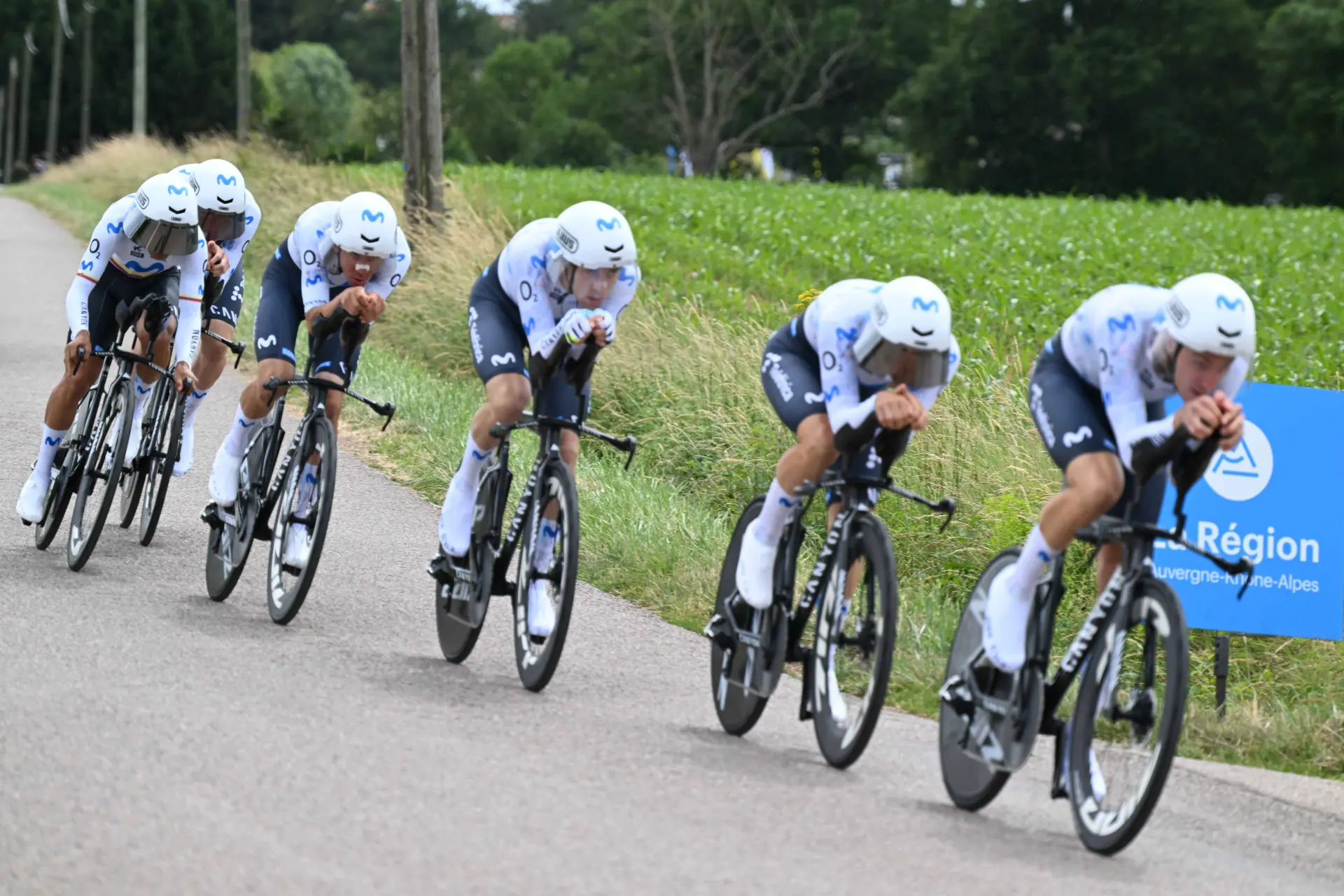
The journalist expects the opening team time trial to provide the first benchmarks among the major contenders.
Barcelona will draw the first gaps
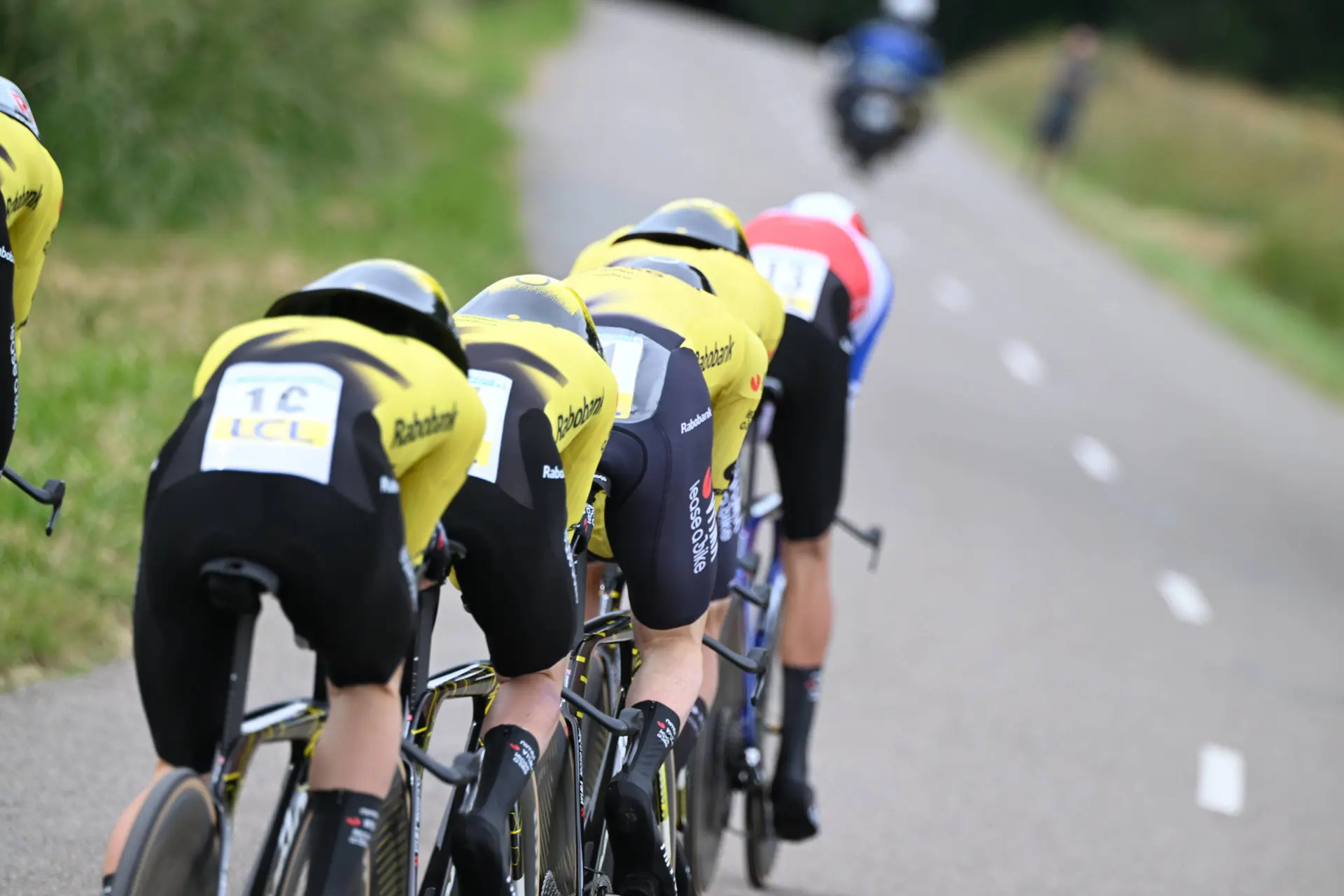
“I don’t think the gaps will be excessive,” he says of the 19 kilometres against the clock, though he does think it will reveal “the power and confidence” of squads like UAE Team Emirates, Visma, Lidl-Trek and INEOS Grenadiers.
He also flags the importance of stage 2, finishing on Montjuïc, as a route tailored to explosive riders, while stage 3 to Les Angles will be the first serious test for the general classification. “There will be a very significant selection on this course,” he asserts.
For Ares, the race’s first major moment arrives on stage 6, from Pau to Gavarnie, with the Aspin and the Tourmalet before a summit finish.
Although he notes that the Tourmalet is crested with roughly 40 kilometres remaining, he believes the day will inflict a substantial shake‑out among the favourites. He said: “Logically, there has to be a very notable selection. That will be the key point of the first week, because there isn’t much else.”
The Vosges will raise the bar
The second week will ratchet up the difficulty with the arrival in the Vosges. Ares highlights the Ballon d’Alsace stage and, above all, the finish at Plateau de Solaison.
For him, the latter is “the first big mountain stage,” thanks to 4,000 metres of climbing and demanding ascents such as the Croix de la Chette and the final haul to Solaison.
He also recalls that this terrain recently delivered a great show from Isaac del Toro and Juan Ayuso during the Critérium du Dauphiné.

Tadej Pogacar en la presentación de equipos del Tour de France 2026
The time trial and the Alps will decide the Tour
If there is a truly decisive block for Javier Ares, it is the final week. The time trial from Veyrier to Thonon-les-Bains, featuring a second‑category climb, will test riders with depth and recovery after nearly three weeks of racing. However, the key finale will be the Alpine triptych.
Orcières-Merlette comes first, a stage Ares deems important, while noting that Luis Ocaña’s historic exploit there does not necessarily mean it will produce massive gaps again.
Then comes the first passage over Alpe d’Huez, a day loaded with symbolism as it marks 40 years since the famous embrace between Bernard Hinault and Greg LeMond. But the big day will be stage 20. “It’s the queen stage,” he declares.
With 5,500 metres of climbing and the Télégraphe, Galibier, the Sarenne and Alpe d’Huez, Ares calls it “a colossal stage.” He even notes that the Tour director himself has said it will be hard to find a tougher stage.
Even so, the journalist adds a caveat drawn from experience: “Here the route matters less than the race situation, each rider’s ambition and how each team approaches the stage.”
He explains that Tour history has often shown that seemingly less demanding days can deliver great racing, while others with more than 5,000 metres of ascent have ended with the peloton largely intact.
Read also
Montmartre returns as the final flourish
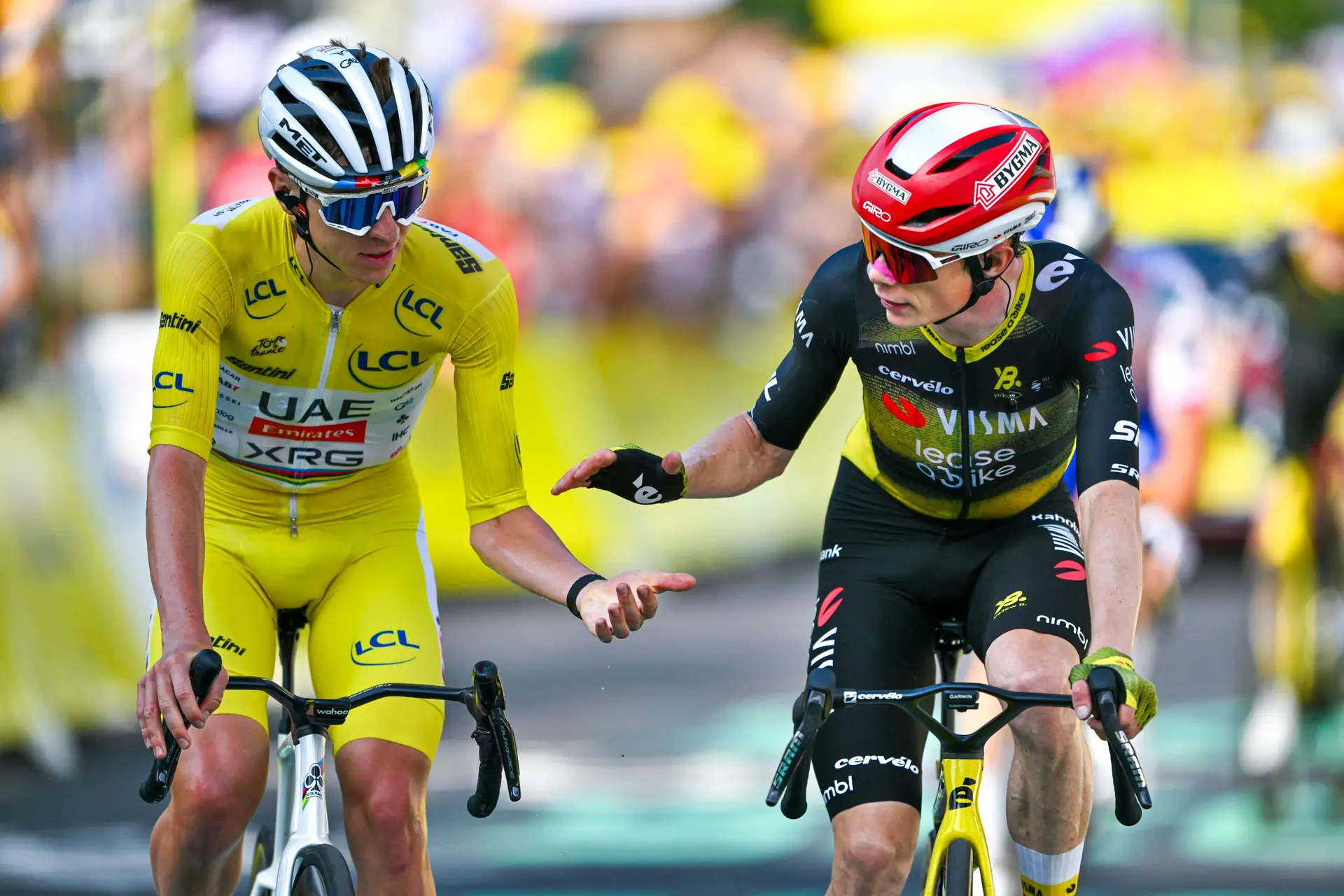
Ares also welcomes the Tour keeping the Montmartre climb on the final stage after last year’s success. He felt it was “a gift” for the race and believes it replaced the traditional Champs-Élysées finish with a far more dramatic conclusion: “We witnessed that magnificent crowd spectacle and a thrilling, spectacular finish,” he recalls.
Javier Ares’s conclusion is clear. While he does not find the route especially hard compared with other editions, that very fact could boost the spectacle. “The Tour is always compelling. The route may be less demanding, and that might be welcome up to the last three stages and, therefore, it’s very likely to stay alive and active.”
For the Eurosport commentator, the real outcome will depend less on the stage profiles than on the contenders’ intent, with a sense that the general classification could remain open until the exacting Alpine block that will close the 2026 edition.
Gavin QuinnCycling Journalist
Gavin Quinn is a cycling journalist and ultra-distance cyclist with a BA in Journalism from Dublin City University. Formerly the Press & Communications Officer for Cycling Ireland, Gavin has worked inside the national team at the World Championships and has reported for the Irish Mirror, Mirror UK, and The42.
His expertise is backed by elite-level access, having interviewed stars like Sam Bennett and Ben Healy, as well as immense personal endurance. In 2025, he completed a 12,000km solo cycle from Ireland to Vietnam, following a 4,600km tour across Europe. From the cobbles of Paris-Roubaix to the gradients of the Tourmalet, Gavin’s writing focuses on the "romance and brutality" of the sport. Having visited 50+ countries, he brings a global, cultural perspective to his coverage of the pro peloton for CyclingUpToDate.
claps 0visitors 0
Just in

Popular news
Latest comments
- How broke is visma now? wtf they cant even fight moviestar and decathlon for riders and lose both their mid targets based on their budget and they cant even get those? Crazy...:/miguel13-10-2026
- TT But he won by a minute so he could have cut down on some of it
 Rafionain-Glas13-10-2026
 - weight is measurable. power is measurable. So why didn't he prepare that way from the TDF if he wanted to beat Pogi and after Pogi wasn't going to be there, to win.abstractengineer13-10-2026
- I hope Thibau and Tibor don't do the sameRafionain-Glas13-10-2026
- Seixas is exactly what I would like Pogi to be mentally and in his statements. Both come across as shy and who don't talk much but with Seixas, you can see that he enjoys success, that it boosts his ego, unlike Pogačar who seems to feel increasingly uncomfortable the more he wins. He's won so many times, people are saying he's boring. The french media hate him for winning so much, the french cycling fans are booing him... etc. etc. But remember one thing, Seixas will never physically reach Pogi's level. He's excellent, but he isn't at that level nor will ever be. His talking to the media, his relationship with people is already at a high level.PogiSloFans13-10-2026
- Paul Seixas is now the second-best rider in the world.megasmacky13-10-2026
- When will they start dropping Pogi? Oh yeah, when Pogi reaches 40+ years, that's when young cyclists will start dropping him. But until then... eat your hearts out and cry. Pogi will remain the G.O.A.T. for years to come. Capish?PogiSloFans13-10-2026
- I figure he would have found out how to outsprint Paul and take the win, maybe. He's 28 now but I would say he's right at the peak of his powers. It was great race though, Paul showed me something different about himself.awp13-10-2026
- Slowly, very slowly... 5-7 yrs. ;)MajorPayne13-10-2026
- Up to this point: "It is just not yet at the level of Vingegaard and Pogacar." First Jonas, and then level of Tadej. Period!MajorPayne13-10-2026
Loading
Write a comment