"He’s such an overwhelming favourite that you can’t put anyone on his level" - Javier Ares on Tadej Pogacar
Cycling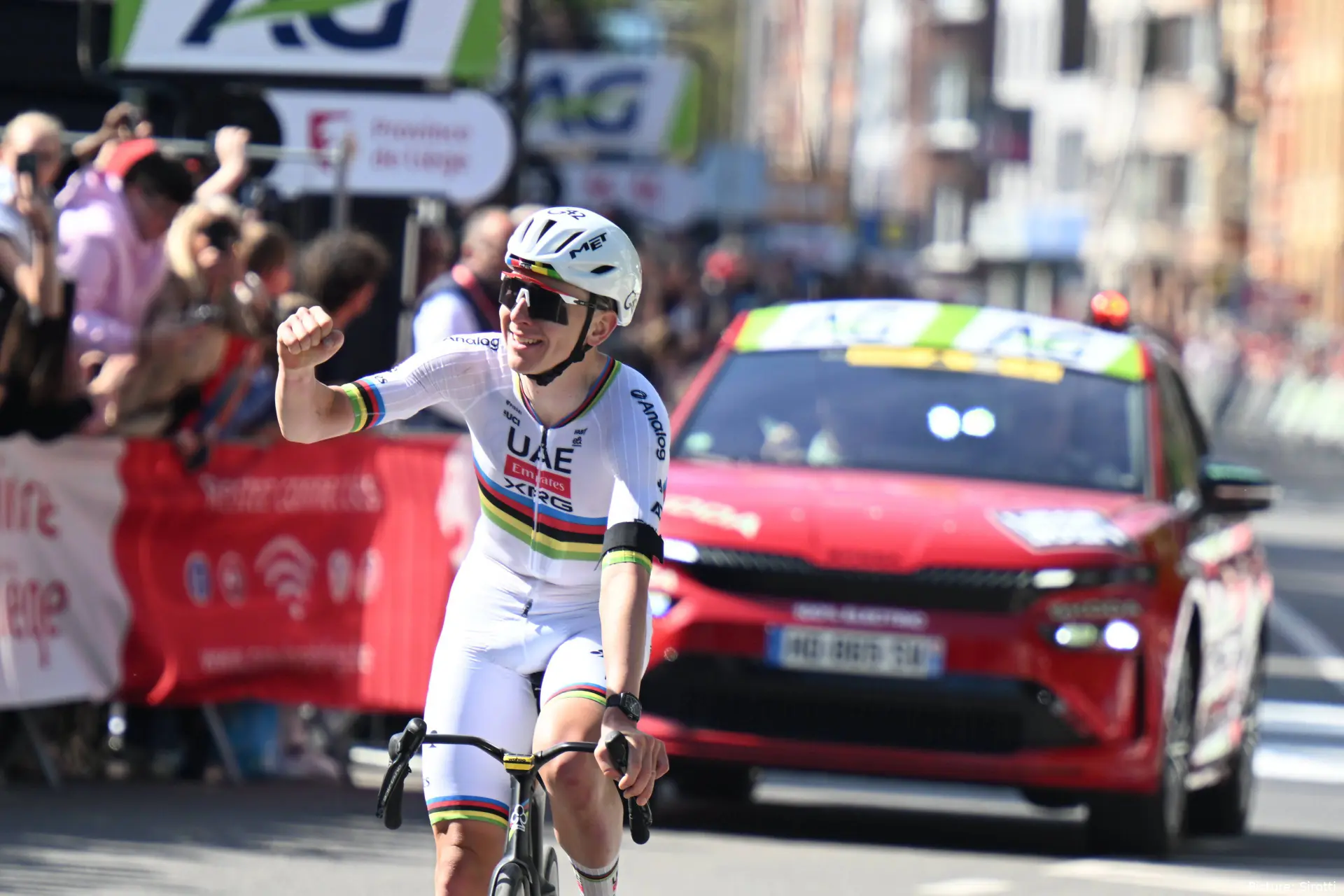
The Tour de Romandie returns to the calendar as a fixtures that blend tradition and toughness, a race defined by its mountainous profile and its historic role in building towards cycling’s biggest targets. For decades, the Swiss stage race was a benchmark to gauge the form of contenders for the Giro d’Italia, this year it will be the Tour de France contenders using it as the last race of their spring campaign.
Today, as we say, the context has changed. Modern planning, built on altitude camps and more selective schedules, has reduced the presence of star leaders in this type of race. Even so, Tadej Pogacar’s participation this year brings back a spotlight the event once enjoyed.
Javier Ares underlines that contrast between past and present, noting that “it’s a race held on Swiss soil, in the French-speaking region, and for many years it even carried extra pedigree through its connection with the Giro d’Italia.” Along the same lines, he recalls how today’s cycling has shifted: “Now it’s much harder to find Giro hopefuls racing here, because riders prefer to spend a month at altitude before tackling their main goals.”
The Eurosport commentator, on his YouTube channel, also highlights the direct impact of the Slovenian’s presence this year: “the race has been brought back to life on this occasion by Pogacar’s presence, and that’s saying a lot, it’s a guarantee of success.” Although he qualifies that effect, acknowledging that “in some way it also overshadows the participation of many other riders,” he insists that Pogacar “gives it a cachet and a pedigree that makes it regain all its lustre.”
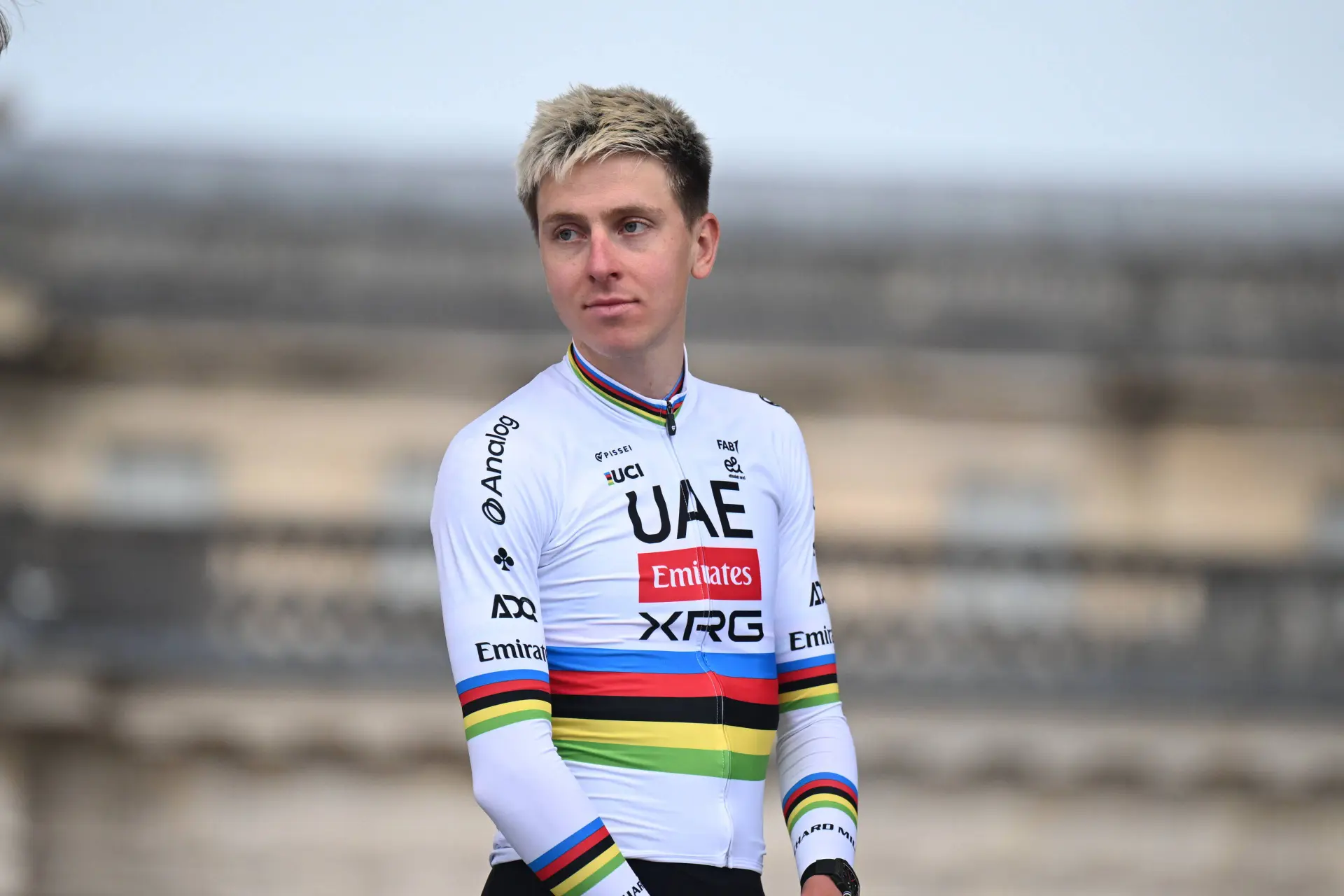
Ares also places the UAE leader’s ambition in a broader frame: “Pogacar is looking to bulk up that dazzling palmarès he already has, to enrich his schedule with wins in this kind of stage race.” A decision that, he explains, is part of his build-up towards bigger targets: “This year he has penciled in Romandie and the Tour de Suisse as a pathway towards the Tour de France.”
On how the race has evolved, he stresses that “times have changed, and they’ve changed because we’re witnessing a different way of preparing the season.” Even so, he does not dismiss the event’s appeal: “We have to accept what we see and enjoy the occasions when some of the big favourites cross paths to deliver beautiful battles.”
The Tour de Romandie route
As for the route, Ares underlines its toughness and variety: “The remaining stages have mountains to spare, with demanding finishes that can create gaps.” A design that, in his view, opens the door to different protagonists: “There’ll be no chance for pure sprinters, but plenty for many other teams to find their moment.”
Pogacar’s potential dominance is another key point in his analysis. While he recognizes his favourite status, he tones down the more extreme expectations: “The idea that he could win all six stages seems truly far-fetched to me.” And he adds an important nuance: “He won’t go flat out every day, nor are all the stages made for him, despite the route being very demanding.”
He also addresses the debate about the Slovenian’s possible ‘intimidation’ factor: “I don’t want to deny there’s some truth in the idea that certain teams might prefer to avoid him, but I don’t think it’s the main reason.” For Ares, the explanation is simpler: “Many teams choose other races because of the route profile or their calendar planning.”
Finally, he is clear about the current hierarchy in the peloton: “He’s such an overwhelming favourite that you can’t put anyone on his level right now.” However, he adds cycling’s unpredictable element: “Until the final finish line is crossed, no one is champion, not even Pogacar.”
Juan LarraCycling Journalist
Juan Larra is a writer for Cyclinguptodate and editor-in-chief of Ciclismoaldia, where he has played a central role since its inception. Under his leadership, the website has become a trusted source for professional cycling coverage, offering in-depth analysis, news, and feature stories.
A sports journalist with over 20 years of experience, Juan earned his degree in Journalism from the University of Seville in 2007. He began his career covering a wide range of sports—including football, basketball, Formula 1, MotoGP, tennis, and cycling—for platforms such as the official La Liga app, Vodafone and Movistar websites, NBA Blogdebasket, and Cadena Cope, honing his skills in writing and editorial management.
In addition to his work at Ciclismoaldia, Juan contributes to Cyclinguptodate and serves as editor-in-chief for the tennis-focused site Tenisaldia. Throughout his career, he has conducted exclusive interviews with cyclists and sports figures, provided detailed analysis of competitions ranging from local Spanish races to major international events, and acted as a special correspondent at prestigious races including Paris-Roubaix, the Tour de France, and the Vuelta a España.
Juan’s combination of experience, expertise, and direct access to athletes has established him—and the platforms he leads—as authoritative voices in professional cycling.
claps 1visitors 1
Just in
Popular news
Latest comments
- lol maybe a better questionmij09-10-2026
- Does Ineos?Mistermaumau09-10-2026
- ThanksMistermaumau09-10-2026
- It depends on your religion or opinion of science but if you feel he did the right thing I suggest you go complain to guys like Mohorič, Mas, etc. for reminding him not to try to copy Senna too much.Mistermaumau09-10-2026
- yeah that was poorly written, but Gulio was in the pink, and they didn’t work for him to protect the jersey. they let a group get up the road. the transfers are out of hand. what is a contract for?mij09-10-2026
- does he make it two years?mij09-10-2026
- A lot of things should not be happening but everything seems to be getting worse, not just in cycling or sport or professional surroundings. People are abandoning (common) standards in their belief they are only responsible towards themselves and have lost the ability to care, consider or understand consequences for others. If you ride , you should have noticed by now. I’m not one to stick to rules per se but when, I don’t go round aggressing or criticising others who don’t either. On the bike you constantly get hooted, harassed, insulted or nudged off by drivers who broke at least double the number of rules you did before they point yours out. That said, I haven’t seen many specifics on this case yet so I’m not going to comment specifically, for now. If anyone knows more…Mistermaumau09-10-2026
- it is crazy. is this UAE at the end of Tadej’s reign? it happens!mij09-10-2026
- Not *all* Remco's wins have been without Tadej around. Tadej has beaten Remco in 2 direct head-to-head TT encounters, but the rest, with both present, Remco has taken the crown. If we're going to state facts, let's be accurate and give Remco credit where it is due, that man is often unbeatable in a TT.anonymouscyclist09-10-2026
- For sure those two won’t be making a break as a duo :-)Mistermaumau09-10-2026
Loading
Write a comment