"Tadej Pogacar has to be worn down somehow" – Former Worlds runner-up sees opportunity for Jonas Vingegaard in European Championship road race
Cycling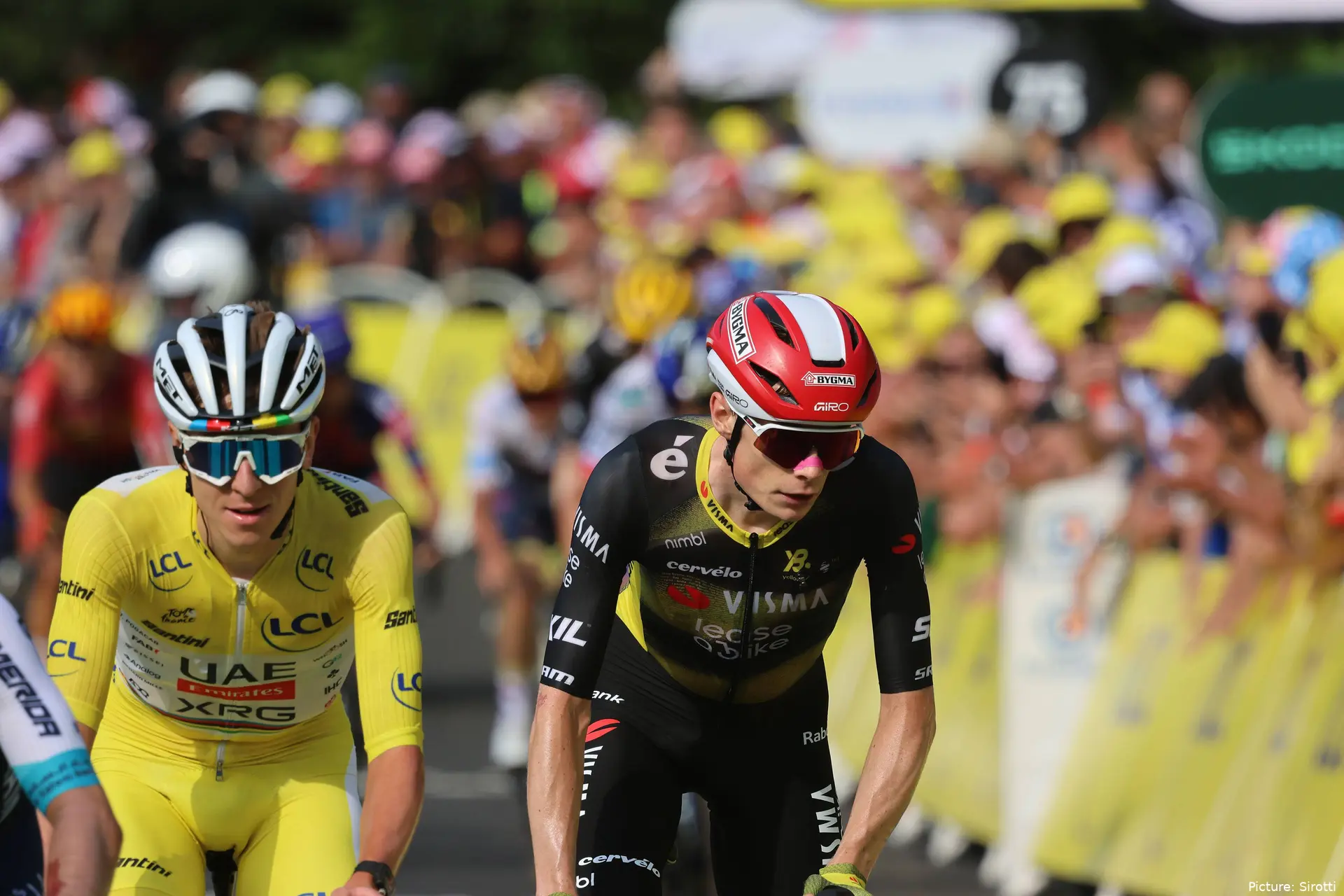
As the elite men’s European Championship road race looms this Sunday, all eyes inevitably turn to Tadej Pogacar — the reigning world champion and overwhelming favourite to add continental gold to his glittering 2025 campaign. Yet one man who knows how to beat the best believes Denmark could have the tools to do just that.
Former World Championships runner-up and Vuelta a Espana stage winner, turned Eurosport expert analyst Matti Breschel sees an opening for his countrymen Jonas Vingegaard and Mattias Skjelmose to challenge the Slovenian superstar — provided they play their cards right.
“Pogacar has to be worn down somehow,” Breschel told Eurosport in his pre-race analysis. “At a certain moment, Denmark will need to gamble everything and try to launch an attack themselves.”
Dual leadership for Denmark
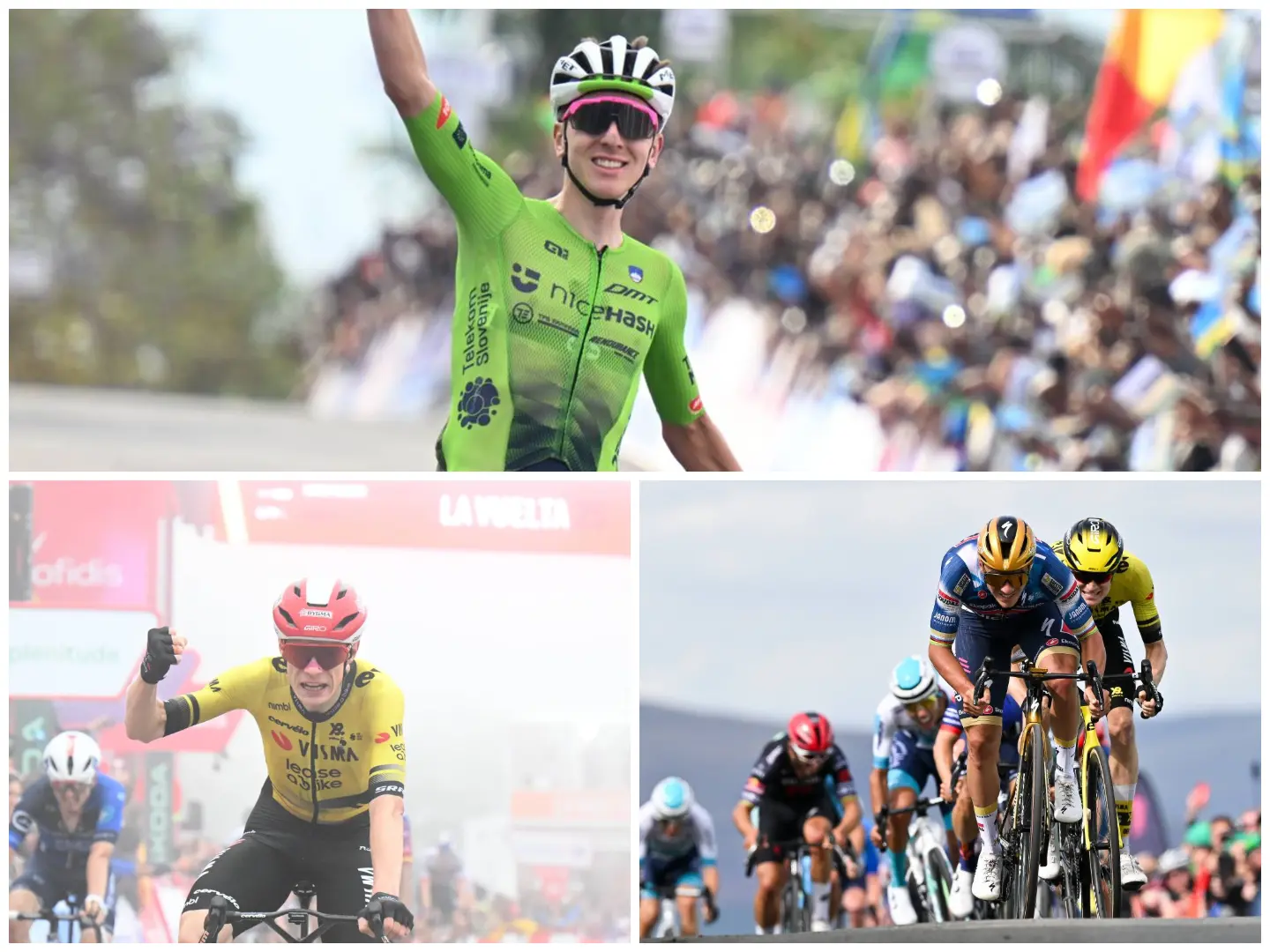
Denmark enter Sunday’s race with a formidable pairing. Vingegaard arrives fresh from his dominant Vuelta a Espana victory, reaffirming his Grand Tour pedigree, while Skjelmose — brilliant at the recent World Championships — has shown he is in top form and unafraid to take on the sport’s elite.
For Breschel, that combination gives Denmark a tactical edge few other nations can match. “I would imagine Denmark will have two captains — Skjelmose and Vingegaard — for the European road race. That’s the way to succeed,” he explained. “They should be on completely equal footing when it comes to deciding who to ride for in the finale, but they can open the race for each other along the way.”
It’s a pragmatic approach against a rider as aggressive and versatile as Pogacar. The Slovenian outfit is expected to set a brutal tempo from the very start — a style Breschel believes plays into Denmark’s hands if they can bide their time. “Pogacar has a strong team, and they’ll want to make it a hard, draining race from kilometre zero,” Breschel said. “Denmark should stay patient, and when Pogacar goes, they need to follow and hope they end up in the numerical advantage. That’s how you might get the better of him.”
The challenge ahead
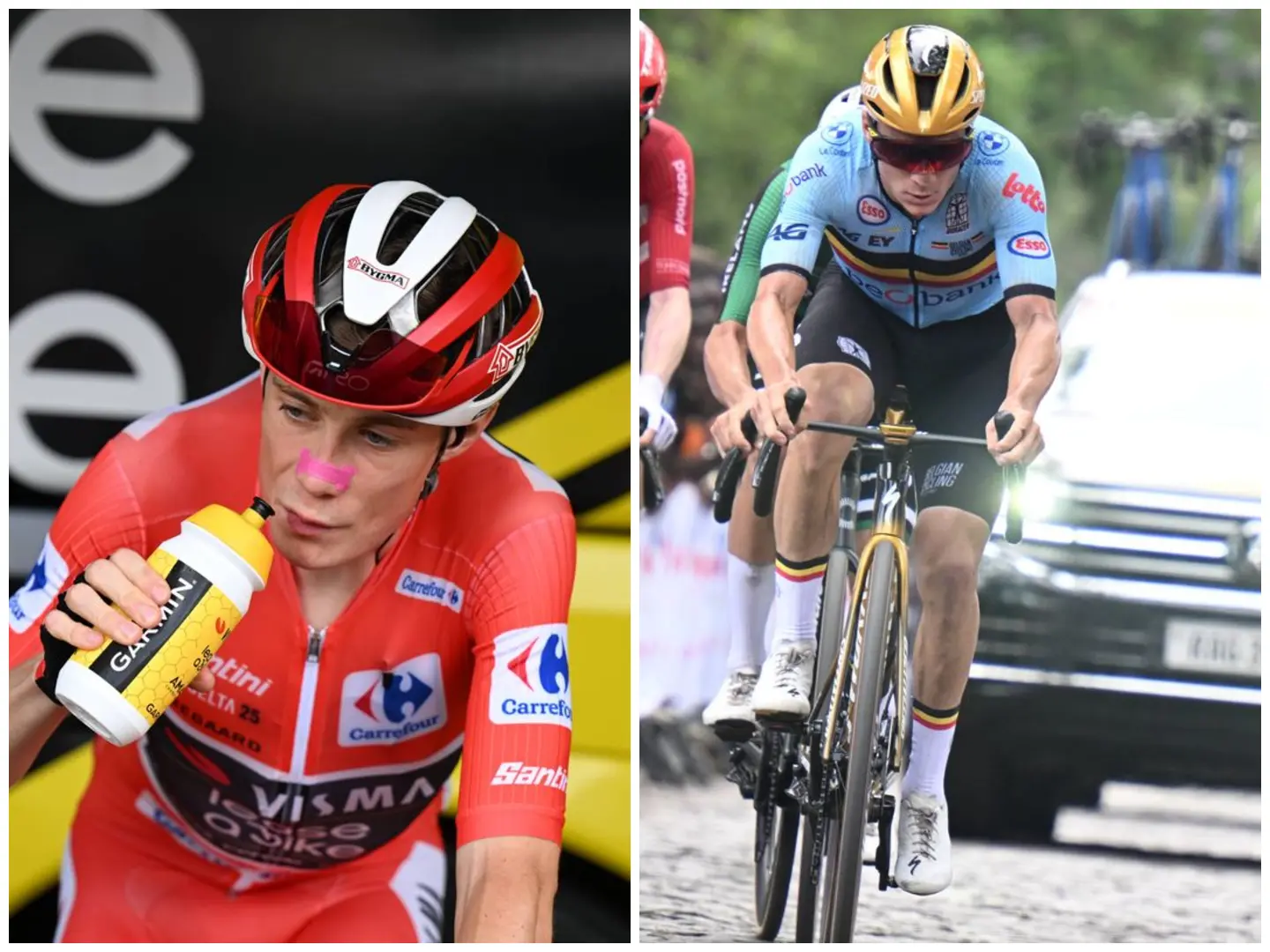
Few riders in world cycling can withstand Pogacar’s sustained aggression, but with two proven winners in their ranks, Denmark may be one of the few nations capable of doing so. Breschel believes the key lies in maintaining that dual-pronged threat. “Having two world-class riders going up against the very best — Pogacar and of course Remco Evenepoel — is a definite advantage,” he said.
Whether it’s Vingegaard’s calculated endurance or Skjelmose’s explosive racing instincts that prevail, Denmark’s hopes of European glory rest on their ability to unsettle the sport’s dominant force.
When the peloton rolls out on Sunday, the task will be simple — though anything but easy: wear down Pogacar, outmanoeuvre Evenepoel, and turn Denmark’s strength in depth into a decisive advantage.

Kieran WoodDeputy Editor-in-Chief
Kieran Wood is a sports journalist based in Wales and has been active in journalism since 2022. He regularly contributes to DartsNews.com and CyclingUpToDate.com, where he covers professional cycling and darts. In cycling, his work includes liveblogs from major races, including the Tour de France, the Giro d’Italia, and La Vuelta a España, alongside race reports and analysis. He has also conducted interviews with professional riders.
His reporting spans the full racing calendar, from one-day classics to stage races, with a focus on accurate, real-time coverage and clear contextual analysis. For statistics, results, and historical context, he regularly uses resources such as ProCyclingStats. To support reporting on rider activity and training context where relevant, he also references Strava.
In his work, Kieran places strong emphasis on careful sourcing, editorial accuracy, and updating articles as new, verified information becomes available.
claps 5visitors 1
Just in
Popular news
Latest comments
- Seixas is probably second best in the World on short climbs. But that hasn't translated as well to long climbs
 Rafionain-Glas18-10-2026
 - Idiotic fellaRafionain-Glas18-10-2026
- Nothing. Against Pogi nothingabstractengineer18-10-2026
- He didn't even try to sprint all outvappaxbipmv18-10-2026
- Campenaerts looked like a rolling pumpkin with that all orange leaders skinsuit !frieders318-10-2026
- He can take his dumb a$$ politics somehwere else !frieders318-10-2026
- good to have her back. fingers crossed she‘ll be able to stay!Ketterechts17-10-2026
- A tenner and he wins the Tour next year, too 😂anonymouscyclist17-10-2026
- the answer is either stick to classics or GTs but not bothabstractengineer17-10-2026
- the exodus already stared with Ciccone. Already they were struggling with two sprinters, now there are three. Also Ganna will demand leadership. Gall is the most proven GC, Ayuso has the most potential. GC leadership for everybody will be impossible. Literally a UAE style mess without pogi.abstractengineer17-10-2026
Loading
Write a comment