“She was unconscious. I was completely in shock” - New details emerge on horror of Urska Zigart’s “life-threatening” Tour de Suisse crash
Cycling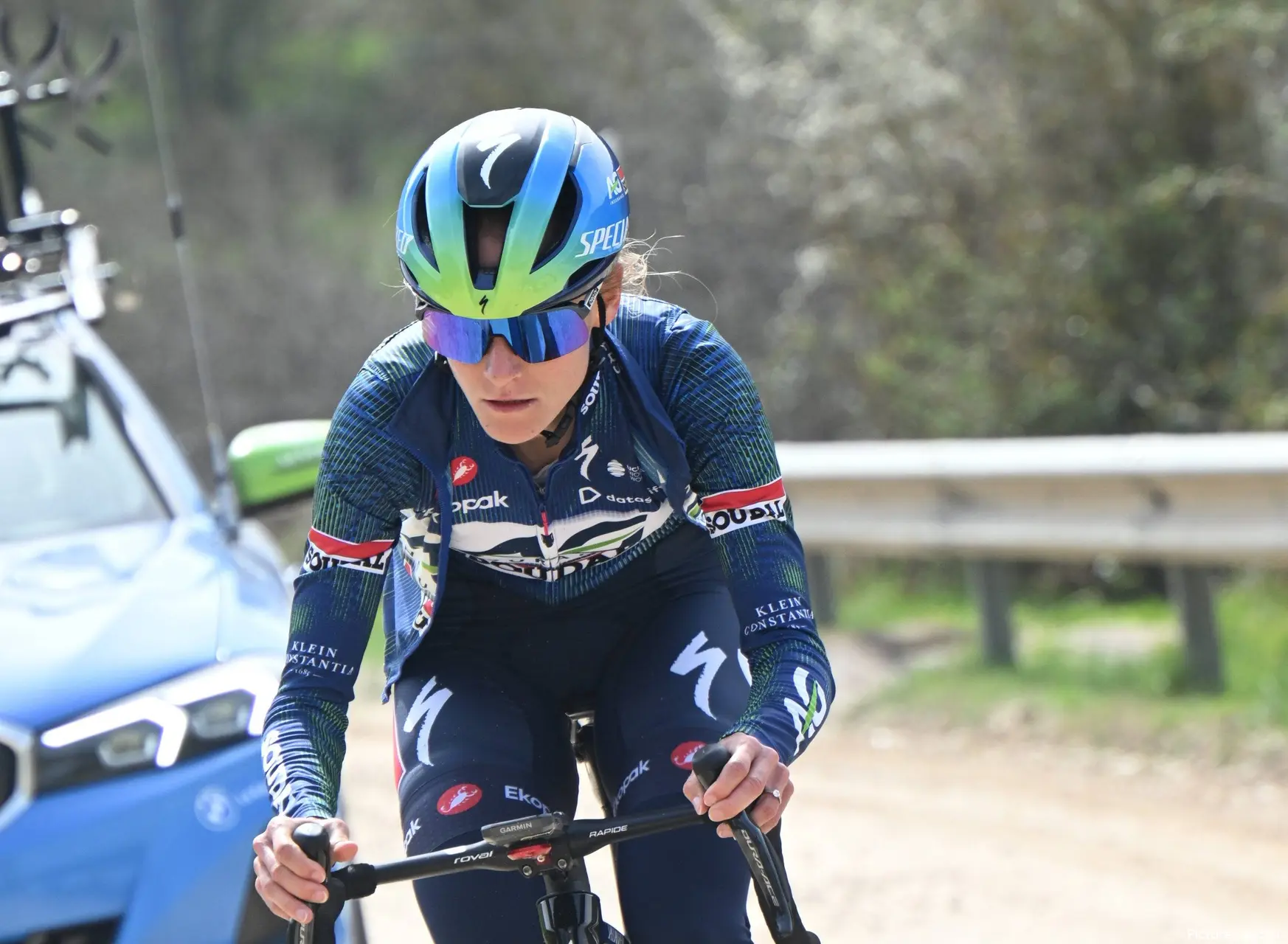
New details have emerged about the horror of Urska Zigart’s Tour de Suisse Women crash, with AG Insurance – Soudal team manager Jolien D'hoore revealing the Slovenian was unconscious when she first reached her.
Zigart suffered a fractured jaw after crashing in the final kilometre of stage 2 last month. The incident left her in hospital and disrupted her build-up to the Tour de France Femmes. D'hoore, who was among the first to reach her, gave the update on Vive le Velo.
“The crash did not look good,” D'hoore said. “I was the first to get to her and she was unconscious."
"I had to step away, because it was the first time I had seen something like that," he continued his recollection. "I was completely in shock. The scene was very unpleasant.”
“Several riders were literally thrown into the air”
The crash came just before the red flag marking the final kilometre, where a speed bump caused chaos in the bunch. D'hoore said the team had warned riders over the radio, but the peloton reached the obstacle at around 60km/h.
“It was unbelievable. On the footage, we saw that several riders were literally thrown into the air,” said D'hoore. “We also warned about the danger over the radio, but in vain. When you approach an obstacle like that at around 60 kilometres per hour, it is simply life-threatening.”
Zigart hit the road heavily and was later diagnosed with a fractured jaw. Her team has since confirmed that surgery will not be required, though the effects of the crash are still shaping her preparation weeks later.
Zigart training again but still unable to eat solid food
Although Zigart has returned to the bike and is currently training at altitude, her recovery remains complicated. According to the latest update, the AG Insurance – Soudal rider is still unable to eat solid food and has to take meals in liquid or mashed form.
“She is training, but she still has to eat food in pudding form,” said D'hoore. “That is obviously not ideal, but physically she otherwise feels good. Now we have to wait and see whether she will be ready to race.”

The Tour de France Femmes begins on August 1 with a Lausanne-Lausanne opening stage, followed by stage 2 from Aigle to Geneva. Zigart is taking part in preparations, but her place on the start line remains uncertain. “She is taking part in all the preparation for the Tour, but we still have to work out whether it will even be possible for her to race,” D'hoore said.
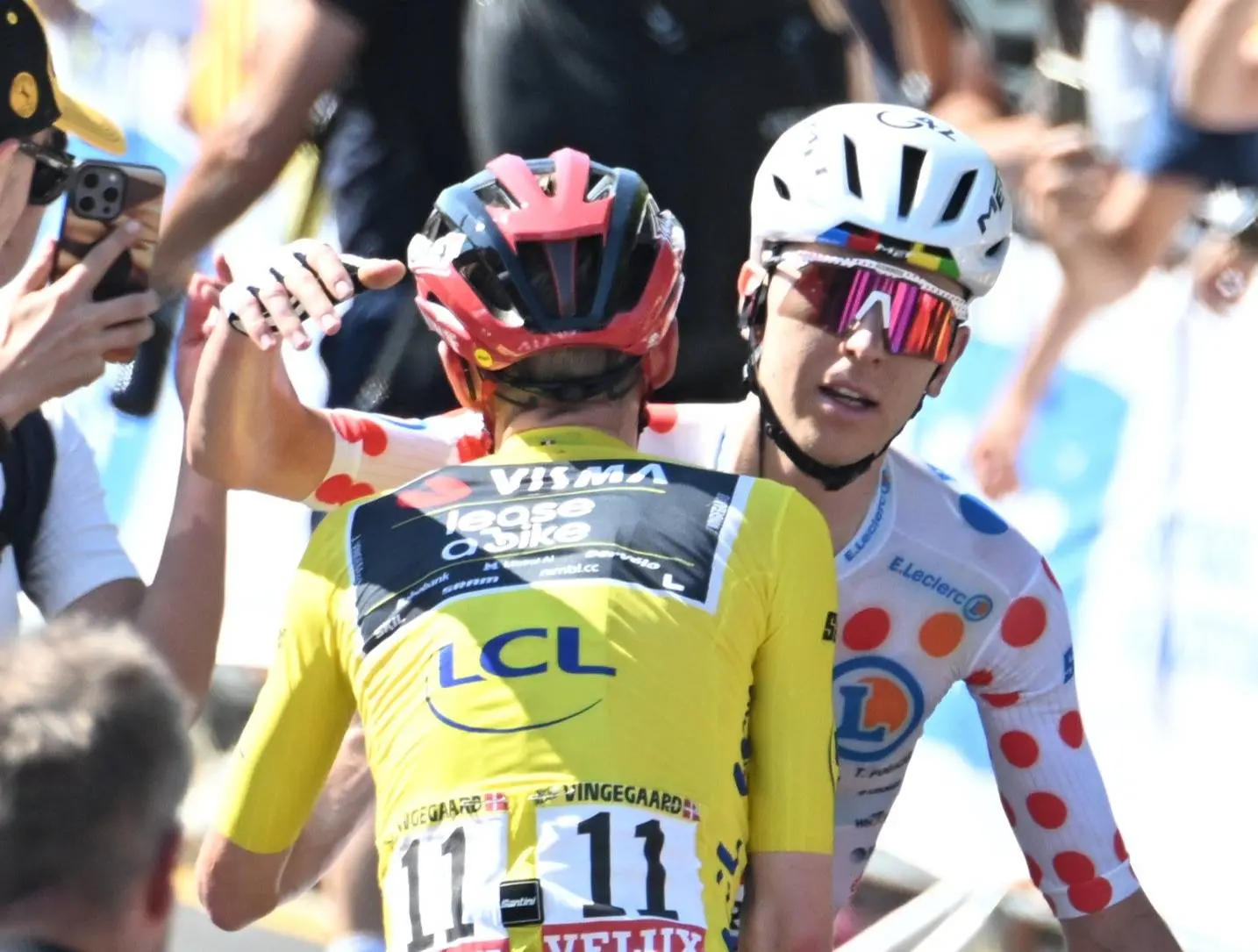
Zigart’s recovery update has arrived while Tadej Pogacar, her partner, leads the men’s Tour de France after the opening eight stages. Before his race began, Zigart had sent him a personal message asking him to “most importantly stay safe.” After D'hoore’s account of the crash in Switzerland, those words carry a sharper edge.

Kieran WoodDeputy Editor-in-Chief
Kieran Wood is a sports journalist based in Wales and has been active in journalism since 2022. He regularly contributes to DartsNews.com and CyclingUpToDate.com, where he covers professional cycling and darts. In cycling, his work includes liveblogs from major races, including the Tour de France, the Giro d’Italia, and La Vuelta a España, alongside race reports and analysis. He has also conducted interviews with professional riders.
His reporting spans the full racing calendar, from one-day classics to stage races, with a focus on accurate, real-time coverage and clear contextual analysis. For statistics, results, and historical context, he regularly uses resources such as ProCyclingStats. To support reporting on rider activity and training context where relevant, he also references Strava.
In his work, Kieran places strong emphasis on careful sourcing, editorial accuracy, and updating articles as new, verified information becomes available.
claps 3visitors 1
Just in

Popular news
Latest comments
- EF makes some pretty good signings. Tao and Sosa could be decent replacements for Carapazmij22-10-2026
- gravel is such a great discipline. I hope it gets bigger from a media standpoint. looking at old Tour de France stages, they were basically gravel before it was called gravelmij22-10-2026
- This is good for the sport ? Spreading of talent around the peloton.
 Davide22-10-2026
 - Im all in with you Wally. Good Luck.Davide22-10-2026
- No it’s not, what utter drivel. How do you know he wasn’t presented the option to stay with a renegotiated contract. I’m sure if he’d not gotten a better deal elsewhere he would even have considered accepting. It’s not like they would have told him to ride for free like Cavendish had to.Jumpyjohn21-10-2026
- It’s been a long time since any real Special accomplishments.Jumpyjohn21-10-2026
- It's nice to know that (some of) this article is not AI generated... igneous is autocorrected Ineos
 Rafionain-Glas21-10-2026
 - What are they doing nobody knows.abstractengineer21-10-2026
- Well JV, thats the text book definition of forced🤣🤦abstractengineer21-10-2026
- Sivakov was like the 5th best rider in the team, maybe not even that. He dropped before the other, he was not the final man. Besides when you got a leader who is attacking from 50-100k out , you dont really need a entire team, let alone Sivakovabstractengineer21-10-2026
Loading

Tour de Suisse 2026 kadınlar yarışında bugünkü 2. etapta son km'nin hemen altında Urska Zigart, hız tümseğinden geçerken dengesini kaybedip yerde kaldı ve hastaneye kaldırıldı. 📽️ @Ticinonline instagram #tdf2026
Write a comment