Scheldeprijs 2026 preview, profiles, favourites & predictions - Philipsen and Groenewegen headline, but can Merlier challenge already?
Cycling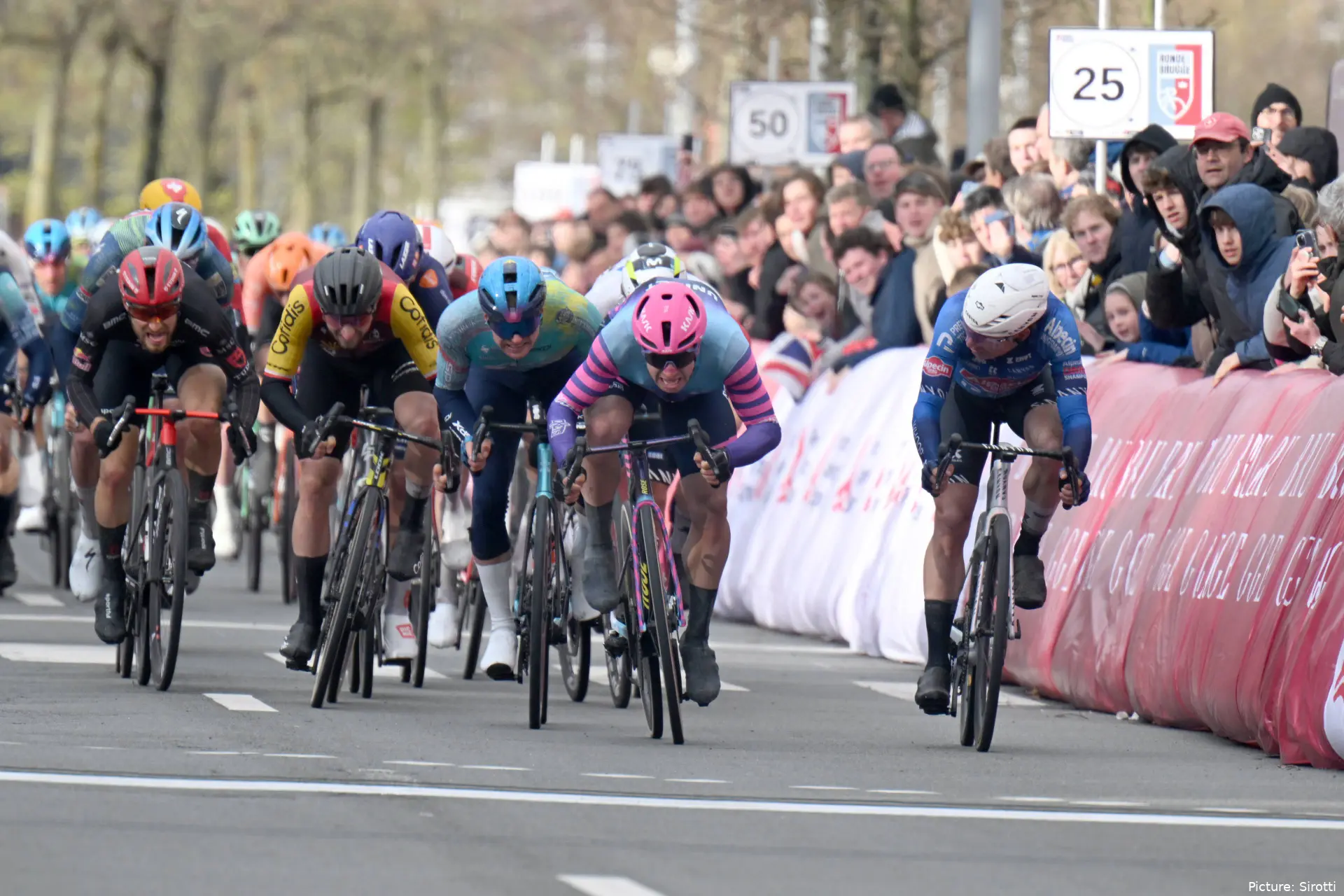
On the 8th of April 2026, the peloton will take on one of the most important sprinter races of the year: the Scheldeprijs. Placed right in the heart of the spring classics, between the Tour of Flanders and Paris-Roubaix, the Belgian classic provides a perfect opportunity for the sprinters to succeed. We preview the race ahead, which is estimated to start and finish at 12:10 and 16:15CET.
The race was created all the way back in 1907 and is one of the oldest events in professional cycling, one that was also only interrupted during World War 1. Maurice Leturgie took the victory on the first edition but it was only in 1953 that a non-Belgian would raise his arms once again in the semi-classic. Rik van Looy, Roger de Vlaeminck, Eddy Merckx and Adrie van der Poel all won this race back when it was less guided towards a sprint finish - but currently, the speeds are so high that this is hard to ever be avoided.
Mario Cippolini, Erik Zabel, Robbie McEwen, Tom Boonen, Alessandro Petacchi, Mark Cavendish and Marcel Kittel (notably five times) were all generation-defining sprinters who have signed their name on the race's palmarès through the most recent decades. But there isn't a single year where the winner isn't a high-level rider.
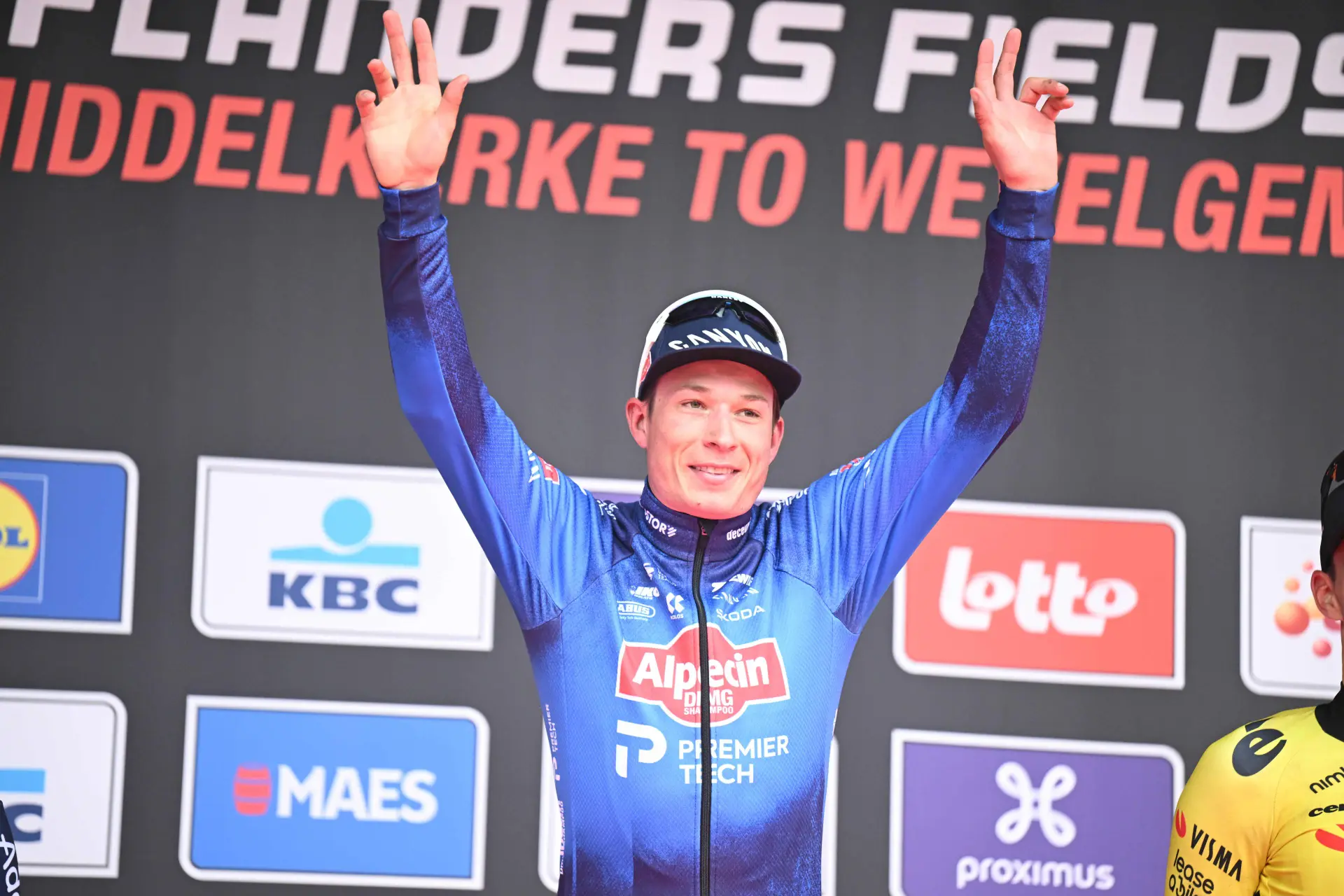
This decade alone we've had Caleb Ewan, Jasper Philipsen, Alexander Kristoff and in the previous two editions, Tim Merlier take the victories. In 2025, Merlier outsprinted Jasper Philipsen for a second time in a row to take a sprint win.
Read also
Profile: Terneuzen - Schoten

Terneuzen - Schoten, 205 kilometers
The race consists of a pan-flat 2025-kilometer long route starting in the Netherlands and finishing in Belgium. A race where the winds often make a difference, but also one where the classics specialists and rouleurs have chances to attack.
Whilst they can't be compared to the cobbles of Paris-Roubaix, this is a race that features a final circuit with a cobbled sector that has to be taken into the consideration: The 1.7-kilometer long Broekstraat. The last time the riders tackle it ends with a mere 6.5 kilometers to go.
This means we may see dangerous attacks near the finale, but also from afar to make the race more difficult. This means also that the sprinters who intend on fighting for the win can't only depend on that pure sprint power - although that is inevitably key to fight for the victory.
Prediction Scheldeprijs 2026:
Read also
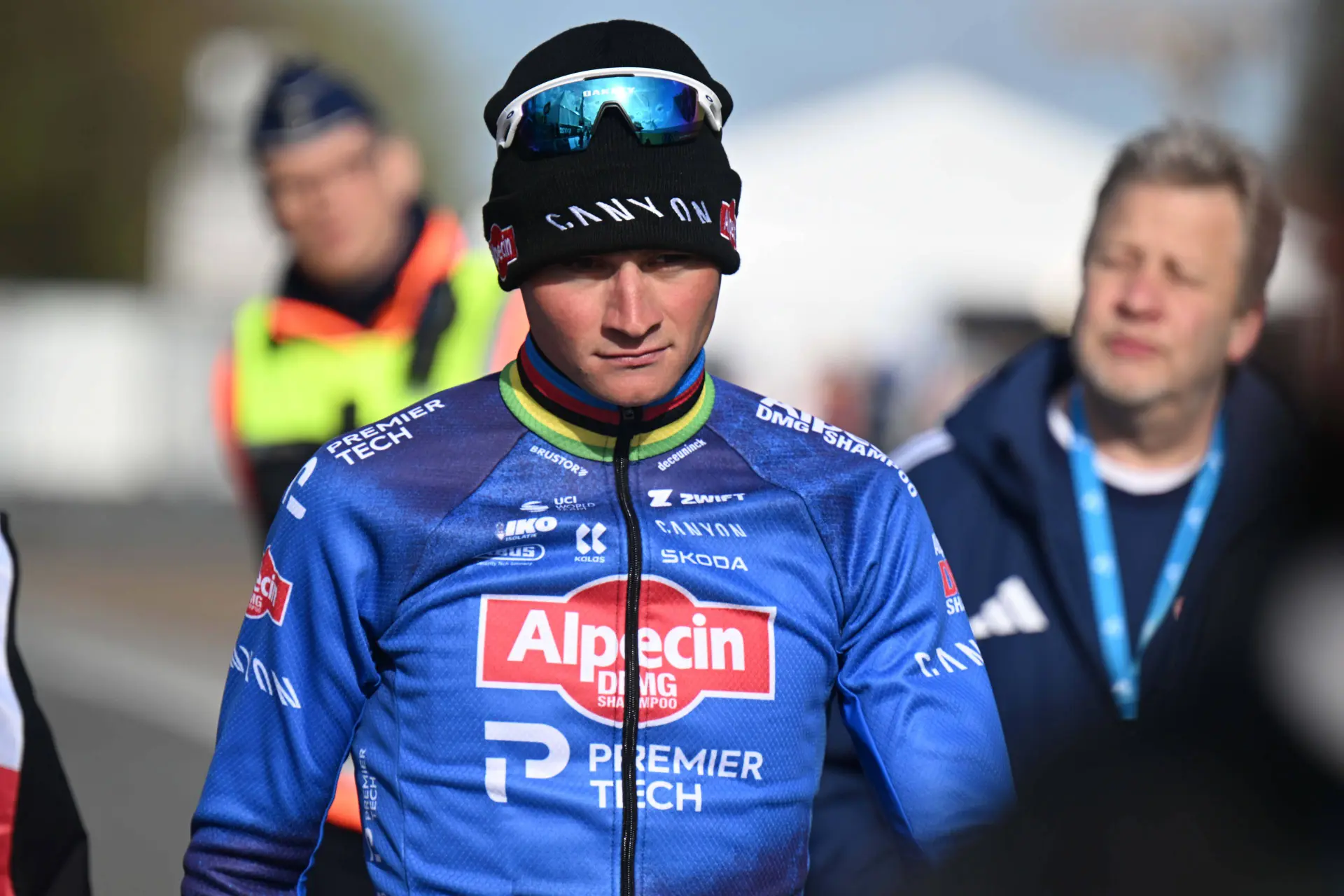
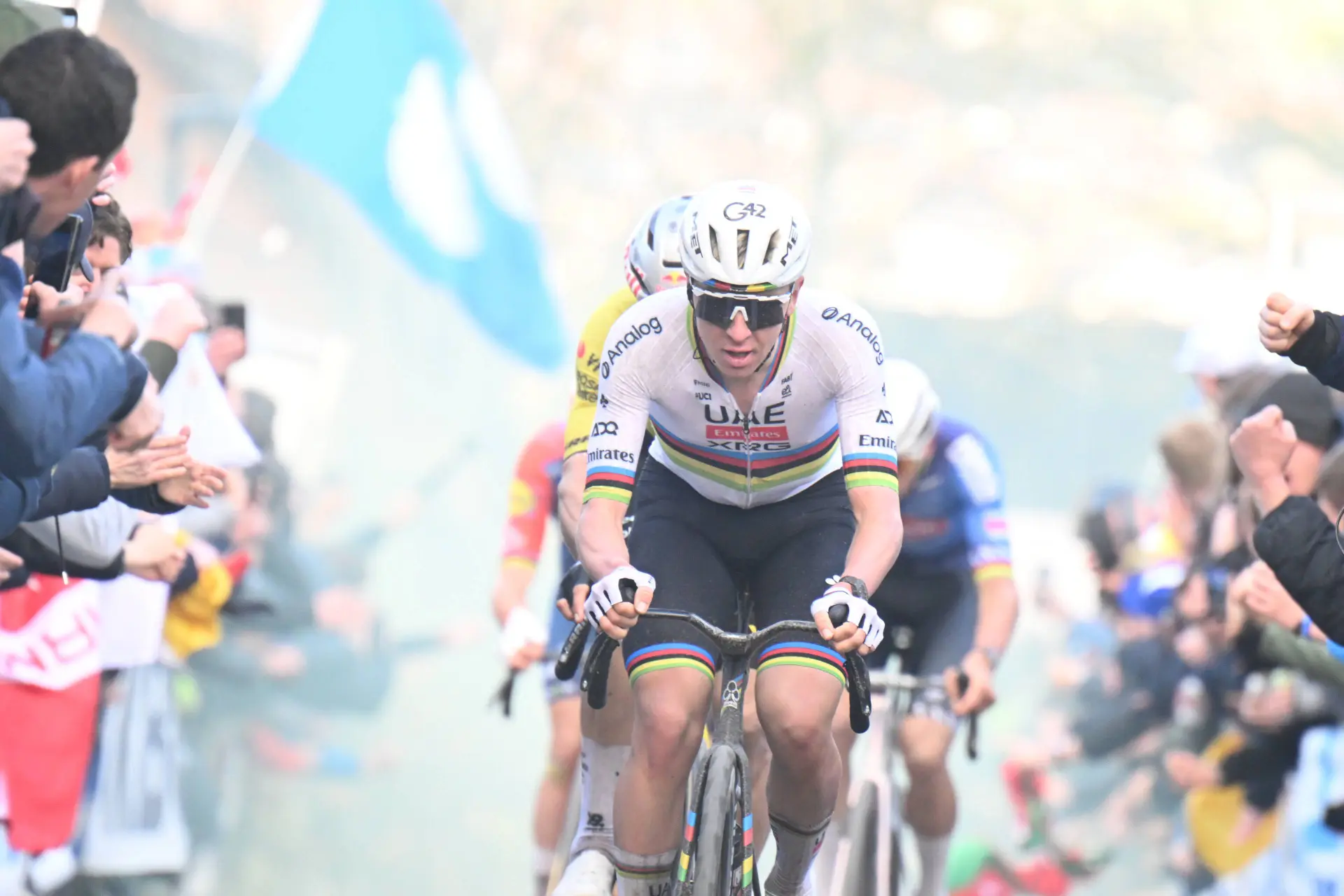
*** Dylan Groenewegen, Jasper Philipsen, Jordi Meeus
** Matteo Moschetti, Milan Fretin, Pavel Bittner, Tim Merlier
* Emilien Jeannière, Tim Torn Teutenberg, Dusan Rajovic, Maikel Zijlaard, Phil Bauhaus, Hugo Hofstetter, Pascal Ackermann, Luka Mezgec, Timothy Dupont, Danny van Poppel
Pick: Jasper Philipsen
How: Regular bunch sprint.
Original: Rúben Silva
Rúben SilvaEditor-in-Chief
A founding contributor to CyclingUpToDate since its launch in January 2022, Ruben Silva has played a central role in shaping the site’s editorial direction and long-term growth. Before joining the project, he built his experience through independent blogging at Echelons Hub and by producing race previews for Ciclismo Internacional, developing a strong analytical voice rooted in daily engagement with professional cycling.
Beyond editorial work, he has been closely involved in the expansion and coordination of CyclingUpToDate’s wider network, helping establish and support sister platforms across multiple languages. This includes ongoing collaboration with CiclismoAlDia (Spanish), CiclismoAtual (Portuguese), WielrennenUpToDate (Dutch), and RadsportAktuell (German), contributing to a shared editorial vision and consistent international coverage.
He also helps oversee editorial governance across the network, setting standards for accuracy and consistency and coordinating updates or corrections when needed.
Originally from the Porto metropolitan area in Portugal, he holds a bachelor’s degree in Geography. His path into cycling journalism was shaped not through formal media training, but through independent reporting, community engagement, and sustained on-the-ground involvement in the sport.
Over the course of his career, he has conducted approximately 100 interviews across road cycling and cyclocross, ranging from one-to-one conversations and online formats to press conferences and on-site pre- and post-race coverage. His interviews include leading riders, team managers, and prominent figures within cycling media: Tadej Pogacar, Jonas Vingegaard, Mathieu van der Poel, Primoz Roglic, Wout van Aert, Joao Almeida and Tom Pidcock; managers like Patrick Lefevere and Joxean Matxin; and YouTube personality Bryan Kennedy (BKXC)...
Within 18 months of launch, he helped grow CyclingUpToDate’s English-language platform into one of the most-read cycling news websites, built entirely from the ground up. As both a professional journalist and lifelong cycling enthusiast, his focus remains on delivering accurate, timely, and well-contextualized coverage.
claps 0visitors 0
Just in

Popular news
Latest comments
- Man, I'm really looking forward to next season. Seeing these new line-ups, it's going to be VERY interesting.wrsty23-10-2026
- This Remco-friendly (and Seixas-friendly?) route was almost certainly designed to reduce Pog's dominance. But as Prudhomme has said straight out, now he thinks Pog's accident will have reduced his dominance anyway.Hills3323-10-2026
- We also don't know how much Pog was really putting into gaining time. Feels like watching Usain Bolt, where you can only wonder how much faster he'd have gone if he was sprinting 100% to the line, instead of being two feet ahead and starting to pull up with ten yards to go. If any of the other riders really started to close in on Pog, I do think he'd simply have gone even deeper and crushed them. I would really like that kind of race though, none of this "4 minutes lead by the first rest day" trouncing. So if introducing more TT and less summit finish makes the race go more to the wire, I'm all for that. I don't think it'll change the outcome necessarily, but it'll make the whole thing less of a foregone conclusion by week 2.wrsty23-10-2026
- That nearly is 7 mins and you win GTs comfortably by 2 mins. Remco fans - he almost won the TDF, He beat Pogi twice in the mountains this year.abstractengineer23-10-2026
- What would be your preferred Tour design then? Just out of interestwrsty23-10-2026
- I like Remco but even I'll admit he didn't get anywhere close to Pogacar, just like everyone else.megasmacky23-10-2026
- That's what y'all said this year, "remco will come fifth"bruins3022-10-2026
- That used to be the norm, 100 kms of TTs. Now look at the '87 route...acem8222-10-2026
- Well, crashes can happen, so it's not impossible...acem8222-10-2026
- that would be kinda cool. there is a lot of untapped potential. which I'm sure the UCI will overlook. in order to get sock length correct.mij22-10-2026
Loading
1 Comments