“People forget what he survived last year” – Expert dismisses fears over Wout van Aert’s latest serious injury
Cycling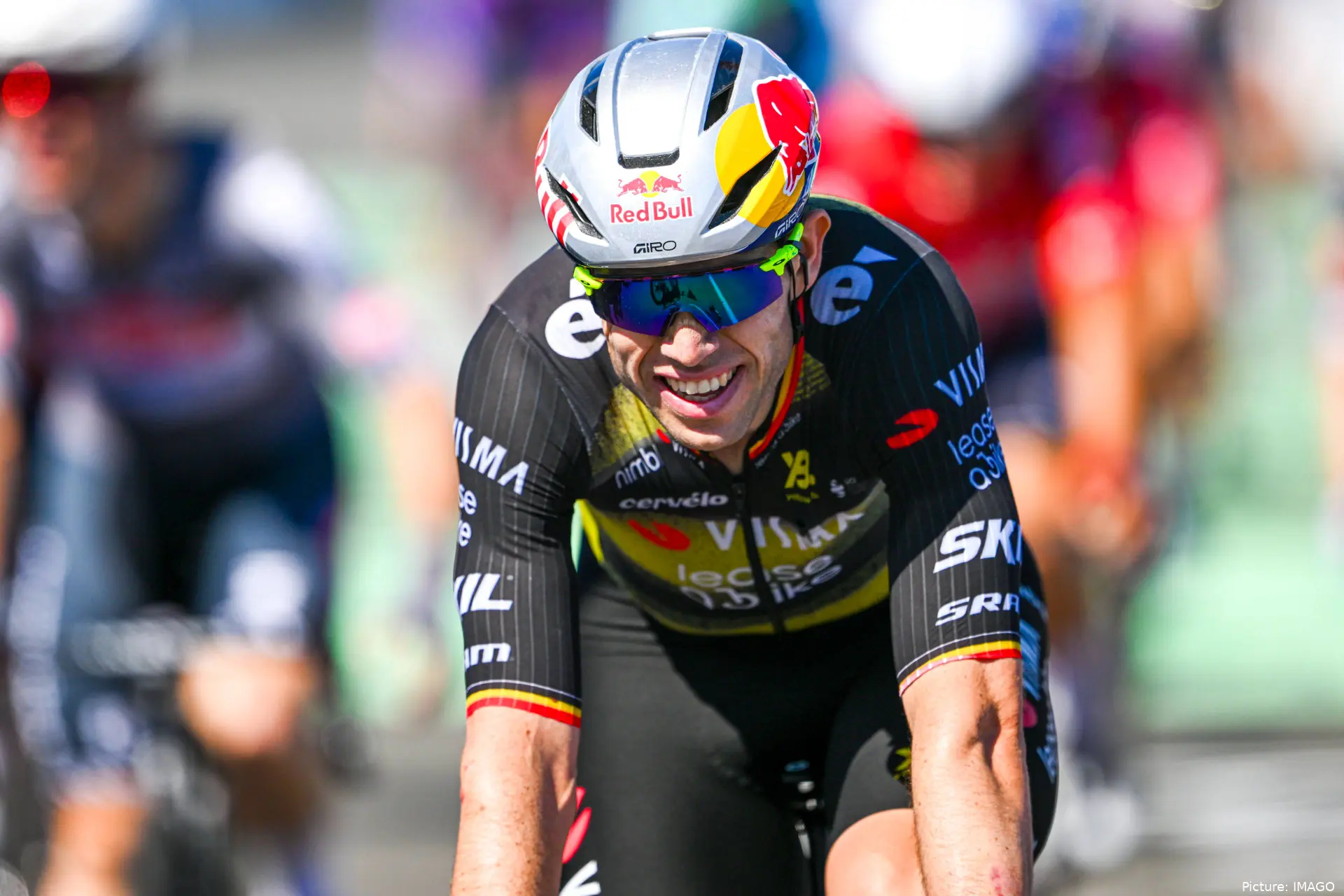
Wout van Aert’s winter has again been shaped by injury, but not everyone believes it has derailed his spring. While some fear that his broken ankle could blunt his classics ambitions, former pro Sep Vanmarcke sees it very differently.
Speaking to WielerKrant, Vanmarcke argued that recent debate around Van Aert ignores what he has already come through. “People don’t take enough account of the fact that Wout was recovering last year from his serious injury at the Vuelta,” he said. “He had to get through a winter of rehabilitation and you take that into the season.”
That context matters. Van Aert did not start 2025 on equal footing with many of his rivals, yet he still managed to win on the Champs-Élysées and play a decisive role throughout the year. For Vanmarcke, that alone changes how his latest setback should be viewed. “He is a hard worker,” he added.
The ankle fracture that ended his cross-winter has led to familiar doubts. Some have suggested Van Aert now only wins when others are already exhausted, like in Paris at the end of the Tour. Vanmarcke does not buy that narrative. “He has the talent to come out more when the rest get tired. In principle he has the qualities not to have to wait until the rest are tired.”
Read also
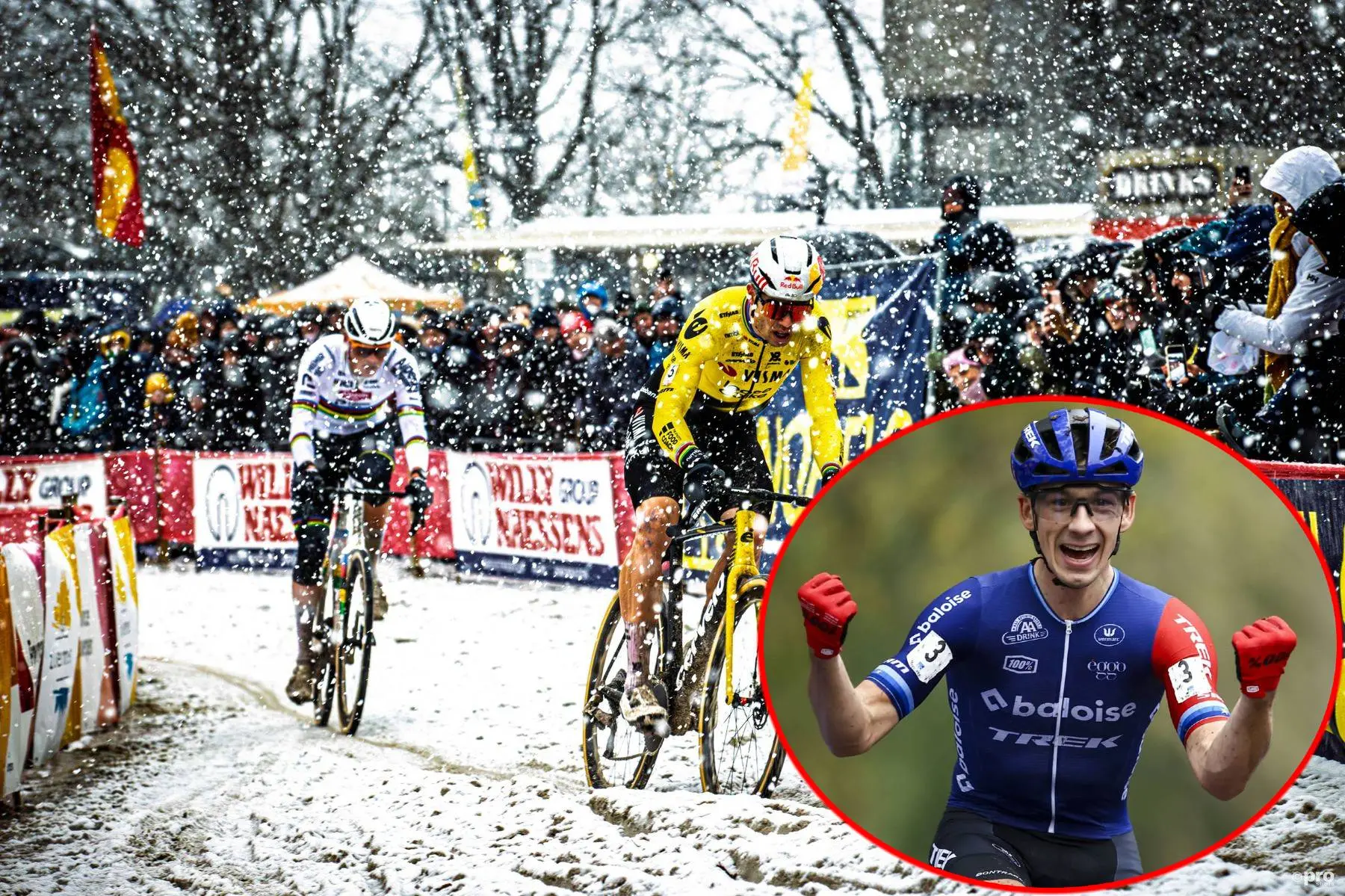
Why this injury is not a disaster
Vanmarcke accepts the ankle break is a setback, but he is clear about its scale. “Now he has of course suffered an ankle fracture. That is a small setback, but it was a period of ten days without cycling and he was quickly back doing a training ride of more than a hundred kilometres.”
To him, that is not fundamentally different from a short illness. “That is comparable to a rider who gets sick once. I do not think this will be decisive for his spring.”
The reason lies in what came before it. Van Aert had already completed a full training block from November to December and built race intensity in cyclocross. Then came ten days off. “His body has to recover from that ankle fracture, but just as well his body can refresh and recharge for the next work,” Vanmarcke said. “In my opinion, his spring does not look worse because of it.”
This fits closely with what has come out of the Visma camp. Team staff have already said that Van Aert was back on the bike just three days after surgery and quickly building long training days again. The message has been consistent. He has lost time, but not his season.
Not starting from zero
One reason this debate keeps returning is Van Aert’s recent history. His career has been shaped by comebacks as much as by victories. The heavy crash at the Vuelta, the long rehabilitation, and then a return that still produced wins at the highest level have changed how his seasons should be read.
Vanmarcke’s argument is that this resilience is being forgotten. “People forget what he survived last year,” he said. That is why he believes the best version of Van Aert can still appear. “I certainly believe he can be there at the front in the classics and be at his best if he has a good winter.”
The ankle fracture interrupted that winter, but did not erase it. Ten days without riding does not wipe out months of work. If anything, as Vanmarcke suggests, it may even leave him fresher for what comes next.
For Van Aert, 2026 was always meant to be about resetting after years of disruption. Whether this winter injury proves to be just another obstacle he rides through will become clear in the spring. But if history is any guide, writing him off early has rarely ended well.

Kieran WoodDeputy Editor-in-Chief
Kieran Wood is a sports journalist based in Wales and has been active in journalism since 2022. He regularly contributes to DartsNews.com and CyclingUpToDate.com, where he covers professional cycling and darts. In cycling, his work includes liveblogs from major races, including the Tour de France, the Giro d’Italia, and La Vuelta a España, alongside race reports and analysis. He has also conducted interviews with professional riders.
His reporting spans the full racing calendar, from one-day classics to stage races, with a focus on accurate, real-time coverage and clear contextual analysis. For statistics, results, and historical context, he regularly uses resources such as ProCyclingStats. To support reporting on rider activity and training context where relevant, he also references Strava.
In his work, Kieran places strong emphasis on careful sourcing, editorial accuracy, and updating articles as new, verified information becomes available.
claps 1visitors 1
Just in

Popular news
Latest comments
- Seixas is exactly what I would like Pogi to be mentally and in his statements. Both come across as shy and who don't talk much but with Seixas, you can see that he enjoys success, that it boosts his ego, unlike Pogačar who seems to feel increasingly uncomfortable the more he wins. He's won so many times, people are saying he's boring. The french media hate him for winning so much, the french cycling fans are booing him... etc. etc. But remember one thing, Seixas will never physically reach Pogi's level. He's excellent, but he isn't at that level nor will ever be. His talking to the media, his relationship with people is already at a high level.PogiSloFans13-10-2026
- Paul Seixas is now the second-best rider in the world.megasmacky13-10-2026
- When will they start dropping Pogi? Oh yeah, when Pogi reaches 40+ years, that's when young cyclists will start dropping him. But until then... eat your hearts out and cry. Pogi will remain the G.O.A.T. for years to come. Capish?PogiSloFans13-10-2026
- I figure he would have found out how to outsprint Paul and take the win, maybe. He's 28 now but I would say he's right at the peak of his powers. It was great race though, Paul showed me something different about himself.awp13-10-2026
- Slowly, very slowly... 5-7 yrs. ;)MajorPayne13-10-2026
- Up to this point: "It is just not yet at the level of Vingegaard and Pogacar." First Jonas, and then level of Tadej. Period!MajorPayne13-10-2026
- The sport has long had a divide between the more diesel-like riders and the more explosive riders. Where does Pogačar fit? His explosive attacks are followed by a high speed diesel climb and he's rarely been caught in the past 5 years (people can name the moments, it's so rare). Seixas is young and we have no idea where his body will end up on this spectrum (just like we didn't with Pogačar when he was 20 and being a diesel up the Vuelta mountains of 2019). Speculation is fun, being a fan while it unfolds is going to be more fun.RidesHills13-10-2026
- yeah it'll be an epoch shift when Pog can't drop people, and/or when they start dropping him.wrsty13-10-2026
- Yes, he won't ride away yet, but he will and that day will be notable
 leedorney13-10-2026
 - Expect the young French rider to slowly asphyxiate the Slovenian into retirement.
 Front24213-10-2026
Loading
Write a comment