"No, the ambition is still just as important" - Paul Seixas refuses to lower Tour de France target after crash scare and Decathlon reshuffle
Cycling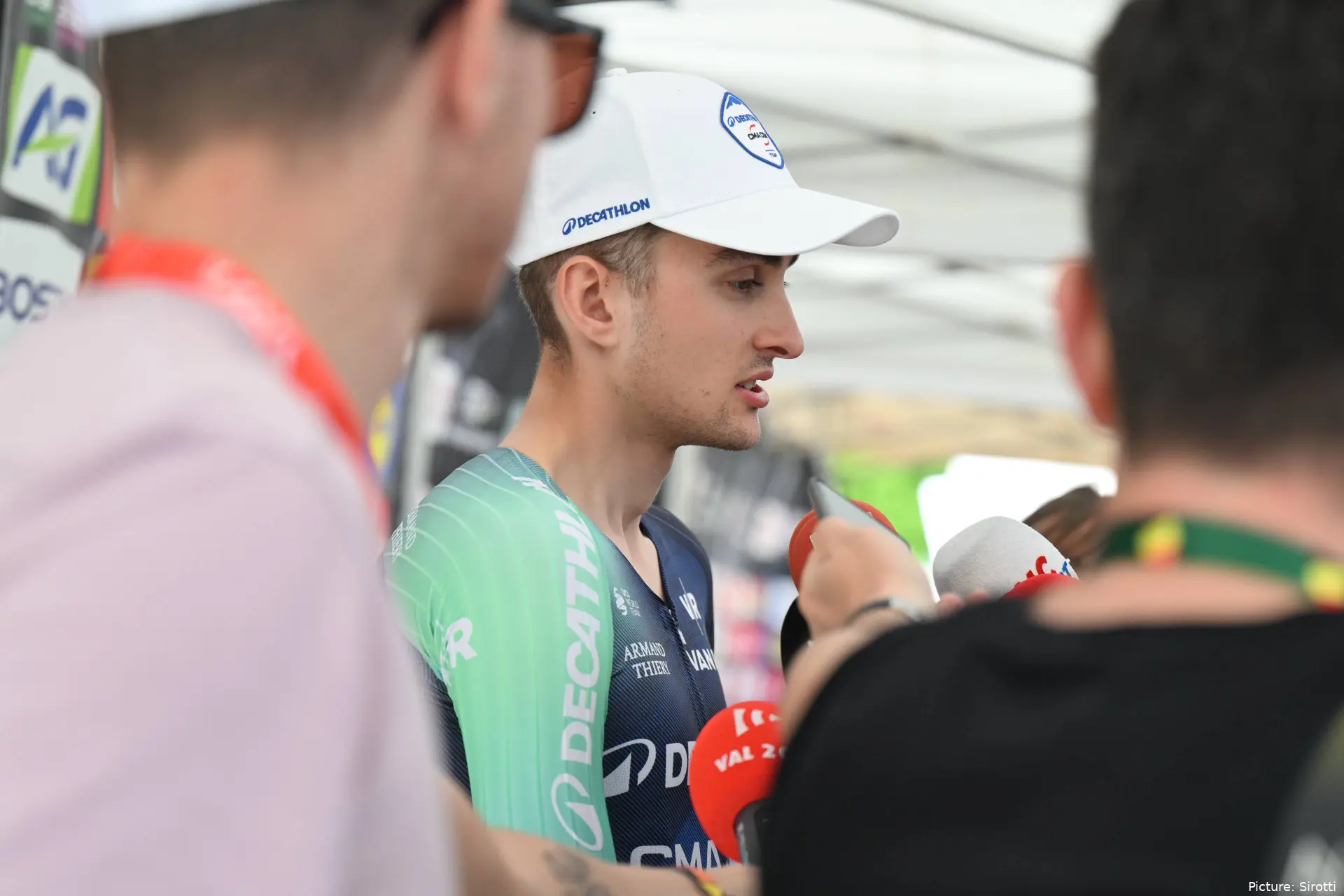
Paul Seixas has spent the final days before his Tour de France debut answering questions about more than form. The 19-year-old Decathlon CMA CGM Team leader has also had to calm nerves around his knee, his recovery and whether a reshuffled squad points to a quieter approach in his first three-week race.
His answer, three days before the Grand Depart in Barcelona, was blunt enough. The crash at the Tour Auvergne-Rhone-Alpes hurt, disrupted his final build-up and briefly left him fearing a more serious problem. It has not changed what he wants from July.
“Don’t worry, everything is fine, I’m really in great shape,” Seixas told L’Equipe, offering the reassurance Decathlon and French fans wanted before Saturday’s opening team time trial.
“I was more worried about my knee”
Seixas crashed heavily on the road to the Grand Colombier in mid-June, fought through the rest of the stage, then abandoned the following day. With the Tour so close, the sight of Decathlon’s teenage GC project hitting the deck was always going to carry more weight than an ordinary pre-Tour fall.
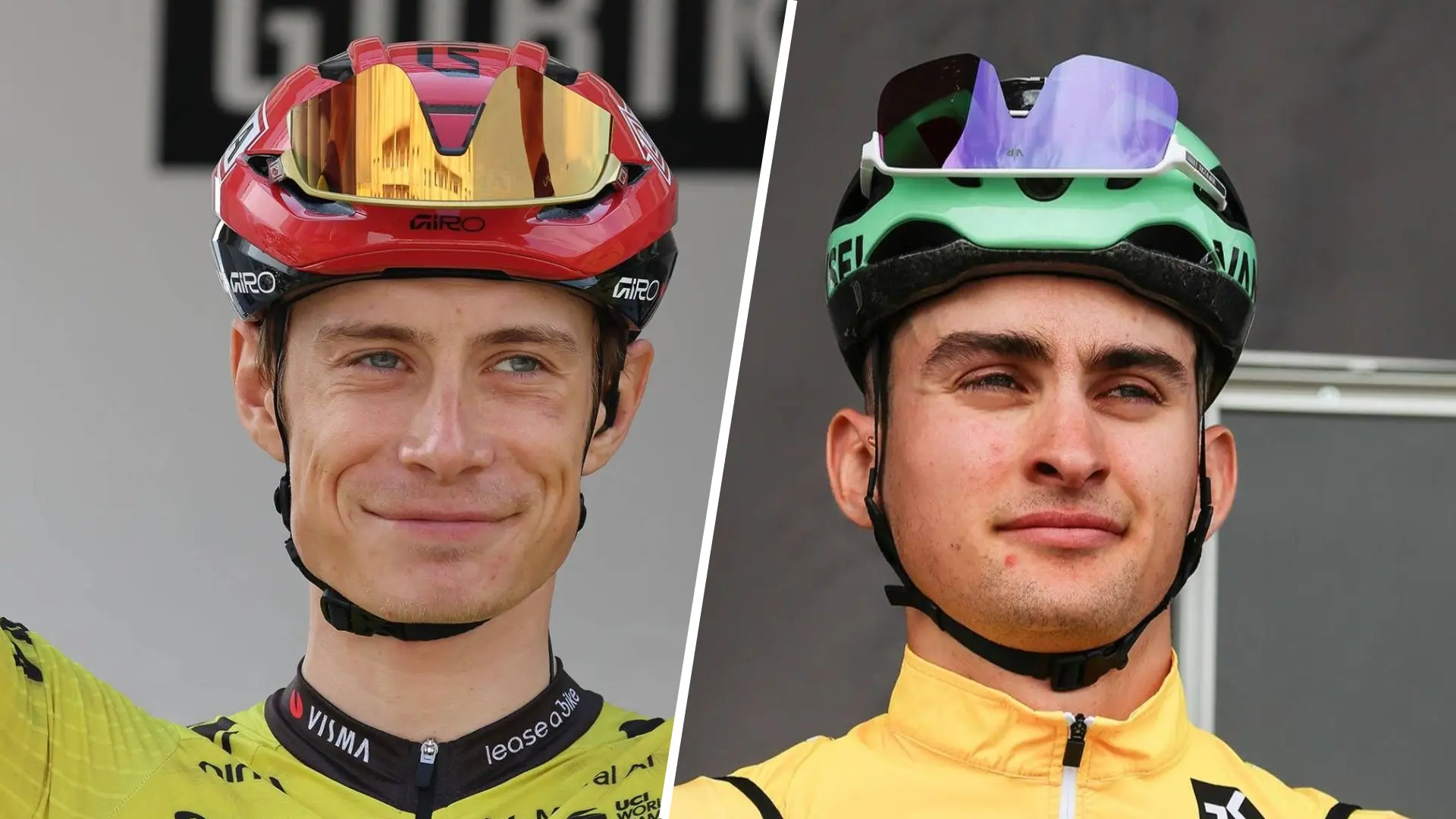
The first fear, Seixas explained, was not the crash itself. “I immediately saw that the wounds were superficial, I didn’t think any further than the crash,” he said. “Afterwards, though, I was more worried about my knee. But an MRI quickly reassured me, there was only a big oedema, nothing broken.”
The aftermath still cost him time. Seixas had expected the wounds to clear quickly, only for the recovery to drag into the following week and interrupt the rhythm of his Tour preparation. “Even so, in the following days, when I saw my wounds, I thought it would take two or three days to clear up, but it took longer...” he continued. “It was complicated not being able to get back on the bike the following week. It was a small disappointment, I was a little scared at that point. There was treatment every day, it was a bit difficult to deal with.”
Since then, Seixas has completed an altitude top-up in the Alps, around the Col du Lautaret, with repeated work on climbs that will return late in the Tour. For a rider making his Tour debut at 19, that final block was less a luxury than a necessity.
“The ambition is still just as important”
Decathlon’s final selection added another question to the build-up. Olav Kooij and Cees Bol were brought into the Tour squad, giving the team a clear sprint route alongside Seixas’ general classification project. For some observers, that raised the possibility of Decathlon softening the expectation around their young French leader.
Seixas pushed back immediately. “No, the ambition is still just as important,” he said. “The goal is to achieve the best possible general classification, to learn, to see where I stand day by day. And above all, to see how I feel over three weeks.”
Seixas is not promising a podium, nor pretending that a first Tour can be treated like another stage race. But he is still speaking in GC terms: position, progression, daily measurement and the unknown of how his body responds across 21 stages.
The first test comes quickly. Saturday’s opening team time trial in Barcelona gives Decathlon an immediate chance to protect him, and the Montjuic climbs should suit a rider with Seixas’ mix of climbing strength and power. It will also show how smoothly the team can balance two different Tour objectives from the start.
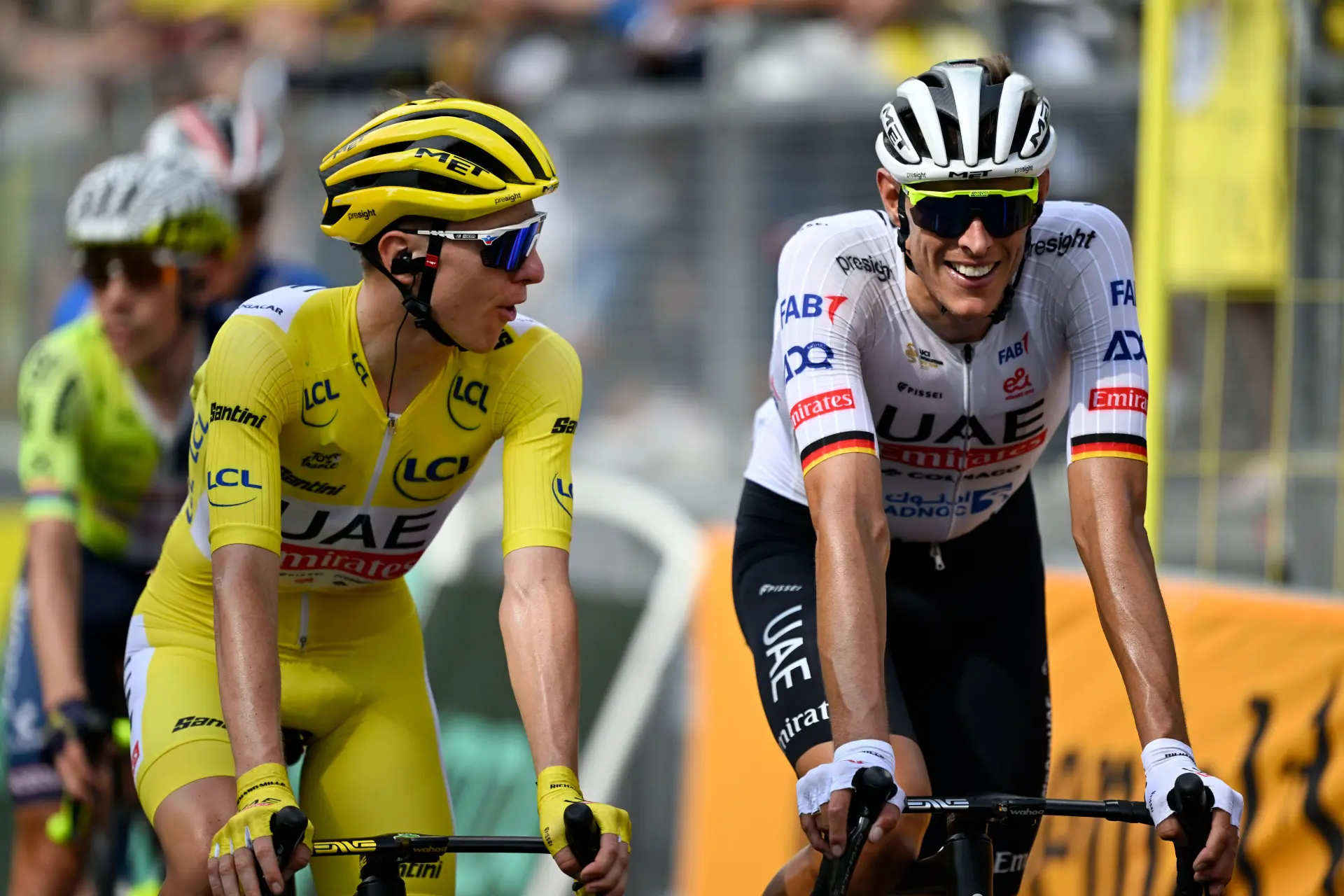
Kooij gives Decathlon a realistic shot at a sprint stage. Seixas gives them the bigger long-term project: a French teenager trying to find his level in the same race as Tadej Pogacar and Jonas Vingegaard.
He arrives with the MRI clear, the altitude work done and the same ambition he carried before the fall. Barcelona now becomes the first answer to the question hanging over Decathlon’s boldest Tour project: how far can Seixas already go?

Kieran WoodDeputy Editor-in-Chief
Kieran Wood is a sports journalist based in Wales and has been active in journalism since 2022. He regularly contributes to DartsNews.com and CyclingUpToDate.com, where he covers professional cycling and darts. In cycling, his work includes liveblogs from major races, including the Tour de France, the Giro d’Italia, and La Vuelta a España, alongside race reports and analysis. He has also conducted interviews with professional riders.
His reporting spans the full racing calendar, from one-day classics to stage races, with a focus on accurate, real-time coverage and clear contextual analysis. For statistics, results, and historical context, he regularly uses resources such as ProCyclingStats. To support reporting on rider activity and training context where relevant, he also references Strava.
In his work, Kieran places strong emphasis on careful sourcing, editorial accuracy, and updating articles as new, verified information becomes available.
claps 1visitors 1
Just in
Popular news

Latest comments
- oh boy, you're gargling with french balls now?? pogi going to be jealous.whkman11-10-2026
- Well if UAE the best team in history comes knocking their the only team in the world who can get Seixas. Seixas will become incredible there. Lets see if he stays at decathlon or goes to UAE.miguel11-10-2026
- Ahem, stage 16 of the 2025 Giro
 Rafionain-Glas11-10-2026
 - Can we get a comment from the UCI on this. The silence from Aigle is deafening! Come on cycling journalists , start annoying them to get a comment please.Paul53111-10-2026
- A shame to see him retire, I really liked him as a rider. His dignified tribute along with Matej Mohorovic to Gino Mader after his death was class and will always live in my memory. Enjoy your retirement.GregT11-10-2026
- A shame to see him retire, I really liked him as a rider. His dignified tribute along with Matej Mohorovic to Gino Mader after his death was class and will always live in my memory. Enjoy your retirement.GregT11-10-2026
- I thought Seixas had hit the end of the road from a fatigue standpoint, after the WC meltdown - and he still finished ok. This was impressive and an amazing return.mij11-10-2026
- totally, eating crow for breakfast this morning. after the world championships I thought we were looking at a late season fade from fatigue. way to go Paul!mij11-10-2026
- Pogi would have won the Vuelta at around 10 min. But it would have been boring for fools like you. Capish?PogiSloFans11-10-2026
- Rather than me describing the technology at length on here, If you google. Line-scan cameras. They are also sometimes called Slit-Scan cameras. Either search will fill you in. You can read all about how they. work. Enjoy! Just to be clear the cyclist is saying he wants to see exactly where the digital finish line is in relation to the actual physical finish. At this point we only have the word of the authority that the digital line corresponds to the exact starting edge of the physical finish line. That seems like a reasonable request to me.Prorodsandstuff11-10-2026
Loading
Write a comment