"It won’t be easy at all for UAE" - Bruyneel on the plan Visma must execute to put Tadej Pogacar under pressure
Cycling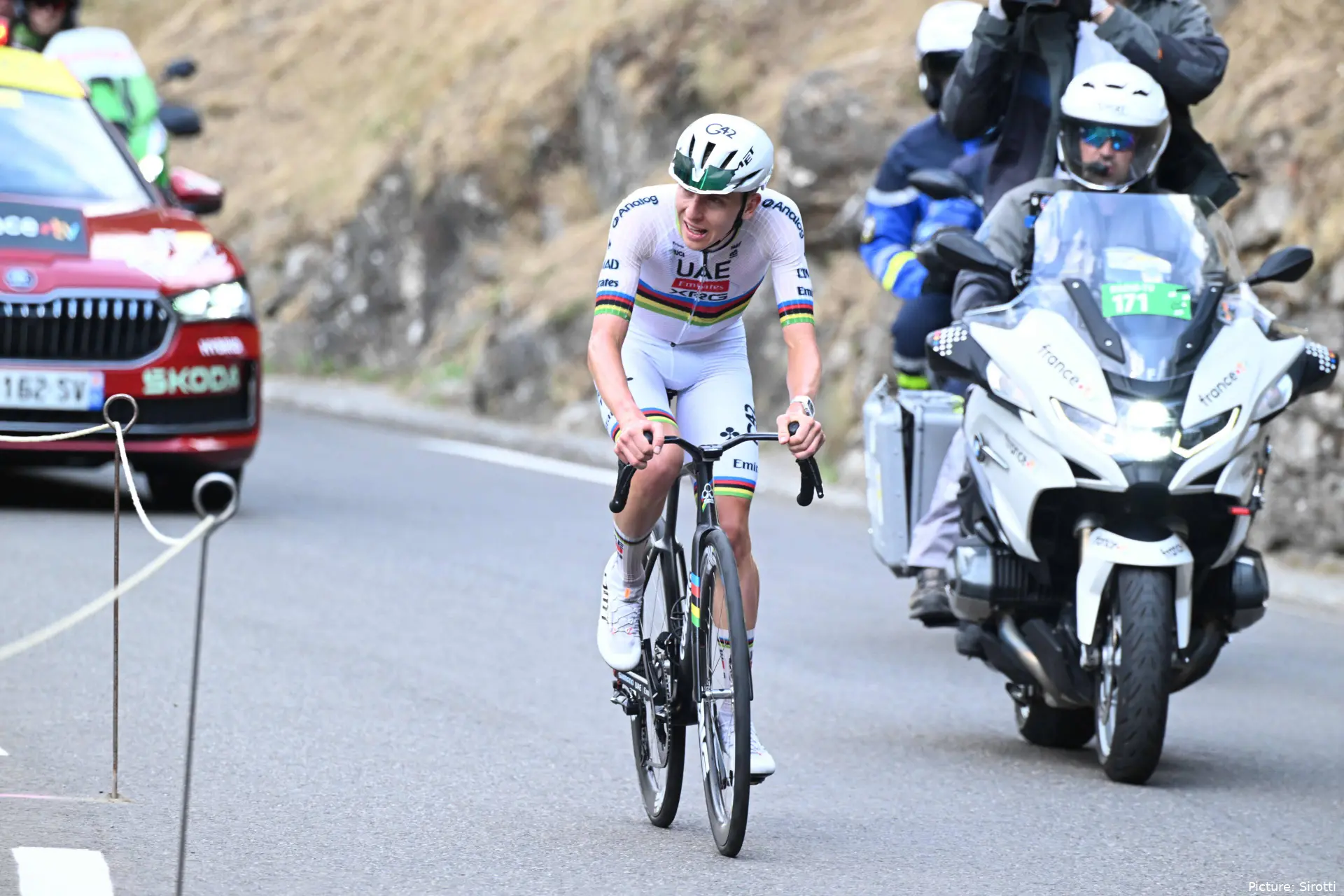
Stage 6 of the Tour de France 2026 left an impression that goes far beyond Tadej Pogacar’s victory. The Slovenian not only won the Pyrenees queen stage, he also landed a psychological and sporting blow on Jonas Vingegaard that forces Visma–Lease a Bike to rethink its entire strategy for the next two weeks.
That was precisely the main talking point on The Move, Lance Armstrong’s podcast with Johan Bruyneel and Spencer Martin. Both agreed that Pogacar’s superiority compels the Dutch team to abandon the usual script if they want to keep their chances of fighting for yellow alive.
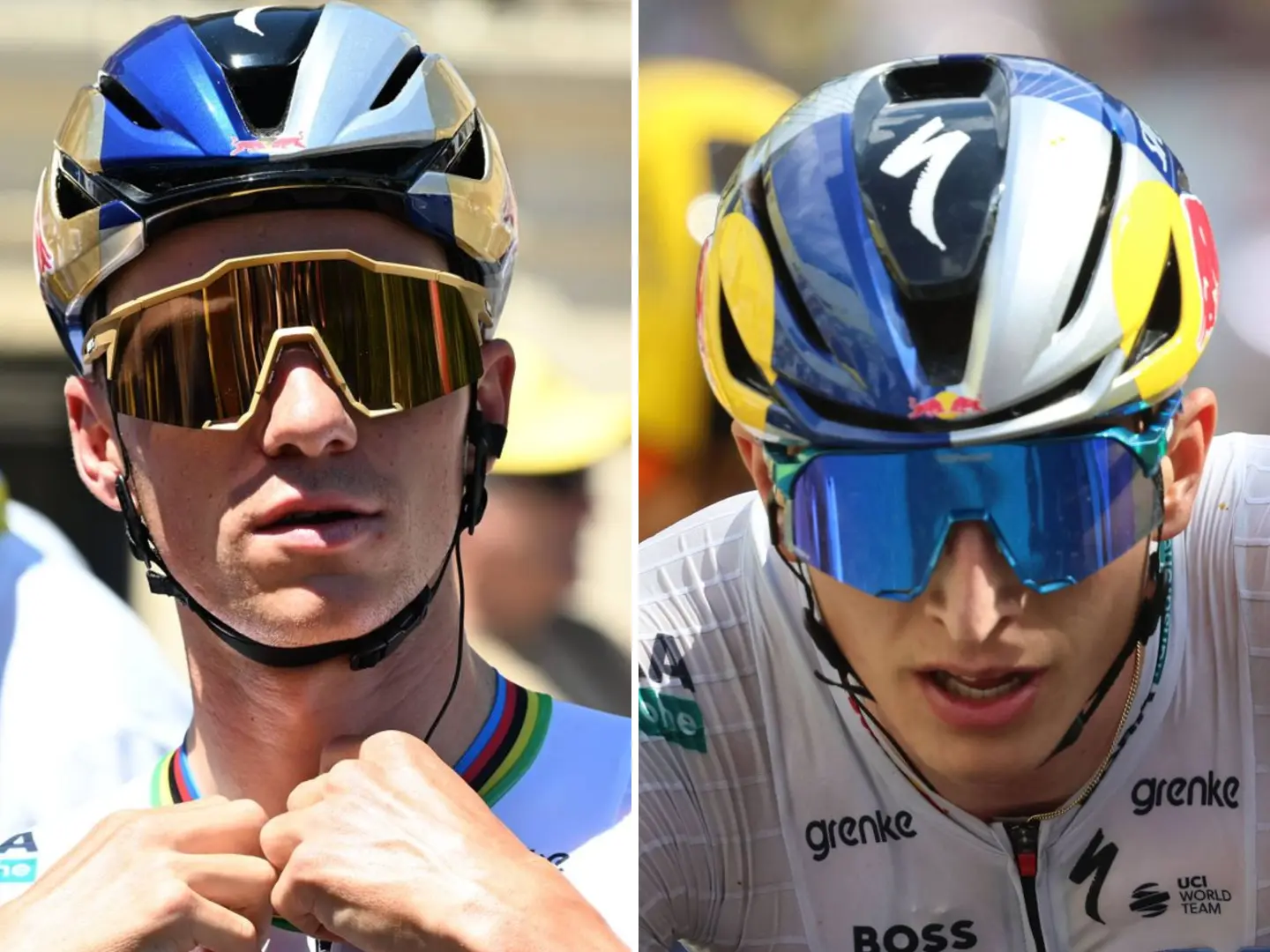
Bruyneel was very clear when assessing the world champion’s performance. “We all know Tadej is incredibly fast. He’s going to go very fast,” he said, before explaining that the truly extraordinary part was the level reached by the peloton’s elite. “Pogacar breaks the record. Jonas breaks it too. Del Toro as well. Remco, Seixas, Lipowitz, Ayuso...”
“All these riders have smashed the record.” For the Belgian former sports director, the conclusion is obvious: “This shows that every year you have to be significantly faster than the previous one to stay competitive.” However, the real debate is not about Pogacar, but about what Visma can do now.
In recent editions of the Tour, the Dutch team built its victories by gradually wearing down Pogacar until they found a moment of weakness in the mountains. After what we saw on stage six, Bruyneel suggests that approach no longer seems sufficient.
No room to wait
The race, moreover, now moves into a completely different terrain. “The race now enters a very peculiar phase. There won’t be mountain stages until stage 14 and we face many days of sprints, transition, and breakaways,” he explained.
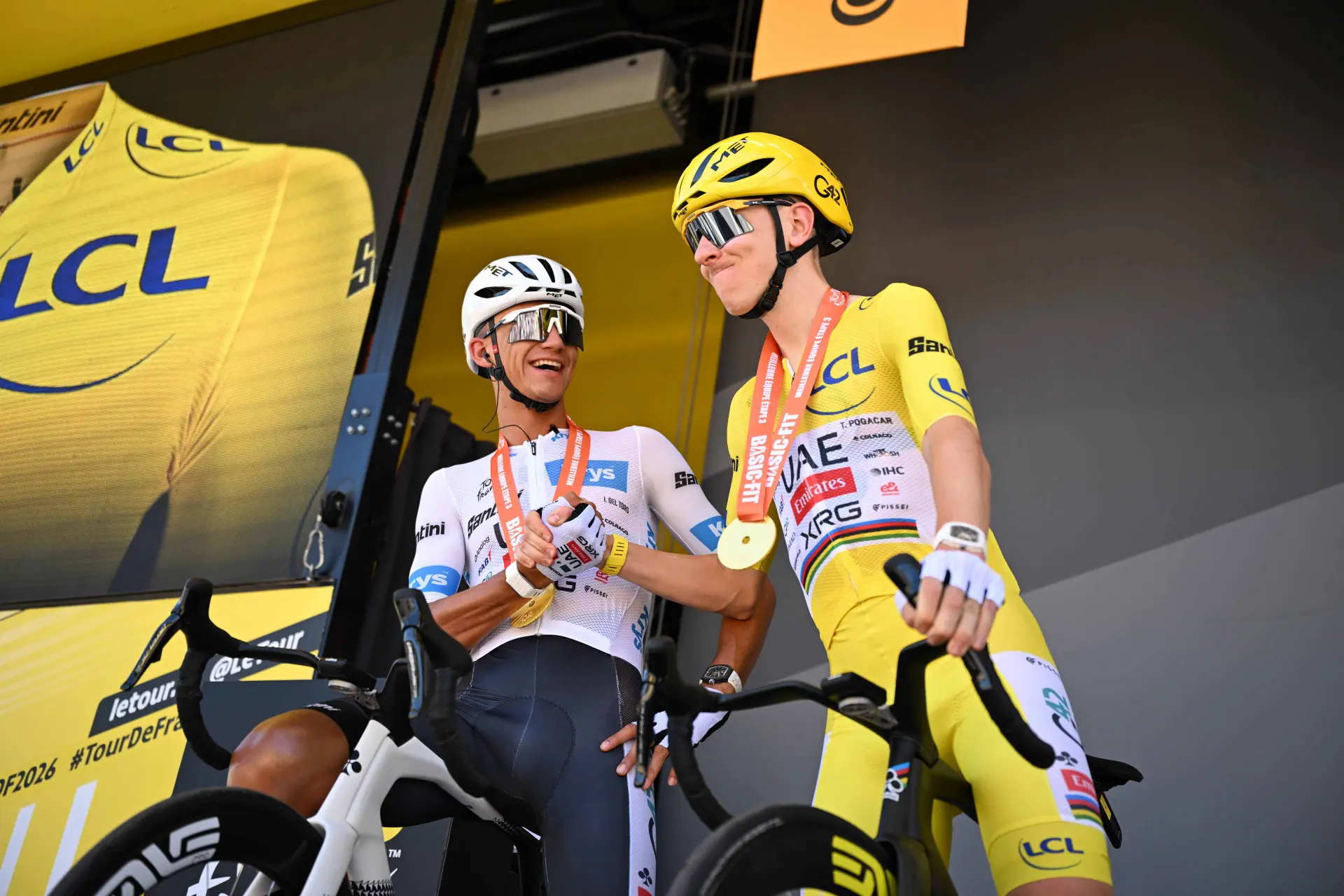
That is precisely where Visma’s opportunity may appear. With Pogacar in yellow and UAE Team Emirates forced to control each day, Bruyneel reminded that domination also comes at a very high cost.
“That’s the price you pay when you dominate the race like this. All the responsibility falls on you and they still have to face some stages in the Massif Central that are very, very tough. Sometimes those days are even more demanding than a true mountain stage.”
The message is clear. If Vingegaard no longer seems able to beat Pogacar solely on the big climbs, Visma will have to try to wear down the Emirati squad throughout the entire week before the Alps.

Tadej Pogacar won stage 6 of the Tour de France
Attrition as the only alternative
Spencer Martin shares that view. For the American analyst, the Tour now enters an apparently calm phase, but one that is much harder for the leader to control.
“It’s not going to be easy at all for UAE,” he summed up.
Without major passes to naturally select the race, the chances of dangerous breakaways, long-range attacks, and unpredictable stages increase. Bruyneel even recalled that when there are giants like the Aspin or the Tourmalet the race tends to order itself, but when those summit finishes disappear, controlling the peloton becomes far more complex.
That is why the takeaway from The Move is that Visma needs to change its way of racing completely. Rather than waiting for the final climb to attack with Vingegaard, the Dutch team must harden stages from afar, place riders in the breaks, force UAE to chase for hours, and try to accumulate constant wear on the leader.
Read also
Paradoxically, Pogacar’s dominance does not necessarily mean the Tour is decided. On the contrary. The absence of high mountains for more than a week forces UAE to assume full responsibility for controlling the race.
Bruyneel stressed that this obligation can end up taking a toll as the race progresses. The more a team dominates, the greater the workload it must take on to defend the lead.
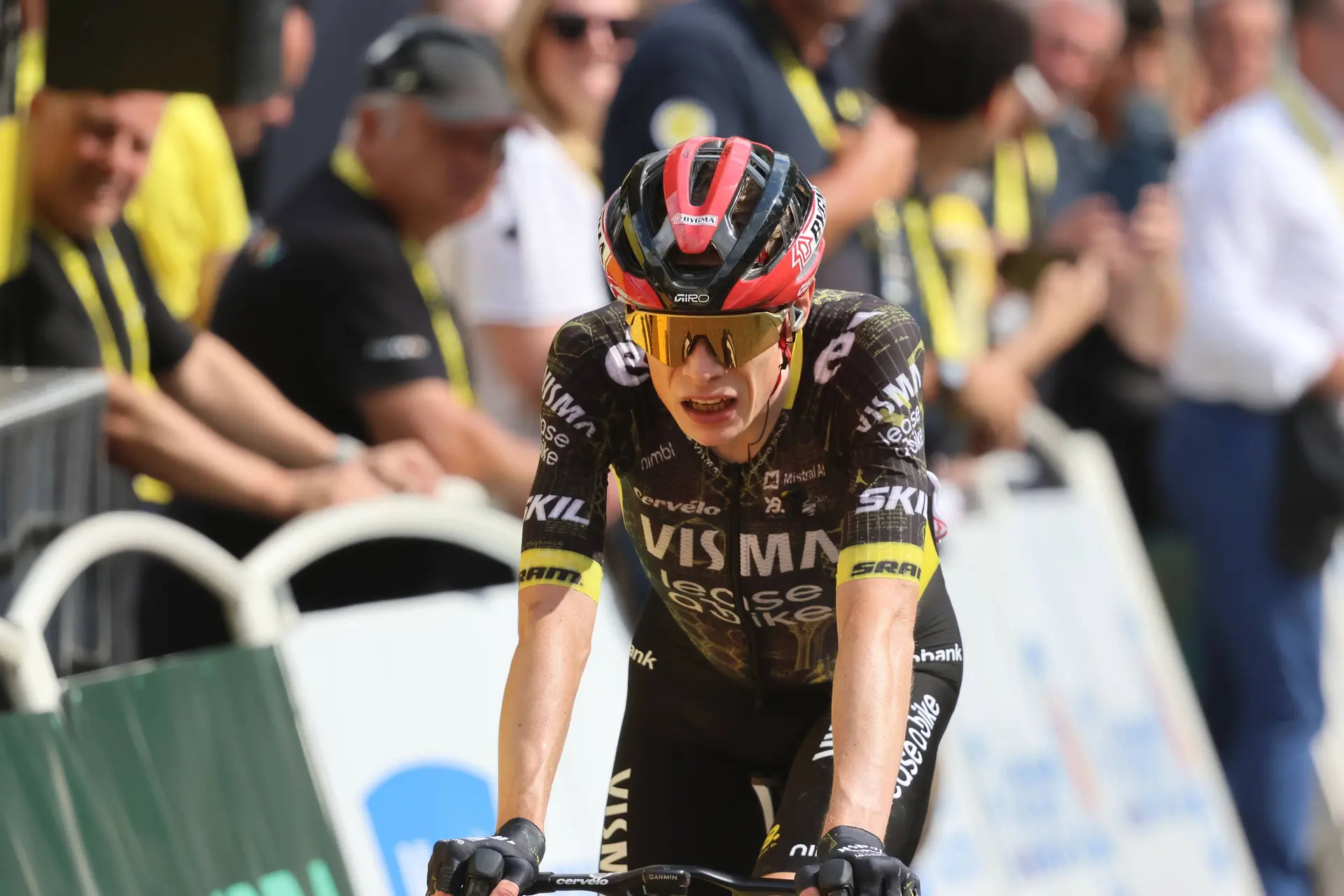
After the blow Vingegaard suffered in the Pyrenees, Visma seems to have lost the direct duel with Pogacar in the mountains. The big unknown is no longer who is the strongest, but whether the Dutch team will be able to turn the next stages into a race of constant attrition. Because, judging by Bruyneel and Martin’s analysis, if there is a way to put Pogacar under pressure, it is not only by attacking on the climbs, but by forcing UAE to work every day until the big mountains return.

Gavin QuinnCycling Journalist
Gavin Quinn is a cycling journalist and ultra-distance cyclist with a BA in Journalism from Dublin City University. Formerly the Press & Communications Officer for Cycling Ireland, Gavin has worked inside the national team at the World Championships and has reported for the Irish Mirror, Mirror UK, and The42.
His expertise is backed by elite-level access, having interviewed stars like Sam Bennett and Ben Healy, as well as immense personal endurance. In 2025, he completed a 12,000km solo cycle from Ireland to Vietnam, following a 4,600km tour across Europe. From the cobbles of Paris-Roubaix to the gradients of the Tourmalet, Gavin’s writing focuses on the "romance and brutality" of the sport. Having visited 50+ countries, he brings a global, cultural perspective to his coverage of the pro peloton for CyclingUpToDate.
claps 1visitors 1
Just in

Popular news
Latest comments
- disrespectful thats a joke ...
 Davide20-10-2026
 - EF’s “island of misfit toys” squad is probably one of my favorites in the peloton. They are fun to watch, always trying stuff - they ride with heart and panache, and their kits are excellent.wrsty20-10-2026
- 'Children these days'... Wout, since the caveman learned to say "Ug", older generations have always said this about younger generations. Not every young rider is a cowboy. So what's to say that the fact that Poels was respectful meant that his peers were equally so?
 Rafionain-Glas19-10-2026
 - "...In a weakened field" Most definitely ! YAWN !frieders319-10-2026
- Noted. But I had to appease his fans.MajorPayne19-10-2026
- I wonder if he'll race Challenge MallorcaRafionain-Glas19-10-2026
- Head to head time-splits: Jay Vine vs Remco Evenepoel: 10.5 km - Vine lost 45 seconds to Evenepoel 34.2 km - Vine lost a further 1:10, and was caught in the vicinity of that checkpoint. Note: I remember Vine getting caught before the second checkpoint, and ProCyclingStats log supports that, however, the gap at the second checkpoint was less than 2 minutes. 45.4 km - Vine lost only 16 seconds Of course, Vine lost less time in the middle section than the early section, but at the final segment rate, he'd have lost 15 seconds in the opening section and and 34 seconds in the middle. It is possible that Vine paced himself very well but that seems unlikely. In comparison with Stefan Küng: Kung lost: 26 seconds at T1. A further 1:11 by T2. A further 40 seconds by the finish. Relative to Evenepoel, Küng did slow down by the end. Maxime Decomble: Lost 47 seconds at T1. A further 1:20 by T2. A further 26 seconds by the finish. Mikkel Bjerg: Lost 37 seconds at T1. A further 1:34 by T2. A further 46 seconds by the finish. It is not concrete evidence that Vine cheated though it certainly doesn't absolve him. However, watching the race, I am 100% sure that Vine did not pull over and follow a different line when Remco passed him. Remco pulled away quite quickly, but the gap did not balloon and Vine definitely got aero assistance.Rafionain-Glas19-10-2026
- That ship has sailed years agovappaxbipmv19-10-2026
- He doesn't have to. I'd be perfectly happy if he loses SB if he then wins everything elsevappaxbipmv19-10-2026
- Please don't put Remco in the same sentence as Tadej. It's disrespectful to Tadej. Please make a note of this.KissinKate19-10-2026
Loading
Write a comment