"If he goes and does nothing or abandons it could be a very hard blow" - Miguel Indurain warns Paul Seixas supporters against Tour de France expectations
Cycling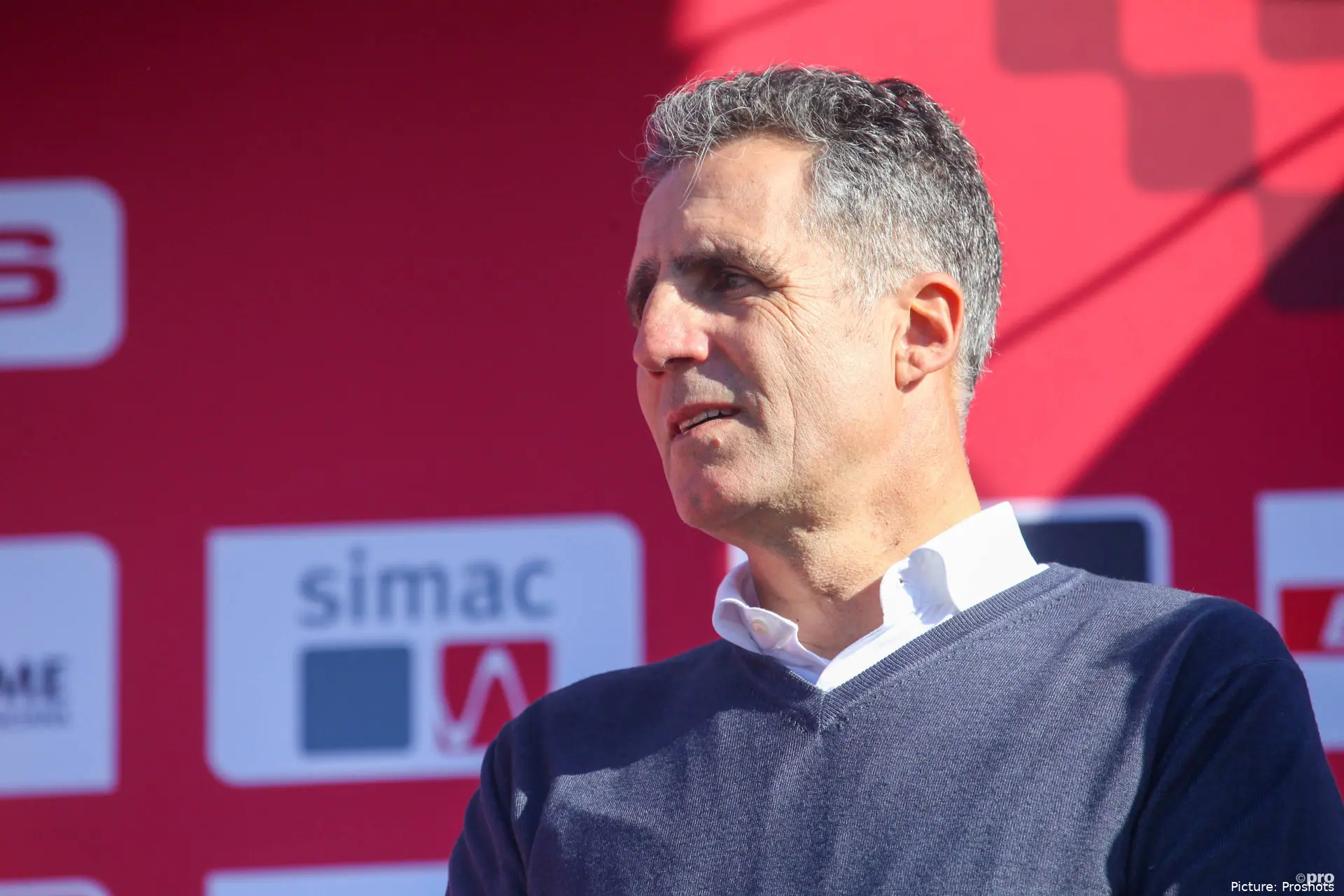
Miguel Induráin assesses modern cycling with the perspective of someone who dominated an era and knows the sport’s demands inside out. The Spaniard, a former multiple Tour de France winner, focuses on Tadej Pogacar’s current form, seeing him a step ahead of the rest of the peloton, and on the pressure building around Paul Seixas in France.
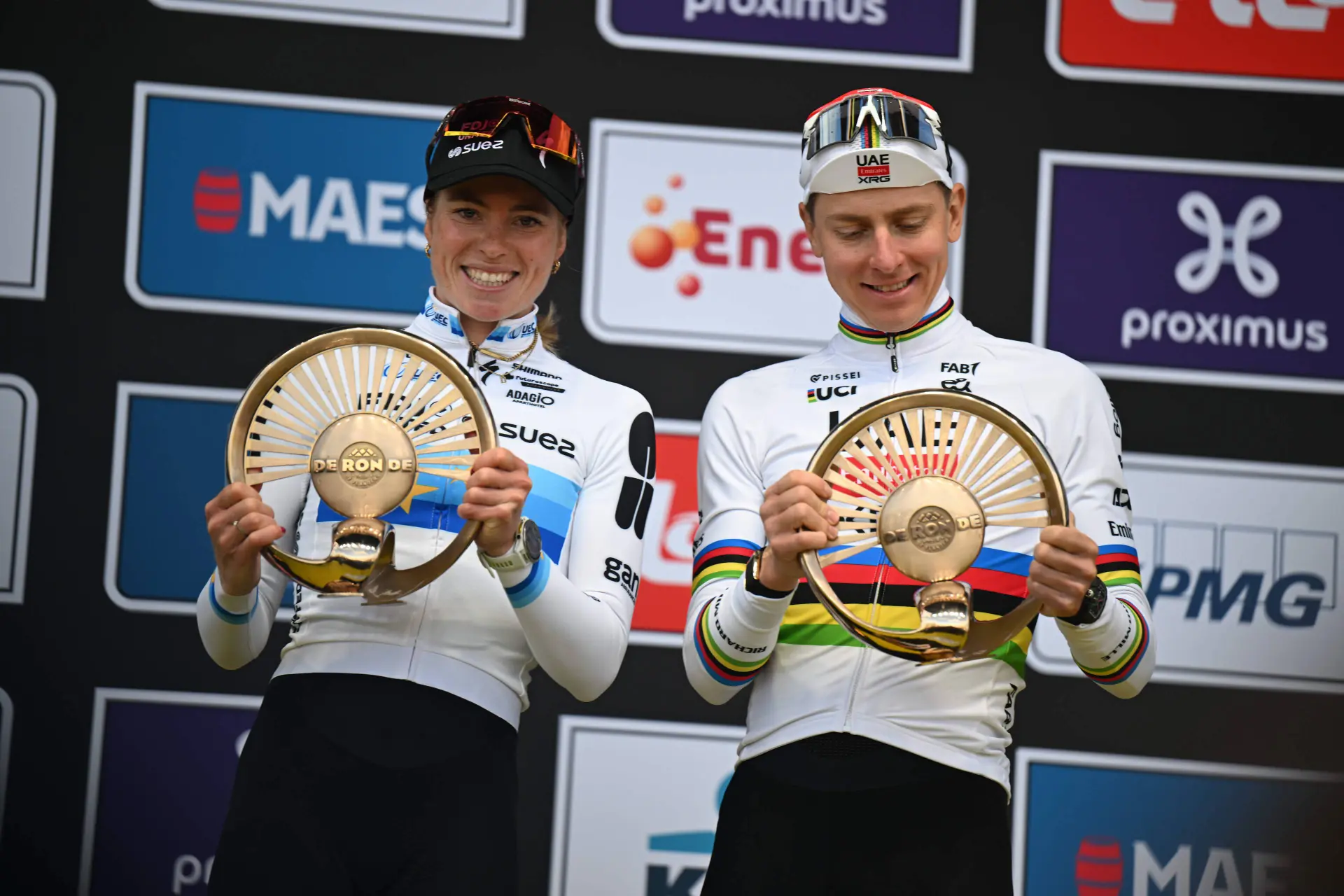
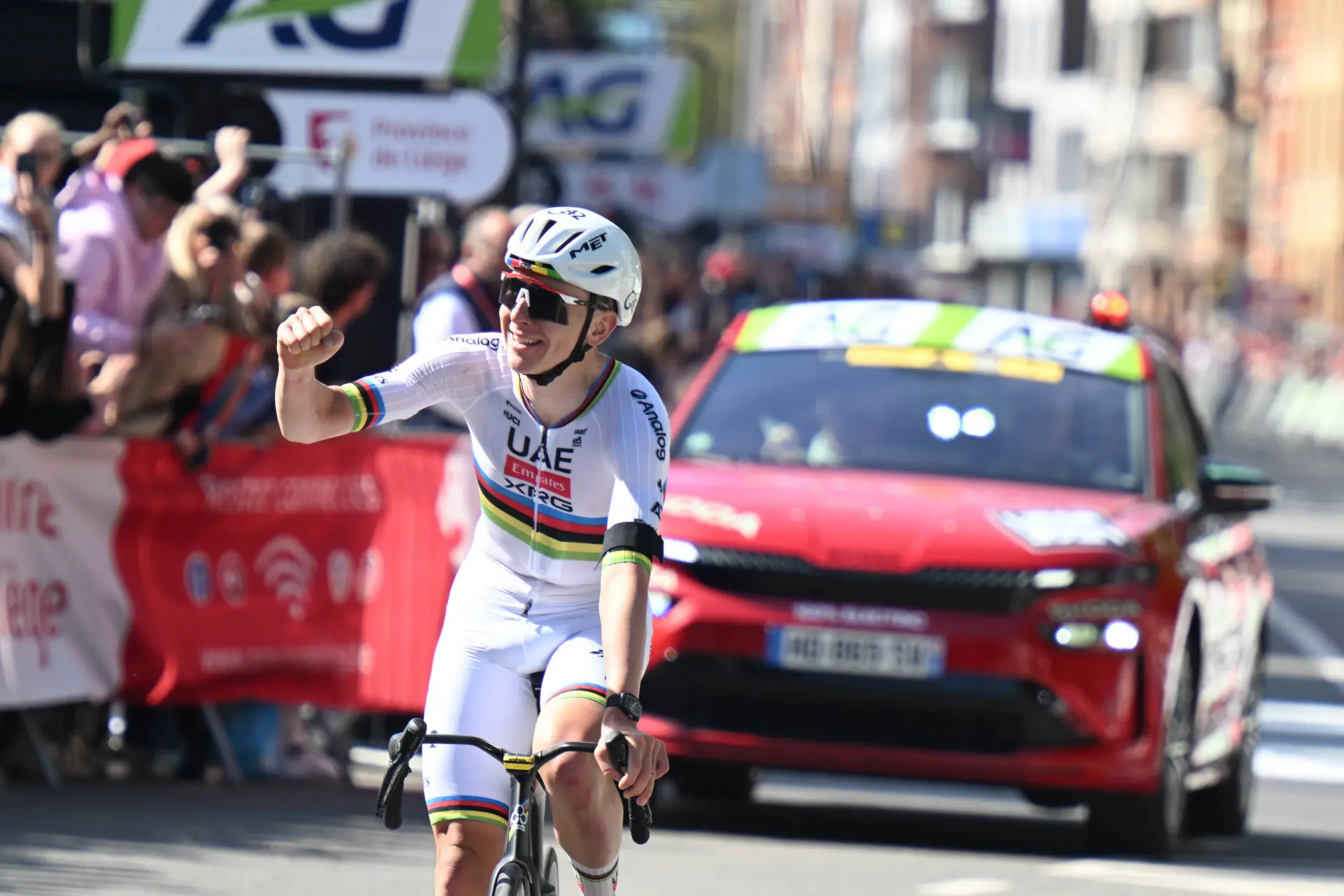
“He’s got that little extra over the others. Pogacar is in sparkling form and you also have to value the team around him. He’s very hard to beat,” Induráin said in an interview with AS, underlining both the Slovenian’s individual level and the importance of the block that supports him in the big races.
The five-time Tour winner also dwells on the pressure surrounding young prospects. Without naming names, he warns of the risk of placing outsized expectations on very young riders, especially in countries with a deep cycling tradition like France. “Others, at his age, had already gone. But nowadays… in France they’re very excited and we have to be careful, because if he goes and does nothing or abandons it could be a very hard blow. I think everything needs to be calmed down a bit. Cycling is very demanding for riders,” he reflects.
With the Frenchman recently finished second to Pogacar at Liège-Bastogne-Liège - as he also did at Strade Bianche - it shows a world-class level already that very few can match. There is a spark that has not been seen for years with a new contender entering the Tour de France, one that hasn't even ridden a Grand Tour as of yet.
Induráin also draws a comparison between generations, making it clear that each era has its own keys. “Everyone rides in the era they get. We also revamped cycling with nutrition, training, handlebars… but it’s true that now everything runs on data and is tightly controlled. Stages are shorter, faster, more explosive, and I prefer them over 200 kilometres,” he explains, hinting at a certain nostalgia for endurance-based racing.
The toughness of cycling
The Navarrese does not forget the sport’s inherent hardness, both physical and mental. “It’s a tough, dangerous profession, but I liked competing, riding the bike. I have very good memories, although I left a bit mentally and physically spent,” he admits about the end of his career.
His trajectory was as long as it was demanding. Induráin recalls his numbers matter-of-factly: “I started at 19 and in my last years I did almost 38,000 kilometres. I had no injuries and every year was intense, without a break,” a testament to the consistency that defined his career.
Now retired, his bond with the bike remains intact. “A week after retiring I was already back on the bike, and the only time I don’t go is in winter. But as soon as the weather turns a bit, I’m out. I like it and I go at my own pace to enjoy it. I don’t calculate what I do or anything, I just wear the heart-rate monitor and that’s it. It’s true that sometimes I get carried away and when I look later I think I should ease off a bit, but I’m fine. Happy. I really like the bike.”

Rúben SilvaEditor-in-Chief
A founding contributor to CyclingUpToDate since its launch in January 2022, Ruben Silva has played a central role in shaping the site’s editorial direction and long-term growth. Before joining the project, he built his experience through independent blogging at Echelons Hub and by producing race previews for Ciclismo Internacional, developing a strong analytical voice rooted in daily engagement with professional cycling.
Beyond editorial work, he has been closely involved in the expansion and coordination of CyclingUpToDate’s wider network, helping establish and support sister platforms across multiple languages. This includes ongoing collaboration with CiclismoAlDia (Spanish), CiclismoAtual (Portuguese), WielrennenUpToDate (Dutch), and RadsportAktuell (German), contributing to a shared editorial vision and consistent international coverage.
He also helps oversee editorial governance across the network, setting standards for accuracy and consistency and coordinating updates or corrections when needed.
Originally from the Porto metropolitan area in Portugal, he holds a bachelor’s degree in Geography. His path into cycling journalism was shaped not through formal media training, but through independent reporting, community engagement, and sustained on-the-ground involvement in the sport.
Over the course of his career, he has conducted approximately 100 interviews across road cycling and cyclocross, ranging from one-to-one conversations and online formats to press conferences and on-site pre- and post-race coverage. His interviews include leading riders, team managers, and prominent figures within cycling media: Tadej Pogacar, Jonas Vingegaard, Mathieu van der Poel, Primoz Roglic, Wout van Aert, Joao Almeida and Tom Pidcock; managers like Patrick Lefevere and Joxean Matxin; and YouTube personality Bryan Kennedy (BKXC)...
Within 18 months of launch, he helped grow CyclingUpToDate’s English-language platform into one of the most-read cycling news websites, built entirely from the ground up. As both a professional journalist and lifelong cycling enthusiast, his focus remains on delivering accurate, timely, and well-contextualized coverage.
claps 1visitors 1
Just in
Popular news
Latest comments
- well this one definitely makes my STUPIDEST ARTICLES OF 2026 list. chapeau…OCexile14-10-2026
- Cyclocross is nothing without stars like MVDP, WVA, Pidcock... etc. Out of all cycling disciplines, road racing is the most popular discipline in professional cycling, especially in terms of global prestige, major-event audiences, and the historical status of its greatest riders. People that don't follow cycling as a sport have heard of Merckx, Hinault, Pantani, Armstrong, Remco, Vingegaard, MvDP, Van Aert, Pogačar etc. So if we're talking about professional cycling and the sport's most famous athletes, road racing is the clear number one. Road cycling's greatest champions are judged across such a wide scale. E.g. - Pogačar can win the Tour de France and then go after Paris–Roubaix and other prestigious one day races. These races also have a wide range of versatility: cobbles, gravel, punchy, hilly, TT. This versatility is a huge part of why road racing is No.1 in cycling. Maybe Sven Nys is a dutch cycling "legend"... but that's where it starts and ends. Ad acta.PogiSloFans14-10-2026
- “at some point those guys will turn their backs on OUR sport”? after dedicating so much of their lives to cyclocross and in mathieu’s case winning more world championships than anyone, it would seem to me like they’ve earned the right for it to be always be THEIR sport, too, even after they retire from it.OCexile14-10-2026
- It takes two to tango. Riders also have a say. Maybe they didn't see any opportunities on a stacked team such as Visma's? Who knows, but could be a multitude of reasons why deals fall through.Pogboom14-10-2026
- Eventually Pogi will get older and slower. Father Time will favor the young. The question is whether he can beat Pogi before Pogi decides to retire. You never know... Pogi may retire after winning paris-roubaix :)b3tlla14-10-2026
- i think he can continue to race for maybe another 2 years till he drops out of podium contention. With his TT and his follow the leader in the Mountains,he should not need too many teammates too.abstractengineer14-10-2026
- Aren't they still shopping around for a main sponsor for next year?wrsty14-10-2026
- How broke is visma now? wtf they cant even fight moviestar and decathlon for riders and lose both their mid targets based on their budget and they cant even get those? Crazy...:/miguel13-10-2026
- TT But he won by a minute so he could have cut down on some of it
 Rafionain-Glas13-10-2026
 - weight is measurable. power is measurable. So why didn't he prepare that way from the TDF if he wanted to beat Pogi and after Pogi wasn't going to be there, to win.abstractengineer13-10-2026
Loading
Write a comment