“He’s never even had a rest day before... There are so many unknowns” – Decathlon urge caution as 19-year-old Paul Seixas enters uncharted territory on Tour de France debut
Cycling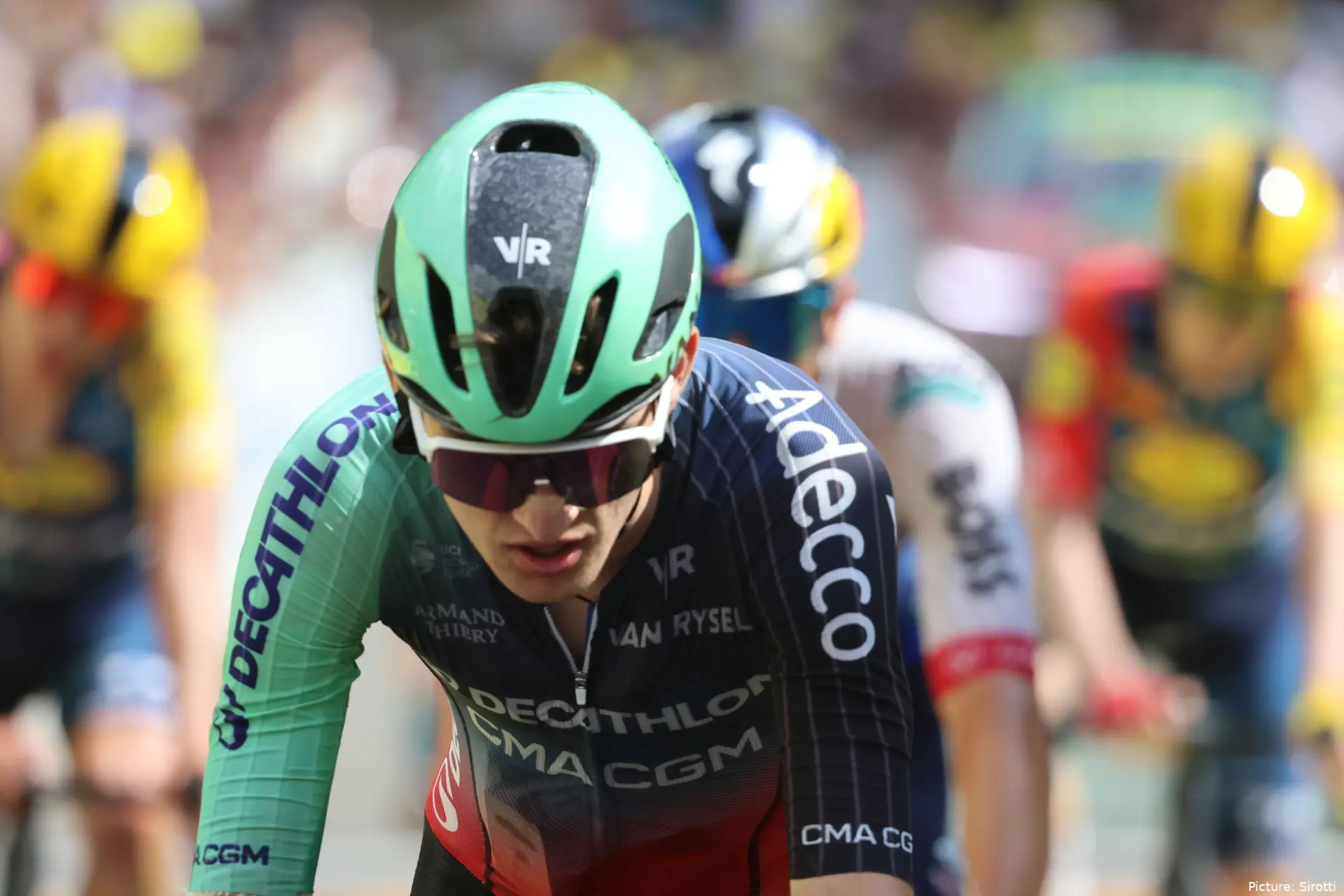
Paul Seixas reaches the first rest day of his Tour de France debut sixth overall, only 28 seconds from the podium after passing the opening mountain test with fifth place on the Tourmalet stage.
For Decathlon CMA CGM Team, Monday marks the point at which the 19-year-old moves beyond anything he has previously experienced in a bike race.
“He has never even had a rest day before,” sports director Julien Jurdie told Eurosport France. “We are already discussing what plan we should use on Monday. Should he ride or not ride? Should he do one hour or two hours?"
“We will try to optimise everything, put him in the best possible position and protect him as much as possible," continued Jurdie. "Recovery is the key.”
Seixas moves beyond his previous racing limit
Before this Tour, Seixas had never competed for more than eight consecutive days. Stage 9 took him beyond that mark for the first time, while Monday introduces a rest day before racing resumes with seven categorised climbs. “Normally, when he rides a one-week race, it is over by now,” former Tour de France stage winner and Eurosport consultant Jacky Durand joked.
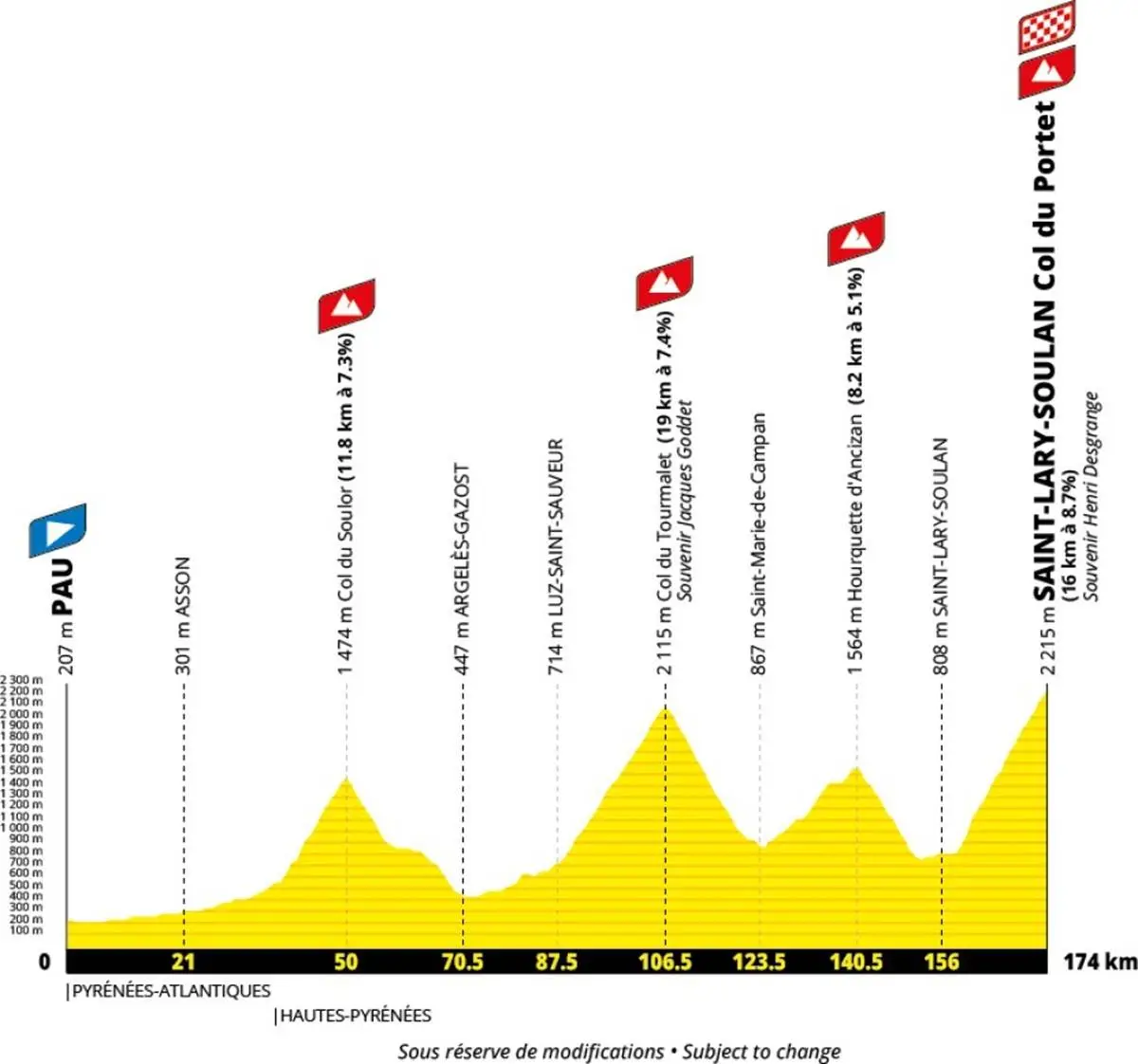
Seixas has so far handled the step up with few visible problems. He finished ninth on Stage 2, fourth at Les Angles and fifth on the Tourmalet stage after crossing the summit third among the leading general classification riders.
That moved him to sixth overall, 3:55 behind Tadej Pogacar but within 28 seconds of Isaac del Toro in third. “The assessment after the first nine days is rather encouraging,” Jurdie said. “Everything is going very well. He was very strong on the Tourmalet stage. We must not forget that he is only 19 years old. He went over the summit in third position, finished fifth on the stage and is sixth overall. All the signs are positive.”
Seixas also negotiated a difficult Stage 9 without losing ground before the race reached its first pause. “We were slightly worried about that stage,” Jurdie admitted. “We knew we could not afford to make a mistake, but we managed it rather well. It was difficult. Now it is time for the rest day.”

Paul Seixas waves to the crowd at the 2026 Tour de France
Decathlon resist drawing conclusions from brilliant opening week
Seixas arrived at the Tour after a 2026 season that made his selection increasingly difficult to resist. He won Itzulia Basque Country, including the opening time trial and queen stage, became the youngest winner of La Fleche Wallonne and finished second to Pogacar at Liege-Bastogne-Liege.
His opening nine stages have carried that form into his first Grand Tour. Decathlon still have no previous reference for how he will recover after two weeks of racing or whether he can maintain the same level into the final week.
“We must not forget that Paul is 19,” Jurdie continued. “We do not know what will happen next week and we do not know what will happen in 15 days. Of course, he is a phenomenon and we always have to keep that in mind, but he is only 19. We do not know how he will recover.”
Seixas is already occupying the position of an established general classification contender, but his team are refusing to project his current standing all the way to Paris. “There are so many unknowns that we do not completely control with Paul,” Jurdie said. “And that is logical.”
Seven climbs await immediately after unfamiliar rest day
The first indication of how Seixas has handled the pause will come on Tuesday towards Le Lioran. Stage 10 contains around 3,800 metres of climbing and seven categorised ascents, beginning the second week with another demanding examination of the riders around the podium.
Seixas will start it sixth overall and closely marked after his Tourmalet performance. The rest day may be entirely new to him, but Decathlon will receive their first answer almost immediately once the road begins climbing again.

Kieran WoodDeputy Editor-in-Chief
Kieran Wood is a sports journalist based in Wales and has been active in journalism since 2022. He regularly contributes to DartsNews.com and CyclingUpToDate.com, where he covers professional cycling and darts. In cycling, his work includes liveblogs from major races, including the Tour de France, the Giro d’Italia, and La Vuelta a España, alongside race reports and analysis. He has also conducted interviews with professional riders.
His reporting spans the full racing calendar, from one-day classics to stage races, with a focus on accurate, real-time coverage and clear contextual analysis. For statistics, results, and historical context, he regularly uses resources such as ProCyclingStats. To support reporting on rider activity and training context where relevant, he also references Strava.
In his work, Kieran places strong emphasis on careful sourcing, editorial accuracy, and updating articles as new, verified information becomes available.
claps 0visitors 0
Just in

Popular news

Latest comments
- Man, I'm really looking forward to next season. Seeing these new line-ups, it's going to be VERY interesting.wrsty23-10-2026
- This Remco-friendly (and Seixas-friendly?) route was almost certainly designed to reduce Pog's dominance. But as Prudhomme has said straight out, now he thinks Pog's accident will have reduced his dominance anyway.Hills3323-10-2026
- We also don't know how much Pog was really putting into gaining time. Feels like watching Usain Bolt, where you can only wonder how much faster he'd have gone if he was sprinting 100% to the line, instead of being two feet ahead and starting to pull up with ten yards to go. If any of the other riders really started to close in on Pog, I do think he'd simply have gone even deeper and crushed them. I would really like that kind of race though, none of this "4 minutes lead by the first rest day" trouncing. So if introducing more TT and less summit finish makes the race go more to the wire, I'm all for that. I don't think it'll change the outcome necessarily, but it'll make the whole thing less of a foregone conclusion by week 2.wrsty23-10-2026
- That nearly is 7 mins and you win GTs comfortably by 2 mins. Remco fans - he almost won the TDF, He beat Pogi twice in the mountains this year.abstractengineer23-10-2026
- What would be your preferred Tour design then? Just out of interestwrsty23-10-2026
- I like Remco but even I'll admit he didn't get anywhere close to Pogacar, just like everyone else.megasmacky23-10-2026
- That's what y'all said this year, "remco will come fifth"bruins3022-10-2026
- That used to be the norm, 100 kms of TTs. Now look at the '87 route...acem8222-10-2026
- Well, crashes can happen, so it's not impossible...acem8222-10-2026
- that would be kinda cool. there is a lot of untapped potential. which I'm sure the UCI will overlook. in order to get sock length correct.mij22-10-2026
Loading
Write a comment