"He is starting to deeply annoy the Giro organization": RCS reportedly furious as Thymen Arensman blanks the media at the Giro
Cycling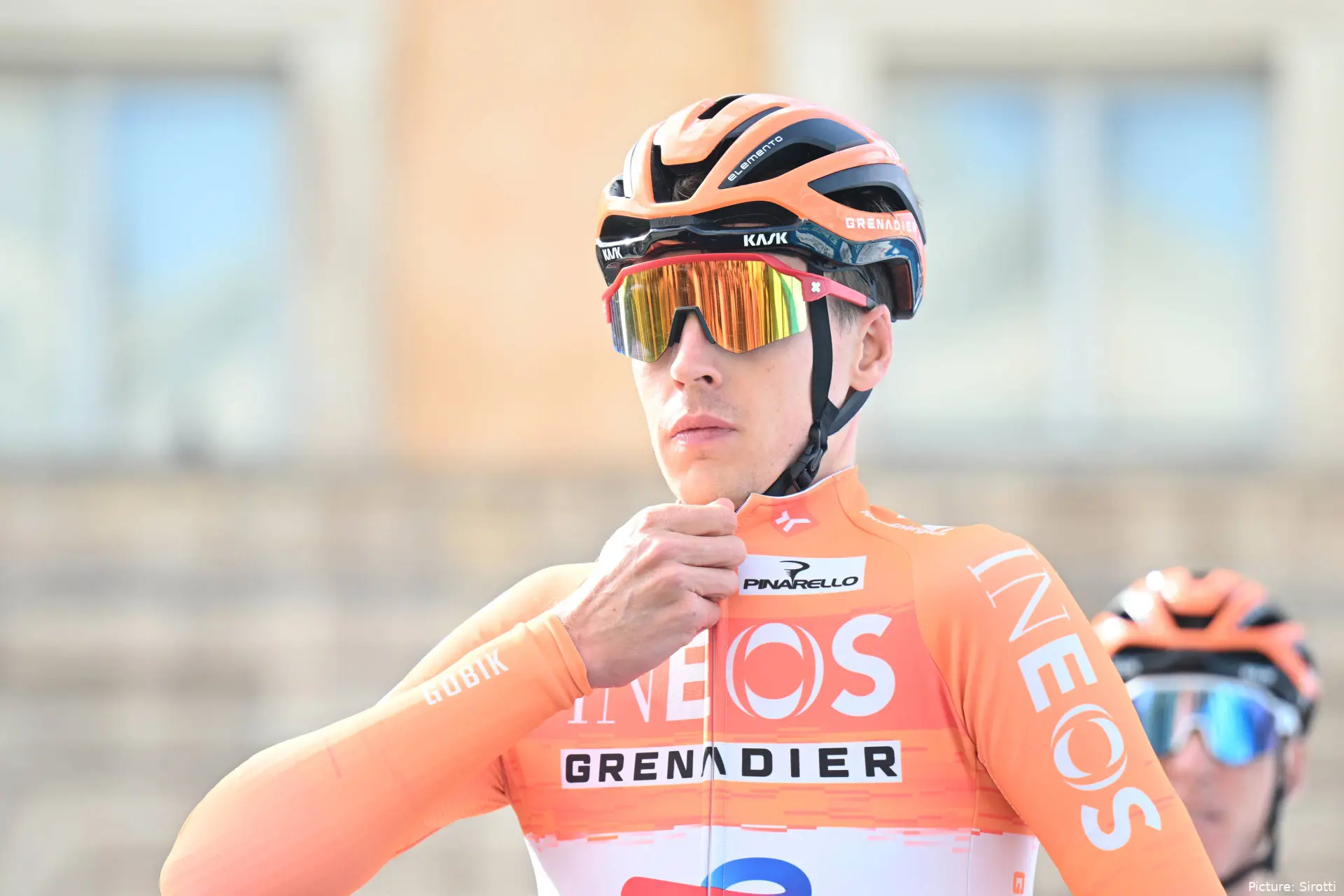
Thymen Arensman is putting together an incredible ride at the Giro d'Italia, currently sitting fourth in the general classification, but his quiet demeanor off the bike is sparking a massive storm behind the scenes. The Dutch Netcompany INEOS rider has completely shielded himself from the media since the race started to protect his focus, creating a heated tug-of-war between his team's protective press strategy and race organizers RCS, who feel the podium contender isn't fulfilling his professional duties.
In the zone or avoiding obligations?
It is no secret that Arensman is not a fan of media appearances, especially when trying to maintain concentration during a Grand Tour. However, according to Eurosport France, his near-total silence has pushed Giro organizers RCS past their breaking point, with officials viewing his media evasion as a direct failure to support the race.
Netcompany INEOS, a squad well-known for its tightly controlled press interactions, has completely backed their rider's choice. Team leader Geraint Thomas recently explained to journalist Daniel Benson that they drew up a specific strategy before the race kicked off to shield Arensman from extra pressure.
"We made a plan beforehand with Thymen and our press officer," Thomas said. "I told him: 'We'll do whatever helps you stay focused and we don't want to drag you into everything.' If there are days with less pressure or when he does feel the need to speak, that's fine. But from our side, there is absolutely no pressure to do it if he doesn't feel like it. That seems to work for him. Everyone is different, when you're racing, you get into a specific zone."
Read also
A backstage battle between team and organizer
While that protective bubble might be working wonders for Arensman's performance on the road, the race's stakeholders are not happy at all, and a full-blown struggle is currently taking place behind closed doors between the team and the race organization.
"The problem is that the rider, who has never liked talking to the media, is now starting to deeply annoy the Giro organization," Eurosport reported. "At RCS, they believe that by avoiding the media, Arensman isn't fully doing his job. Behind the scenes, there is a real tug-of-war going on between the team and the organization."

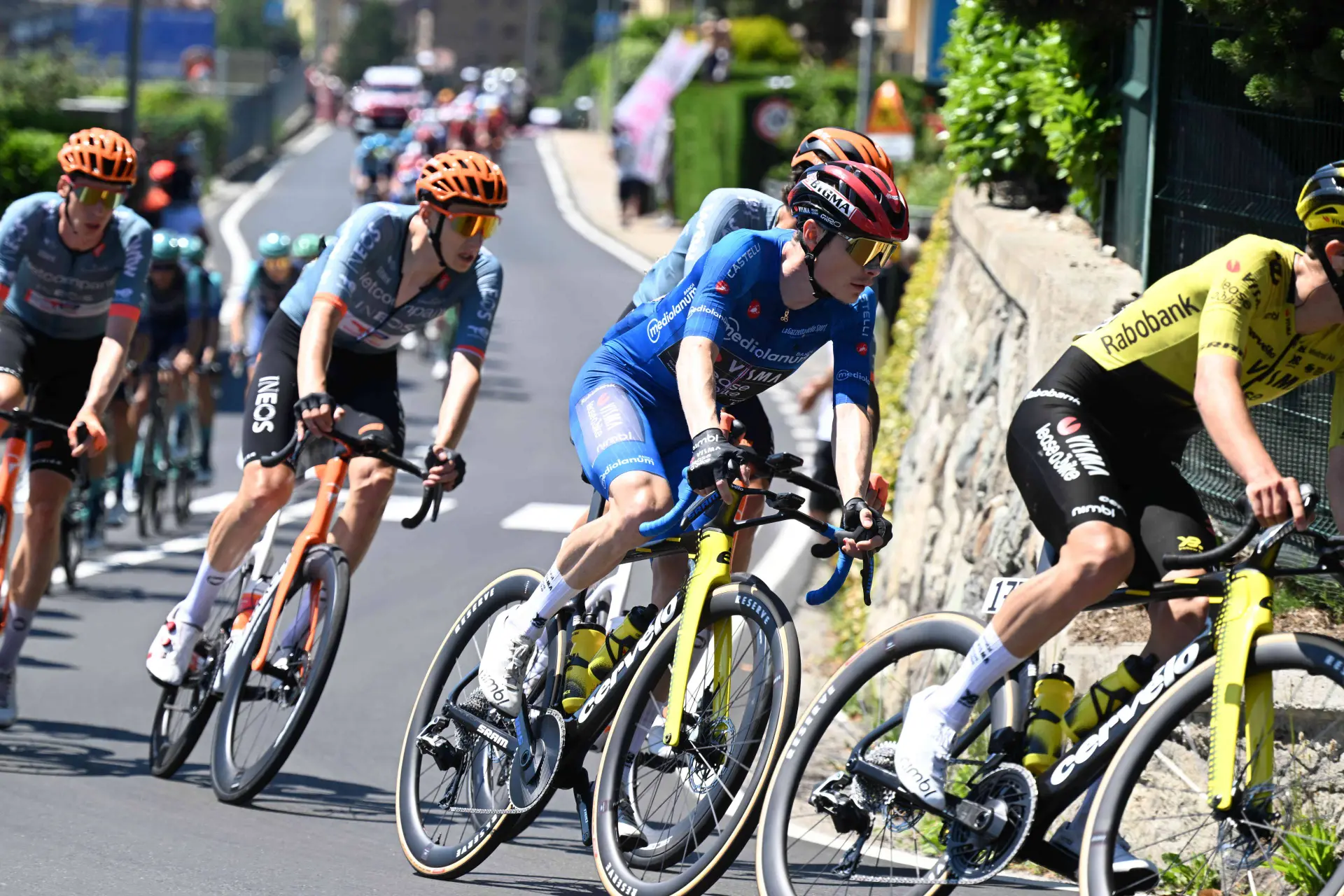
Thymen Arensman in action during the individual time trial at the 2026 Giro d'Italia
Dumoulin weighs in on the athlete's duty
The debate has also sparked conversations among former pros. Retired Dutch cycling star Tom Dumoulin, who generally gets along well with his compatriot, expressed understanding for Arensman’s introverted nature but stressed that talking to the press is an unwritten obligation for professional cyclists.
"I think it’s just part of the job to talk to the media every now and then," Dumoulin commented. "I completely understand his reasoning and I even have sympathy for it, but I ultimately view it as a duty. It doesn't have to be every single day or for very long, but an interview after the stage would have been perfectly fine. Indirectly, this is the business model of the sport. The media attention generated is what pays the riders' salaries."
Félix SernaCycling Journalist
Félix Serna is a writer at CyclingUpToDate and has been part of the team since 2025. He covers professional cycling across both the men’s and women’s calendars, with a focus on UCI rankings, race developments, and rider performance. His work includes interview-based reports, liveblogs, and tournament coverage designed to provide clear, accurate context throughout the season.
In his reporting, Félix regularly uses ProCyclingStats for results, statistics, and historical reference. He places strong emphasis on careful sourcing, editorial accuracy, and updating articles promptly when new, verified information becomes available. He holds a bachelor’s degree in International Studies.
claps 2visitors 2
Just in
Popular news
Latest comments
- is that the standard for sharing thoughts here?OCexile17-10-2026
- If he was less brilliant than usual at the Tour, then I don't even want to imagine his 'usual' level of brilliance.Cooldude17-10-2026
- ok, i take back my wish. you’re right, i didn’t stop to think about how much i was damaging the sport. that was a close one. sometimes i forget how much power i wield and how capricious i can be…OCexile17-10-2026
- Reducing speed is not something that can realistically happen. This is all just a smokescreen for avoiding talking about the real solutions, such as airbags. A comparison to a more binary sport such as rock climbing (not free solo) would show this: Saying "go slower" is the same as "do easier climbs" Saying "use airbags" is like "use better harnesses"...
 Rafionain-Glas17-10-2026
 - Globalisation of pro cyclingRafionain-Glas17-10-2026
- So people are now guilty by virtue of having lived in a certain set of decades? Wonder how that argument would hold up in court?LMAO.
 Brucegel17-10-2026
 - you can reduce speed by increasing bike weight and increasing air resistance but it will penalize riders with lower weight a lot. also downhill reaches 100k/hr and sprints reach 70-80k/hr, how do you even control that. these are the times of most accidents anywayabstractengineer17-10-2026
- Just trying to gall the reader for clicks.Seems to be working.Just ignore the assinine article.Brucegel17-10-2026
- in football also, The Special one is like a dictator controlling the egos of Ibra and other top footballers. Also Alex Ferguson was very abusive sometimes violent too but all of it gets swept under the rug due to the accomplishments. Even today i would say that verbal abuse and screaming still remains the best tool of most managers to motivate their players next to benching and fear of trade.abstractengineer17-10-2026
- At least all that doping talk will end when (if) Seixas becomes world #1vappaxbipmv17-10-2026
Loading
Write a comment