“Five years ago, I’d have said he needed to change teams. Today, he should stay” – Paul Seixas urged to lead Decathlon's new era amid UAE & INEOS transfer rumours
Cycling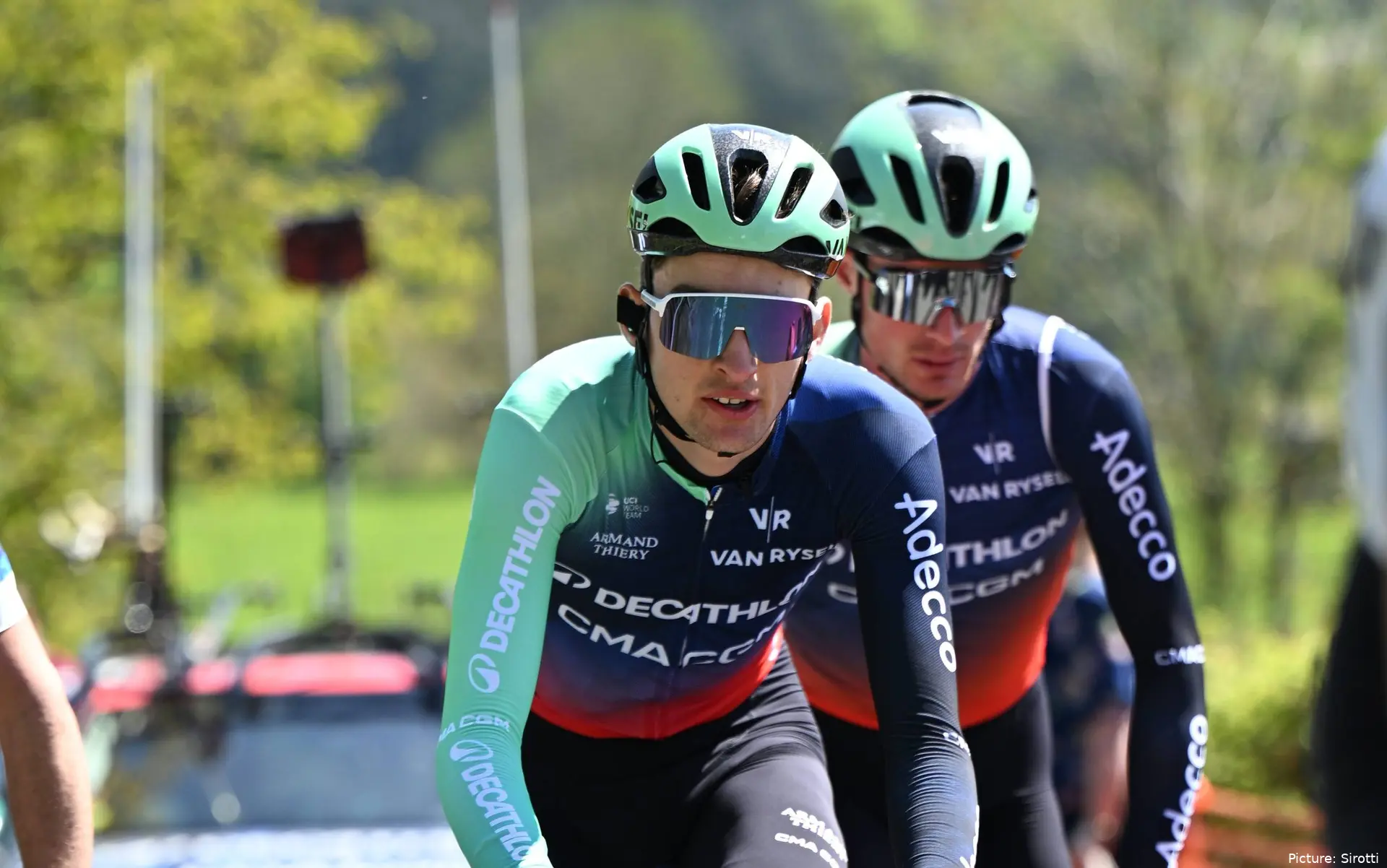
The speed of Paul Seixas’ rise has forced a conversation that was not supposed to happen this early. Still in the opening phase of his WorldTour career, the 19-year-old has already delivered results that place him among the most influential riders of the 2026 season.
That has inevitably brought attention from the sport’s biggest teams, but it has also shifted how his next step is being assessed. For former Team Sky rider and two-time Vuelta a Espana stage winner Nicolas Roche however, Seixas’ future doesn't necessarily require a blockbuster transfer.
A rise ahead of schedule
Seixas was not expected to reach this level so quickly. Even within the sport, his trajectory was viewed as one that would take time to fully develop. “Paul arrived and immediately made an impact, differently from the others,” Roche said in conversation with Bici.Pro. “Last year we were already talking about him, but we saw him as a prospect for two or three years down the line. Instead, he confirmed his value already this year, both in stage races, dominating the Basque Country, and in one-day races. We saw what he did at Liège as well.”
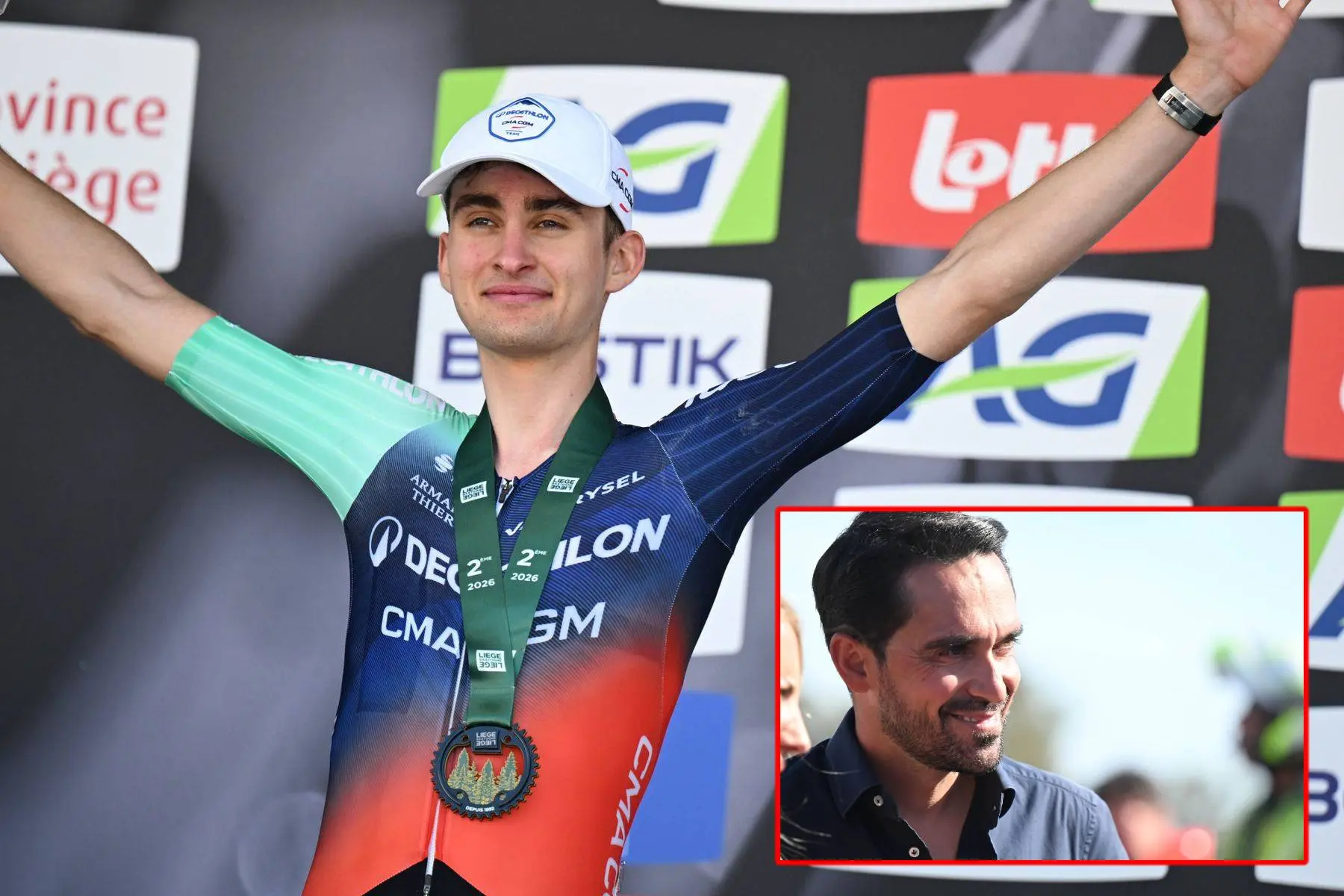
Those performances have defined his season to date. Victory at Itzulia Basque Country, followed by success at La Flèche Wallonne and second place at Liège-Bastogne-Liège, have established him at the front of the sport far earlier than anticipated.
A different calculation
That level of performance has naturally led to growing transfer interest from leading teams such as UAE Team Emirates - XRG and INEOS Grenadiers. For Roche, however, the equation is no longer as straightforward as it might once have been. “If you had asked me that question ten years ago, or even five years ago, I would have said he needed to change teams. Today I say he should stay.”
Rather than following the established path towards a so-called super-team, Roche pointed to the environment currently being built around Seixas. “The Decathlon team structure is reorganising very well. It is becoming more and more international, with important resources to build a strong team around him. I think he can grow there.”

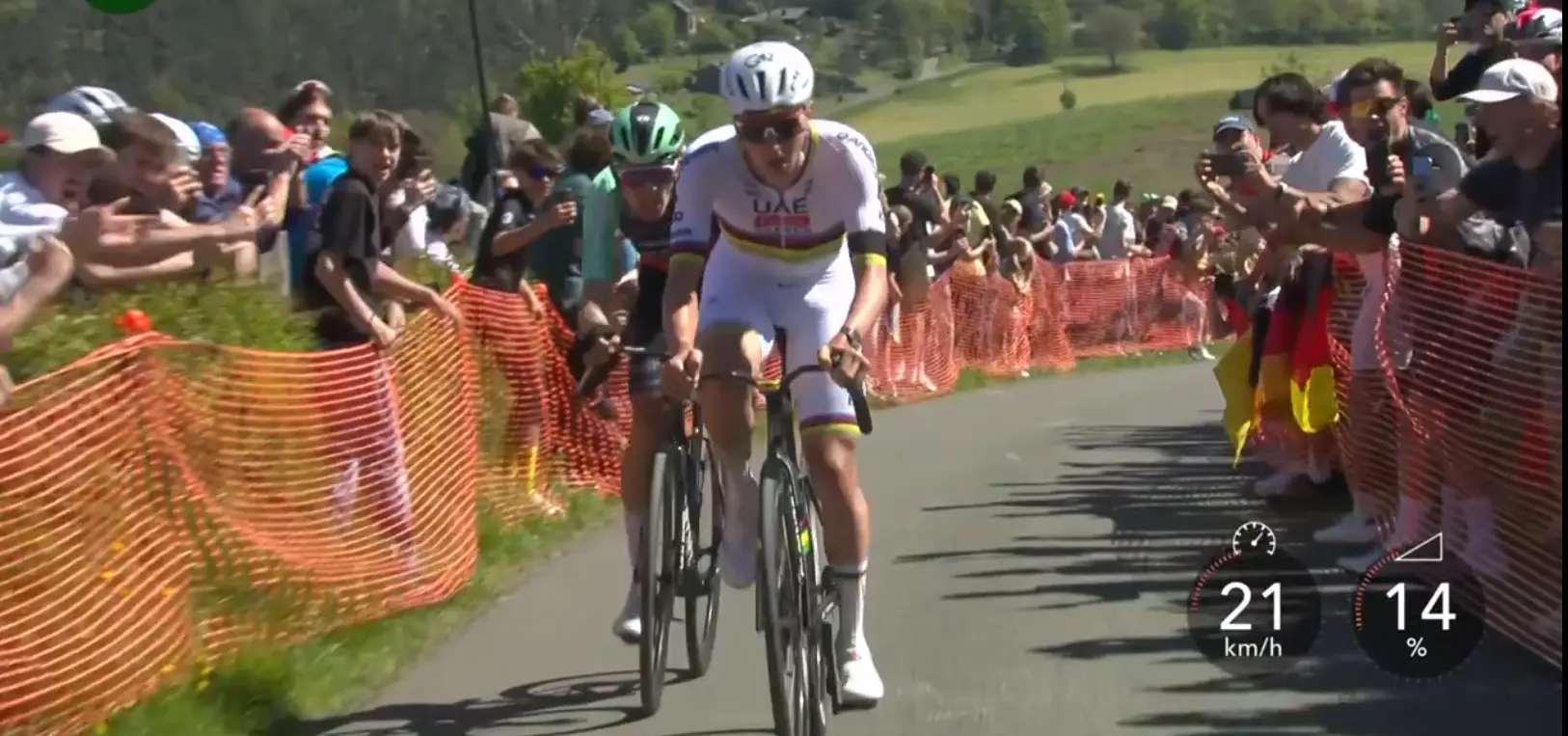
Tadej Pogacar and Paul Seixas at the 2026 Liêge-Bastogne-Liège
Building around a leader
Seixas’ emergence has shifted the dynamic within the Decathlon CMA CGM Team. Instead of developing within an existing hierarchy, he is now becoming the focal point for the team’s next phase. “When you have a talent like that, it becomes easier to attract high-level riders and convince them to come.”
That process is ongoing, and Roche stressed that structural change takes time to fully take hold. “It is a team that has existed for almost 40 years and has undergone a deep transformation, including on the technical and performance side. Some historic figures have left, and new people have arrived. It is an important change, but it takes time. It is not something you do overnight.”
A wider shift
Seixas’ rise also reflects a broader trend within French cycling, though Roche was clear that this is the result of long-term work rather than a sudden breakthrough. “In my opinion, it’s not magic. It takes years and years of work.”
For Seixas himself, that work has created a situation rarely afforded to a rider of his age. The performances already justify the interest from elsewhere, but they also allow him the option of continuing his development within a structure that is evolving alongside him. “He is so young that he can afford it, even if there is some risk.”
The decision ahead is no longer simply about reaching the top level. It is about where that next step should be taken, and whether leaving is even required at all.

Kieran WoodDeputy Editor-in-Chief
Kieran Wood is a sports journalist based in Wales and has been active in journalism since 2022. He regularly contributes to DartsNews.com and CyclingUpToDate.com, where he covers professional cycling and darts. In cycling, his work includes liveblogs from major races, including the Tour de France, the Giro d’Italia, and La Vuelta a España, alongside race reports and analysis. He has also conducted interviews with professional riders.
His reporting spans the full racing calendar, from one-day classics to stage races, with a focus on accurate, real-time coverage and clear contextual analysis. For statistics, results, and historical context, he regularly uses resources such as ProCyclingStats. To support reporting on rider activity and training context where relevant, he also references Strava.
In his work, Kieran places strong emphasis on careful sourcing, editorial accuracy, and updating articles as new, verified information becomes available.
claps 2visitors 2
Just in

Popular news
Latest comments
- I thought Seixas had hit the end of the road from a fatigue standpoint, after the WC meltdown - and he still finished ok. This was impressive and an amazing return.mij11-10-2026
- totally, eating crow for breakfast this morning. after the world championships I thought we were looking at a late season fade from fatigue. way to go Paul!mij11-10-2026
- Well if UAE the best team in history comes knocking their the only team in the world who can get Seixas. Seixas will become unbeatable and incredible there. Lets see if he stays at decathlon or goes to UAE.miguel11-10-2026
- Pogi would have won the Vuelta at around 10 min. But it would have been boring for fools like you. Capish?PogiSloFans11-10-2026
- Rather than me describing the technology at length on here, If you google. Line-scan cameras. They are also sometimes called Slit-Scan cameras. Either search will fill you in. You can read all about how they. work. Enjoy! Just to be clear the cyclist is saying he wants to see exactly where the digital finish line is in relation to the actual physical finish. At this point we only have the word of the authority that the digital line corresponds to the exact starting edge of the physical finish line. That seems like a reasonable request to me.Prorodsandstuff11-10-2026
- 100% @Jumpyjohn, good point well raised.anonymouscyclist11-10-2026
- The media keep stirring the soup.. or spitting in it
 leedorney11-10-2026
 - Yes, he has won many races... second class races. He isn't the real deal... Seixas is the real deal. Capish?PogiSloFans11-10-2026
- What are you guys talking about? I'm not the one you guys think I am. I'm a Slovenian Pogi fan, that's all... the guy you're talking about is a Croation Ustasha. Capish?PogiSloFans11-10-2026
- It would be epic if Seixas came to UAE. 3/4 of the commentators on this site would stop watching cycling... ha ha ha ha ha ha...PogiSloFans11-10-2026
Loading
Write a comment