“Everything has been said about Seixas, this was the ultimate confirmation” - Thijs Zonneveld excited about Paul Seixas’ future after his battle with Pogacar at Liège
Cycling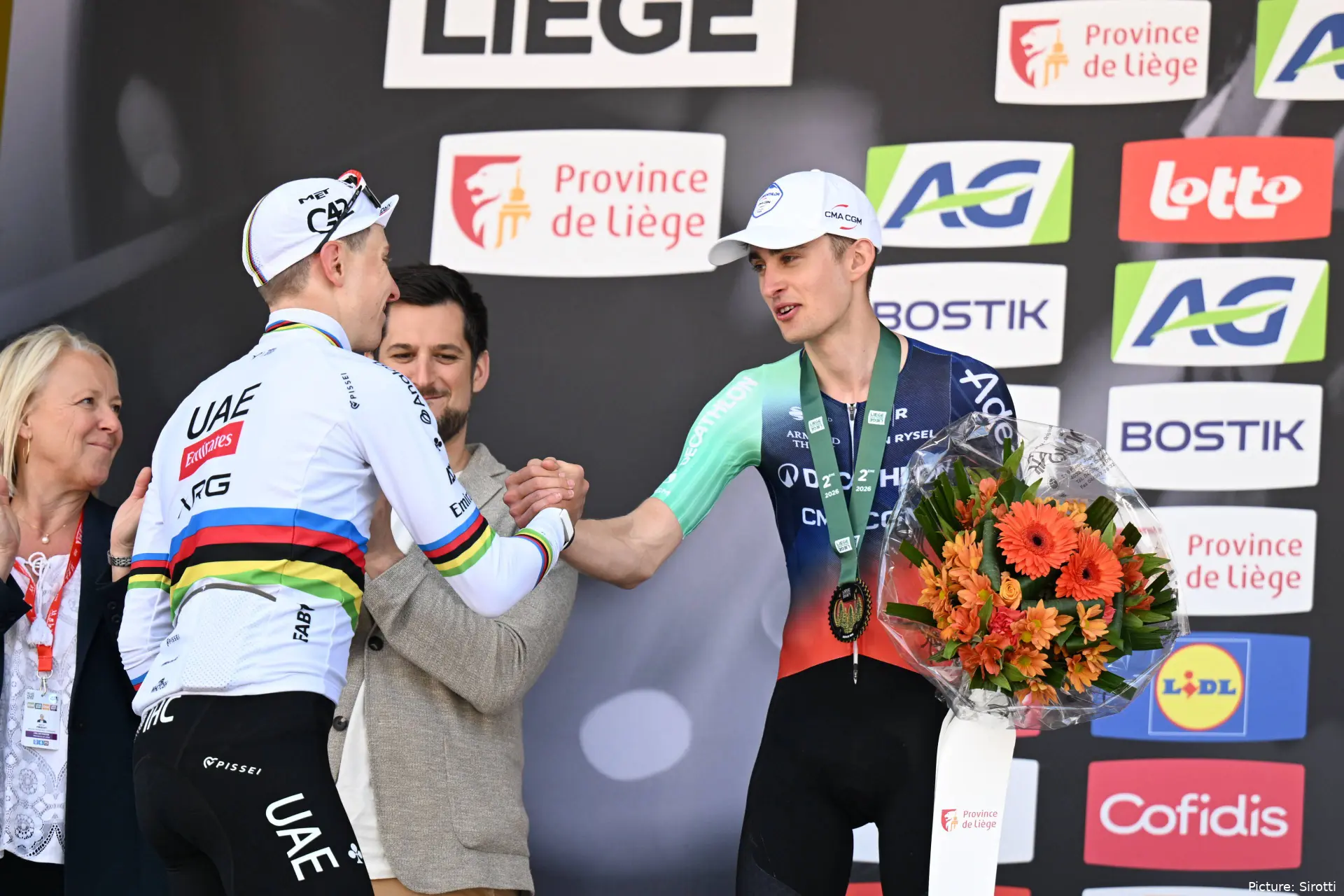
After two relatively uneventful editions of Liege-Bastogne-Liege, this year’s race finally delivered a sense of drama, and much of that was thanks to Paul Seixas. The 19-year-old Frenchman produced the ride of his young career by staying with Tadej Pogacar on the decisive slopes of La Redoute, something almost no rider has managed in recent years.
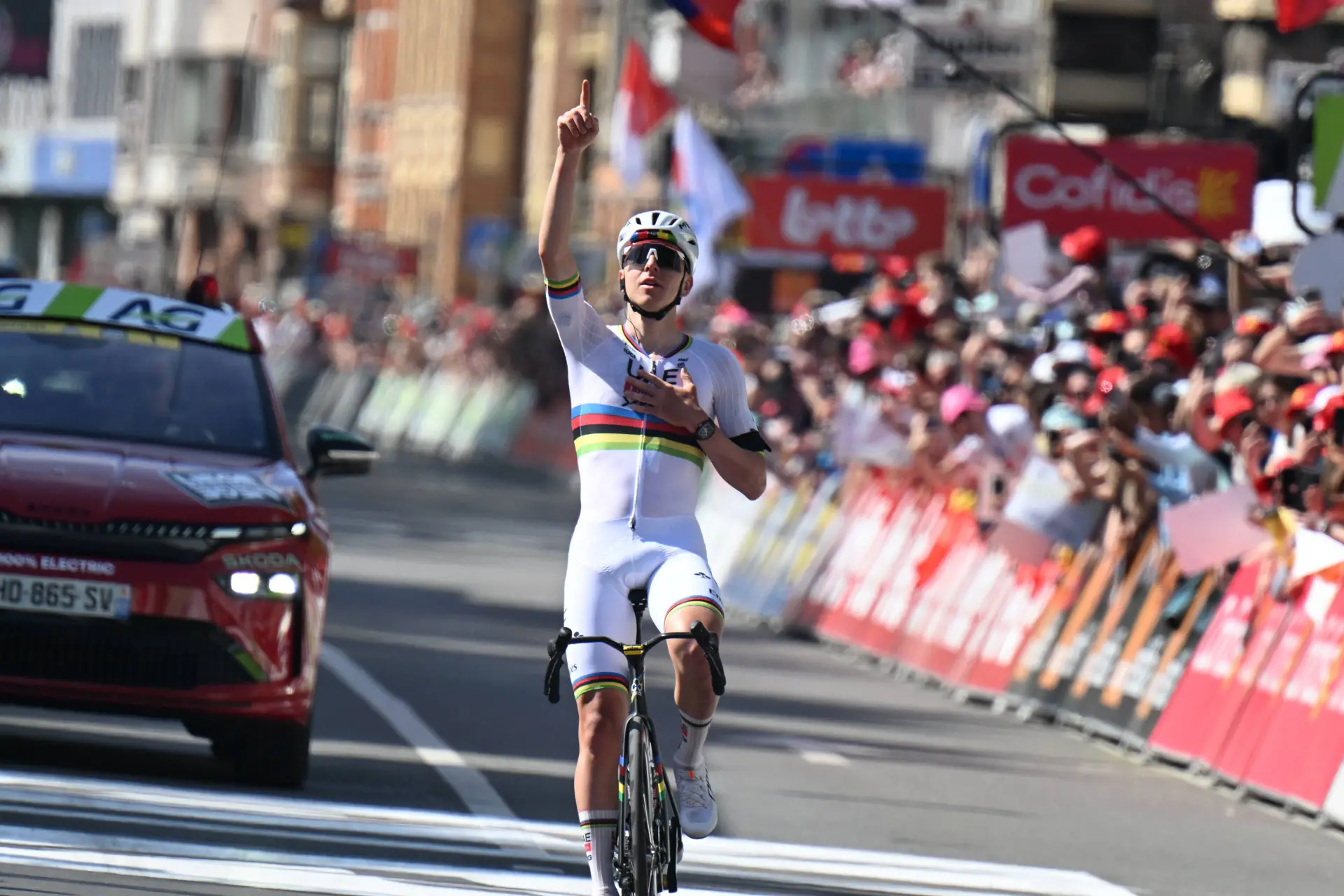
As expected, Pogacar launched his trademark acceleration on the iconic climb, but unlike previous editions, he did not ride away immediately. Seixas latched onto the world champion’s wheel and held firm, turning the ascent into the fastest ever recorded on La Redoute.
Speaking on In de Waaier podcast, cycling analyst Thijs Zonneveld could barely contain his amazement. “He really tried to drop Seixas in those 3 minutes and 45 seconds, and he couldn’t do it,” Zonneveld said. “I was cheering, simply because there was finally someone who could go with Pogacar.”
For several kilometres, Seixas looked entirely at home beside the dominant figure of modern cycling. The French teenager followed all the way until the climb of Roche-aux-Faucons, where the effort eventually caught up with him.
Midway up the ascent, the elastic finally snapped, and Seixas conceded around 45 seconds by the finish to the ultimately superior Slovenian. Yet the result mattered less than the statement.
At just 19 years old, Seixas was racing one of cycling’s most demanding Monuments and matching Pogacar deep into a 230-kilometre race. That alone was enough to leave seasoned observers stunned.
“We can say everything about how good Seixas is, it is completely clear that he is one of the biggest talents to emerge in years,” Zonneveld continued. “But that he can already follow Pogacar during an all-out effort on La Redoute, while riding his first real classic... that is extraordinary.”
He went even further in his praise. “We cannot even say it is Pogacar-like, because Pogacar himself was not that good at that age.”
That is no small statement, considering Pogacar’s own rise changed the standards of elite cycling. His early success forced the sport to evolve rapidly, from training methods to nutrition and aerodynamics.
“Those effects are still visible now,” Zonneveld explained. “Aerodynamics, training, nutrition, all those things. It is easier now to be ready immediately than it was in 2019. But still, this rider has done so few hard finals in races over 200 kilometres. I saw it happen, but I still cannot fully explain it.”
Seixas’ performance also placed him in rare company. According to Zonneveld, only Jonas Vingegaard and Tom Pidcock had previously been able to follow Pogacar at his very best in such explosive moments.
“And now a 19-year-old kid arrives in the biggest climbing classic of the year and follows him after 230 kilometres at the foot of La Redoute.”
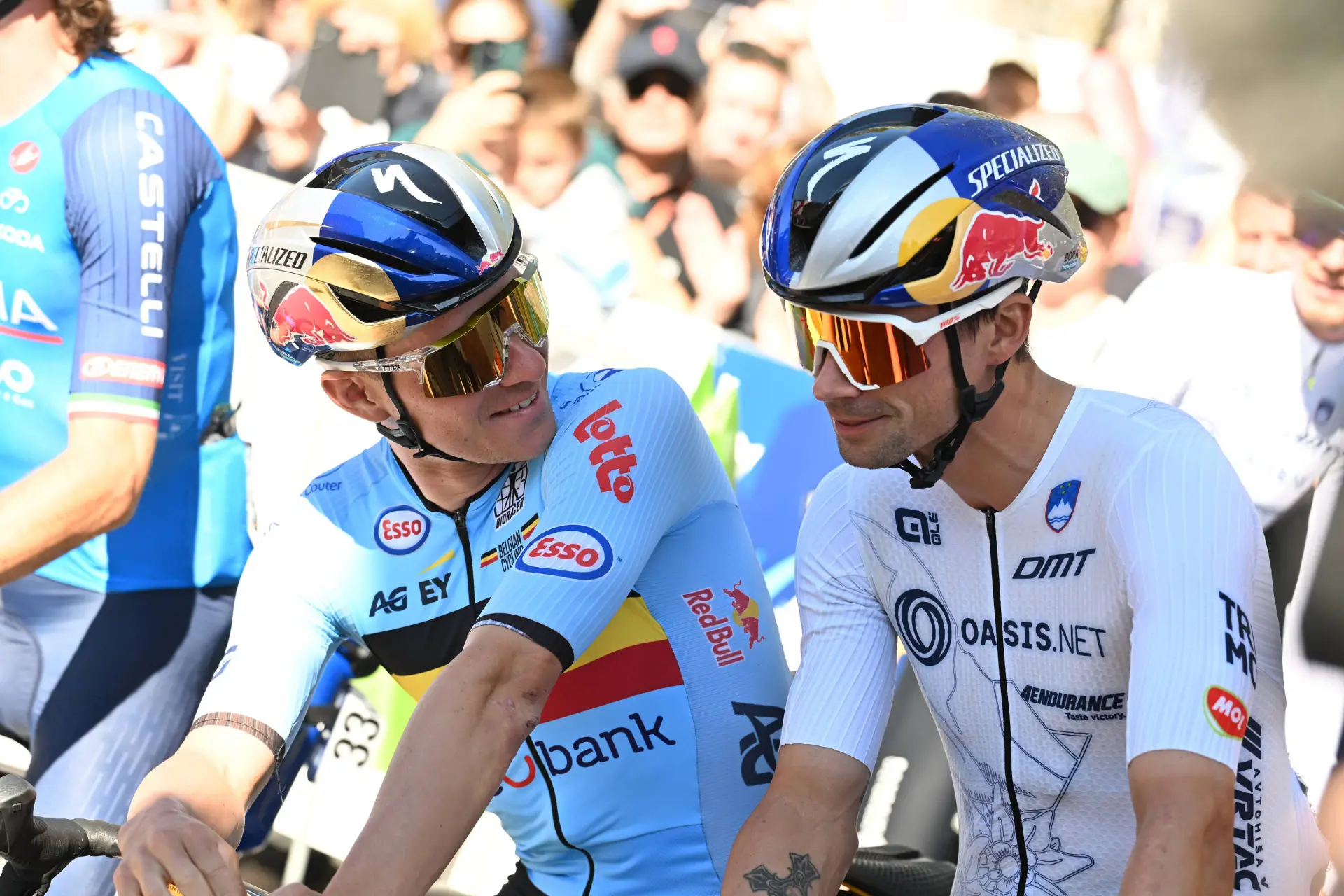
The contrast with the rest of the field made the feat even more striking. When Pogacar accelerated, most contenders were instantly distanced. Even riders of the calibre of Remco Evenepoel were left behind, while Seixas alone remained glued to the wheel.
“You can see behind them, with Evenepoel, how hard it is going. And that Seixas can follow... everything has been said about Seixas. This is the ultimate confirmation.”
Zonneveld then turned to the science behind the performance, describing La Redoute as the perfect “talent meter” because of its demands on pure aerobic capacity.
“It is the rawest piece of talent you can measure, how many millilitres of oxygen you can maximally deliver to your muscles. You can measure that in an effort of around four minutes. La Redoute is steep enough that aerodynamics do not really matter. It is a reflection of how high your VO2 max is.”
That helps explain why Seixas was able to stay with Pogacar in that one brutal effort, even if he later faded on Roche-aux-Faucons. According to Zonneveld, sustaining repeated efforts over long races is something experience and training can still improve dramatically.
“That he gets dropped afterwards is logical, but repeating this kind of effort is much more trainable and teachable.”
Which leads to one unavoidable conclusion: this may only be the beginning.
“He does not have all of that yet, because he has not raced those kinds of events enough,” Zonneveld said. “But if he keeps doing what he is doing now, and does not do too many strange things, then he will make it. Then he will be able to do it on Roche-aux-Faucons as well. Because that endurance, it will come.”
Carlos Silva is a writer for CyclingUpToDate.com, where he contributes race reports, interviews, analysis pieces, and live coverage of the international cycling calendar. Holding a degree in Sports from the Jean Piaget Institute, he combines academic knowledge of performance, training, and competition with hands-on journalism experience in professional cycling.
Throughout his career, Carlos has conducted interviews with leading figures in the sport, including Alberto Contador, Joaquim Rodríguez, Óscar Pereiro, João Almeida, Isaac del Toro, Derek Gee, John Degenkolb and Geraint Thomas. These conversations reflect direct engagement with Grand Tour winners, Classics specialists, and emerging talents.
He has provided on-site coverage at major events ranging from the Vuelta a España to the Tour de France, alongside stage races such as Vuelta a Andalucía, Volta ao Algarve, Volta a Portugal and O Gran Camiño. Covering the mythical climbs of the Giro d'Italia remains one of his professional ambitions.
Carlos is responsible for liveblog coverage of all major WorldTour races and beyond, including the Tour de France, Giro d'Italia and Vuelta a España. His reporting integrates verified data from ProCyclingStats to ensure statistical accuracy, contextual depth, and analytical precision.
A lifelong cycling enthusiast, he approaches storytelling across written, photographic, and video formats with a focus on credibility, tactical insight, and informed race interpretation.
claps 0visitors 0
Just in
Popular news
Latest comments
- Maybe Ineos are planning to concentrate on GC after recent statements about getting back to winning the Tour?Lozza09-10-2026
- lol maybe a better questionmij09-10-2026
- Does Ineos?Mistermaumau09-10-2026
- ThanksMistermaumau09-10-2026
- It depends on your religion or opinion of science but if you feel he did the right thing I suggest you go complain to guys like Mohorič, Mas, etc. for reminding him not to try to copy Senna too much.Mistermaumau09-10-2026
- yeah that was poorly written, but Gulio was in the pink, and they didn’t work for him to protect the jersey. they let a group get up the road. the transfers are out of hand. what is a contract for?mij09-10-2026
- does he make it two years?mij09-10-2026
- A lot of things should not be happening but everything seems to be getting worse, not just in cycling or sport or professional surroundings. People are abandoning (common) standards in their belief they are only responsible towards themselves and have lost the ability to care, consider or understand consequences for others. If you ride , you should have noticed by now. I’m not one to stick to rules per se but when, I don’t go round aggressing or criticising others who don’t either. On the bike you constantly get hooted, harassed, insulted or nudged off by drivers who broke at least double the number of rules you did before they point yours out. That said, I haven’t seen many specifics on this case yet so I’m not going to comment specifically, for now. If anyone knows more…Mistermaumau09-10-2026
- it is crazy. is this UAE at the end of Tadej’s reign? it happens!mij09-10-2026
- Not *all* Remco's wins have been without Tadej around. Tadej has beaten Remco in 2 direct head-to-head TT encounters, but the rest, with both present, Remco has taken the crown. If we're going to state facts, let's be accurate and give Remco credit where it is due, that man is often unbeatable in a TT.anonymouscyclist09-10-2026
Loading
1 Comments