DISCUSSION: Tour de France Stage 9 - Ineos made tactical errors? Where did Lidl-Trek fail? A masterpiece of offensive cycling?
Cycling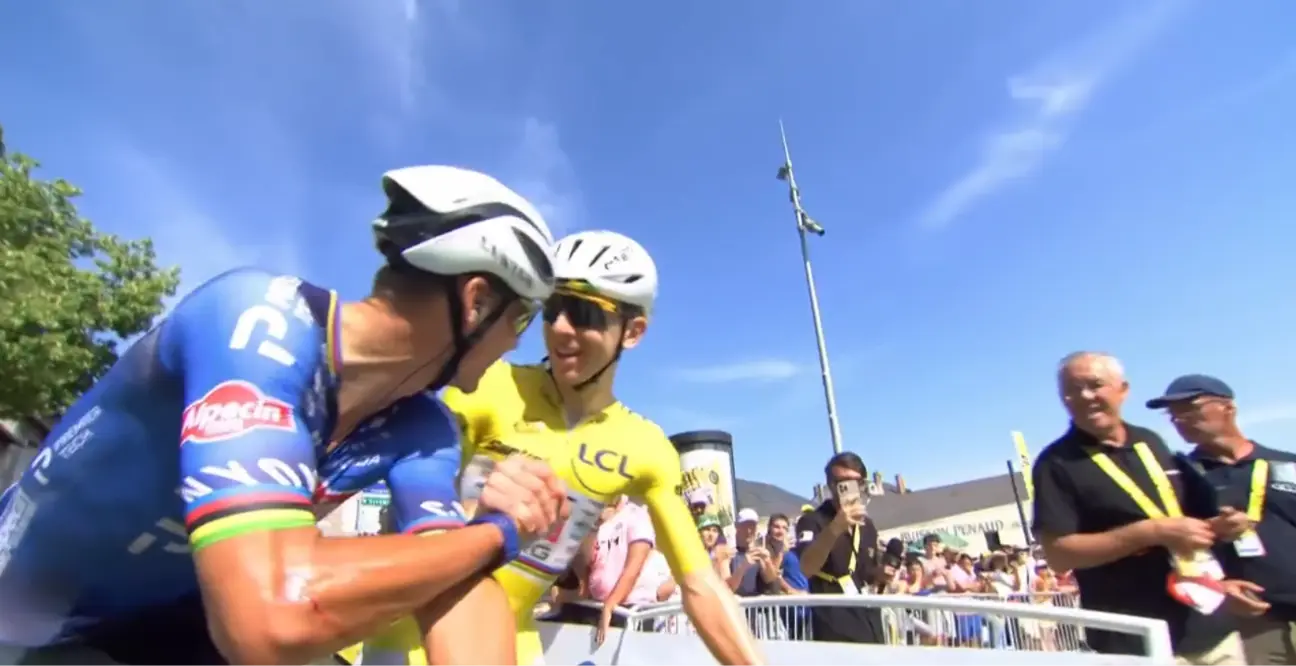
Mathieu van der Poel claimed an outstanding victory on Stage 9 of the Tour de France after spending the day in the breakaway and producing a decisive attack on the final climb before beating Tobias Halland Johannessen, Tom Pidcock and Alex Baudin in the uphill sprint to the finish in Ussel.
The stage, shortened from 185.5 to 155.5 kilometres because of extreme heat in the Corrèze region, featured four classified climbs and was widely expected to favour the attackers rather than the general classification contenders.
Long fight for the breakaway
After Lidl-Trek controlled the opening part of the stage to allow Mads Pedersen to take maximum points at the intermediate sprint, the race exploded. Mathieu van der Poel was one of the most aggressive riders throughout the opening hour, while Julian Alaphilippe also launched several attacks.
A prolonged battle eventually produced a large breakaway featuring Van der Poel, Quinn Simmons, Derek Gee, Alex Baudin, Valentin Paret-Peintre, Pablo Castrillo, Lars Craps, Lennert Van Eetvelt, Ion Izagirre, Clément Braz Afonso, Tobias Foss, Ewen Costiou, Marc Hirschi, Jordan Jegat and Tobias Halland Johannessen, before Tom Pidcock bridged across on his own.
UAE Team Emirates - XRG keeps control
Although none of the attackers posed an immediate threat to Tadej Pogačar in the general classification, UAE Team Emirates - XRG never allowed the gap to grow significantly. Tim Wellens and Felix Großschartner set the pace for much of the chase, while Netcompany INEOS also joined the pursuit later in the stage.
Lidl-Trek found itself in a difficult tactical position. Simmons and Derek Gee were part of the breakaway, while Pedersen remained in the peloton as a possible stage winner if the escape was caught.

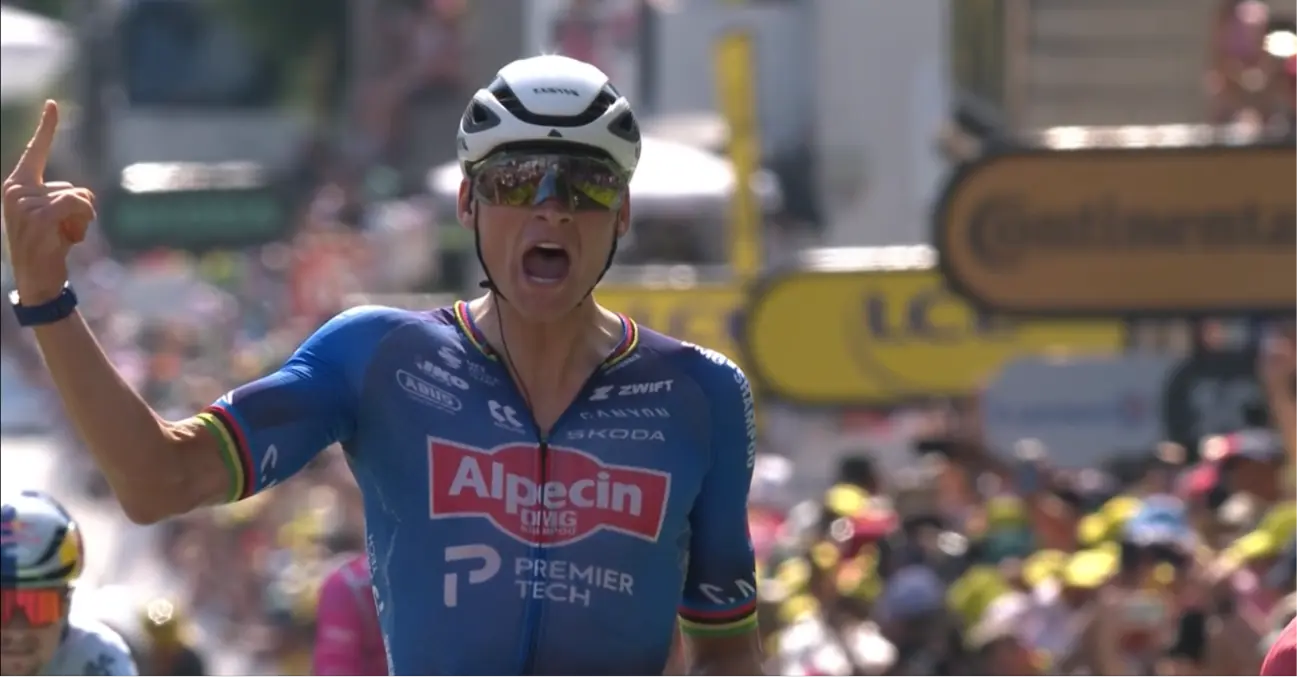
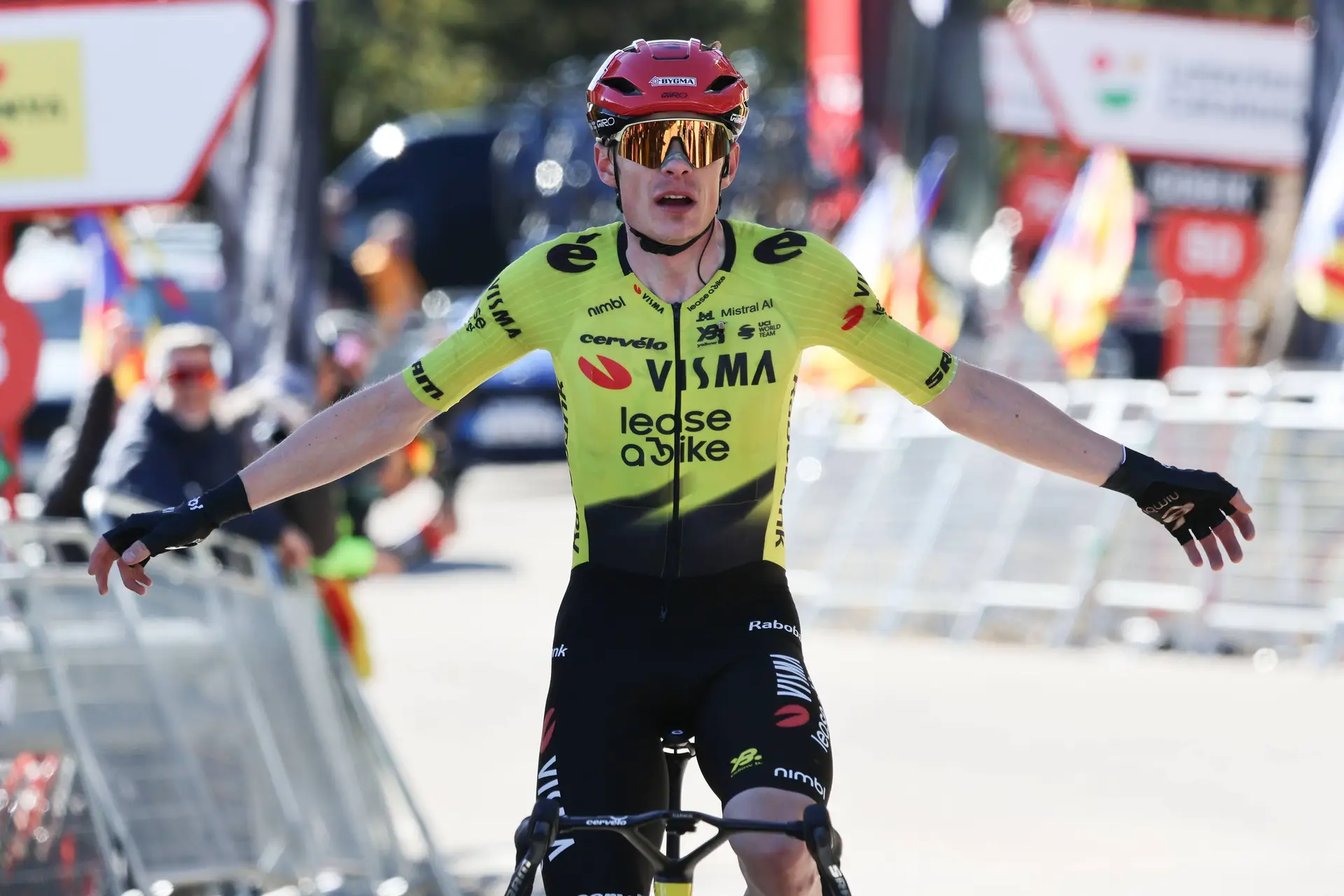
Mathieu van der Poel raises his arms exuberantly, celebrating victory on Stage 9 of the 2026 Tour de France.
Van der Poel makes the difference
The decisive move came on the Mont Bessou. Van der Poel attacked with authority, reducing the leading group to just four riders. Only Tobias Halland Johannessen, Tom Pidcock and Alex Baudin were able to follow his acceleration.
Behind them, Simmons and Derek Gee dropped back to help Pedersen, but despite the combined chase from UAE Team Emirates - XRG, Netcompany INEOS and Lidl-Trek, the leaders maintained their advantage.
Strongest to the finish
The quartet worked well together over the final kilometres, despite a brief mechanical issue for Pidcock that he managed to solve without losing contact.
Van der Poel launched the sprint from the front on the uphill finish and never looked vulnerable. Johannessen finished second, with Pidcock taking third after another impressive display.
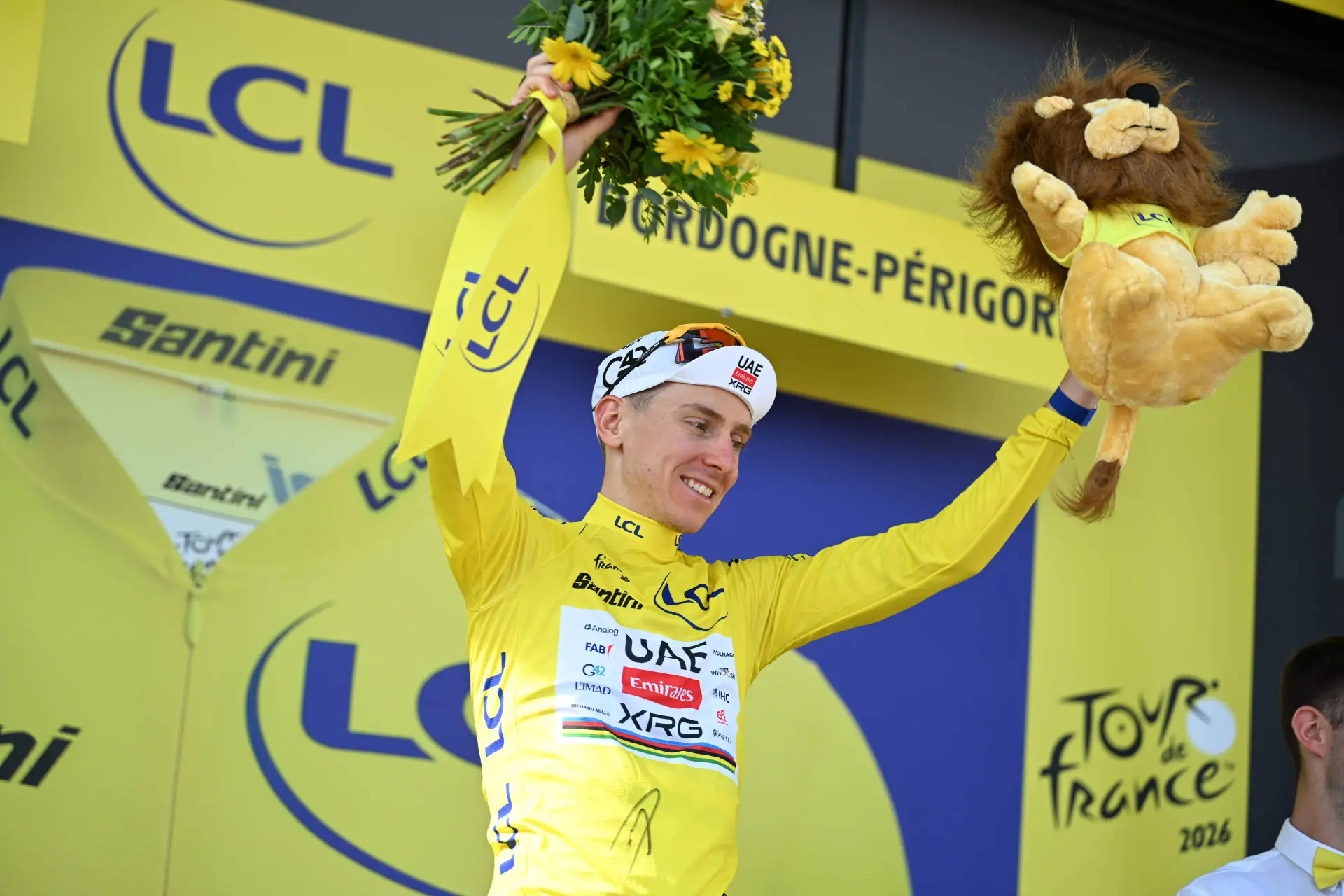
It was Van der Poel's third Tour de France stage victory, following his previous successes in Mûr-de-Bretagne in 2021 and Boulogne-sur-Mer in 2025. He also received the Combativity Award, while Tadej Pogacar retained the yellow jersey heading into the first rest day.

The quartet that went clear at the front of the race worked together throughout and managed to take the battle for the stage victory all the way to the finish.
Today's Tour de France stage was a love letter to cycling
Carlos Silva, from CyclingUpToDate, was among those left most exhilarated by Mathieu van der Poel's victory at the end of Sunday's Tour de France stage. Reflecting on an unforgettable day of racing, he shared his thoughts on everything that unfolded on the roads of France.
Today, the riders at the Tour de France delivered a true love letter to cycling. We all knew it would be a long and brutal fight to establish the breakaway, but everything that happened before and after it finally formed was simply spectacular.
Julian Alaphilippe embodied that spirit better than anyone in the first half of the stage. The Frenchman attacked no fewer than five times, refusing to accept defeat. He clearly had this stage circled on his calendar and was determined to win it. But he wasn't alone. Plenty of other riders had exactly the same ambition.
When the breakaway eventually formed with 12 riders, featuring several big names, I was convinced the stage winner would come from that group.
Behind them, however, UAE Team Emirates - XRG controlled the peloton and set such a relentless pace that the bunch was reduced to just 39 riders. At first, I assumed UAE were riding for the stage victory. As the race unfolded, though, I wasn't so sure anymore.
On the final climb of the day, Mathieu van der Poel unleashed a devastating acceleration that only Tobias Halland Johannessen, Tom Pidcock and Alex Baudin could match. Lidl-Trek then instructed Derek Gee and Quinn Simmons to drop back, after neither rider managed to reconnect with Van der Poel's group.
Meanwhile, Netcompany INEOS, who had already taken responsibility in the peloton to protect Egan Bernal's position in the general classification, sent Tobias Foss to the front to increase the tempo and reduce the gap to the four leaders. With Lidl-Trek also contributing to the chase in an attempt to set up Mads Pedersen for victory, three different teams were pulling at the front of the peloton, each with completely different objectives.
What I don't understand is why INEOS didn't have anyone in the breakaway. Filippo Ganna tried to make it several times, Kévin Vauquelin was also active, but where were the rest of the team? Where was Thymen Arensman?
A perfect 10 out of 10 goes to the breakaway riders. Inside the final kilometre, I expected Alex Baudin to launch a long-range attack. On paper, he looked like the least likely to win if it came down to a sprint between the four of them. But he didn't. And I was genuinely happy to see Mathieu van der Poel raise his arms at the finish.
Over the previous two stages, he had given absolutely everything for his teammate Jasper Philipsen. If there was one rider I wanted to see win today, it was him. He attacked, he drove the pace, he never hid, and he spent countless kilometres in the wind.
Could Tom Pidcock or Tobias Halland Johannessen have won? Absolutely. But it just wouldn't have felt the same.

Tom Pidcock responded to Mathieu van der Poel's acceleration on the final climb of the day, but suffered a mechanical issue with his rear derailleur on the descent that almost brought his ambitions to an end.
Mathieu van der Poel turns Lidl-Trek’s tactical gamble into a masterclass, while Tom Pidcock refuses to surrender
Pascal Michiels of RadsportAktuell was equally enthusiastic at the end of the stage. Clearly thrilled by the day's events, he reflected on an unforgettable afternoon of racing and shared his perspective on how the action unfolded and why Mathieu van der Poel's victory felt so deserved.
Stage 9 had everything a breakaway day should offer: relentless attacks, tactical confusion, an uncertain chase and a finale in which strength mattered just as much as tactics. In the end, Mathieu van der Poel did not merely win. He bent the entire race to his will.
When the peloton reduced the gap to around half a minute before the final climb, the Dutchman did not panic. He attacked. His acceleration on the Mont Bessou shattered the breakaway and forced everyone else into survival mode.
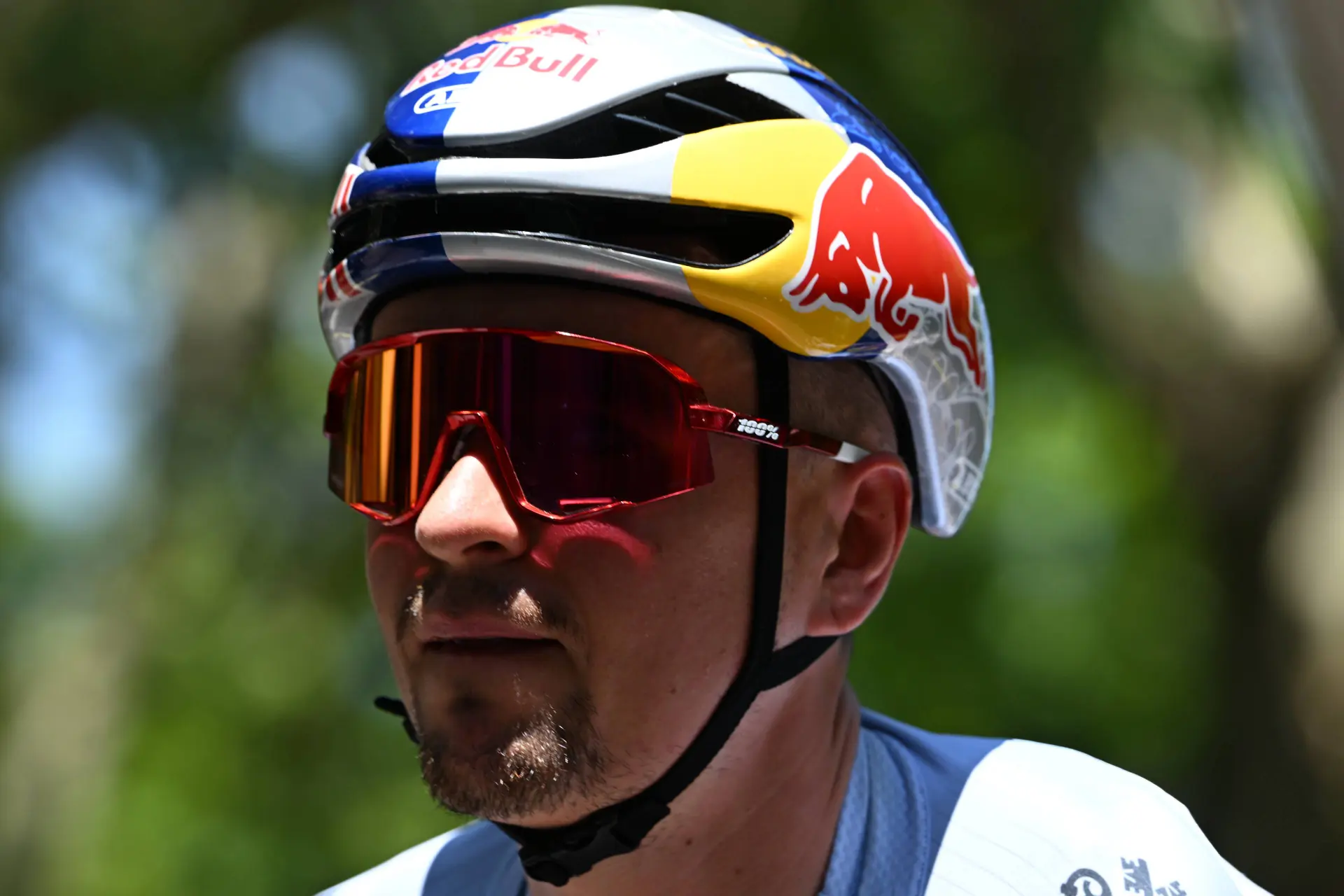
That move was crucial. Van der Poel did not wait for Lidl-Trek to complete the chase. He removed their riders from the front group, selected the strongest companions and rebuilt the advantage himself. Tom Pidcock, Tobias Halland Johannessen and Alex Baudin were the only riders able to remain in contention. From that moment, the race belonged to the quartet.
Van der Poel then completed the job with remarkable composure. He led into the final kilometer, accepted the responsibility and still had enough power to dominate the uphill sprint. Pidcock sat directly behind him but could not produce an answer. Johannessen came closest, yet the result never truly looked in doubt once Van der Poel launched. It was a victory built on instinct, aggression and complete confidence.
Lidl-Trek played a major role in shaping the stage, but not in the way the team would have wanted. The squad initially appeared to hold an enviable position. Quinn Simmons and Derek Gee-West were in the dangerous move, while Mads Pedersen remained in the reduced peloton with several teammates. That gave Lidl-Trek options on both sides of the race. The problem was that options eventually became hesitation.
Simmons and Gee-West continued to contribute in the breakaway while Pedersen remained a realistic contender behind. By the time Lidl-Trek committed fully to the chase, the strongest riders at the front had already organized themselves. Simmons was eventually ordered to wait, but the decision came too late to change the outcome.
Read also
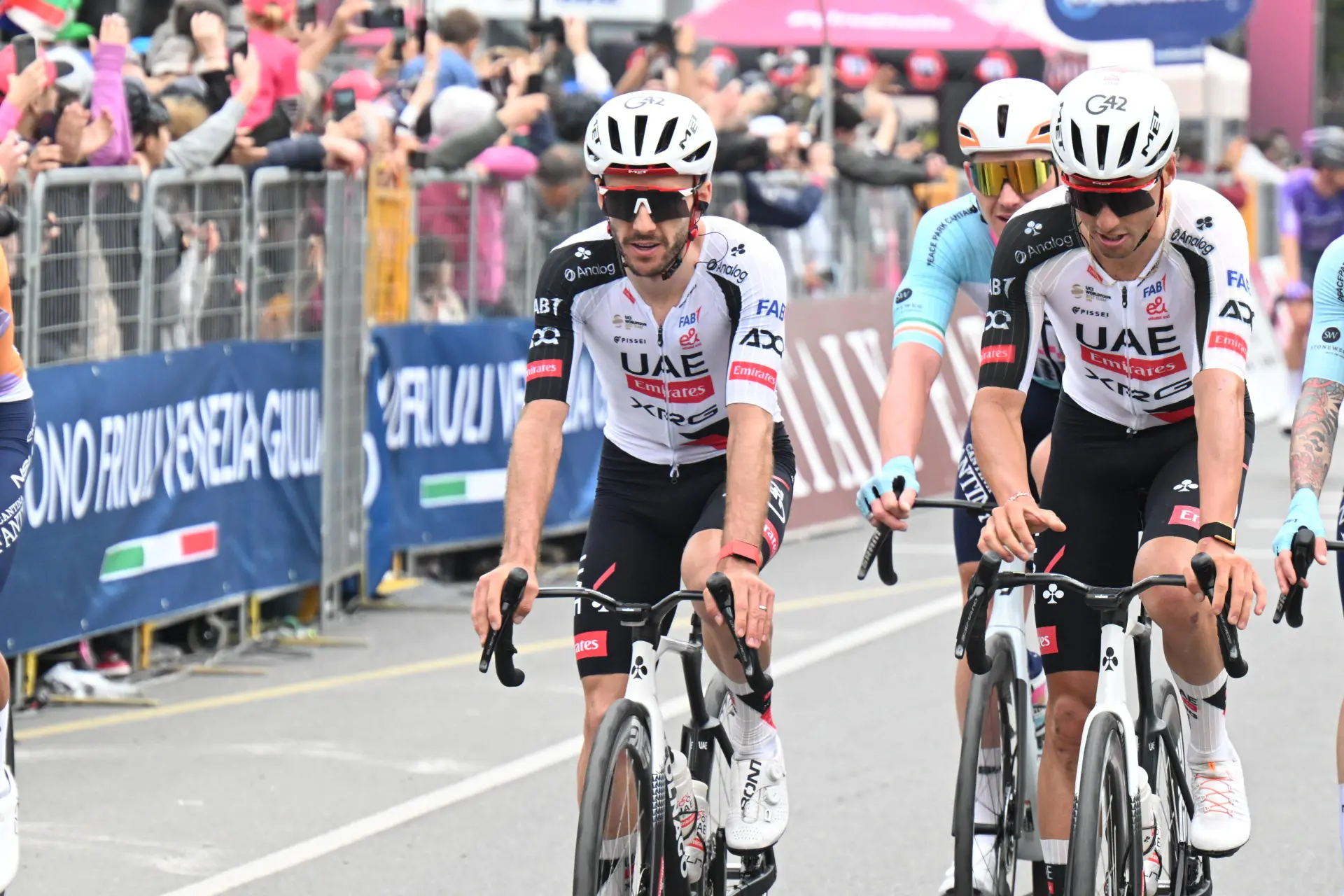
Lidl-Trek effectively threw away its strongest tactical cards and was then forced to chase the race it had helped create. Pedersen still finished sixth and collected valuable points, but the team had spent too much energy without ever taking control of the decisive moments.
Pidcock deserves enormous credit as well. His stage nearly ended in the descent when a mechanical problem prevented him from pedaling properly. In a moment of frustration, he kicked the gear mechanism with his foot while still riding. Somehow, it worked.
That incident captured Pidcock's entire performance. It was improvised, defiant and slightly chaotic. He lost contact with the leaders, repaired the problem himself and fought his way back into the decisive group. Finishing third may feel disappointing after reaching the final sprint, but his refusal to accept defeat kept him in the race.
Pidcock was one of the strongest riders on the climbs and repeatedly helped shape the breakaway. The final sprint exposed the difference between being strong enough to survive Van der Poel and being strong enough to beat him.
On this day, nobody was. The stage had been identified in advance as a potential spectacle, and it delivered. More importantly, it reminded everyone what happens when Van der Poel reaches the finale with confidence and freedom: tactical plans collapse, hesitation is punished and the race suddenly revolves around him.

UAE Team Emirates - XRG controlled the peloton for most of the stage, never allowing the breakaway riders to build an advantage of more than a minute and a half, while gradually reducing the peloton to just 39 riders.
Van der Poel saves Alpecin's Tour
Javier Rampe of CiclismoAlDia also reflected on another captivating day at the Tour de France. After the finish, he shared his thoughts on the tactical battle that unfolded throughout the stage, offering his analysis of the key moments that ultimately paved the way for Mathieu van der Poel's memorable victory.
Mathieu van der Poel rescued what had otherwise been a modest Tour de France campaign for Alpecin. Up to this point, Jasper Philipsen has not had luck on his side, although fortune is often earned as much as it is found. In that regard, few riders in the peloton can match Van der Poel's relentless determination.
The finest Classics specialist of his generation, with the only real exception being the ever-present Tadej Pogačar, hunted down the breakaway, shaped it to his liking and then finished the job himself. Van der Poel was the architect of his own success from start to finish, delivering a masterclass in how modern cycling should be raced. Gone are the days when the dominant Sky trains controlled every move, with only Visma occasionally managing similar displays in Grand Tours such as the Giro d'Italia and the Vuelta a España.
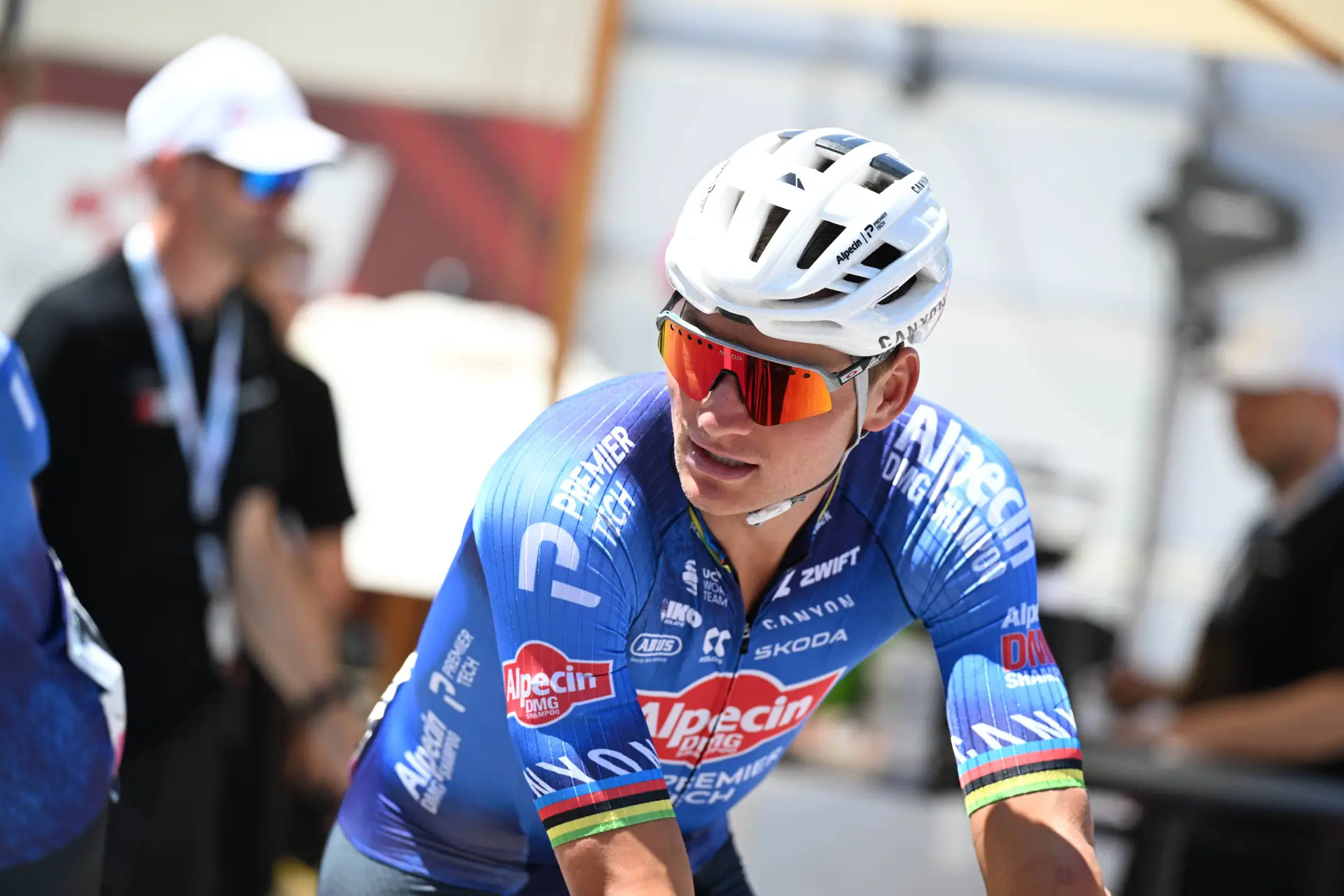
Despite Pablo Castrillo's complaints about UAE Team Emirates' control of the race, the Emirati squad largely allowed the breakaway to go, focusing instead on monitoring the riders who could still pose a genuine threat in the general classification. Though, at this stage, it is fair to ask whether anyone is truly capable of challenging the heir to Eddy Merckx's throne, Tadej Pogačar.
From a Spanish perspective, Movistar Team made repeated attempts to join the breakaway but simply lacked the legs. It is a polite way of saying that the Spanish outfit did not have the endurance or the speed required to make the decisive move. The question is, what lies behind such an underwhelming collective performance?
The Tour now heads into its first rest day with nobody having come close to troubling Tadej Pogačar. Movistar find themselves in an even deeper hole than they were nine stages ago, while the second week promises more opportunities for breakaway specialists, provided UAE Team Emirates' supporting cast is willing to let them fight for victory.
Verdict
Stage 9 delivered exactly what cycling fans had hoped for: relentless attacks, tactical uncertainty and a breakaway that had to fight for every metre. The opening battle to form the escape set the tone for one of the most entertaining stages of this Tour de France.
While UAE Team Emirates - XRG controlled the general classification battle and Lidl-Trek struggled to turn its numerical advantage into victory, Mathieu van der Poel read the race to perfection. Rather than waiting for events to unfold, he forced the decisive selection himself and never relinquished control.
Tom Pidcock's resilience, Tobias Halland Johannessen's climbing strength and the commitment shown by every rider in the breakaway deserved enormous credit, but none could match Van der Poel when the moment of truth arrived. It was a complete performance built on instinct, aggression and confidence.
The first rest day arrives with Tadej Pogacar firmly in control of the yellow jersey battle, but Stage 9 belonged to Van der Poel. It was a reminder that when he is given freedom to race on instinct, few riders in the modern peloton can match his ability to turn chaos into victory.
And you? What did you make of the stage 9 of the Tour de France 2026? Tell us your thoughts, share your opinion on all the key moments and incidents from the race, and join the discussion.
Carlos Silva is a writer for CyclingUpToDate.com, where he contributes race reports, interviews, analysis pieces, and live coverage of the international cycling calendar. Holding a degree in Sports from the Jean Piaget Institute, he combines academic knowledge of performance, training, and competition with hands-on journalism experience in professional cycling.
Throughout his career, Carlos has conducted interviews with leading figures in the sport, including Alberto Contador, Joaquim Rodríguez, Óscar Pereiro, João Almeida, Isaac del Toro, Derek Gee, John Degenkolb and Geraint Thomas. These conversations reflect direct engagement with Grand Tour winners, Classics specialists, and emerging talents.
He has provided on-site coverage at major events ranging from the Vuelta a España to the Tour de France, alongside stage races such as Vuelta a Andalucía, Volta ao Algarve, Volta a Portugal and O Gran Camiño. Covering the mythical climbs of the Giro d'Italia remains one of his professional ambitions.
Carlos is responsible for liveblog coverage of all major WorldTour races and beyond, including the Tour de France, Giro d'Italia and Vuelta a España. His reporting integrates verified data from ProCyclingStats to ensure statistical accuracy, contextual depth, and analytical precision.
A lifelong cycling enthusiast, he approaches storytelling across written, photographic, and video formats with a focus on credibility, tactical insight, and informed race interpretation.
claps 1visitors 1
Just in
Popular news
Latest comments
- It would be a shame to lose one of the coolest names in the pro peloton...bobo22-10-2026
- Pog can be beat, so, yeh 👍
 leedorney22-10-2026
 - absolutely iconic face/effortwrsty22-10-2026
- EF makes some pretty good signings. Tao and Sosa could be decent replacements for Carapazmij22-10-2026
- gravel is such a great discipline. I hope it gets bigger from a media standpoint. looking at old Tour de France stages, they were basically gravel before it was called gravelmij22-10-2026
- This is good for the sport ? Spreading of talent around the peloton.
 Davide22-10-2026
 - Im all in with you Wally. Good Luck.Davide22-10-2026
- No it’s not, what utter drivel. How do you know he wasn’t presented the option to stay with a renegotiated contract. I’m sure if he’d not gotten a better deal elsewhere he would even have considered accepting. It’s not like they would have told him to ride for free like Cavendish had to.Jumpyjohn21-10-2026
- It’s been a long time since any real Special accomplishments.Jumpyjohn21-10-2026
- It's nice to know that (some of) this article is not AI generated... igneous is autocorrected Ineos
 Rafionain-Glas21-10-2026
Loading
Write a comment