DISCUSSION | Paris-Roubaix 2026 - Wout at last, Arenberg the turning point, did Alpecin’s mistake cost Mathieu his fourth title?
Cycling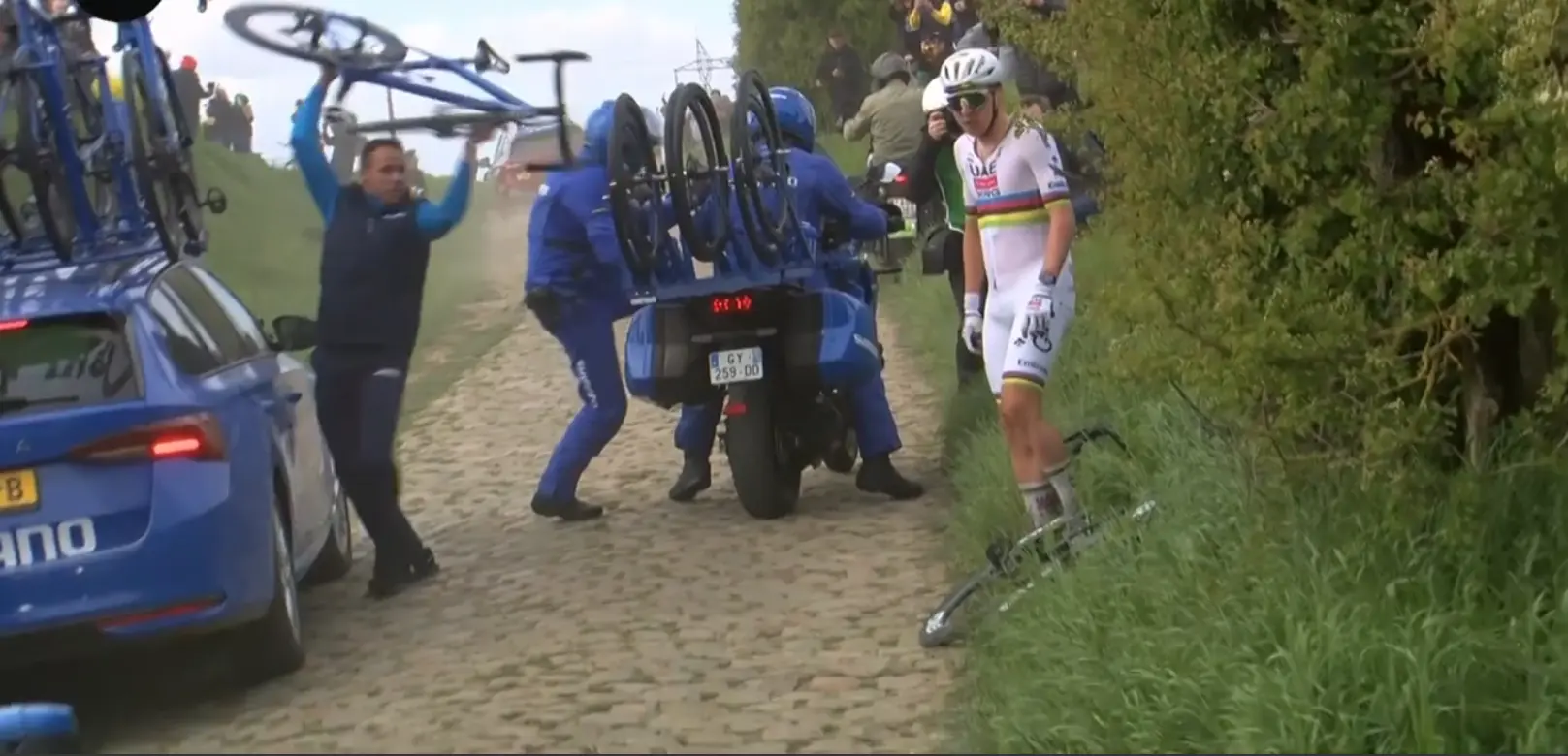
Wout van Aert finally conquered Paris-Roubaix, and he did it the hard way. After years of chasing success on the cobbles, often coming close but never quite sealing the deal, the Belgian rider delivered one of the most complete performances of his career.
In a chaotic, attritional and relentlessly aggressive edition of the Hell of the North, he outlasted and outsmarted Tadej Pogacar in a two-man sprint on the Roubaix velodrome, securing a victory that had long felt inevitable but never guaranteed.
This year’s race unfolded over the traditional 259 kilometres between Compiègne and Roubaix, featuring thirty punishing cobbled sectors. From the very beginning, the pace was uncomfortably high.
There was no gentle easing into the race, no early calm before the storm. Instead, the peloton was immediately stretched by repeated accelerations, with multiple riders attempting to form a breakaway. None of these early moves were allowed much freedom.
Teams with ambitions kept the situation under control, knowing that positioning before the cobbles would be critical. Eventually, a larger group did slip clear, but the move never gained the kind of advantage required to truly threaten the favourites.
Behind them, teams like Alpecin Premier-Tech and Team Visma | Lease a Bike kept things tight. By the time the race approached the first cobbled sectors, everything had come back together, setting the stage for a long day of elimination.
The first key moment came earlier than many expected. Tadej Pogacar, riding Paris-Roubaix with the ambition of completing his Monument collection, suffered a puncture. It was the kind of setback that can ruin a rider’s chances instantly, especially in a race where positioning and momentum are everything.
For several kilometres, the Slovenian was forced to chase, initially on a neutral service bike before finally switching back to his own machine.
What followed was a revealing phase of the race. Pogacar, supported by teammates, rode strongly in pursuit, but the group ahead never fully committed to exploiting his misfortune.
There were moments of hesitation, particularly from teams that perhaps did not want to shoulder the responsibility too early. That indecision proved costly, as Pogacar eventually regained contact, resetting the race once again.
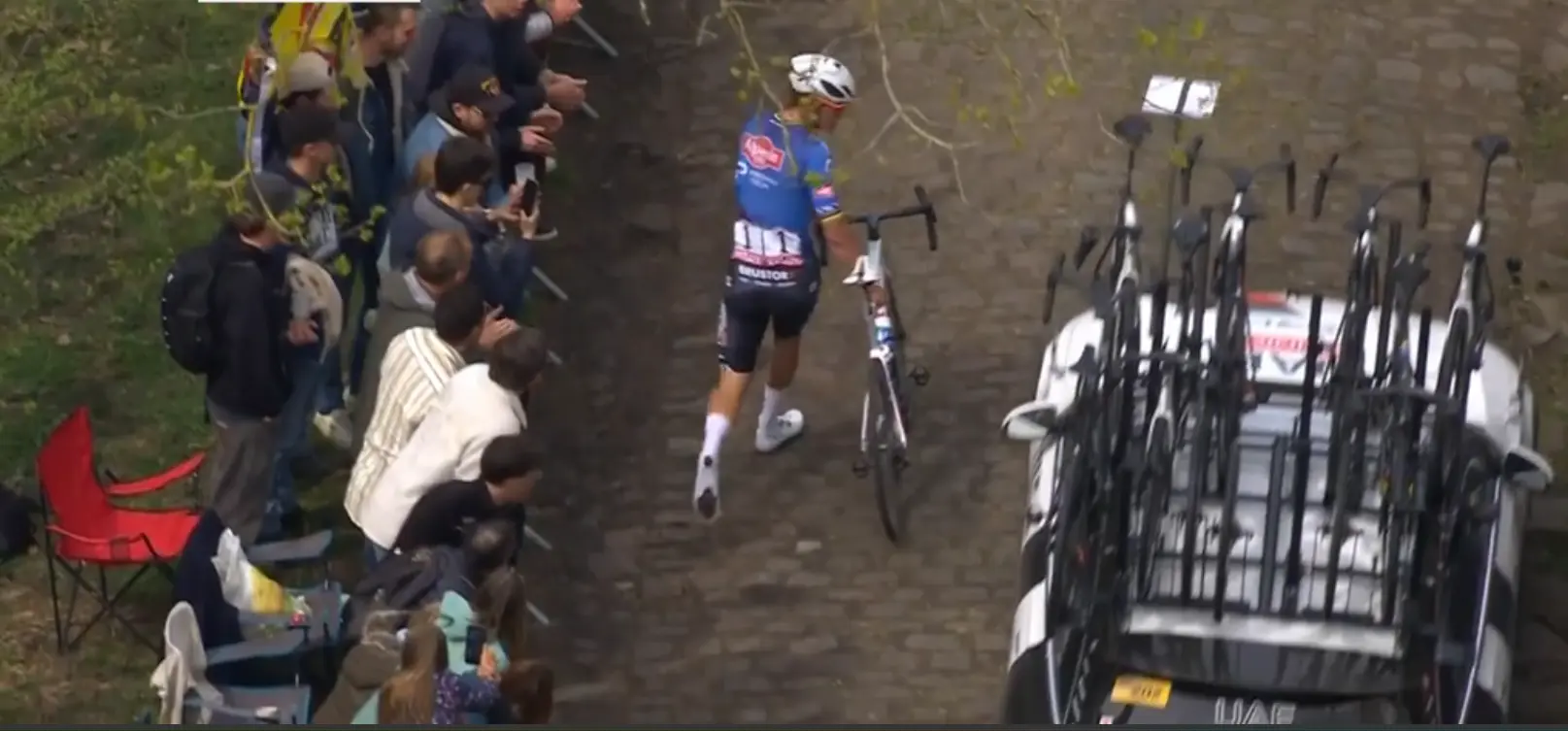
As the kilometres ticked down, the intensity only increased. The cobbled sectors began to take their toll, not just physically but mechanically. One of the most dramatic turning points came in the Arenberg Forest, where Mathieu van der Poel, one of the pre-race favourites and a former winner, suffered a puncture.
What initially seemed like a manageable setback quickly turned into a nightmare. Multiple bike issues, delayed assistance and the sheer chaos of the sector combined to cost him significant time.
Van der Poel’s race unravelled in a matter of minutes. From being perfectly placed at the front, he suddenly found himself chasing, then struggling, and eventually riding for damage limitation rather than victory.
His determination remained clear, as he continued to push hard in the hope of returning, but the gap had grown too large. In Paris-Roubaix, bad luck rarely offers second chances.
Up ahead, the race was becoming more selective with each passing sector. Riders were dropped one by one as the pace remained relentless. Filippo Ganna, another strong contender, also suffered misfortune with a puncture and later a crash, effectively ending his chances.
Mechanical issues seemed almost inevitable, and surviving them became as important as physical strength. With around sixty kilometres remaining, the decisive phase began. Wout van Aert made his move, increasing the pace in a way that immediately split the front group.
Tadej Pogacar was the only rider able to respond convincingly. The two formed a leading duo, and it quickly became apparent that they were operating on a different level from the rest.
Behind them, the chasing riders struggled to organise. There were moments when the gap stabilised, even slightly decreased, but there was never a sustained, coordinated effort. Riders like Mads Pedersen, Jasper Stuyven and others found themselves caught between committing fully to the chase or conserving energy for a potential sprint for the remaining podium places.
Meanwhile, Van Aert and Pogacar continued to push each other forward. Their collaboration was not perfect, but it was effective enough. Both understood the stakes. For Pogacar, it was a chance to make history by winning all five Monuments. For Van Aert, it was an opportunity to finally secure the one that had eluded him for so long.
On Mons-en-Pévèle, Pogacar attempted to break the deadlock. He attacked more than once, testing Van Aert’s limits. Each time, the Belgian responded with composure. There was no panic, no visible strain beyond what was expected at that stage of such a brutal race. Van Aert rode intelligently, never overcommitting, always staying within himself.
As they approached Carrefour de l’Arbre, the tension increased. This sector has decided many editions of Paris-Roubaix, and once again it played a crucial role. Pogacar tried to apply pressure, even taking risks through the corners, but one slight misjudgement forced him to correct his line.
It was a small moment, almost insignificant in isolation, but in a race like this, it mattered. It allowed Van Aert to remain in control, to dictate the rhythm without being forced into a reactive effort.
From there to the finish, the scenario became clearer with each kilometre. The chasing group was not coming back. The gap remained stable, and the two leaders began to think about the final sprint. The psychological battle took over.
Pogacar spent more time on the front in the closing kilometres, while Van Aert chose his moments carefully, conserving as much energy as possible.
Entering the Roubaix velodrome, everything was still to play for. The noise, the history, the anticipation all built toward a final lap that would define the race. Pogacar led onto the track, setting the pace, perhaps hoping to control the sprint. Van Aert stayed close, never allowing even the smallest gap to open.
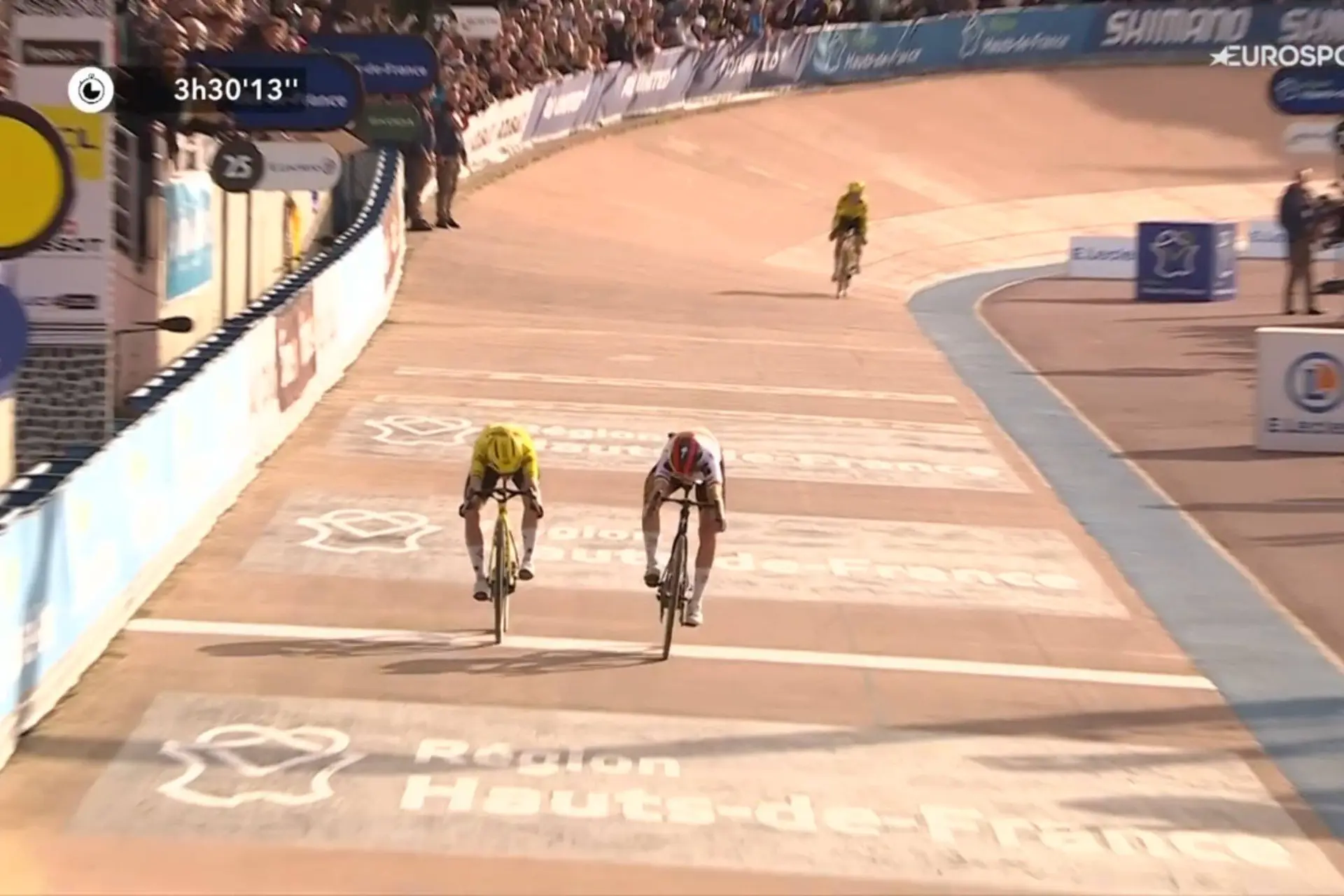
Then, with half a lap remaining, Van Aert made his move. It was decisive, powerful and perfectly timed. He accelerated from Pogacar’s wheel and immediately created a small gap. In that moment, the race was effectively decided. Pogacar tried to respond, but the effort of the day had taken its toll. The Slovenian could not close the distance.
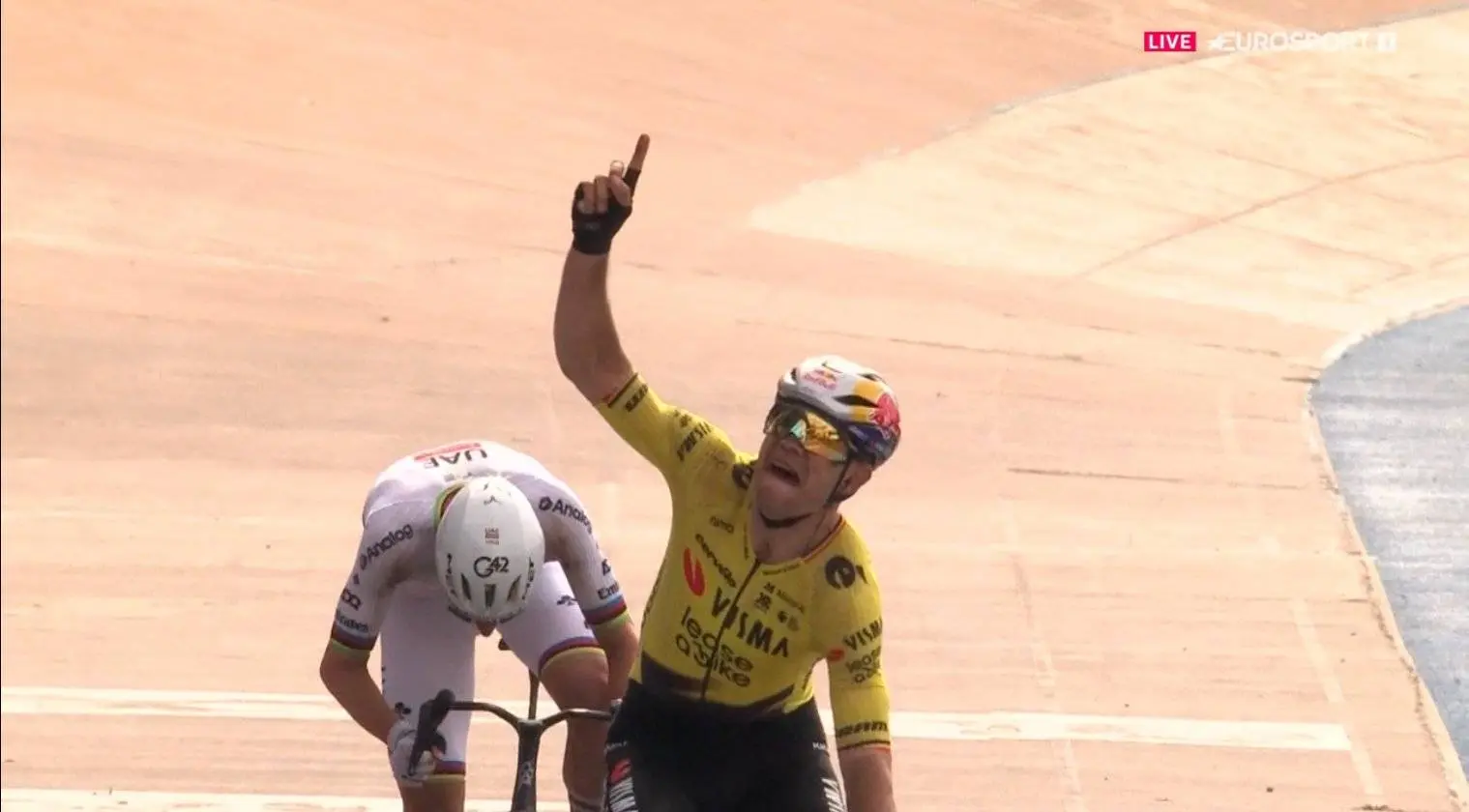
Van Aert crossed the line alone, arms raised, finally a winner of Paris-Roubaix. It was a victory built not just on strength, but on resilience, tactical awareness and an ability to navigate the chaos that defines this race. For Pogacar, second place was both impressive and frustrating. He had proven once again that he can compete anywhere, but the missing Monument remains just out of reach.
Behind them, Jasper Stuyven secured third place after a strong and consistent ride, while Van der Poel managed to recover enough to sprint to fourth, a result that reflected both his determination and the scale of the setbacks he had faced.
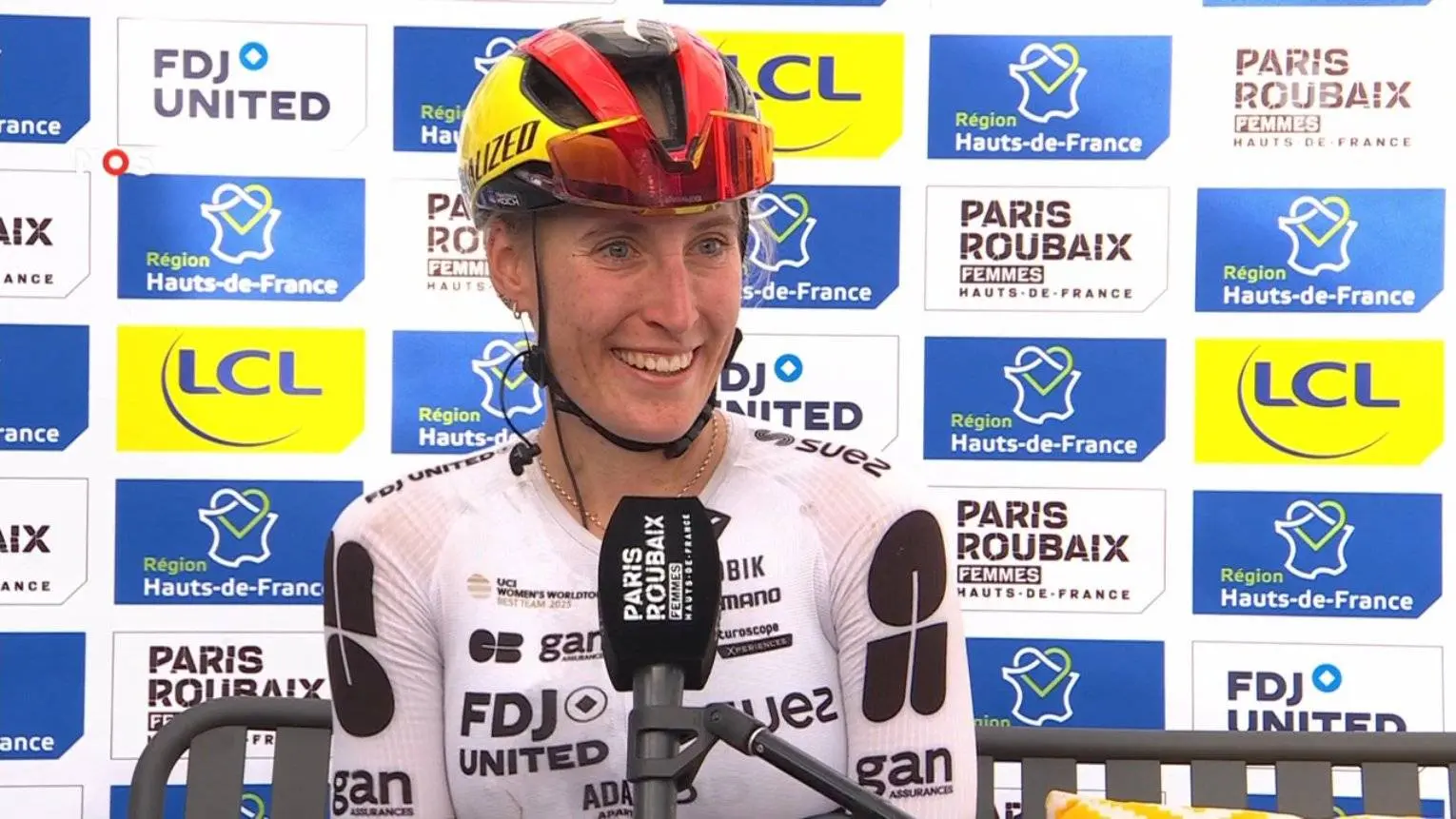
The women’s race had delivered its own compelling story. Franziska Koch emerged as a surprise winner of Paris-Roubaix Femmes, prevailing in a three-rider sprint against Marianne Vos and defending champion Pauline Ferrand-Prévot. The race followed a similar pattern of attrition, with the cobbles gradually reducing the field.
The decisive move came after Mons-en-Pévèle, when a small group of favourites broke clear. Blanka Vas was initially part of that move but later dropped, leaving Koch, Vos and Ferrand-Prévot to fight for victory. Each of them had their moments of strength and vulnerability, particularly Ferrand-Prévot, who struggled on some sectors but refused to give in.
In the final kilometres, Koch showed her intent with a late attack, but she was quickly marked. The trio entered the velodrome together, setting up a tense sprint. Vos, as always, was well positioned, but Koch held her line and produced just enough speed to take the win by the narrowest of margins.
Carlos Silva (CiclismoAtual)
The Hell of the North once again lived up to its name. Crashes, punctures, crosswinds, back-to-back brutality on the cobbles. To win Paris-Roubaix, you have to empty the tank completely, with nothing left to give.
Wout van Aert triumphed because Tadej Pogacar ran out of fuel first. The Slovenian’s legs turned to spaghetti when it mattered most.
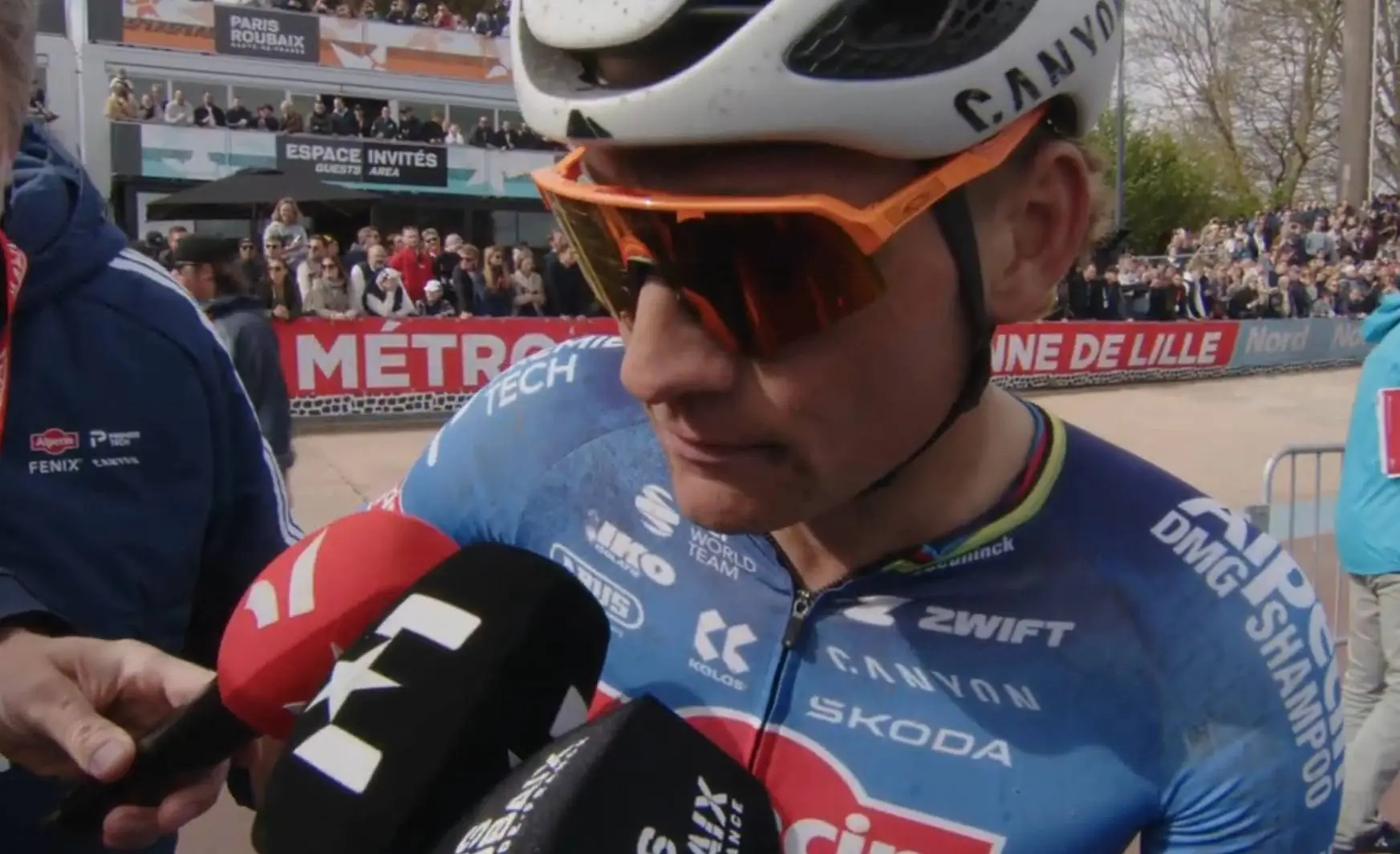
The unlucky men of the day were Mathieu van der Poel and Pogacar, the Dutchman even more so than the world champion. Punctures are part of Roubaix, that’s the nature of the race. But what should never be normal is teammates riding with different cleat systems.
Van der Poel could have stayed in the race. How did Alpecin Premier-Tech allow their riders to start with different pedals? A fundamental, almost unforgivable mistake.
Even the mechanical skills of Tibor Del Grosso were not enough, Van der Poel couldn’t get through the cobbled sector without suffering another puncture.
After Trouée d'Arenberg, those two minutes felt like ten. The effort he made to chase back was enormous, and he came within just 20 seconds of reconnecting with the leaders, keeping alive the dream of a fourth victory in Roubaix.
Pogacar punctured, switched to a neutral service bike, and later had to change again. The energy he burned in the chase cost him dearly in the finale. Filippo Ganna must have punctured five times. Jordi Meeus, completely spent and struggling, kept hopping from wheel to wheel, somehow surviving.
Tomorrow, maybe I’ll be able to write more calmly and clearly about the race. Today, I’m still overwhelmed, still processing everything that happened.
But one thing I won’t let slide: a so-called “fan” standing at the roadside who showed the middle finger to Pogacar. If you’re reading this and you know who that person is, tell him he don’t belong on the roadside. You add nothing to this sport. Here’s a middle finger back at you.
Ruben Silva (CyclingUpToDate)
I can be quite happy with the outcome of the race, as a fan, as I feel like Wout Van Aert's win was well deserved and is something that has been brewing for years.
I enjoy the Belgian riders' style of racing, always have, and it's been a pain to see him come so close to so many big wins over the years whilst it seemed like the cycling gods would not reward him with the win he's been looking for his entire career.
More than Flanders, which is now decided on the climbs only, Roubaix was well suited to him and he showed his peak form over the past few weeks. Over the past few years his disadvantage to Tadej Pogacar and Mathieu van der Poel had grown, and when he crashed in January I didn't believe he could win a monument ever again.
I'm gladly wrong. He did experience bad luck, but had incredible legs. Tadej Pogacar had incredible legs but his early mechanical and chase burned the energy he required to make the difference. No, he didn't win Roubaix yet, but I think it is also only a matter of time and UAE had their tactics dialed in.
Mathieu van der Poel could've also well won the race if he didn't experience such bad luck in Arenberg. The gaps he closed and the sharpness he still had at the finish made it clear that he was on an amazing day and continues to be mister Paris-Roubaix.
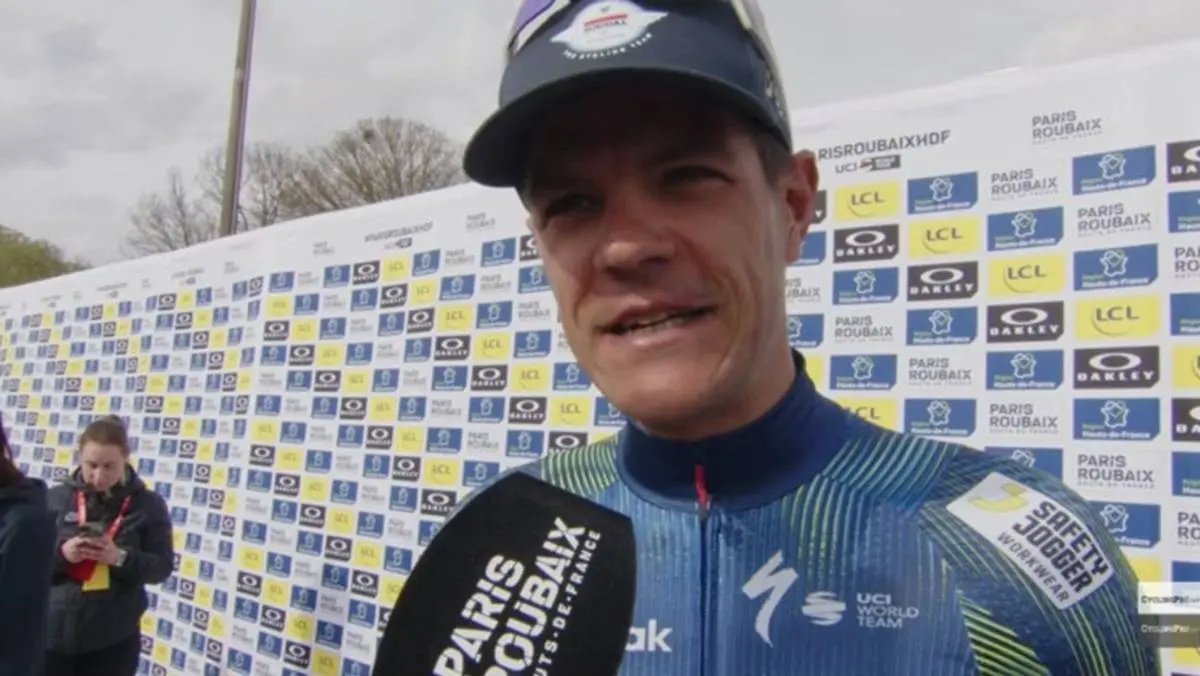
Mick van Dijke had a coming of age ride, confirming the talent he's shown over the past few seasons, which his twin brother Tim also showed; Jasper Stuyven gets a very well deserved podium spot in what is the return of Quick-Step to contention at Roubaix where they used to dominate in the past.
Stefan Bissegger also deserves a big mention after a second consecutive incredible Roubaix, finishing amongst the best from out of nowhere this spring. Looking at the results sheet in this race has to be taken with a grain of salt, because everyone has their own history.
Crashes and mechanicals happen to almost every rider and in different amounts. I enjoyed watching Jordi Meeus' race, up front after the Arenberg and then battling to survive, getting dropped continuously but somehow always finding himself near the front.
Whilst Filippo Ganna is also a mentionworthy name - he looked great, but once again had his race wrecked by punctures at key moments of the race.
Pascal Michiels (RadsportAktuell)
At last, it finally happened. The Belgian powerhouse - a relentless fighter, a hammer on the pedals - won Paris-Roubaix in magnificent style. After an early puncture, it looked like another familiar story for Wout van Aert.
Bad luck, more bad luck, and the same cruel pattern year after year had kept the rider from Herentals from victory time and again. But this time, it seemed everyone had to empty their plate of misfortune. Van der Poel took a double blow, Pogacar had his share too, and eventually Van Aert himself was hit again.
The second setback made it harder for the Belgian to come back. Riding alongside a completely spent Meeus, it seemed, right then and there, that the race was over for him. But he fought back on sheer grit - and even started attacking again.Pogacar looked comfortable, almost lounging.
But Wout van Aert was sharp. Focused. Completely in the zone. So much so that at one point he even had to dodge Pogacar, who briefly lifted off the cobbles after pushing too hard in an attempt to drop him. Moments earlier, Van Aert had nearly forced the world champion into a ditch - fortunately for Pogacar, there was none, and he was able to veer a meter and a half into the grass instead.
Read also
And so they rode side by side toward the Roubaix Velodrome. Van Aert, just as in the final ten kilometers, patiently waited on Pogacar’s wheel. Behind them, the chasers rolled onto the legendary track as well - beaten.
It would come down to the world champion and the rider who had never managed to win Paris-Roubaix. Pogacar launched late - or perhaps not at all - and Van Aert seized the initiative before the final corner. That was it. Pogacar was caught off guard. He tried, but never came a meter closer.
For the first time, Wout van Aert had his victory. He raised a finger to the sky, and seconds later, tears streamed down his face.A legend of cycling had won a legendary race — and the entire cycling world watched in quiet satisfaction. Wout van Aert had conquered Paris-Roubaix.At last, it had finally happened.
Jorge Borreguero (CiclismoAlDia)
The 2026 Paris-Roubaix lived up to its legendary reputation: chaos, epic drama, and a showdown between titans that ultimately crowned Wout van Aert the winner on one of cycling’s most iconic stages.
From the start, the race was a veritable battlefield. The breakneck pace and constant incidents - flat tires, mechanicals, crashes - prevented any real control of the peloton. Not even Tadej Pogacar was spared, forced to chase after a mechanical issue more than 120 km from the finish.
Even so, he managed to rejoin the pack, making it clear that his ambition to conquer the only Monument he lacks was unwavering. The passage through the Arenberg Woods marked a turning point.
There, Mathieu van der Poel was practically eliminated after several setbacks, while the race shattered into a thousand pieces and a select group of favorites emerged. The decisive move came more than 50 km from the finish, when Van Aert launched a devastating attack on the cobbles.
Only Pogacar and Mads Pedersen were able to respond initially, but the Dane soon fell back. From there, the race turned into a brutal duel between two all-around riders: Van Aert and Pogacar, trading attacks on legendary sections like Mons-en-Pévèle, without either managing to break away.
Behind them, riders like Christophe Laporte, Jasper Stuyven, and Van der Poel himself tried to organize a chase that never quite came together. The gap stabilized, and everything pointed to the victory coming down to the head-to-head battle at the front.
The final major challenge, the Carrefour de l'Arbre, confirmed the script: both held on at the front with enough of a lead to settle the race at the Roubaix Velodrome. And there, in the temple of the cobbles, Van Aert was superior.
He capped off a perfect performance, withstanding all the earlier attacks and sealing the deal in the final sprint against Pogacar, securing a historic victory in one of the toughest and most spectacular editions in memory.
Beyond the result, this Roubaix leaves us with several certainties:Van Aert returns to the top on the most demanding stage.Pogacar proves he can win here… though he’ll still have to wait.And Van der Poel, despite his problems, remains an essential part of this rivalry that is defining an era.
And you? What’s your opinion on Paris-Roubaix 2026? Tell us what you think and join the discussion.
Carlos Silva is a writer for CyclingUpToDate.com, where he contributes race reports, interviews, analysis pieces, and live coverage of the international cycling calendar. Holding a degree in Sports from the Jean Piaget Institute, he combines academic knowledge of performance, training, and competition with hands-on journalism experience in professional cycling.
Throughout his career, Carlos has conducted interviews with leading figures in the sport, including Alberto Contador, Joaquim Rodríguez, Óscar Pereiro, João Almeida, Isaac del Toro, Derek Gee, John Degenkolb and Geraint Thomas. These conversations reflect direct engagement with Grand Tour winners, Classics specialists, and emerging talents.
He has provided on-site coverage at major events ranging from the Vuelta a España to the Tour de France, alongside stage races such as Vuelta a Andalucía, Volta ao Algarve, Volta a Portugal and O Gran Camiño. Covering the mythical climbs of the Giro d'Italia remains one of his professional ambitions.
Carlos is responsible for liveblog coverage of all major WorldTour races and beyond, including the Tour de France, Giro d'Italia and Vuelta a España. His reporting integrates verified data from ProCyclingStats to ensure statistical accuracy, contextual depth, and analytical precision.
A lifelong cycling enthusiast, he approaches storytelling across written, photographic, and video formats with a focus on credibility, tactical insight, and informed race interpretation.
claps 1visitors 1
Just in

Popular news
Latest comments
- yeah it'll be an epoch shift when Pog can't drop people, and/or when they start dropping him.wrsty13-10-2026
- Yes, he won't ride away yet, but he will and that day will be notable
 leedorney13-10-2026
 - Expect the young French rider to slowly asphyxiate the Slovenian into retirement.
 Front24213-10-2026
 - My thinking is that Pog's experience and strength would have outweighed any fatigue in Il Lombardia. But the sad thing is, we'll never see peak Pog (call it Pog 2) go head to head with Seixas. However well he recovers from his crash, he'll return as Pog 3, with the shadow of severe concussion always there.Hills3313-10-2026
- Some speculation and opinion. Had Tadej not crashed out of the Vuelta he would have been less fresh and I'm not sure he would have beaten Seixas in this race. Maybe he would have been able to contest the race in a sprint and maybe not. Believe me when I say I keep up with many of Tadej's climbing feats and records and I understand how great he is but the Paul we just saw at Il Lombardia was not that far behind Tadej.awp13-10-2026
- Firstly, someone who says parenting is babysitting is delusional and shouldn't be taken seriously. Secondly, with pro athletes it is not the same as a normal worker. They are being rewarded for doing something for which they have a talent which doesn't actually help people (besides inspiration). It's quite a different dynamic
 Rafionain-Glas12-10-2026
 - only way for him to effectively learn to microdose is to go to uae. other than that there is no reason for him to go to uae.whkman12-10-2026
- that was a great win, and quite a surprise at the time. That was a loaded field, and he held of Valverde for the win. Still shocking that Valverde never won Lombardia. He seemed perfect for it. Mollema just went to work every day.mij12-10-2026
- I hope he races Volta a Majorca. We'll really be able to see if he can do one-day-races (but do they count?)Rafionain-Glas12-10-2026
- See, you can write a sensible comment without just slagging off everyone else! Well done!👏😆 🫣Lozza12-10-2026
Loading
Write a comment