
The landscape of professional cycling in
2026 has undergone a fundamental transformation, shifting from a singular focus
on mechanical "marginal gains" to a more comprehensive "total
performance" model. While the previous decade was defined by wind tunnel
testing, optimized carbon fiber layups, and meticulous calorie counting, the
current peloton is increasingly prioritizing longevity, mental resilience, and
holistic athlete wellbeing. This evolution comes as a direct response to the
hyper-focused youth culture that has seen teenage talents dominate the WorldTour at
unprecedented ages. Such rapid ascensions raise urgent questions within the
sport's governing bodies about how to sustain elite physical output without
compromising the human element. The transition highlights a broader industry
acknowledgment: true competitive advantage now lies in nurturing the mind and
the surrounding ecosystem just as intensely as the cardiovascular system.
To maintain peak form, athletes and their
management teams must constantly assess risk versus reward, a dynamic that
mirrors other high-stakes digital environments. For instance, consumers
evaluating high-yield digital platforms often seek out comprehensive reviews to read more about the underlying algorithms,
return rates, and secure ecosystems that guarantee consistent results. Just as
these digital platforms rely on complex statistical analysis to optimize
payouts for users, cycling teams are utilizing deep analytics to ensure their
riders receive the maximum physical and mental return from every block of
training and recovery.
Redefining the Modern Performance Benchmark
In this new era, the metric of success is
no longer strictly limited to the immediate power-to-weight ratio produced on a
single mountain climb. Instead, the ultimate benchmark is the ability to
maintain peak form across an increasingly dense and demanding global calendar.
High-tier organizations are now investing heavily in performance psychology,
sleep hygiene, and specialized recovery protocols that treat the athlete as a
complex, interconnected system rather than a motorized unit. This shift is highly
visible in how the top general classification contenders approach their seasons
today. They are frequently opting for targeted, high-impact racing blocks that
are interspersed with significant, closely monitored recovery periods to ensure
their careers extend well into their thirties.
The financial infrastructure supporting
these top-tier athletes has also matured significantly to support this holistic
approach. Sponsors and brand partners are no longer just looking for logo
placement on a winning jersey; they are actively investing in brand ambassadors
who embody a healthy, highly sustainable performance lifestyle. The overarching
objective is to create a completely frictionless environment where the
athlete's only job is to execute the race strategy.
The Integration of Technology and Human Factors
The technological boom in professional
cycling has reached a saturation point where biometric data is entirely
ubiquitous; every single watt generated, heart rate variability metric, and
millisecond of deep sleep is tracked with astonishing precision. However, the
most successful and dominant teams in 2026 are those that possess the wisdom to
know exactly when to look away from the screens. Leading sports scientists and
performance directors argue that an over-reliance on real-time biometric
feedback can sometimes stifle a racer's tactical intuition, effectively dulling
the raw, instinctive joy of competition. By balancing advanced, AI-driven race
simulations with a renewed focus on the rider's subjective mental state,
trainers are finding that a "total performance" approach yields far
better and more consistent results than simply chasing the next minor
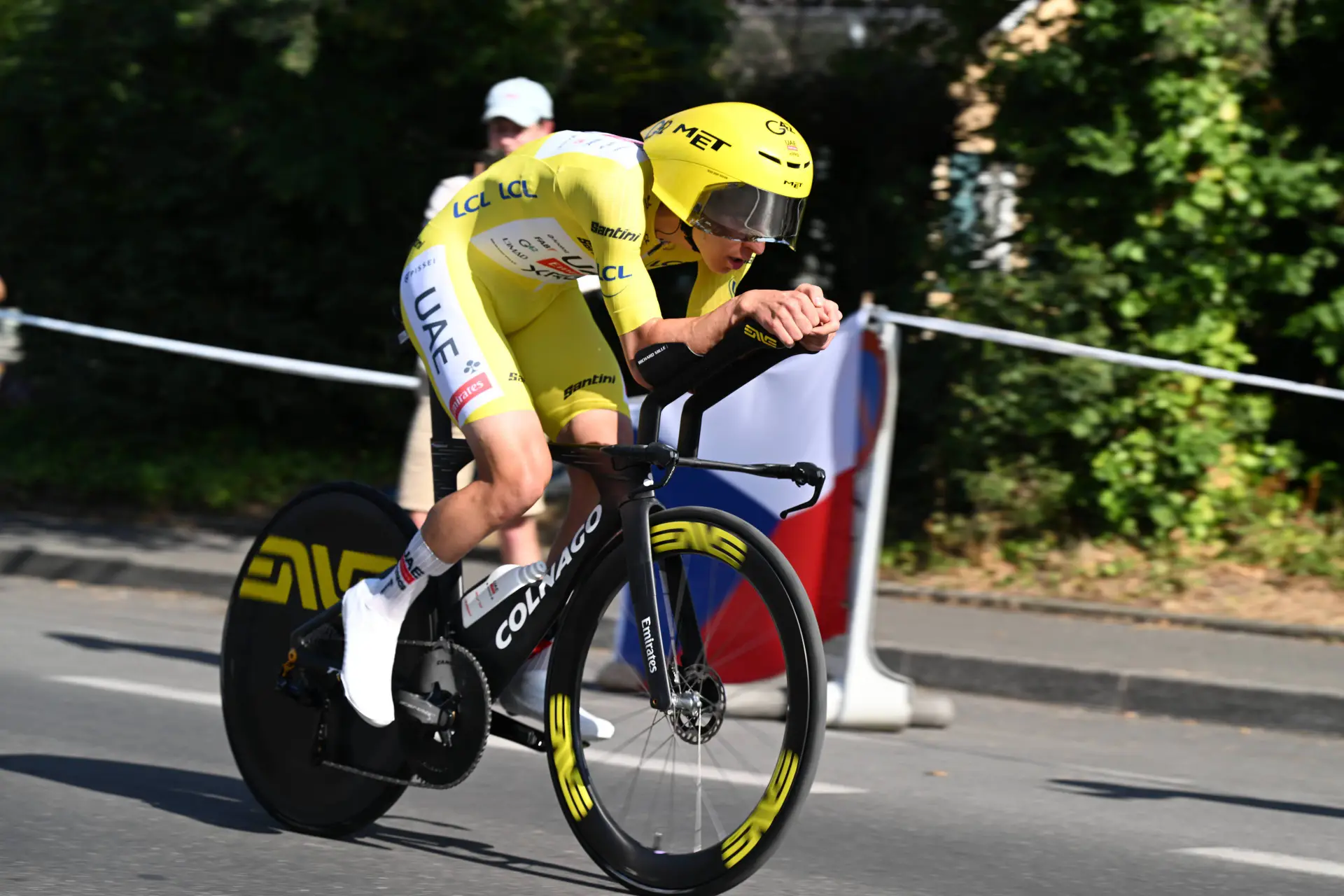
aerodynamic tweak on a time trial helmet.
Beyond the bicycles and wind tunnels, the
ongoing data revolution has distinctly shifted toward optimizing the human
software. Cognitive training programs—utilizing virtual reality and
neuro-feedback to improve split-second decision-making during high-speed,
perilous descents—are now a standard part of the winter off-season. This
unprecedented level of mental preparation dramatically reduces the margin for
error and increases overall safety in a peloton that rides faster and
significantly more aggressively than ever before.
Cultivating Longevity in a High-Pressure Environment
Sustainability has definitively become
the watchword for the current racing season, particularly as the sport grapples
with the immense pressures faced by the new generation of prodigies who
frequently turn professional at eighteen years old. The broader industry is
witnessing a massive pivot toward creating supportive, robust ecosystems that
proactively manage the intense social and psychological demands of
international fame and constant, grueling travel. This vital infrastructure is
an absolute necessity for preventing elite athletes from leading to premature burnout and abandoning
the sport during their prime years. It includes everything from deploying
dedicated, full-time mental health professionals to hosting family-inclusive
training camps, fully acknowledging that a stable, grounded personal life is a
prerequisite for a sustainable, winning professional life.
This profound cultural shift is also
changing exactly how the broader public perceives the sport of professional
cycling. Rather than viewing these riders simply as indestructible, silent
gladiators enduring endless suffering, there is a rapidly growing appreciation
for the profound vulnerability and immense psychological resilience required to
compete at the absolute highest level.
The transition toward a total performance
era marks a profound maturing of professional cycling on the world stage. By
integrating mental health resources and long-term physical wellbeing into the
very core of their competitive strategies, cycling teams are actively
protecting their most valuable assets: the human riders. This necessary shift
ensures that the sport remains not only a spectacular showcase of incredible
physical endurance but also a sustainable, human-centric discipline for decades
to come.
claps 0visitors 0
Just in

Popular news
Latest comments
- That's what y'all said this year, "remco will come fifth"bruins3022-10-2026
- That used to be the norm, 100 kms of TTs. Now look at the '87 route...acem8222-10-2026
- Well, crashes can happen, so it's not impossible...acem8222-10-2026
- that would be kinda cool. there is a lot of untapped potential. which I'm sure the UCI will overlook. in order to get sock length correct.mij22-10-2026
- Nice! Now Remco can finally show that he cannot win the Tour!!! 😂😂😂PogiSloFans22-10-2026
- Nice! Now Remco can finally show that he cannot win the Tour. 😂PogiSloFans22-10-2026
- 10 K or 100k , Pogi will gain the same amount of time on Remco No balls in 1 stage. All this shows is that they have run out of ideasabstractengineer22-10-2026
- BenAflec, good one! LOL!MajorPayne22-10-2026
- Nearly! LOL!MajorPayne22-10-2026
- What the tdf have done here is make a very intriguing route, Pog by nature is more at home on the mountains, Remco TT's, Seixas an all-rounder.. RE, nearly got the better of Pog this yr & they've capitalised on that!
 leedorney22-10-2026
Loading