“This is not the farewell that Eli Iserbyt deserves” – Former world champion raises doubts over femoral artery surgery
Cyclocross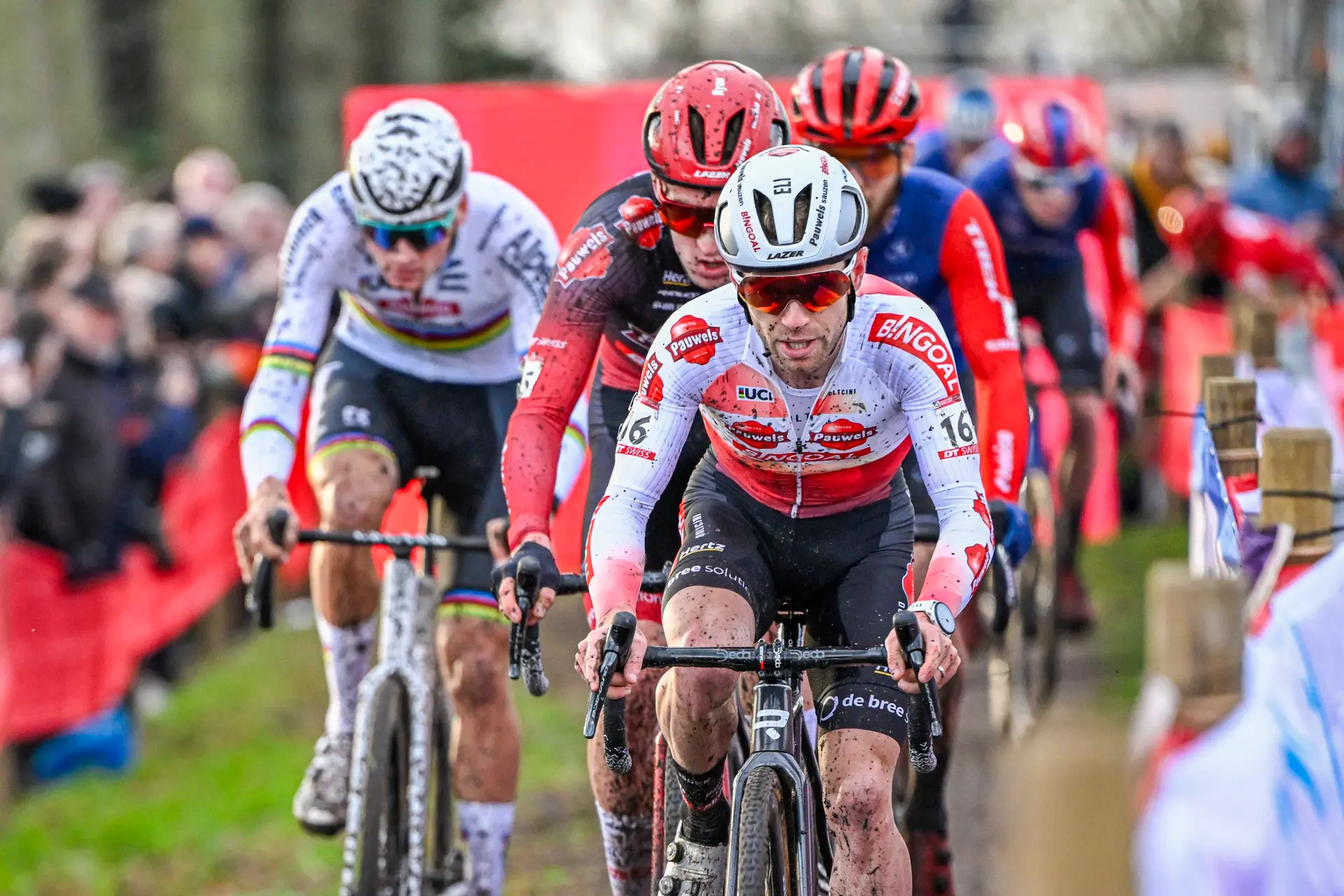
For Bart Wellens, the news that Eli Iserbyt will never race cyclocross again landed as more than just another retirement announcement. It felt wrong. Too sudden. Too unfinished.
Writing in his Crossprofessor column for Het Nieuwsblad, the former world champion made it clear that what hurts most is not just that Iserbyt is gone, but the way he has been forced out. “This is not the farewell that Eli deserves,” Wellens wrote after news broke that Iserbyt will never race again. “It is awful that he has to say goodbye to his passion in that way.”
For a rider who shaped races, seasons and rivalries for years, slipping quietly out through a medical door feels, in Wellens’ eyes, deeply unjust. “We will miss him, Michael Vanthourenhout will miss his mate. Eli has always been a race-defining rider, someone who brought spice and fire to cyclocross.”
That is how Iserbyt will be remembered inside the sport. Not just as a winner, but as a constant presence at the front of races, someone who forced others to react, chase and adapt. Mud, sand, freezing cold or summer heat, he was there, week after week, shaping the rhythm of the winter.
A champion forced to stop
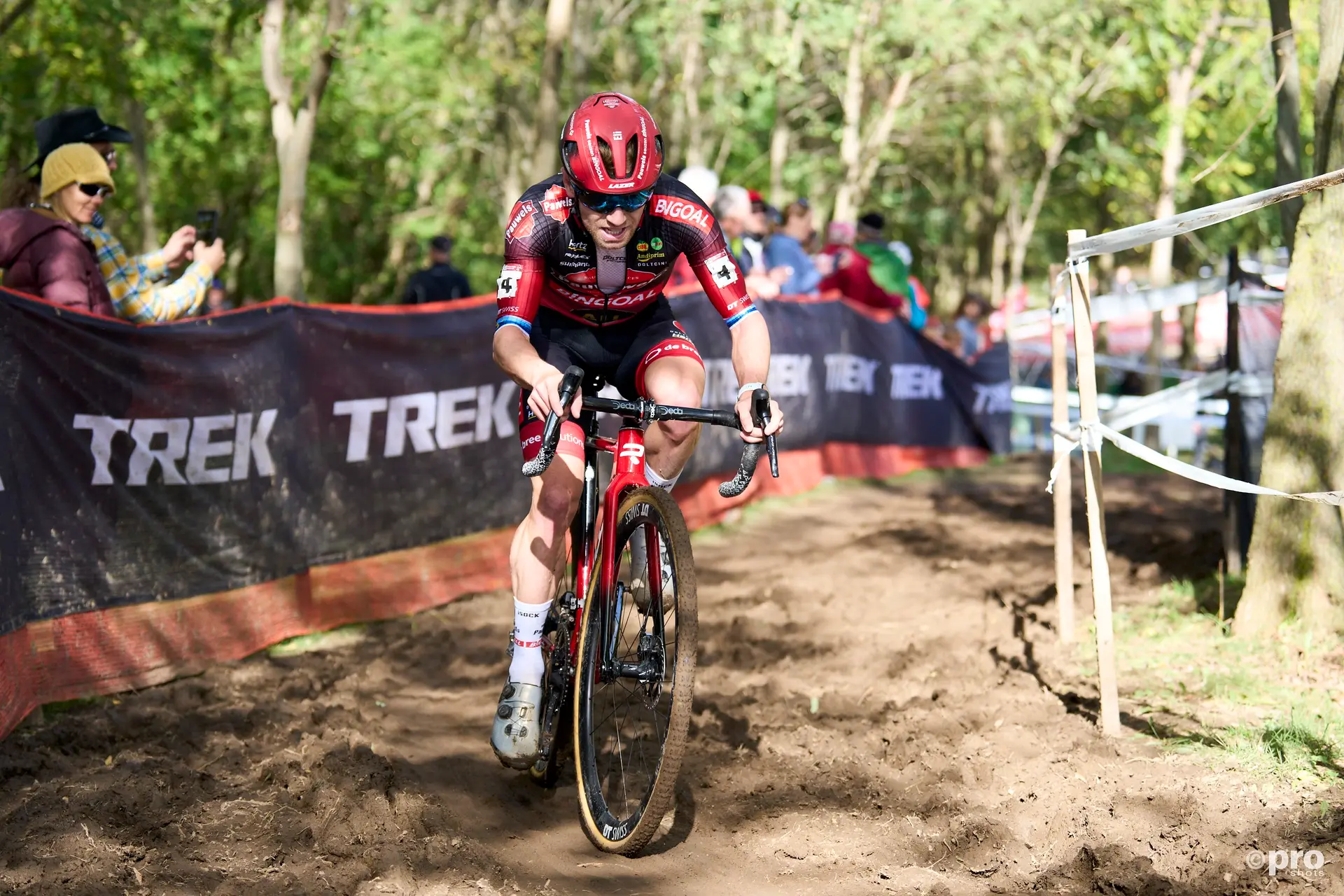
Iserbyt’s career was built on consistency and aggression. From youth categories through to elite level, he became one of the defining riders of his generation, collecting major victories across World Cups, national races and championships. He was not a part-time star who peaked once and faded. He was a constant. That makes the end even harder to accept.
The issue that ended his career was not a crash or a single traumatic injury, but a long, grinding medical problem involving his femoral artery, the main blood vessel supplying the leg. Reduced blood flow, pain under effort and loss of power slowly made racing impossible. Surgery followed, but relief never truly came.
Wellens links Iserbyt’s case to a worrying trend. “After Laura Verdonschot, Eli is already the second rider we have lost this season after an operation on the femoral artery. And that does make me ask questions.”
For Wellens, the problem is not just that riders are getting injured, but that a specific type of surgery is appearing more and more often. “Is that procedure really perfected yet? It has become a bit of a hype. I actually don’t want to say too much about it because I don’t know everything about it either.”
What he does know is that Iserbyt had already been suffering long before the final decision was made. “What I do know is that last season Eli was already riding around in pain, but his results really were not that bad.”
That line is telling. Iserbyt was not fading gently into the background. Even while hurting, he was still competitive, still relevant, still part of the story. The end did not come because his level dropped. It came because his body could no longer safely support what his mind still wanted to do.

Iserbyt was still contesting the big wins last winter
A farewell that never came
In most careers, riders get a final season, a farewell lap, a last applause. Iserbyt did not. There was no goodbye tour of muddy courses, no chance for fans to know they were watching him for the final time. Instead, there was a medical verdict, a closed door, and silence where noise used to be.
That is why Wellens’ words cut so sharply. This is not about medals or numbers. It is about dignity.
For a rider who gave so much of himself to the sport, who defined races and rivalries for years, being forced out by an artery that refused to heal feels brutally unfair. The farewell never happened. And for many inside cyclocross, that is what hurts most.
Kieran WoodDeputy Editor-in-Chief
Kieran Wood is a sports journalist based in Wales and has been active in journalism since 2022. He regularly contributes to DartsNews.com and CyclingUpToDate.com, where he covers professional cycling and darts. In cycling, his work includes liveblogs from major races, including the Tour de France, the Giro d’Italia, and La Vuelta a España, alongside race reports and analysis. He has also conducted interviews with professional riders.
His reporting spans the full racing calendar, from one-day classics to stage races, with a focus on accurate, real-time coverage and clear contextual analysis. For statistics, results, and historical context, he regularly uses resources such as ProCyclingStats. To support reporting on rider activity and training context where relevant, he also references Strava.
In his work, Kieran places strong emphasis on careful sourcing, editorial accuracy, and updating articles as new, verified information becomes available.
claps 2visitors 2
Just in

Popular news
Latest comments
- He didn't even try to sprint all outvappaxbipmv18-10-2026
- Campenaerts looked like a rolling pumpkin with that all orange leaders skinsuit !frieders318-10-2026
- He can take his dumb a$$ politics somehwere else !frieders318-10-2026
- good to have her back. fingers crossed she‘ll be able to stay!Ketterechts17-10-2026
- A tenner and he wins the Tour next year, too 😂anonymouscyclist17-10-2026
- the answer is either stick to classics or GTs but not bothabstractengineer17-10-2026
- the exodus already stared with Ciccone. Already they were struggling with two sprinters, now there are three. Also Ganna will demand leadership. Gall is the most proven GC, Ayuso has the most potential. GC leadership for everybody will be impossible. Literally a UAE style mess without pogi.abstractengineer17-10-2026
- I raced as an amateur for 12 years, including six years on my country’s national road cycling team. I secured two national titles and competed in three World Championships plus more than 15 international stage races. At 23, we travelled to Italy for a training camp—or so I assumed. On a rest day, we watched a presentation about adopting a more “professional” training approach. It was crystal clear what “professional” meant. That moment first exposed me to this dilemma. After returning from Italy, I left cycling—at least at the competitive level I had known. Over the following two years, the whole team was caught doping. I hold that everyone is innocent until proven guilty. In my view, current stakeholders operate on a different scale, and the sums involved are vast. I am unsure whether any doping would ever be revealed. I try to stay positive and enjoy the show. My 2c.
 vannpelt17-10-2026
 - Fiver he wins 🤣
 leedorney17-10-2026
 - “…measures to reduce speeds.” Might as well shorten the race course to just 50km as well? ASO generates at minimum €300m a year and 30- 40% profit. Maybe stop being greedy and spend more of the profit to protect the riders instead.b3tlla17-10-2026
Loading
Write a comment