“You have to decide whether to continue at the risk of crashing” – Tim Merlier left trapped as Quick-Step train unravels in chaotic Tour de France sprint
Cycling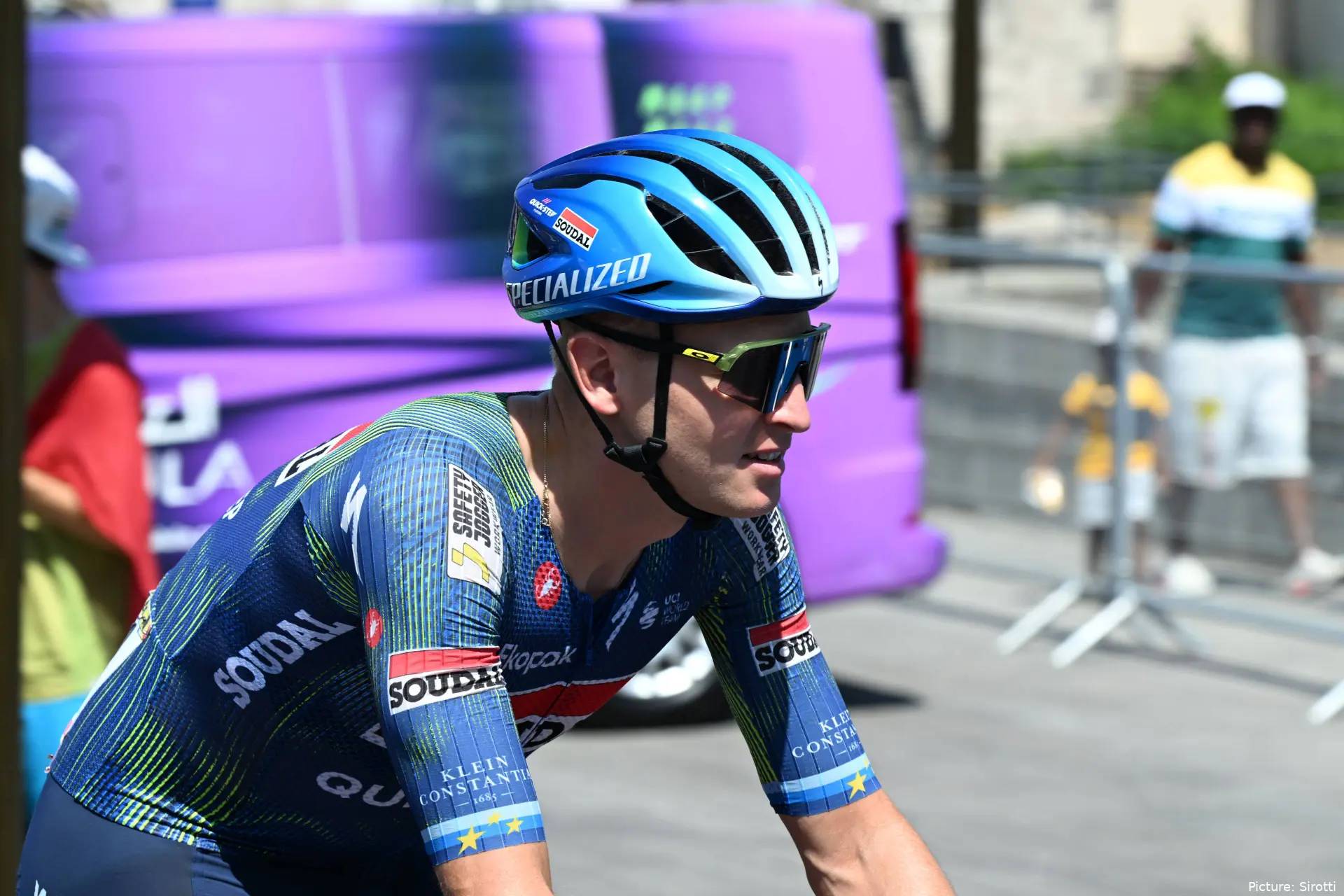
Tim Merlier was forced to abandon three attempts to launch his sprint during the frantic conclusion to Stage 11 of the 2026 Tour de France, refusing to risk a crash as gaps repeatedly closed around him.
The Soudal – Quick-Step leader had started the day as the favourite after winning two of the previous sprint stages, but lost the wheel of final lead-out rider Jasper Stuyven on the narrow approach to Nevers.
“Everyone is fighting for position, and you have to decide whether to continue at the risk of crashing,” Merlier said after the finish to VTM Nieuws. “I tried to launch three times but had to sit up on each occasion.”
Soren Waerenskjold capitalised on the disorder with a long-range acceleration, holding off Olav Kooij to claim his first Tour stage victory. Merlier finished outside the top 10 without producing a complete sprint.
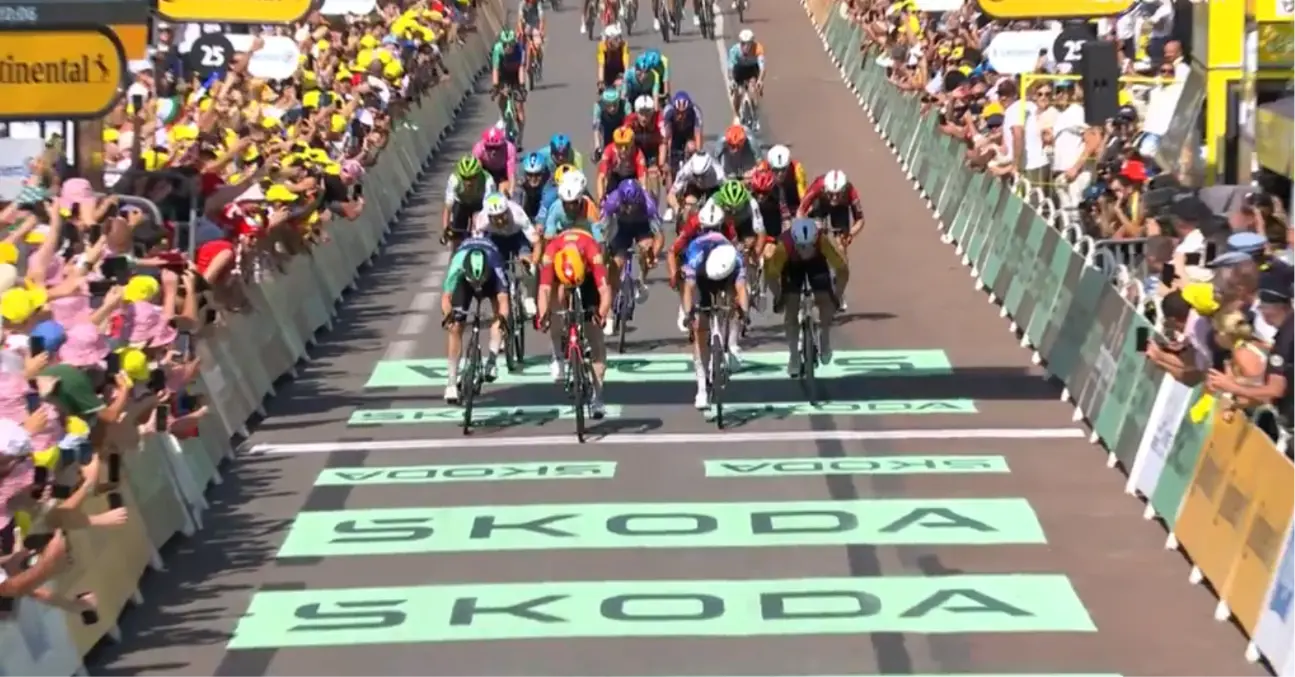
Merlier loses Stuyven in narrow finale
Stage 11 had been raced at an average speed of approximately 50.9km/h, making it the fastest in Tour de France history. The pace briefly dropped once the day’s breakaway was caught with six kilometres remaining, allowing the sprint teams to crowd the front before the road narrowed.
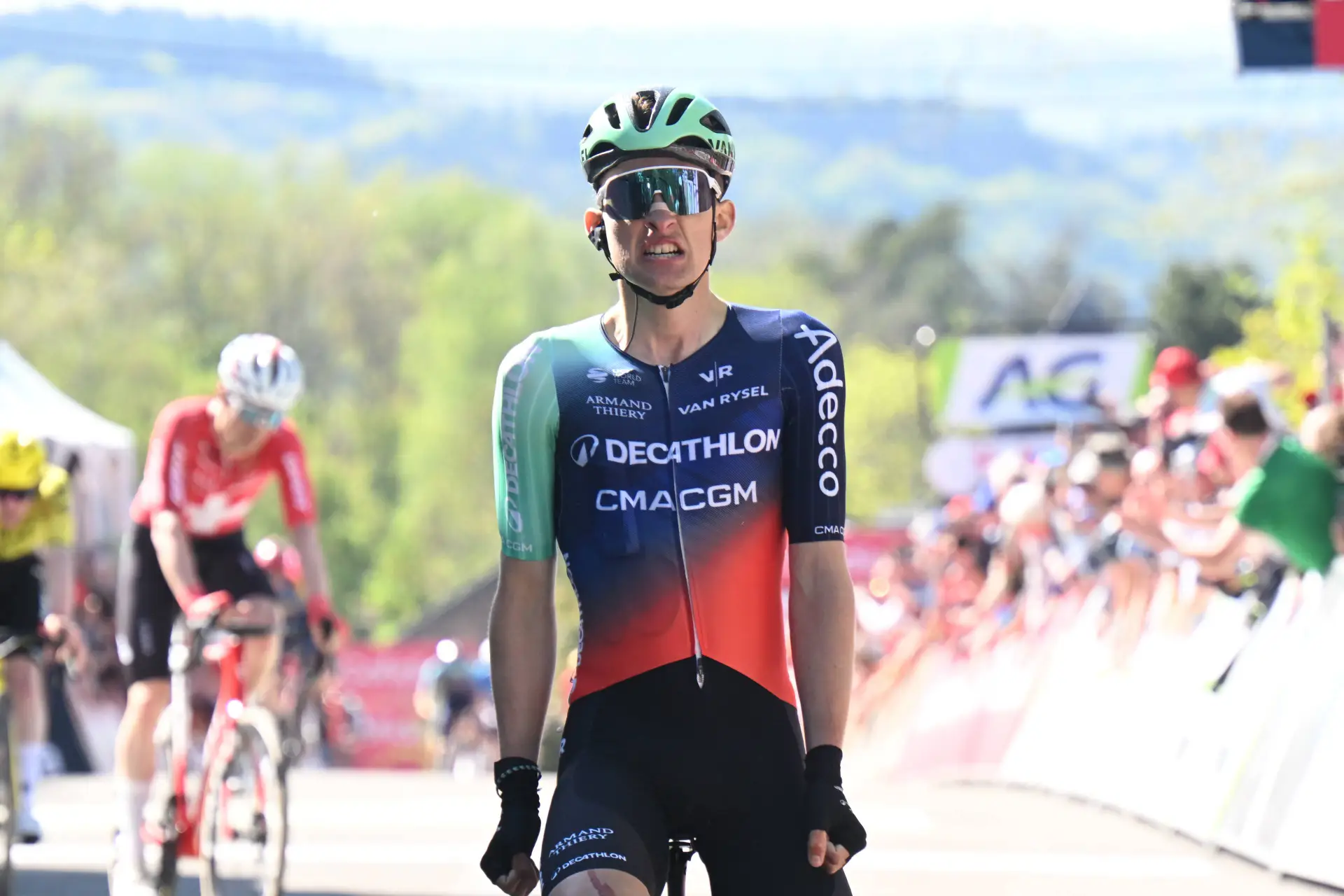
Decathlon CMA CGM Team, Uno-X Mobility and NSN Cycling Team occupied the leading positions while Quick-Step became trapped behind a block of rival teams. “The moment they accelerated, I knew it was all or nothing,” Merlier said. “I lost Jasper’s wheel and couldn’t produce my sprint. It’s frustrating that I couldn’t complete my sprint.”
Rather than being beaten for speed, Merlier was left searching for a route through the riders ahead. Each potential opening carried enough danger to force him back into the saddle, ending his pursuit of a third stage victory before he could accelerate properly.
Depleted Quick-Step train runs out of options
Sports director Iljo Keisse identified the approach to the corner with six kilometres remaining as the decisive point. Teams which arrived there at the front could protect their position and conserve their lead-out riders until the final kilometre.
“It was a sprint towards the corner with six kilometres remaining, and the road became narrower from that point onwards,” Keisse said. “If you reached it at the front as a team, you were in the perfect position and could conserve your riders until the final kilometre.”
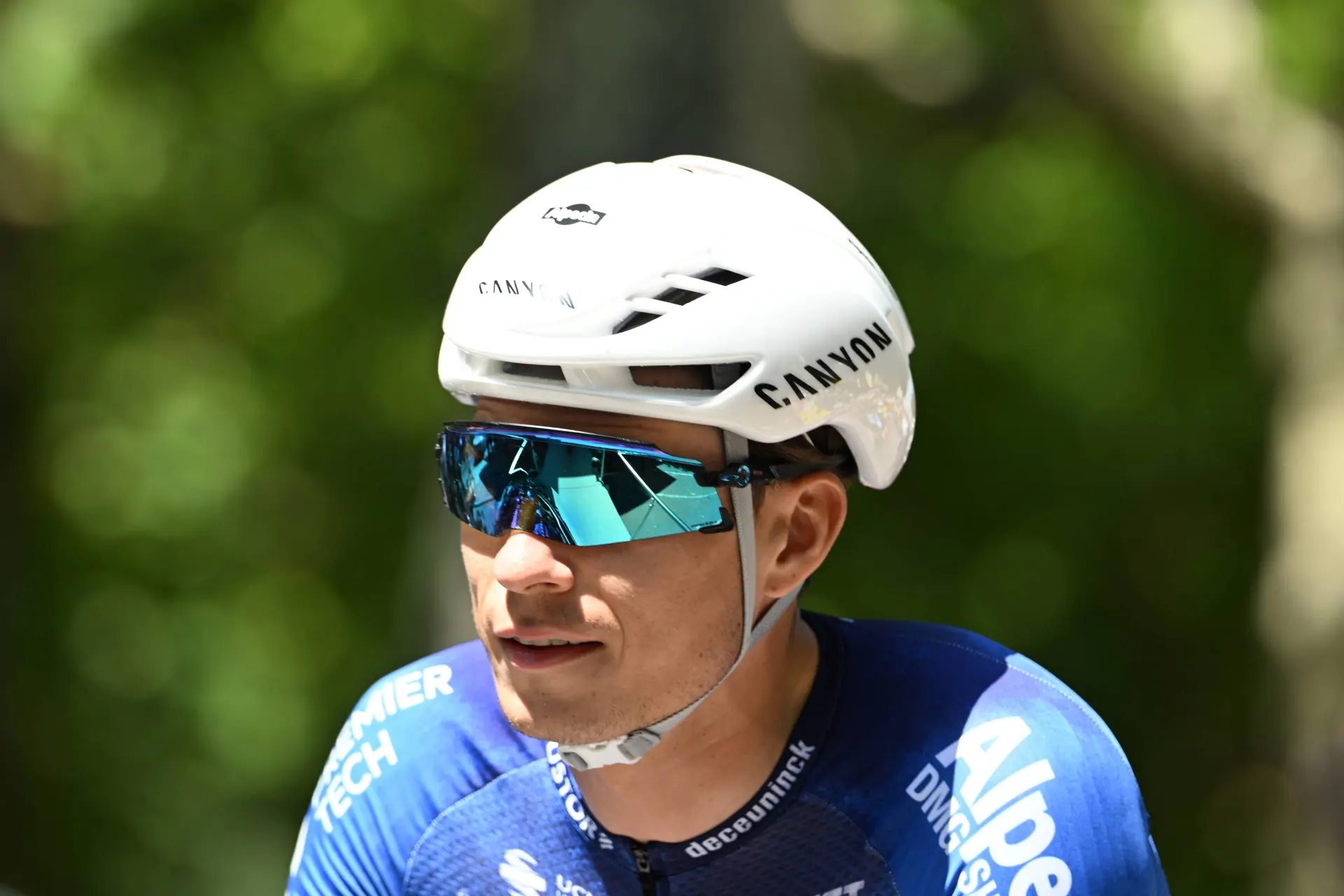
The absence of Bert Van Lerberghe shortened the Quick-Step train and left Stuyven carrying more responsibility during the approach. Once the team lost its position, the remaining combination of Stuyven and Merlier could not move through the riders ahead.
“Without Bert, our train isn’t endlessly long,” Keisse admitted. “Even if we had managed to get there, that section was too long for one rider to control. We only had Jasper and Tim left, which wasn’t enough and made it extremely difficult.”
Fellow sports director Tom Steels described a finale without a conventional lead-out as teammates became separated through the corners. “It was a hectic sprint,” Steels said. “It was flat and fast, but a narrow finale is always tricky. There was no real lead-out, and in that situation you know you need some luck. There was very little room to recover a lost position.”
Waerenskjold found space to launch before the established favourites could organise themselves, while Merlier reached the finish without adding to his two victories from the opening 11 stages.
Kieran WoodDeputy Editor-in-Chief
Kieran Wood is a sports journalist based in Wales and has been active in journalism since 2022. He regularly contributes to DartsNews.com and CyclingUpToDate.com, where he covers professional cycling and darts. In cycling, his work includes liveblogs from major races, including the Tour de France, the Giro d’Italia, and La Vuelta a España, alongside race reports and analysis. He has also conducted interviews with professional riders.
His reporting spans the full racing calendar, from one-day classics to stage races, with a focus on accurate, real-time coverage and clear contextual analysis. For statistics, results, and historical context, he regularly uses resources such as ProCyclingStats. To support reporting on rider activity and training context where relevant, he also references Strava.
In his work, Kieran places strong emphasis on careful sourcing, editorial accuracy, and updating articles as new, verified information becomes available.
claps 0visitors 0
Just in
Popular news

Latest comments
- It will absolutely change his tt position. Call me out if I'm wrong, when we start seeing him training on the tt bike, you will see.awp27-10-2026
- please , come on now! The Tour begins July 2, 2027!!! It is still 2026 !!!! Get a hobby or something.dave26-10-2026
- How is this relevant? Perhaps you are doing a Coleridge but not poetic
 Rafionain-Glas26-10-2026
 - Brilliantly putRafionain-Glas26-10-2026
- vingegaard will get humiliated. he might not even make the podium. he should retire, or accept being handed down the ranks.Ketterechts26-10-2026
- Bull crap...his C7 injury won't affect his TT position!frieders326-10-2026
- blah blah blah is all I see in your comment!frieders326-10-2026
- i thought they were cycling journalists. either they don‘t know the basics or they don‘t write their reports. either way suboptimal … it is not an american team anymore!Ketterechts26-10-2026
- Quiz, who said "When I watched the Worlds and the Euros, it made me miss racing of course, but I’d say that the older I get, the easier it becomes to stay away from racing and find other things I enjoy." Clue, not Elie Isabit in the doghouse now for supposing he can second guess MVDP, who has the added complication of women having a say these days in his circumstances, something Fien might have explained to him if he’d bothered asking, hope he doesn’t get a talking to for that. And speaking of that, I noticed he celebrated 10 years together in 2023 and yet in 2017 he was definitely with someone else, could get messy tonight. Bye for nowJumpyjohn26-10-2026
- Wout has the lifetime contract. I think he gets first shot no matter what.mij26-10-2026
Loading
Write a comment