"You go wherever you can to avoid crashing": Degenkolb analyzes the increased amount of mechanical problems at Roubaix
Cycling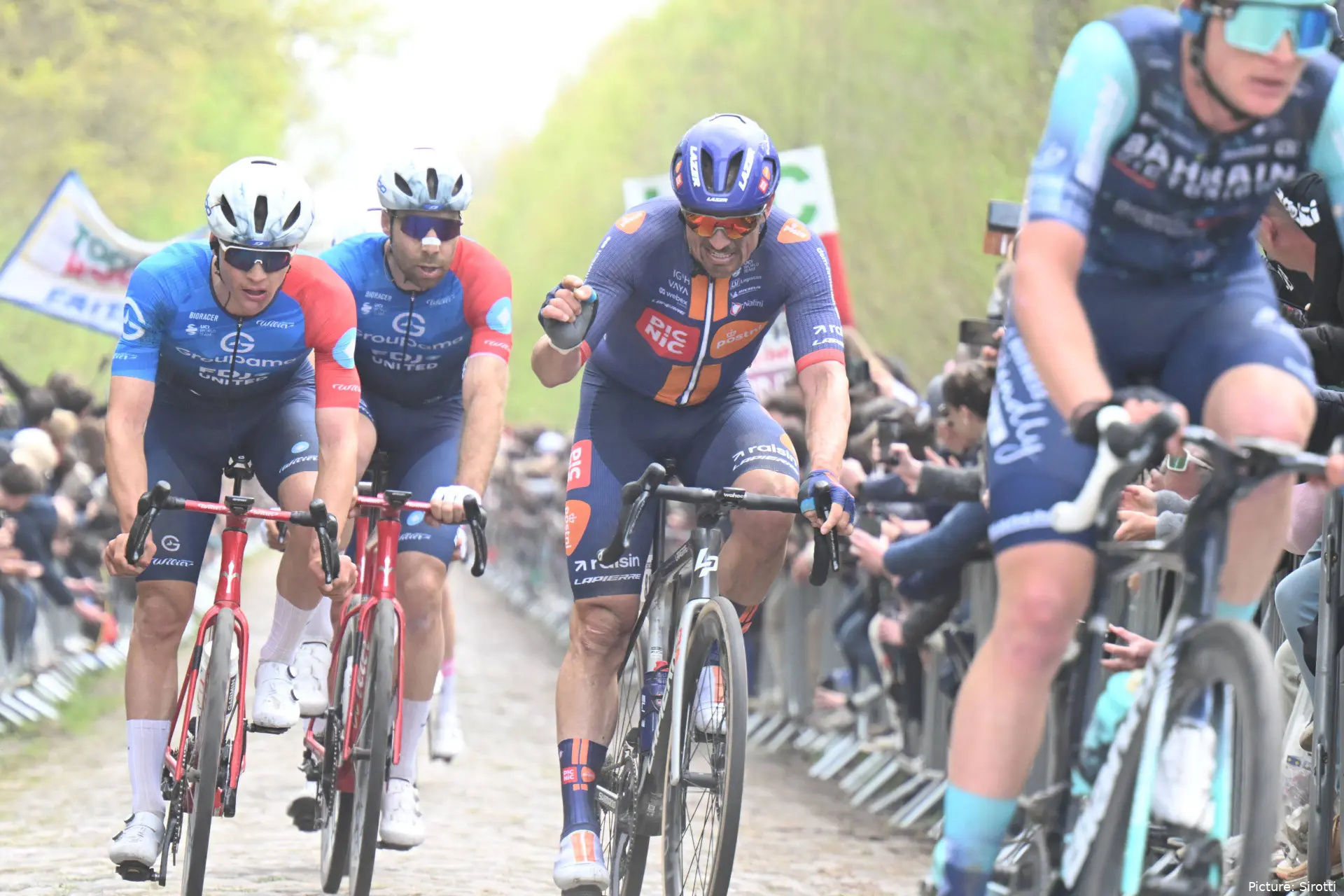
Paris-Roubaix 2026 once again lived up to its reputation as one of the toughest and most unpredictable races on the calendar, and few voices are better placed to dissect it than John Degenkolb. The German, now with Team Picnic PostNL, lined up for his 13th "Hell of the North", a race he knows as well as anyone and even won in 2015. His ties to the race are closer than anyone's... after all one of the cobbled sectors is named after Degenkolb himself.
At 37, Degenkolb finished 31st, but his aggression for much of the day gave him a front‑row view of an especially demanding edition. Beyond the result, his analysis zeroes in on a key theme: a spike in mechanical issues.
"I had the impression there were far more mechanicals than usual in the peloton this year, especially among the strongest riders," explained the German rider.
In his view, virtually everyone suffered some kind of issue on a day when all the prep in the world could not ward off mishaps: "We all spend a lot of time finding the right setup, reconning the route and testing equipment, but then a race like Sunday comes along and you realise anything can happen."
Speed as the decisive factor
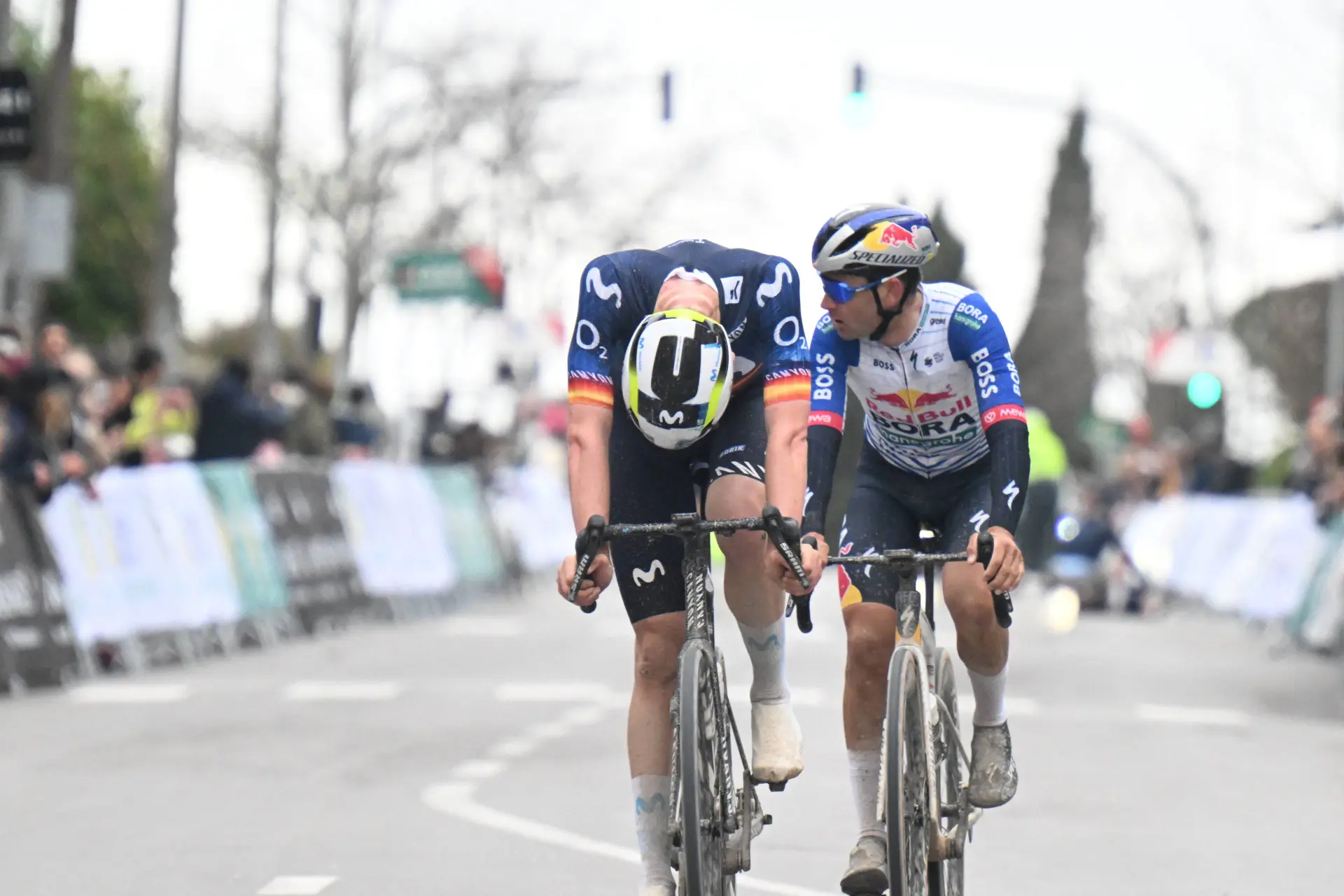
For Degenkolb, the root cause is clear: the ever‑increasing pace of the race. The 2026 edition became the fastest in history by average speed, a factor that, he says, completely reshapes how you ride the cobbles.
"We were incredibly fast, always on the limit, and everyone around you was too. So you can’t even think about switching lines, not even about choosing one," he noted. This lack of room to manoeuvre on the pavé forces riders to accept higher‑than‑usual risk.
No room to avoid danger
The result of that extreme pace is an even more chaotic and dangerous race. "Basically, you go wherever you can to avoid crashing," Degenkolb summed up. Yet reacting instead of anticipating has direct consequences: "By doing that, you increase the risk of a mechanical or a puncture, because in practice it’s impossible to avoid the most treacherous rocks."
The German’s reflection shows how modern cycling’s rising speeds are reshaping even historic races like Paris–Roubaix. On terrain where technique and positioning have always been vital, the margin of control seems to shrink, turning the race into something even more unpredictable.

John Degenkolb in the 2026 season
Ondrej ZhasilCycling Journalist
Ondřej Zhasil is a cycling journalist at CyclingUpToDate and has been part of the team since 2023. He is based in Ostrava, the third-largest city in the Czech Republic, and covers professional cycling across the main UCI competitions, including the Tour de France, the Giro d’Italia, and La Vuelta a España. A key focus of his work is startlist analysis and pre-race coverage, where he examines team selections, rider line-ups, and tactical scenarios ahead of major events.
Alongside WorldTour coverage, Ondřej has developed specific expertise in junior cycling and in racing across East Asia, including competitions in China and Japan. He also maintains a broad working knowledge of other disciplines and levels, including cyclocross, while continuing to expand his understanding of mountain bike racing.
Ondřej holds a bachelor’s degree in Mathematics and Physics, which supports his analytical, data-driven approach to performance and race analysis. In his reporting, he regularly uses ProCyclingStats for results, statistics, and historical context. He places strong emphasis on careful sourcing, editorial accuracy, and updating articles promptly when new, verified information becomes available.
claps 5visitors 5
Just in
Popular news
Latest comments
- Campenaerts looked like a rolling pumpkin with that all orange leaders skinsuit !frieders318-10-2026
- He can take his dumb a$$ politics somehwere else !frieders318-10-2026
- good to have her back. fingers crossed she‘ll be able to stay!Ketterechts17-10-2026
- A tenner and he wins the Tour next year, too 😂anonymouscyclist17-10-2026
- the answer is either stick to classics or GTs but not bothabstractengineer17-10-2026
- the exodus already stared with Ciccone. Already they were struggling with two sprinters, now there are three. Also Ganna will demand leadership. Gall is the most proven GC, Ayuso has the most potential. GC leadership for everybody will be impossible. Literally a UAE style mess without pogi.abstractengineer17-10-2026
- I raced as an amateur for 12 years, including six years on my country’s national road cycling team. I secured two national titles and competed in three World Championships plus more than 15 international stage races. At 23, we travelled to Italy for a training camp—or so I assumed. On a rest day, we watched a presentation about adopting a more “professional” training approach. It was crystal clear what “professional” meant. That moment first exposed me to this dilemma. After returning from Italy, I left cycling—at least at the competitive level I had known. Over the following two years, the whole team was caught doping. I hold that everyone is innocent until proven guilty. In my view, current stakeholders operate on a different scale, and the sums involved are vast. I am unsure whether any doping would ever be revealed. I try to stay positive and enjoy the show. My 2c.
 vannpelt17-10-2026
 - Fiver he wins 🤣
 leedorney17-10-2026
 - “…measures to reduce speeds.” Might as well shorten the race course to just 50km as well? ASO generates at minimum €300m a year and 30- 40% profit. Maybe stop being greedy and spend more of the profit to protect the riders instead.b3tlla17-10-2026
- he also had quite the life off the bike during his pro years. he used his celebrity status to full affect.mij17-10-2026
Loading
Write a comment