“You cannot forget that jet lag is involved” - Remco Evenepoel’s Montreal fifth comes with Greg Van Avermaet warning ahead of World Championships
Cycling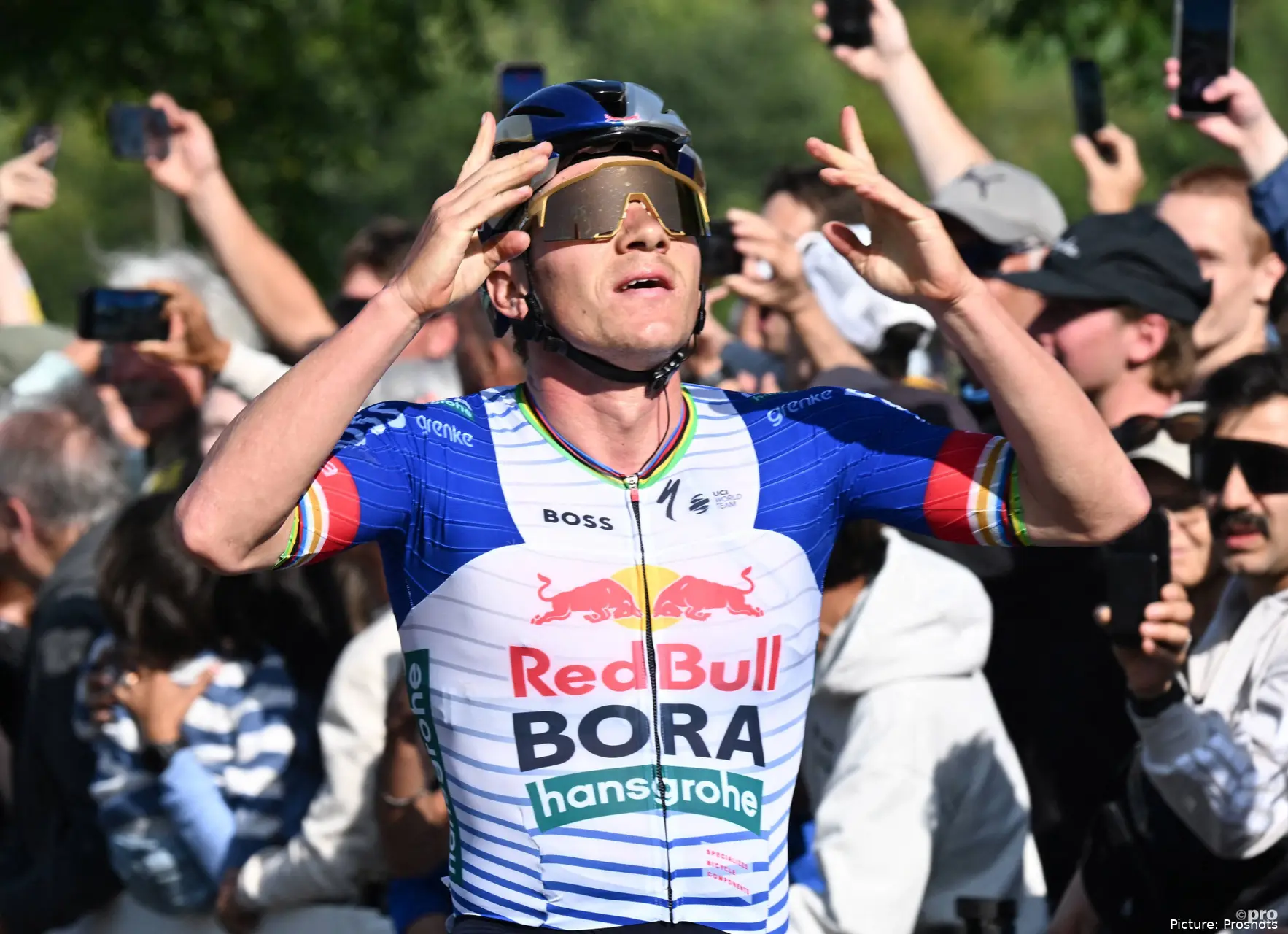
Remco Evenepoel's Canadian WorldTour double-header produced two very different results. He returned from more than a month without racing to win the GP Quebec, then finished fifth two days later on the Montreal circuit that will decide the rainbow jersey on September 27.
Isaac Del Toro and Paul Seixas were already up the road when Evenepoel crossed the line on Sunday, but Greg Van Avermaet believes the Belgian's result needs to be viewed alongside a preparation programme designed to peak later than the Canadian races.
Evenepoel had spent three and a half weeks at altitude in Livigno before travelling to Canada and had already been explicit about his priorities before pinning on a number.
“For me, this is really preparation for the World Championships,” he said ahead of the two Canadian GPs. “I'm here with ambitions as well, but the most important thing for me is to be at my best in two or three weeks.”
Van Avermaet believes that timetable matters when assessing what happened in Montreal. “You cannot forget that jet lag is involved,” the former Olympic champion and two-time GP Montreal winner told Sporza. “That is still pretty tough. He has also been at altitude, where he will have worked very hard. I think the supercompensation will come a little later.”

Evenepoel was runner-up in the men's road race at the 2025 Worlds in Kigali
Evenepoel's planned peak is still to come
Evenepoel arrived in Quebec only days after completing his altitude camp, having taken five days of rest after winning the Clasica San Sebastian before heading to Livigno.
His immediate victory in Quebec showed that a month away from competition had not taken away his ability to win, but Van Avermaet believes the full effect of the training block could take longer to appear. “I have made that trip often enough myself,” he said. “You only fly on Thursday and arrive at the hotel very late. You ride easy a couple of times and then immediately have those two races.”
Van Avermaet expects the days after Canada to be important, with Evenepoel able to absorb the travel and racing before another short training block. “I think things can fall into place after those two races. If you can then put in a block of two or three really good training days, I think you can improve a little from that.”
The altitude work is another part of that calculation. “I think he arrived in Quebec just a little too soon after that altitude camp,” Van Avermaet added, arguing that the expected benefit had not yet had enough time to fully emerge.
Evenepoel himself had said something similar before racing. His aim in Quebec and Montreal was to “become competitive again” and reconnect with his best sensations rather than arrive already at his World Championships peak.
Van Avermaet had nevertheless expected more in Montreal after seeing him win two days earlier. “Honestly, I thought Montreal would suit him even better than Quebec, but apparently he had a slightly worse day,” he admitted.
The fifth place did at least provide a reminder of what awaits when Evenepoel returns. “It keeps him watchful and alert,” Van Avermaet said. “It also makes clear that it will not be straightforward.”
Read also
Del Toro and Seixas strengthen their Worlds cases
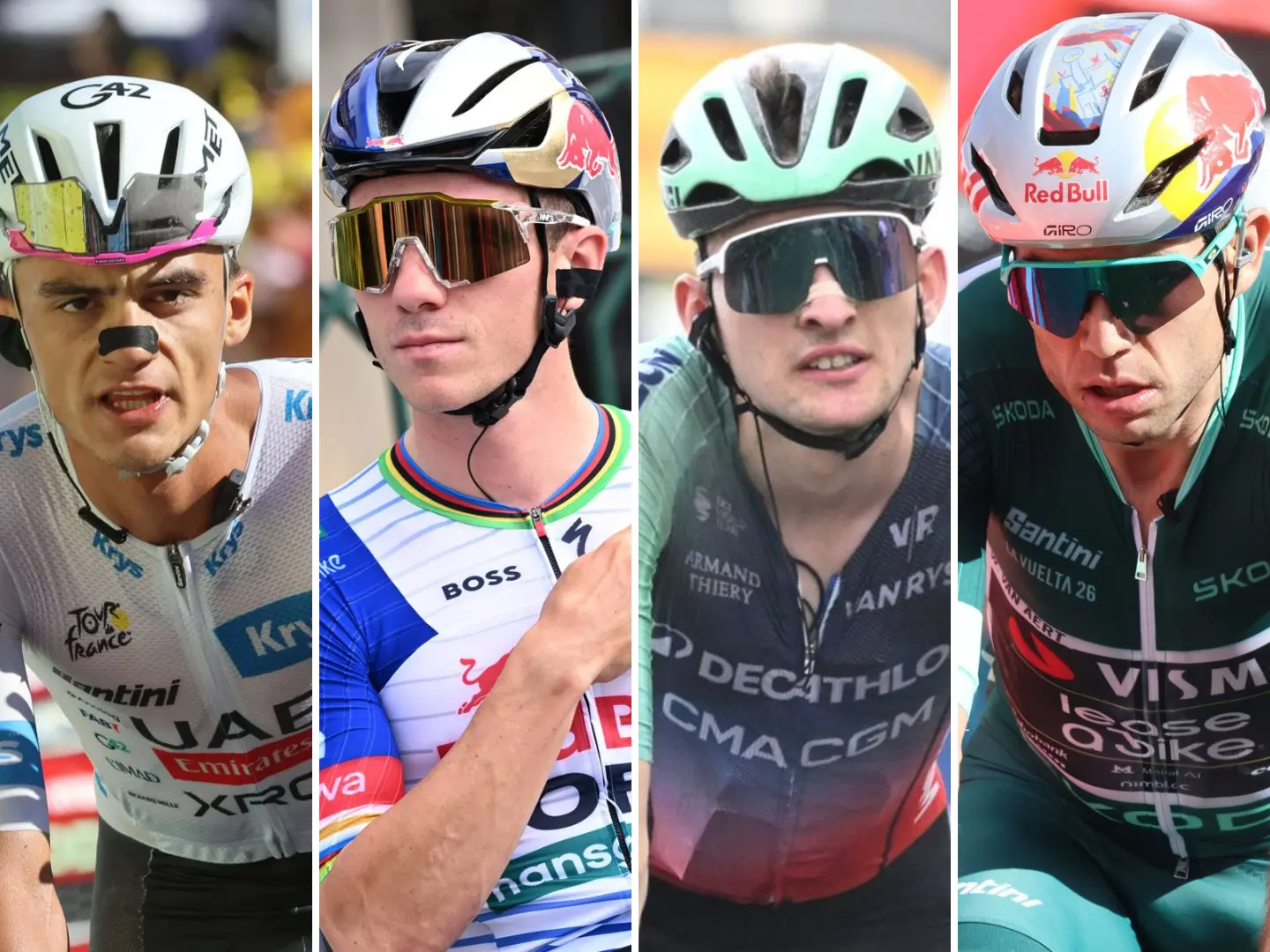
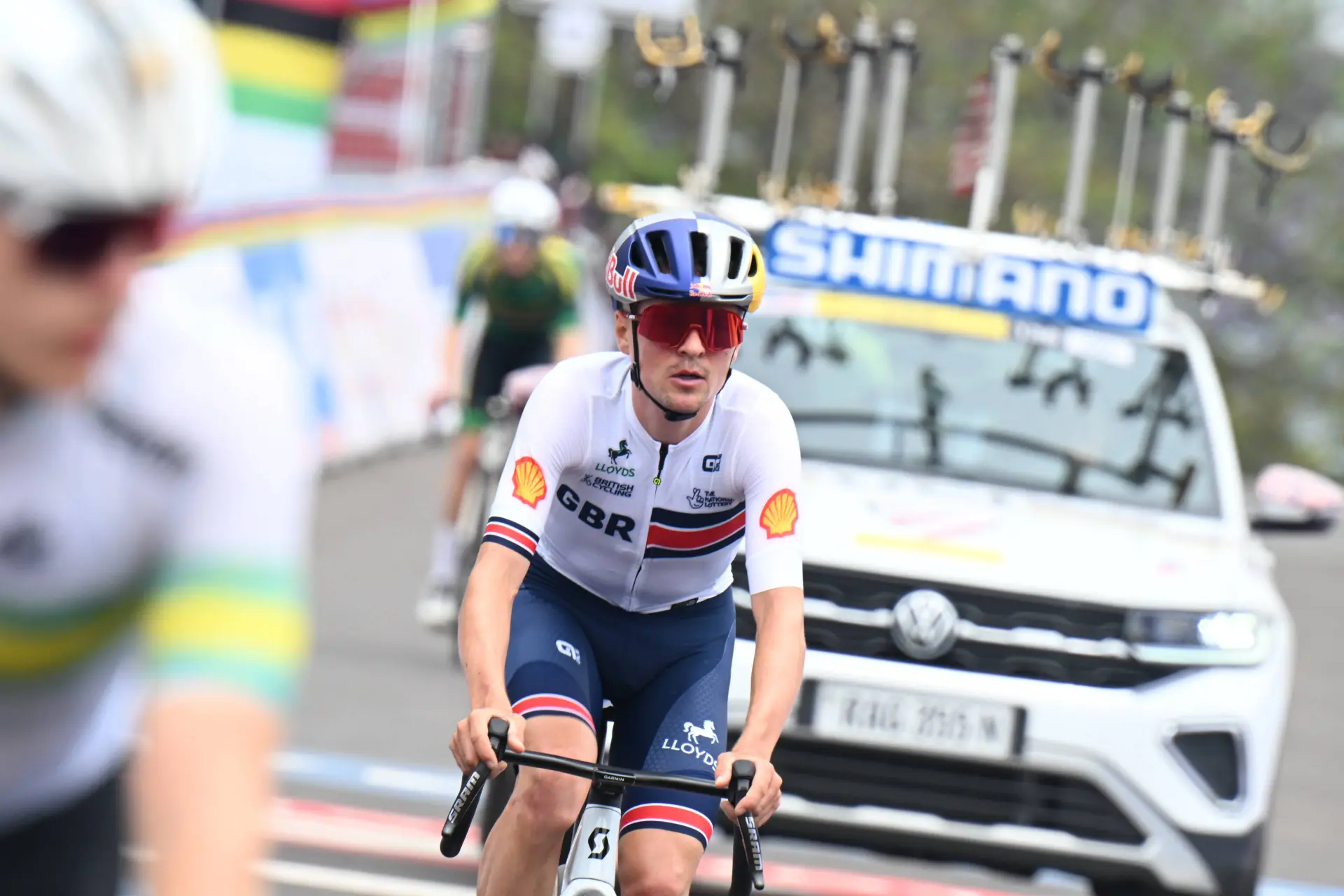
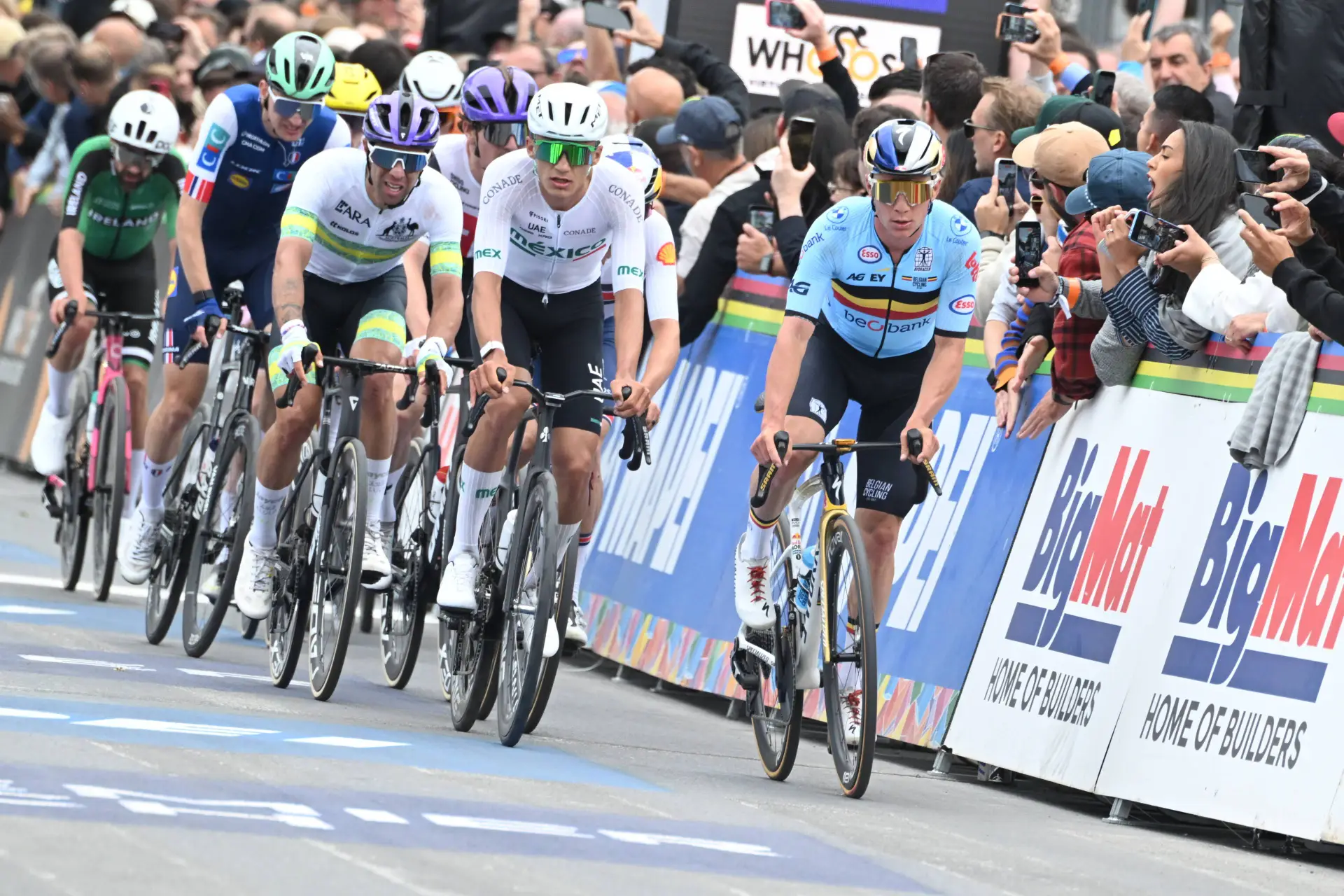
Montreal also changed the picture around Evenepoel. Del Toro and Seixas made the decisive final-lap move and fought out victory between themselves on the same finishing circuit that will be used at the World Championships. Brandon McNulty and Quinn Simmons also crossed the line before Evenepoel, with Tom Pidcock immediately behind him in sixth.
Del Toro's victory offered the clearest possible demonstration that his form translates onto the Worlds course. Seixas was beaten in the sprint, but the 19-year-old had already won La Fleche Wallonne, finished second at Liege-Bastogne-Liege and taken fourth overall on his Tour de France debut before reaching Canada.
“Even without Pogacar, the competition is not insignificant,” Van Avermaet warned. “We should not immediately assume that he will become world champion so easily. There are still a number of other favourites.”
The course itself gives several different types of rider reason for optimism. Rather than one long decisive ascent, the elite men's road race accumulates around 3,800 metres of climbing through repeated efforts around Mount Royal. “It is mainly the succession of those climbs,” Van Avermaet said. “That is going to be pretty demanding.”
He sees Del Toro and Seixas as obvious beneficiaries of that repetition, but does not believe the climbing automatically eliminates heavier Classics riders such as Wout van Aert or Mathieu van der Poel.
“On a good day, those guys can survive it,” he said. The later climb towards the university and slightly uphill finish, Van Avermaet believes, could make riders of that profile extremely dangerous if they survive into a reduced group.
Van Aert gives Belgium a second route to victory
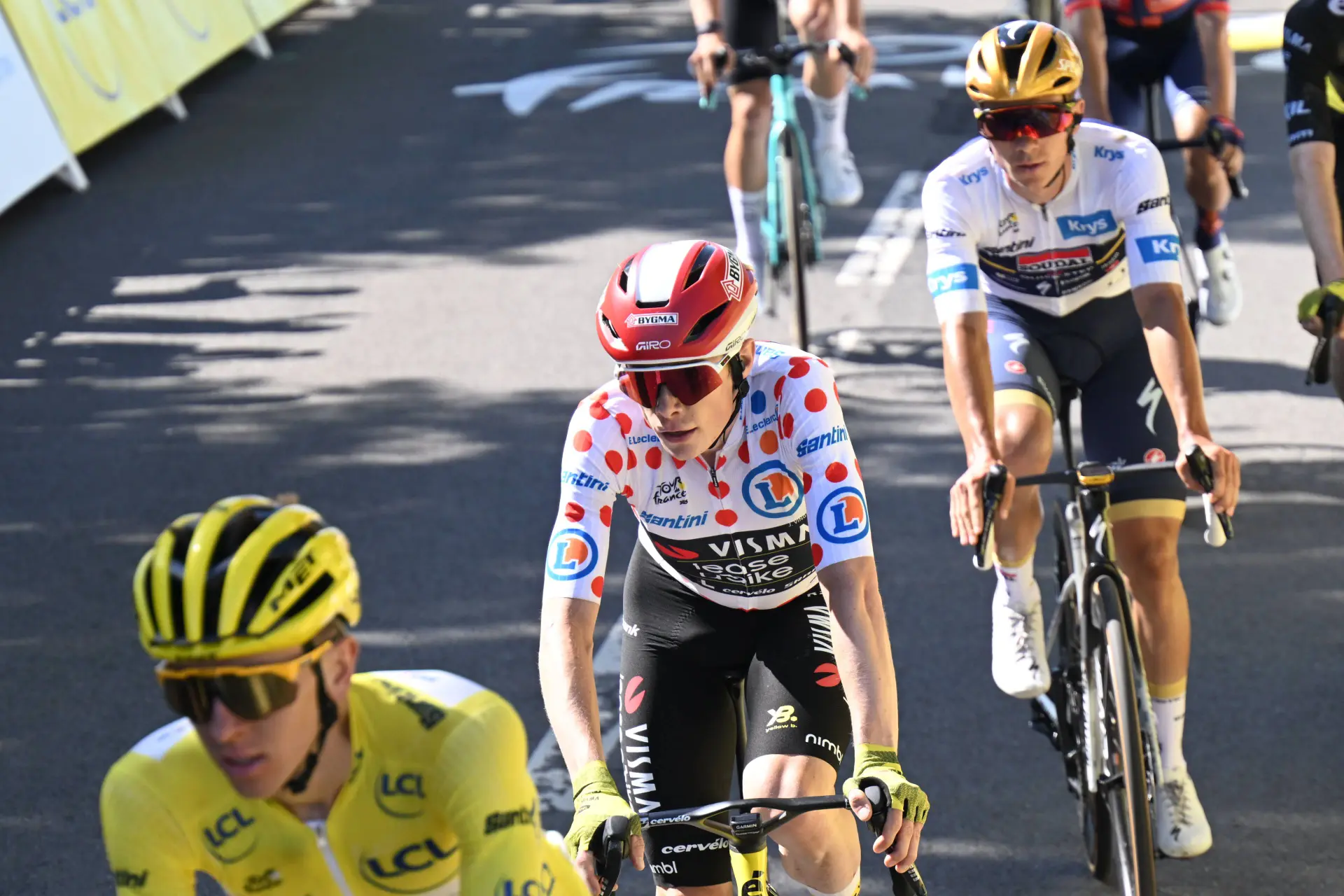
Van Aert arrives in Montreal from a Vuelta a Espana in which he won two stages and the green jersey, adding another in-form leader to a Belgian team already built around Evenepoel.
Their routes to the rainbow jersey do not necessarily have to look the same. Evenepoel remains the more obvious long-range attacking option, while Van Aert would become increasingly dangerous if a reduced group survives through the final climbs. Van Avermaet expects the latter to leave Spain “in extremely good shape, with a lot of confidence”.
That depth also affects how much responsibility Belgium should accept. “There are different scenarios possible. In many of those scenarios, Belgium still have a good card to play,” Van Avermaet said.
Rather than controlling every move, he would prefer Belgium to stay represented without exposing their two leaders too early. “We should not take too much responsibility for the race, but we should not let it get away from us either,” he argued, with the rest of the squad capable of covering moves before Evenepoel and Van Aert are required.
Read also
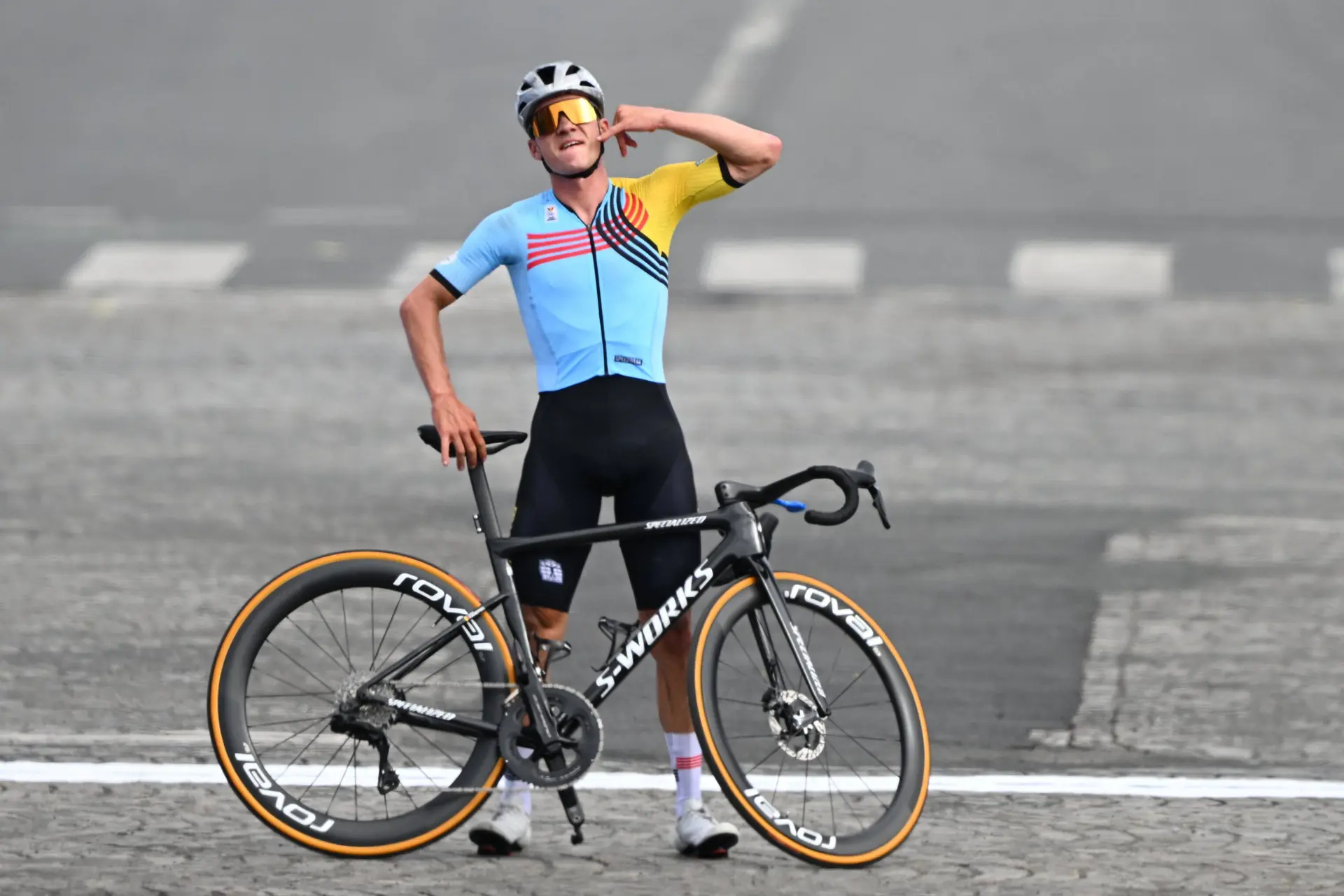
Canada ultimately gave Belgium both reassurance and warning. Evenepoel won immediately after his altitude block, but Del Toro and Seixas then beat him on the circuit that matters most.
Van Avermaet still regards Evenepoel as the leading favourite. The question heading into September 27 is whether the delayed peak both he and Evenepoel expect arrives when the rainbow jersey is actually on the line.
Kieran WoodDeputy Editor-in-Chief
Kieran Wood is a sports journalist based in Wales and has been active in journalism since 2022. He regularly contributes to DartsNews.com and CyclingUpToDate.com, where he covers professional cycling and darts. In cycling, his work includes liveblogs from major races, including the Tour de France, the Giro d’Italia, and La Vuelta a España, alongside race reports and analysis. He has also conducted interviews with professional riders.
His reporting spans the full racing calendar, from one-day classics to stage races, with a focus on accurate, real-time coverage and clear contextual analysis. For statistics, results, and historical context, he regularly uses resources such as ProCyclingStats. To support reporting on rider activity and training context where relevant, he also references Strava.
In his work, Kieran places strong emphasis on careful sourcing, editorial accuracy, and updating articles as new, verified information becomes available.
claps 0visitors 0
Just in
Popular news
Latest comments
- I never watched cycling back when LA was riding, but from what I’ve heard LA was a nasty piece of work in the Peloton, so nothing would surprise me! 😆Lozza01-10-2026
- Wout had a great year, finally getting a cobble, plus green jersey and 2 stages at Vuelta and fantastic team work for Brennan, plus other nice wins, but all the Belgian press (and others) can see now is what happened at Worlds. Give the guy a break!Lozza01-10-2026
- But even then he carried on working after getting his breath back. Pidcock probably p’d off that it was del Toro who rode down his late attack with Ciccone.Lozza01-10-2026
- Del Toro did a LOT of work riding on the front pulling that group along, with Seixas sat on his wheel. By the time McNulty went he can’t have had much left.Lozza01-10-2026
- Big Pog fan but Mcnulty will not honour the jersey by carrying water bottles. For the older members 1990 Rudy Daelens won the jersey in Japan and never won anything and was a domestic for his team. Pidcock makes a good point about pro teams and working for team mates instead of country.Pidcock knows what he talking about multi world champion and classics winner.paultryan200201-10-2026
- So Pidcock has to wait another year to try to become the 1st Englishman to win Elite World Road Race since Tommy Simpson in 1965 !!!!!!!!!
 Senna196001-10-2026
 - Angry Pidcock and Matthews claim del Toro helped UAE teammate McNulty claim gold bla bla bla bla bla bla bla ... etc. etc. etc. etc.... The Rainbow Jersey will stay close to Pogi... he won't wear it but McNulty will, but still close. Next year it will be on Pogi's back again. UAE are the "sole owners" of the Rainbow Jersey. Ad acta!!!PogiSloFans01-10-2026
- Shocking really. That any team, never mind an American one, would have that degree of selflessness in their squad. Both Matteo or Quinn would have been equally deserving as champions. And maybe the original plan was teeing it up for them.MavicMoto01-10-2026
- Perhaps Piddy knew Onley didn’t have it but outside of messages getting passed along from the sides of the road, I’m not sure how he would know that without radios. And yes…Quinn finished 4th but (maybe I’m wrong here) before Sunday how many would have thought that he would be head and shoulders above Onley on what was widely considered a climbers course, with riders like VdP (let alone Simmons) only considered to have an outside chance? So my point is that yes, context was considered. Both BMc and Piddy were more-or-less playing the same cards. BMc played it to perfection and won. Piddy came up short. But somehow, according to Piddy, that’s on del Toro for not contributing to the chase at the end…a chase that Piddy might not have been involved with had he played his cards differently, saved his matches and bridged later. I think that is the greater context rather than complaining that del Toro (who was working all day) quit working once his trade teammate went up the road, which should be expected in that scenario.classicsrock01-10-2026
- Perhaps IDT did help, but what I saw was a group of riders that waited 60 seconds before responding to McNulty's acceleration. A whole minute! Really? I said to myself WTF are they thinking? Did physical exhaustion impair their judgement, or was it just chess games? No one wanted to burn their last match? To blame IDT for their lack of response is farcical. If Pidcock and Mathews only took 30 seconds to respond or responded immediately I think McNulty would have been caught.Botch25001-10-2026
Loading
1 Comments