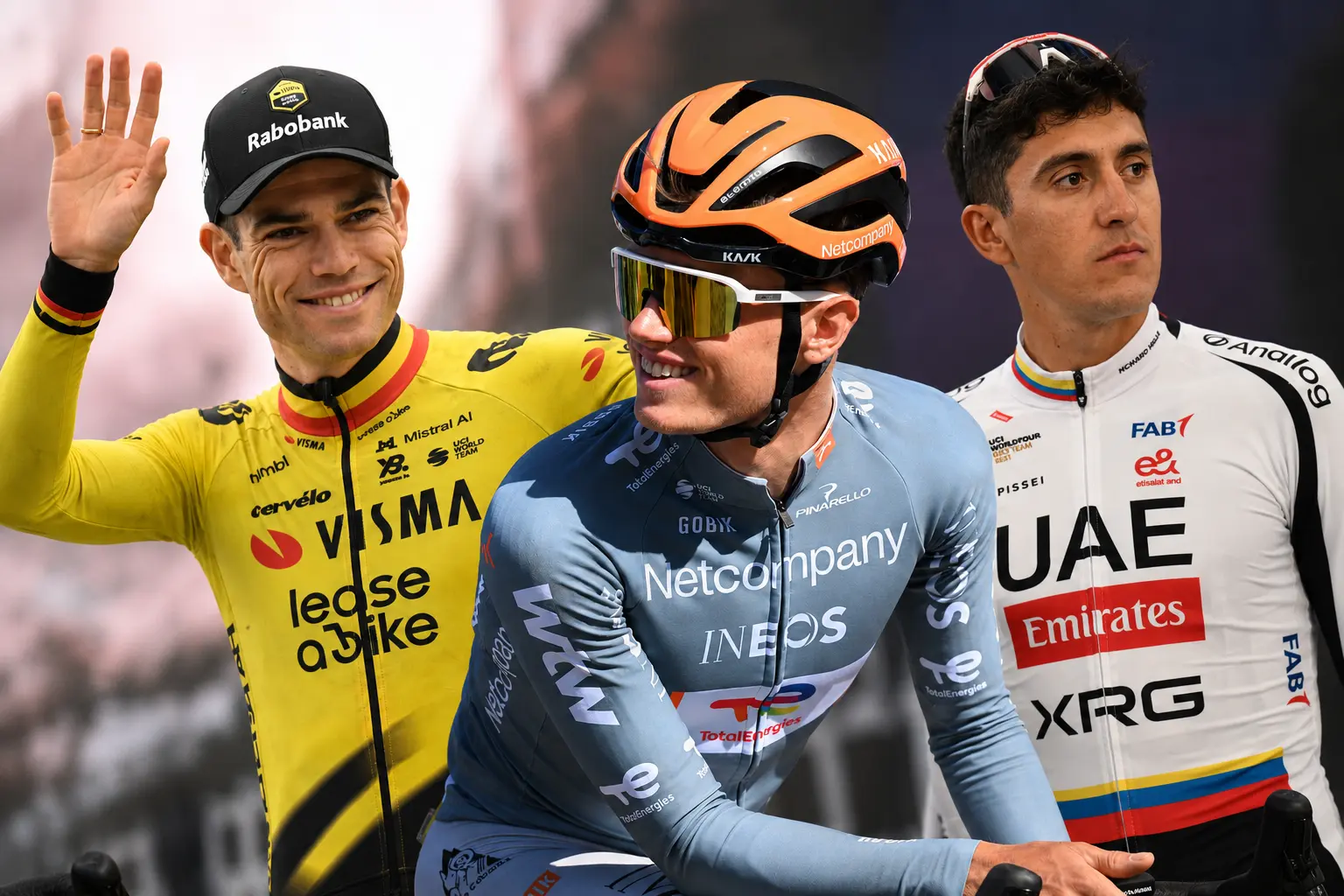
The Tour de France is always defined as much by the riders who make the start line as by those who don't. While the 2026 edition will still feature most of the sport's biggest stars, several high-profile names have been forced to abandon their ambitions through injury or illness, leaving significant gaps in the peloton before a single kilometre has been raced.
From Wout van Aert's heartbreaking withdrawal after a severe elbow infection to Oscar Onley's shoulder injury and Pello Bilbao's viral illness, here is a closer look at the biggest absentees from this year's Tour de France.
Wout van Aert - Another cruel blow for one of cycling's biggest stars
Few riders have enjoyed a more successful or versatile career than Wout van Aert. The Belgian has built a palmarès that includes Monument victories, multiple Tour de France stage wins, green jersey success, cyclocross world titles and countless Classics triumphs, establishing himself as one of the defining riders of his generation.
His 2026 season had finally begun to resemble the campaign many expected. After several frustrating years interrupted by crashes and bad luck, Van Aert captured a long-awaited victory at Paris-Roubaix, adding a second Monument to his already glittering résumé. He also played a leading role throughout the Spring Classics before shifting his attention towards supporting Jonas Vingegaard at the Tour de France.
Instead, disaster struck at the Tour Auvergne-Rhône-Alpes. Initially, the injury appeared relatively manageable after Van Aert suffered deep wounds to his elbow in a crash. However, an infection quickly developed despite antibiotic treatment, eventually requiring surgery and hospitalisation after doctors feared the infection could become life-threatening if left untreated.
Team Visma | Lease a Bike therefore ruled him out of the Tour, removing arguably the team's most valuable domestique and one of the race's biggest attractions.
Fortunately, Van Aert has already returned to light riding, although he continues to receive medical treatment. His recovery timeline will largely depend on the complete resolution of the infection rather than cycling fitness, making the Vuelta a España in late August the most realistic target for his return.

Wout van Aert beat Tadej Pogacar in a sprint at the Roubaix Velodrome, to win the Queen of the Cobbles in 2026.
Christophe Laporte out, Edoardo Affini concerns - Visma's problems continue to mount
Frenchman Christophe Laporte had already been ruled out weeks before the Grand Départ following an injury-disrupted 2026 campaign. The former European champion struggled with persistent physical problems throughout the season and was ultimately unable to recover sufficiently for selection.
His absence deprives Jonas Vingegaard of one of his most experienced road captains, particularly valuable during nervous crosswind stages and on flatter terrain where positioning can prove decisive.
Visma's concerns deepened further at the Italian National Time Trial Championships when Edoardo Affini crashed heavily just six kilometres into his race. The European time trial champion was taken to hospital by ambulance following the high-speed fall, immediately casting doubt over his participation in the Tour.
Fortunately, medical examinations revealed no fractures, but the team continues to assess his condition ahead of the Grand Départ. If Affini also miss the race, it would represent another significant setback for Visma. The Italian has become one of the team's most dependable engines on flat terrain and was expected to play a key role in controlling stages and protecting Vingegaard during the opening week.
Read also
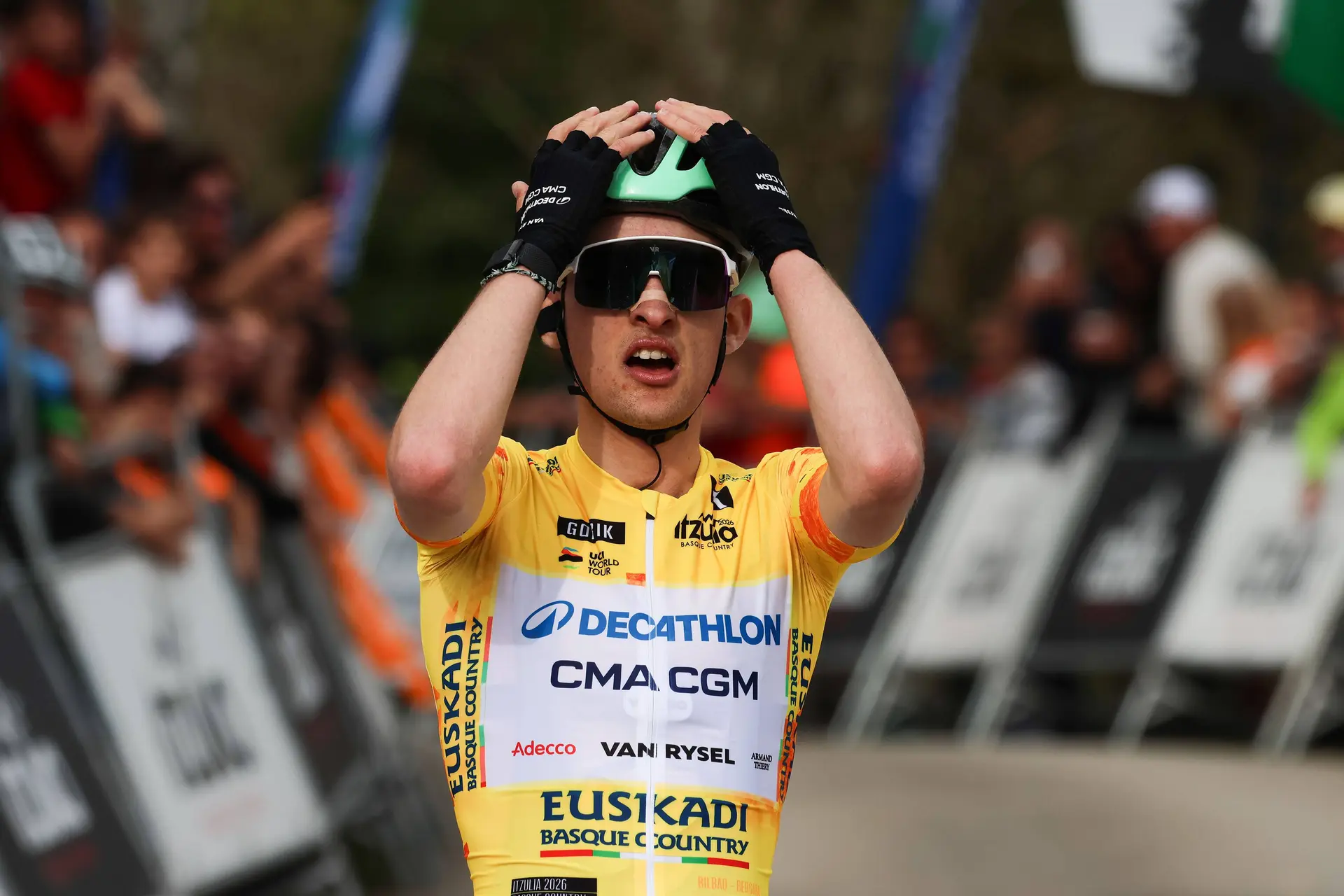
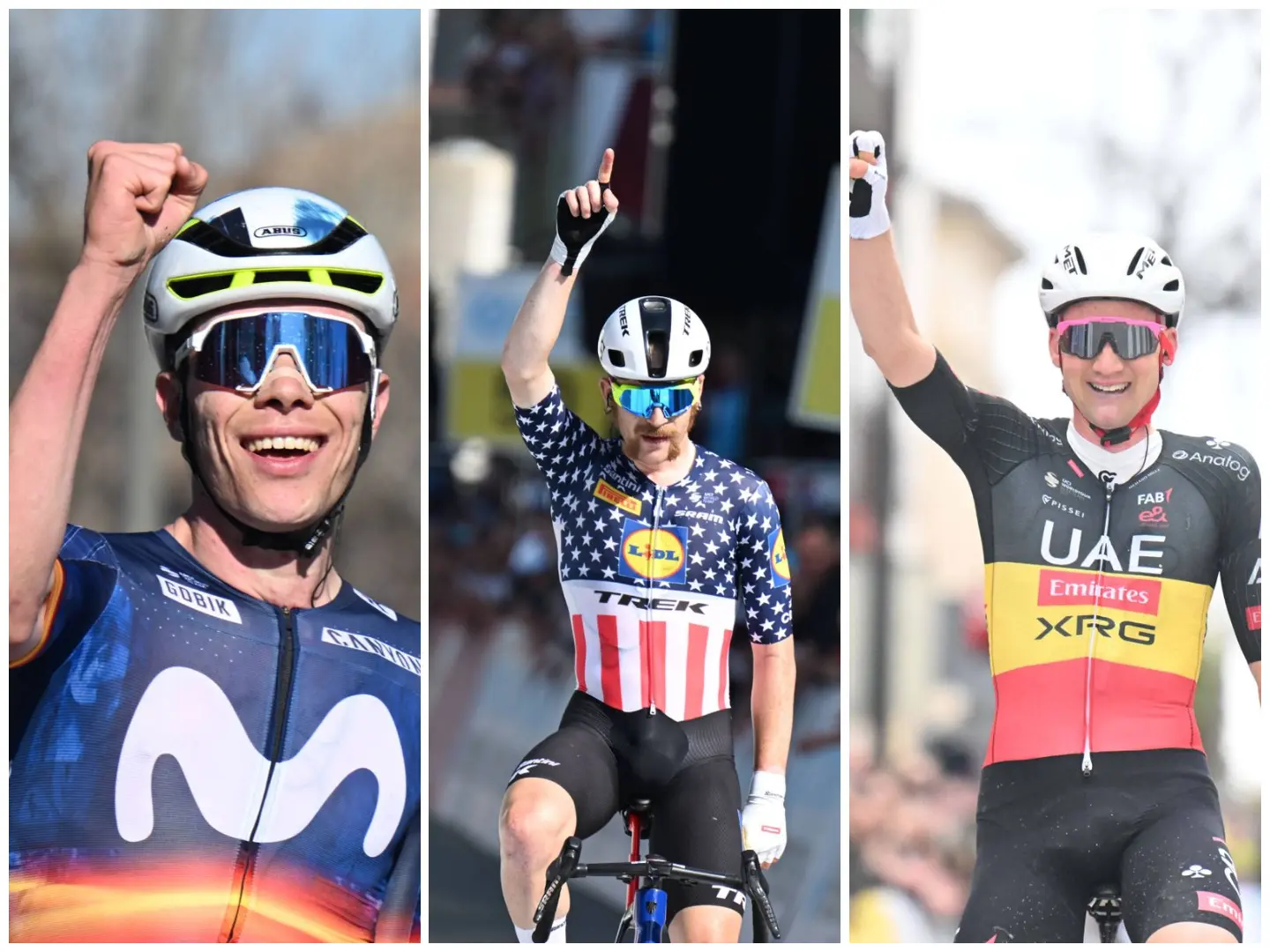
Oscar Onley - Tour dreams ended before they truly began
At only 23 years old, Oscar Onley has rapidly established himself among cycling's brightest Grand Tour talents.
Following an impressive fourth-place finish at the 2025 Tour de France, the Scottish climber arrived at Netcompany Ineos during the winter with enormous expectations. Many considered him the team's primary General Classification contender for 2026 after several years of steady progression.
His season had been built almost entirely around peaking in July. Everything changed during Stage 6 of the Tour Auvergne-Rhône-Alpes when Onley crashed heavily during a descent, suffering a significant shoulder injury that immediately cast doubt over his Tour participation. Further medical examinations later confirmed that he would not recover in time for Barcelona.
"I'm gutted," Onley admitted after the announcement, while insisting that his attention had already shifted towards rehabilitation and making the most of the remainder of the season.
Shoulder injuries vary considerably, but riders who suffer dislocations generally require six to ten weeks before returning to racing, depending on ligament damage and shoulder stability. With proper rehabilitation, Onley could realistically target the Vuelta a España or the late-season WorldTour calendar.
His absence represents one of the biggest sporting losses of this Tour, as many expected him to challenge for another top-five overall finish.
Read also
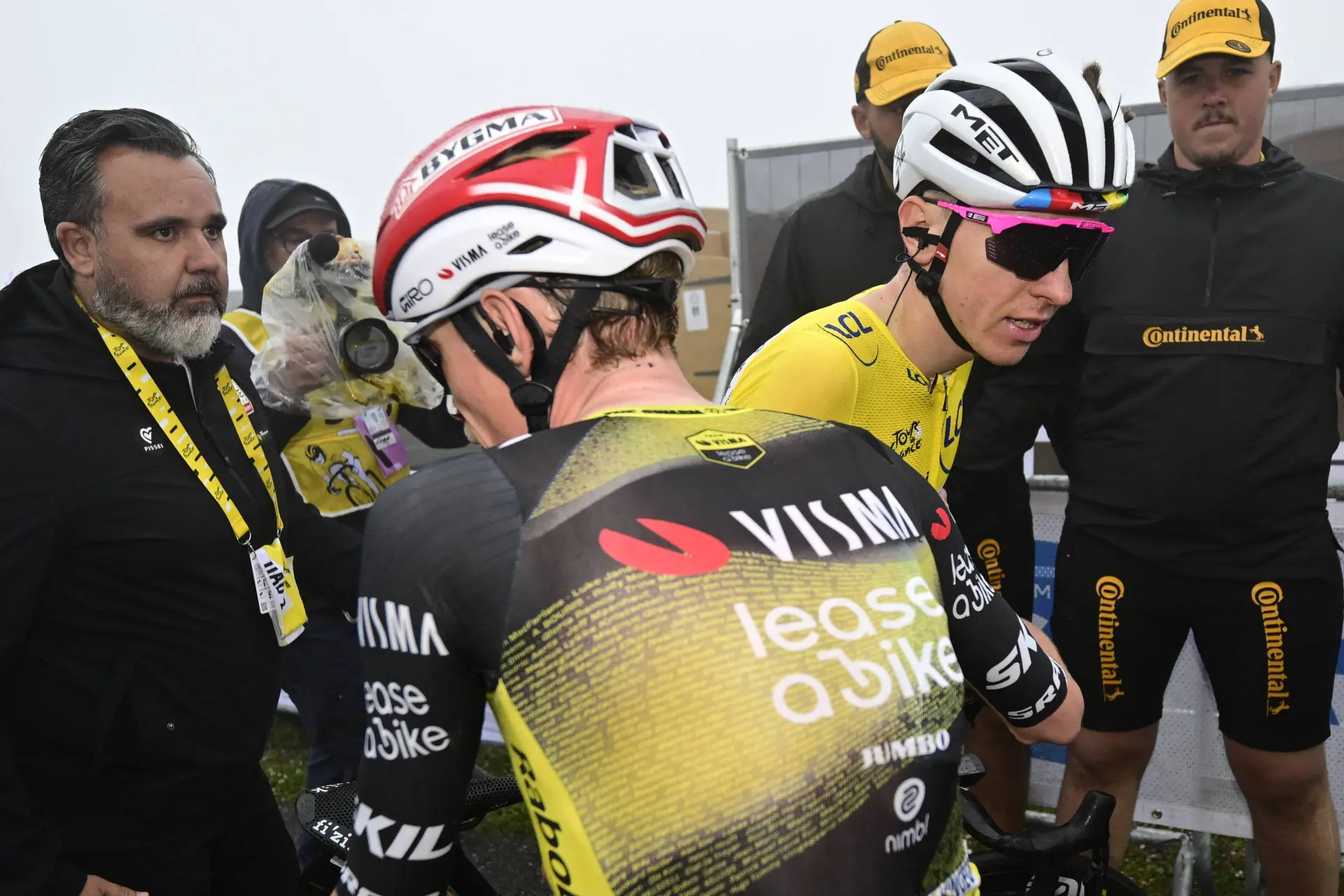
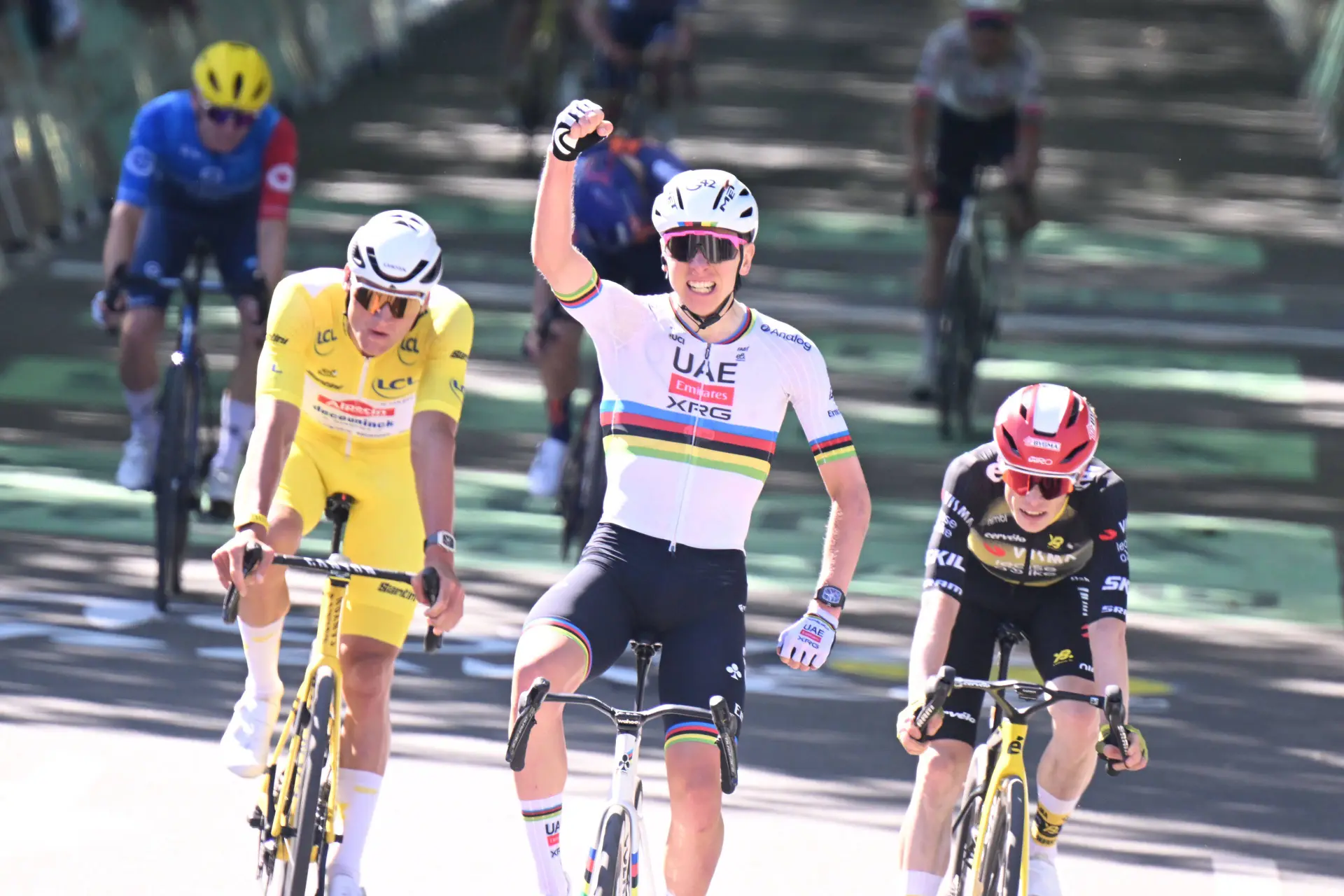
Pello Bilbao – Illness ends another Tour appearance
Pello Bilbao's absence is another setback for Bahrain - Victorious, with the experienced Spaniard ruled out after contracting a viral illness during the Tour Auvergne-Rhône-Alpes.
The Basque rider has long been one of the peloton's most dependable Grand Tour performers, combining his own ambitions with an important support role for his team. A Tour de France stage winner and consistent climber, Bilbao had once again built his 2026 campaign around July before illness derailed those plans.
Unlike traumatic injuries, recovery from viral infections can be difficult to predict. Although many riders return within a few weeks, coming back too soon carries a significant risk of relapse and prolonged fatigue. Bahrain Victorious therefore opted not to take any unnecessary risks by selecting him for the Tour.
Provided his recovery continues without complications, Bilbao is expected to return later this summer and could still play an important role during the second half of the season.
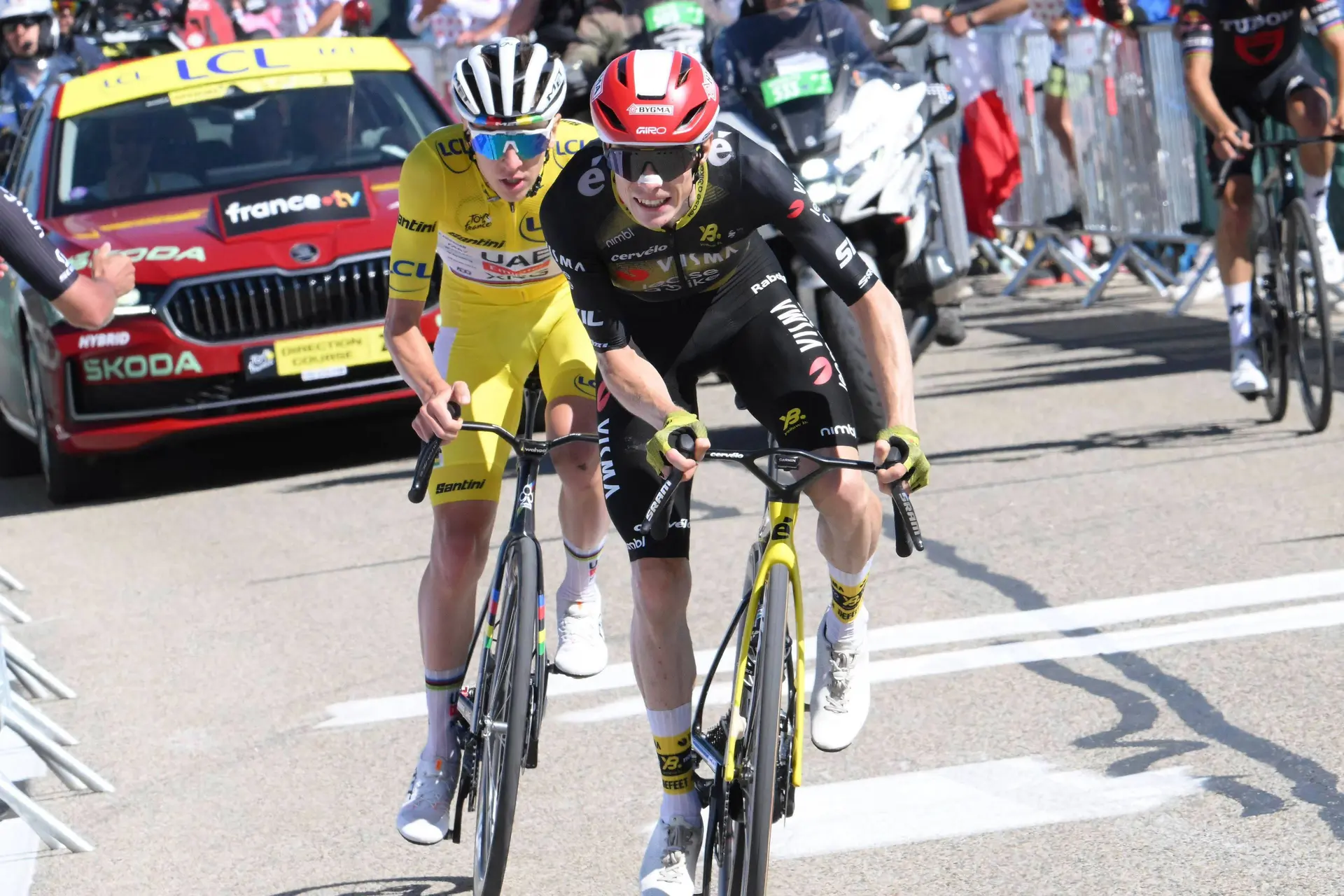
Mikel Landa - Recovery simply came too late
Mikel Landa has experienced more than his fair share of misfortune throughout his career. The Spanish climber has collected podium finishes in both the Giro d'Italia and Vuelta a España while repeatedly demonstrating his climbing pedigree in the Tour de France. Yet crashes and injuries have consistently interrupted his biggest ambitions.
His latest setback came following the serious pelvic fracture that ended his spring campaign. Although Landa has returned to training, Soudal Quick-Step ultimately concluded that he simply lacked the necessary race rhythm and physical condition required to compete at the level required over three weeks.
Unlike Van Aert or Onley, Landa's absence is not the consequence of a fresh injury but rather insufficient recovery following months away from competition.
Pelvic fractures generally require several months before riders regain full strength and confidence on the bike. With careful progression, Landa is expected to target late-season racing rather than rushing back for July.

The mass crash that took down dozens of riders on stage 2 of the 2026 Giro d'Italia
Marc Soler - Pogacar loses one of his most trusted mountain lieutenants
Marc Soler's absence may not attract the same headlines as some of the Tour's biggest stars, but it represents a significant blow for both UAE Team Emirates - XRG and defending champion Tadej Pogacar.
The Spaniard has become one of Pogacar's most reliable domestiques in recent editions of the Tour de France, capable of controlling the pace in the mountains, covering attacks on rolling terrain and remaining alongside his leader deep into decisive climbs.
His hopes of racing this year's Tour ended after suffering a fractured pelvis in a heavy crash during the Giro d'Italia. Although his rehabilitation has progressed steadily, Soler has not recovered sufficiently to be included in UAE's Tour squad, with his focus now shifting towards returning later in the season, potentially at the Vuelta a España.
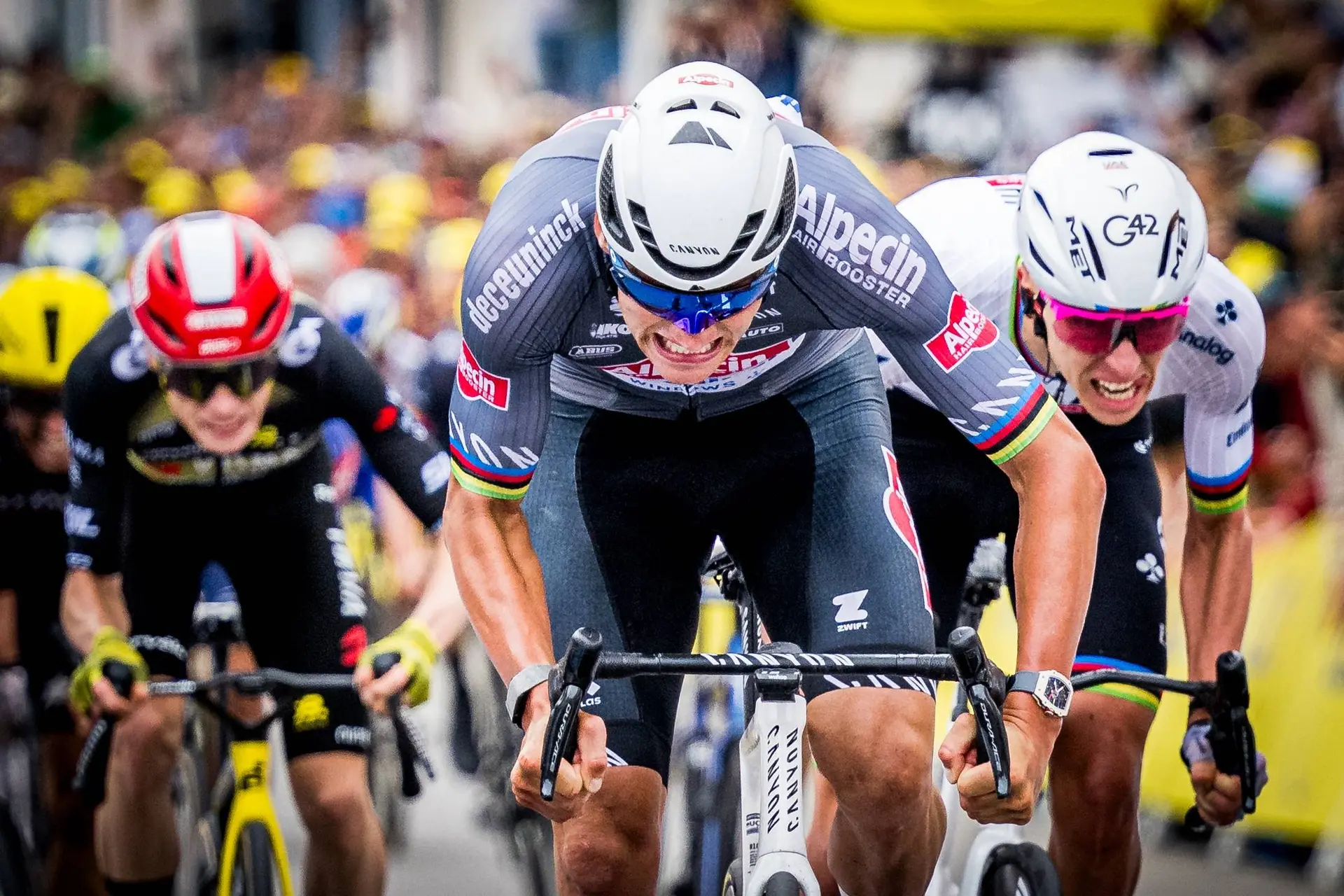
Kevin Vauquelin - Illness disrupts French hopeful's preparations
Kevin Vauquelin's build-up to the Tour de France has also been far from ideal after illness forced him to miss the French National Championships. Although the Frenchman has not suffered a major injury, the setback has interrupted his final preparations and raised questions over his condition heading into the Grand Départ.
After an impressive first half of the season, Vauquelin had been expected to target stage victories and potentially challenge for a strong overall result. Missing key race days in the final lead-up to the Tour is far from ideal, although he is still expected to take his place on the start line if he makes a full recovery in time.

Joshua Tarling
Josh Tarling - Another setback for Netcompany Ineos
Netcompany Ineos have arguably suffered the greatest collective damage before the Tour. While Oscar Onley has already been ruled out, Josh Tarling's preparations were also derailed after the Welshman fractured his collarbone during the Tour Auvergne-Rhône-Alpes. The 22-year-old underwent surgery shortly afterwards and is now racing against time to recover.
Collarbone fractures are among cycling's most common injuries, with elite riders often returning between four and six weeks after surgery, although regaining full strength can take longer. Even if Tarling returns quickly, missing valuable race preparation represents another blow for an Ineos squad already without one of its leading General Classification hopes.
A Tour missing several familiar faces
While the majority of the overall favourites remain on course to start in Barcelona, several important domestiques and potential stage contenders have nevertheless been lost in the weeks leading up to the race.
Nevertheless, the absence of riders like Wout van Aert, Oscar Onley, Pello Bilbao and Mikel Landa removes an enormous amount of experience, attacking flair and climbing quality from the race, as for the teams the weeks leading into the Grand Départ have been dominated not only by final preparations, but by medical updates and difficult selection decisions.
For those riders, the Tour will be watched from home, with rehabilitation replacing racing. Their focus now shifts to the second half of the season, where races such as the Vuelta a España and the World Championships offer a chance to rescue campaigns that were derailed before cycling's biggest event had even begun.
Carlos Silva is a writer for CyclingUpToDate.com, where he contributes race reports, interviews, analysis pieces, and live coverage of the international cycling calendar. Holding a degree in Sports from the Jean Piaget Institute, he combines academic knowledge of performance, training, and competition with hands-on journalism experience in professional cycling.
Throughout his career, Carlos has conducted interviews with leading figures in the sport, including Alberto Contador, Joaquim Rodríguez, Óscar Pereiro, João Almeida, Isaac del Toro, Derek Gee, John Degenkolb and Geraint Thomas. These conversations reflect direct engagement with Grand Tour winners, Classics specialists, and emerging talents.
He has provided on-site coverage at major events ranging from the Vuelta a España to the Tour de France, alongside stage races such as Vuelta a Andalucía, Volta ao Algarve, Volta a Portugal and O Gran Camiño. Covering the mythical climbs of the Giro d'Italia remains one of his professional ambitions.
Carlos is responsible for liveblog coverage of all major WorldTour races and beyond, including the Tour de France, Giro d'Italia and Vuelta a España. His reporting integrates verified data from ProCyclingStats to ensure statistical accuracy, contextual depth, and analytical precision.
A lifelong cycling enthusiast, he approaches storytelling across written, photographic, and video formats with a focus on credibility, tactical insight, and informed race interpretation.
claps 1visitors 1
Just in

Popular news
Latest comments
- The US has gone through a long convoluted process of defining how athletes can make money off their "Name, Image, and Likeness," and I see the point that Pederson and the other athletes are making here. Also, how very Mads Pederson to say, "Everyone has seen the somewhat tacky advertisements." You can almost see that sly smile on his face when he says it.RidesHills27-10-2026
- Vine coming from his background and then succeeding on a team full of superstars, so great. He's got solid wins (GC and TT), would be even more successful in the TT if he didn't live in the era of Ganna and Evenepoel, and seems to have a thing for the Vuelta. Aren't something like 1/3 of his wins there? (Checks procyclingstats - yes, 5 of the 14) Great guy, and I wish him all the success he can find!RidesHills27-10-2026
- Such a soft spot for Vine. To watch him come from the Zwift Academy to the levels he is at, now, is incredible. Always rooting for a Vine win.anonymouscyclist27-10-2026
- glad you're still making it happen!mij27-10-2026
- With the exception of Axel Laurence, the rest are in their 30's. My opinion is I think, perhaps, we're beginning to see the effects of younger riders coming into the pro ranks. I believe we're going to see those effects in the coming years. All teams are looking for the next Pogi, Jonas & Seixas. Of course, Seixas hasn't proved himself yet. He's just a kid. I believe he will though. Remco is a strange case. I believe if he can overcome being erratic, he should wn a few Tours, What do you guys think?Paggss27-10-2026
- And, at 2% he'll still destroy the competition...Paggss27-10-2026
- I agree.Paggss27-10-2026
- I hear you, I'm 73 with C5 & C6 fused. Also, I'm two aortic valve replacements and three pacemakers down. Yea, Father time is catching up. I'm just glad I can ride at a good level. Uphills are not my favorite however, I love those downhills! I guess I give us 'old guys' some inspiration. :~ )Paggss27-10-2026
- Prove otherwise... I'm sure there's thousands of Glaswegians will be happy to tell you their version of it!slappers6627-10-2026
- they should allow teams to add to the roster limit if they are adding riders in other disciplines. for example, you can have 30 road riders, 3 gravel, 3 mountain bike, 3 cyclocross. that way a team isn't penalized by losing road riders by expanding into other disciplines. of course it needs to be policed as does a team classify Pidcock, MVDP or WVA as cross, mountain, or what? But that is workable.mij27-10-2026
Loading
1 Comments