“Tom Pidcock’s puncture at a critical moment disrupted everything” - Q36.5's best laid plans unravel in Liège-Bastogne-Liège chaos
Cycling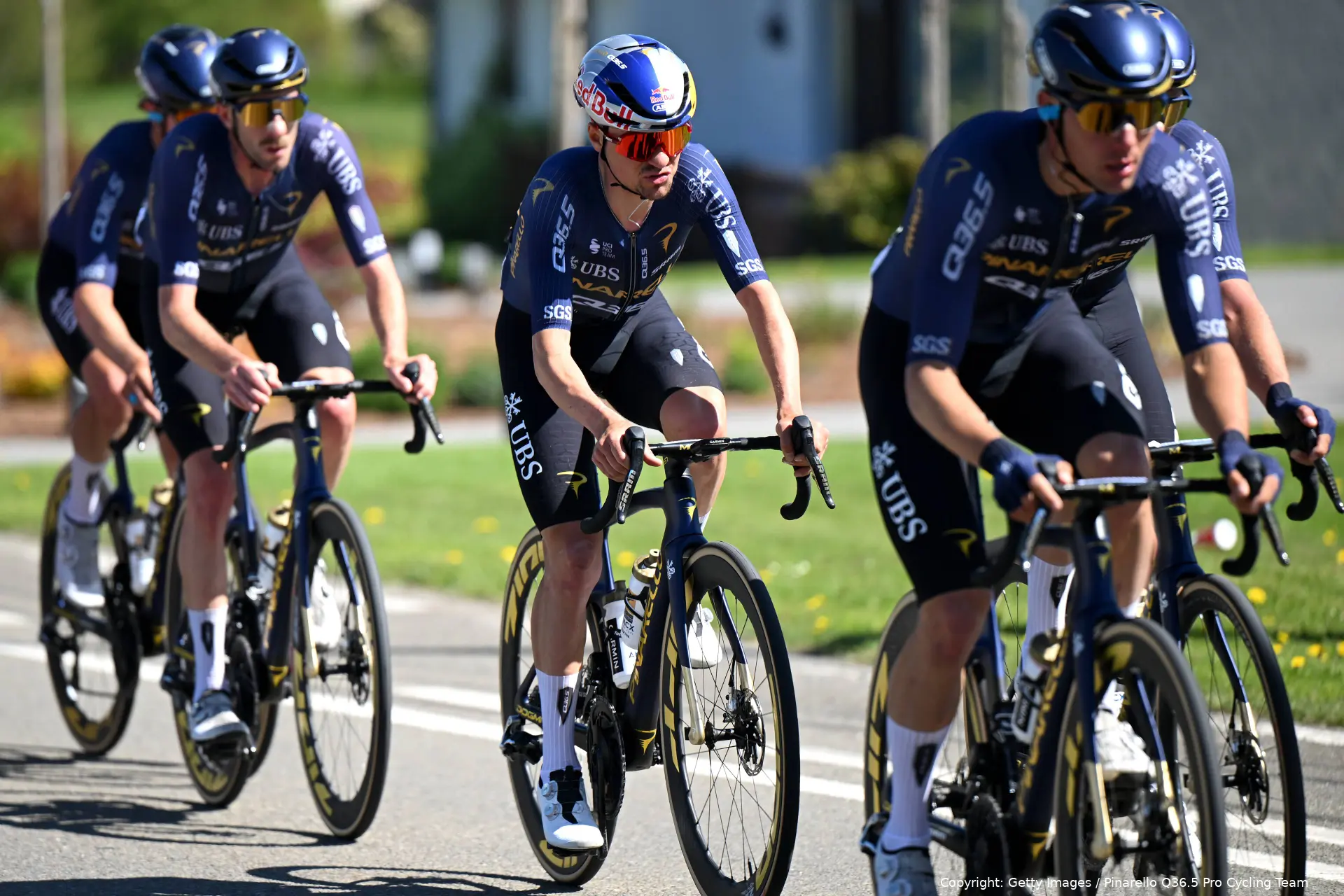
The chaotic opening to Liège-Bastogne-Liège 2026 immediately put Tom Pidcock on the back foot, and just as the race threatened to reset, a puncture at the worst possible moment ended any realistic chance of recovery.
“The race was chaotic from kilometre zero,” said sports director Gianluca Brambilla post-race. “We were in a strong position with two riders up front - Hermans and Bax - and we believed we could achieve a solid result.”
That early situation reflected how well the team had adapted to the explosive opening phase, placing Quinten Hermans and Sjoerd Bax into the front group as the race split apart.
But that advantage would not last. “Unfortunately, Tom Pidcock’s puncture at such a critical moment disrupted all the tactical plans we had prepared with great attention to detail,” Brambilla explained.
Race gone in a moment
The timing of that incident proved decisive. As the early split began to come back together under increasing pressure, Pidcock was forced into a bike change, leaving him immediately on the back foot in a race already being ridden at full intensity.
The team attempted to respond, but the situation quickly spiralled.
“On top of that, Xandro Meurisse, who had stopped to support Tom, also suffered a puncture shortly after restarting,” Brambilla added. “At that point, the gap became extremely difficult to close, as the strongest teams were pushing hard at the front. The race was effectively gone.”

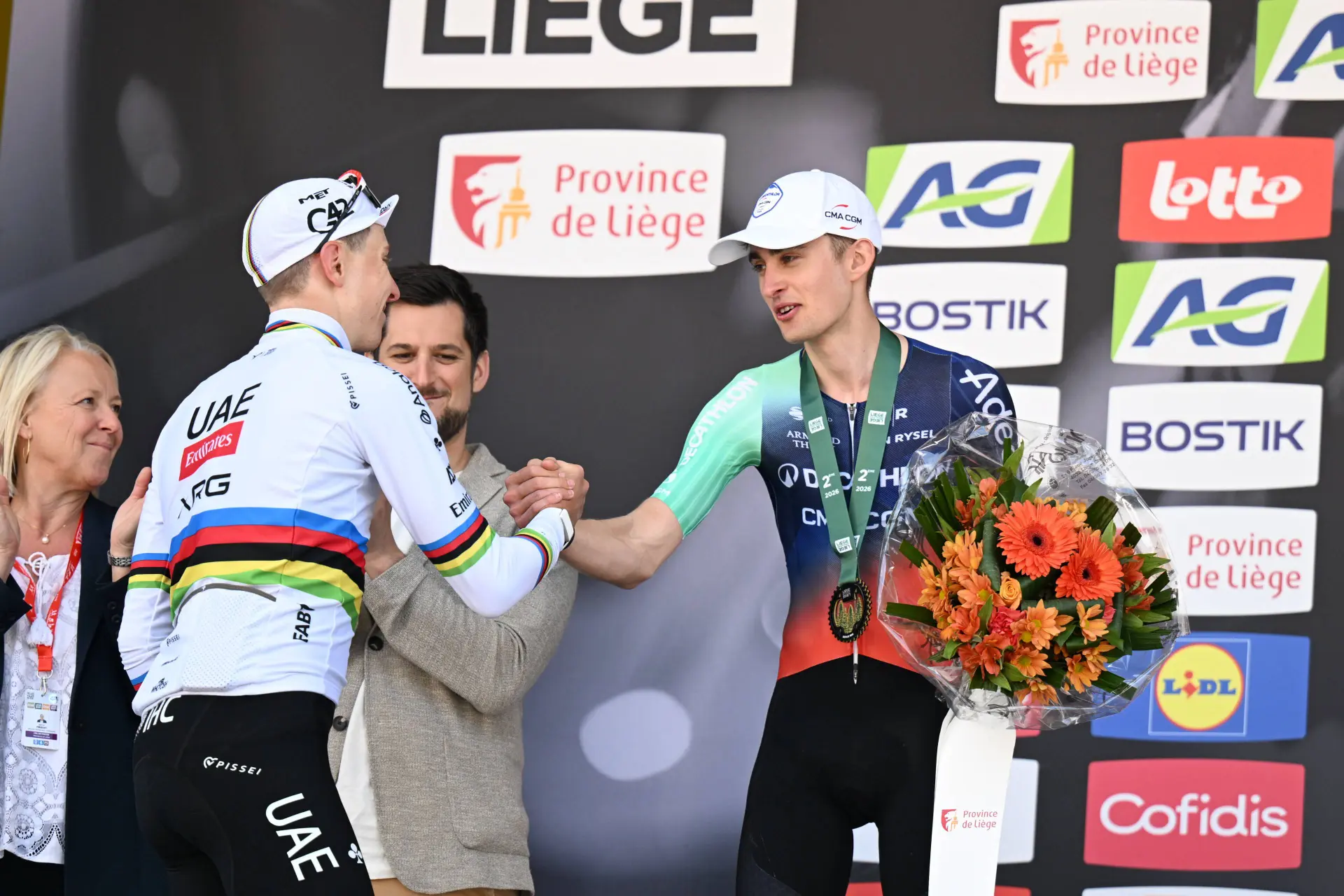
Tom Pidcock in action at Liêge-Bastogne-Liège 2026
From opportunity to damage limitation
Up to that moment, Pinarello Q36.5 had been racing exactly as planned. With numbers in the key move and a leader positioned to capitalise, the foundations were there for a competitive result in a race that had already defied expectations with its aggressive early phase.
Instead, the focus shifted entirely. “There’s not much more to add - today didn’t go our way,” Brambilla said. “But it’s an important learning experience for the riders in one of the toughest races on the calendar.”
A chaotic race with no margin for error
Liège-Bastogne-Liège 2026 offered little room for recovery once things began to go wrong. The early splits, relentless pace and constant pressure meant that even a brief mechanical issue carried race-ending consequences.
For Pidcock and his team, the combination of strong positioning and sudden misfortune ultimately defined their day. A race that had briefly offered opportunity was decided instead by a moment they could not control. And in a Monument shaped by chaos, that was enough to end their chances.

Kieran WoodDeputy Editor-in-Chief
Kieran Wood is a sports journalist based in Wales and has been active in journalism since 2022. He regularly contributes to DartsNews.com and CyclingUpToDate.com, where he covers professional cycling and darts. In cycling, his work includes liveblogs from major races, including the Tour de France, the Giro d’Italia, and La Vuelta a España, alongside race reports and analysis. He has also conducted interviews with professional riders.
His reporting spans the full racing calendar, from one-day classics to stage races, with a focus on accurate, real-time coverage and clear contextual analysis. For statistics, results, and historical context, he regularly uses resources such as ProCyclingStats. To support reporting on rider activity and training context where relevant, he also references Strava.
In his work, Kieran places strong emphasis on careful sourcing, editorial accuracy, and updating articles as new, verified information becomes available.
claps 1visitors 1
Just in
Popular news
Latest comments
- Maybe Ineos are planning to concentrate on GC after recent statements about getting back to winning the Tour?Lozza09-10-2026
- lol maybe a better questionmij09-10-2026
- Does Ineos?Mistermaumau09-10-2026
- ThanksMistermaumau09-10-2026
- It depends on your religion or opinion of science but if you feel he did the right thing I suggest you go complain to guys like Mohorič, Mas, etc. for reminding him not to try to copy Senna too much.Mistermaumau09-10-2026
- yeah that was poorly written, but Gulio was in the pink, and they didn’t work for him to protect the jersey. they let a group get up the road. the transfers are out of hand. what is a contract for?mij09-10-2026
- does he make it two years?mij09-10-2026
- A lot of things should not be happening but everything seems to be getting worse, not just in cycling or sport or professional surroundings. People are abandoning (common) standards in their belief they are only responsible towards themselves and have lost the ability to care, consider or understand consequences for others. If you ride , you should have noticed by now. I’m not one to stick to rules per se but when, I don’t go round aggressing or criticising others who don’t either. On the bike you constantly get hooted, harassed, insulted or nudged off by drivers who broke at least double the number of rules you did before they point yours out. That said, I haven’t seen many specifics on this case yet so I’m not going to comment specifically, for now. If anyone knows more…Mistermaumau09-10-2026
- it is crazy. is this UAE at the end of Tadej’s reign? it happens!mij09-10-2026
- Not *all* Remco's wins have been without Tadej around. Tadej has beaten Remco in 2 direct head-to-head TT encounters, but the rest, with both present, Remco has taken the crown. If we're going to state facts, let's be accurate and give Remco credit where it is due, that man is often unbeatable in a TT.anonymouscyclist09-10-2026
Loading
Write a comment