“Simply on another level” - Filippo Zana well-positioned but left helpless by Tadej Pogacar and Paul Seixas' blistering Liège-Bastogne-Liège assault
Cycling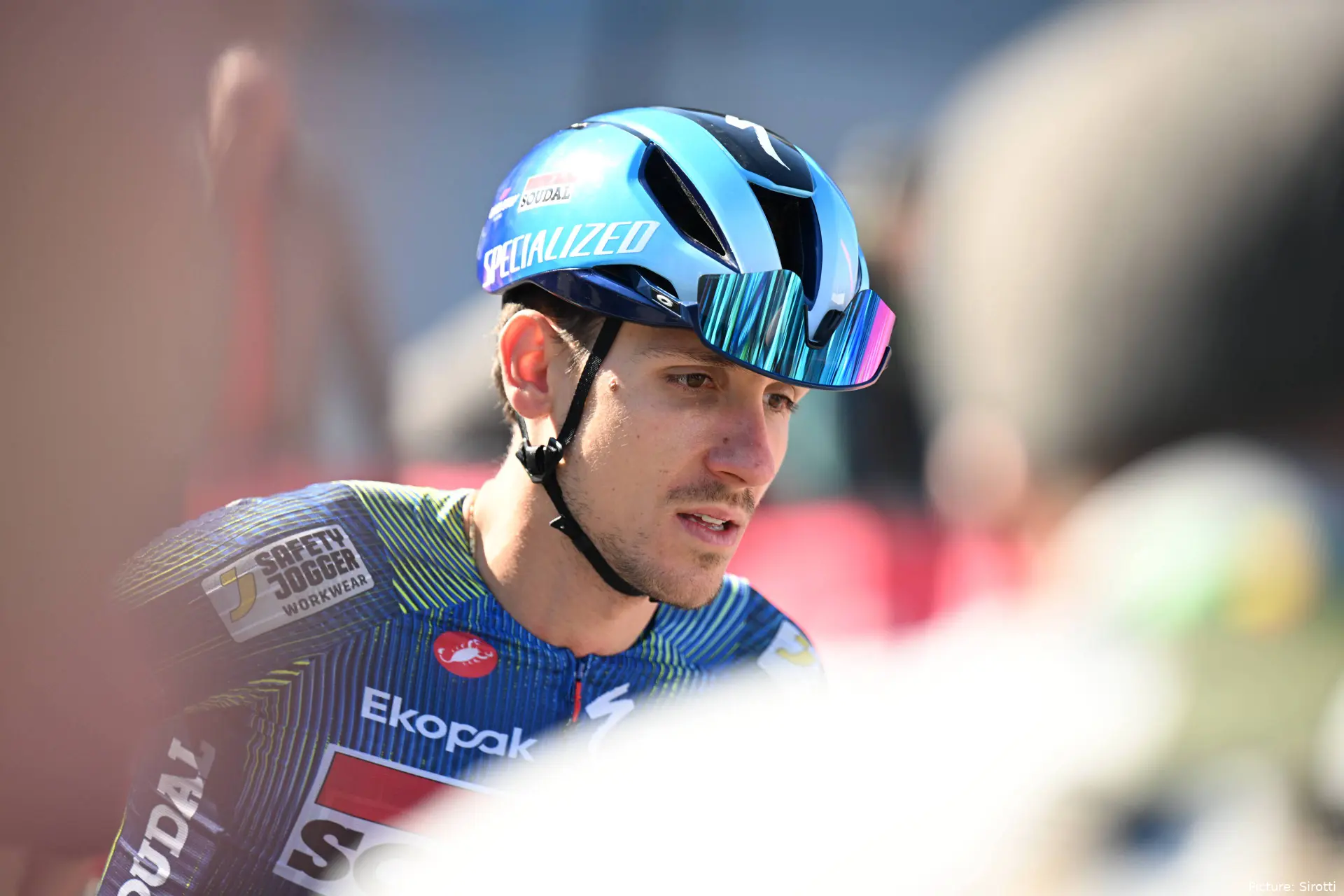
Filippo Zana’s reaction to Liège-Bastogne-Liège offers a clear window into the level required to compete at the front of the race, with the Italian left with little to reproach himself despite being distanced at the decisive moment.
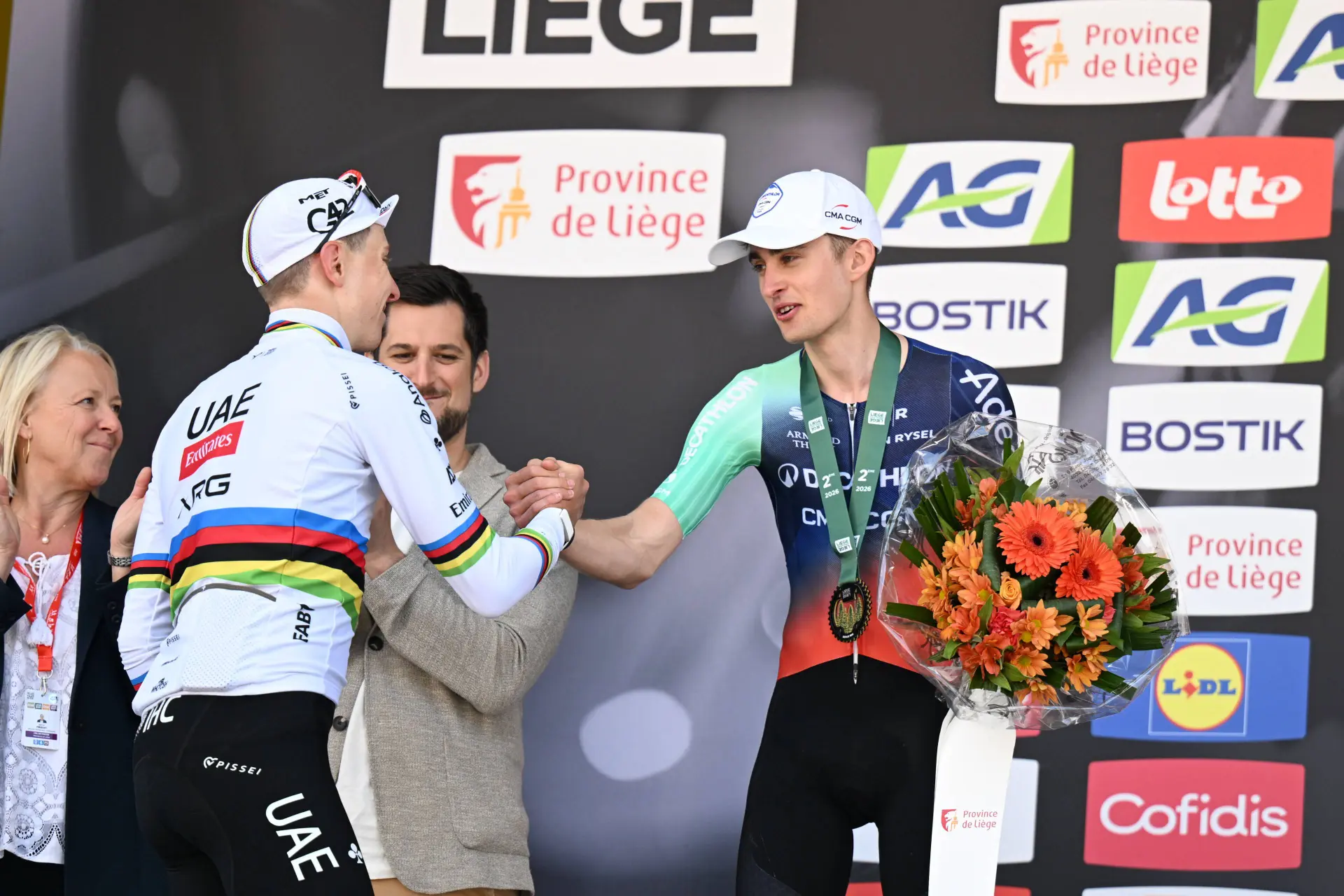
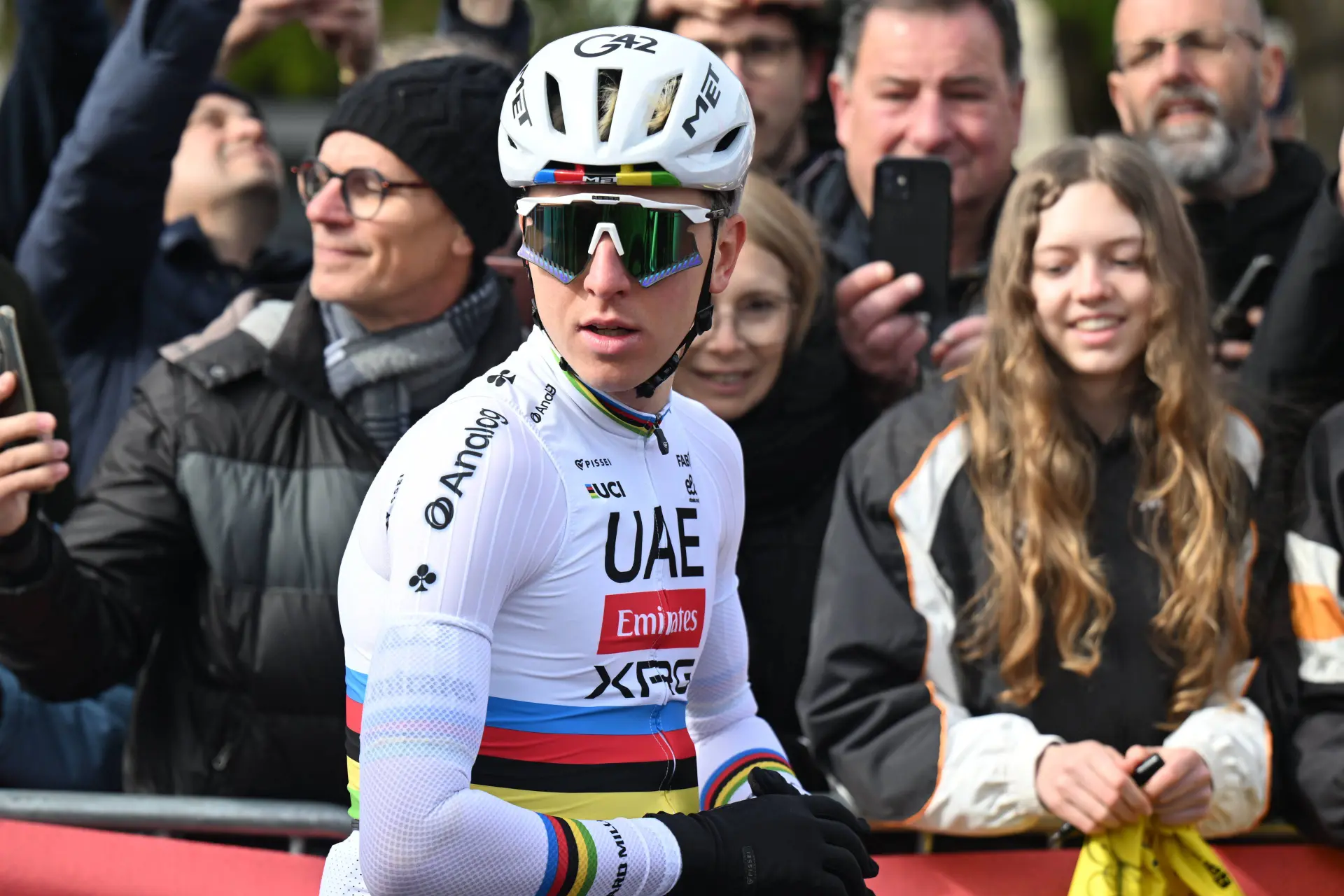
Having positioned himself well and carrying strong legs deep into the race, Zana was in place as the race built towards its defining phase. But when Pogacar and Seixas made their move, the gap in level became immediately apparent. “I was well positioned on La Redoute, but the riders who went clear were simply on another level,” Zana said post-race.
Perfect setup, same outcome
Zana’s assessment is what makes his reaction particularly revealing. This was not a case of poor positioning or missed timing. Nor was it a question of lacking condition. By his own account, he had both. Instead, it was a moment where preparation, form and execution still proved insufficient against the two riders who ultimately shaped the race.
That distinction underlines the scale of the challenge faced by the rest of the peloton, particularly on a day where the race had already been shaken by an unusually aggressive opening phase.
Aggressive racing without reward
Behind the leading duo, Zana was part of the group contesting the remaining podium places, in a race that remained fast and unpredictable throughout. “We had three riders in the chasing group, and I tried several times to attack, but they brought me back each time,” he explained.
That repeated aggression reflected both his condition and his intent, but also the difficulty of making a decisive move once the race had stabilised behind the leaders.
A reduced sprint followed, a scenario that did not play to his strengths. “A sprint like that, after such a hard race, is always chaotic, and I launched mine a bit too early, but I’m still happy to have finished in the top 10,” Zana added.

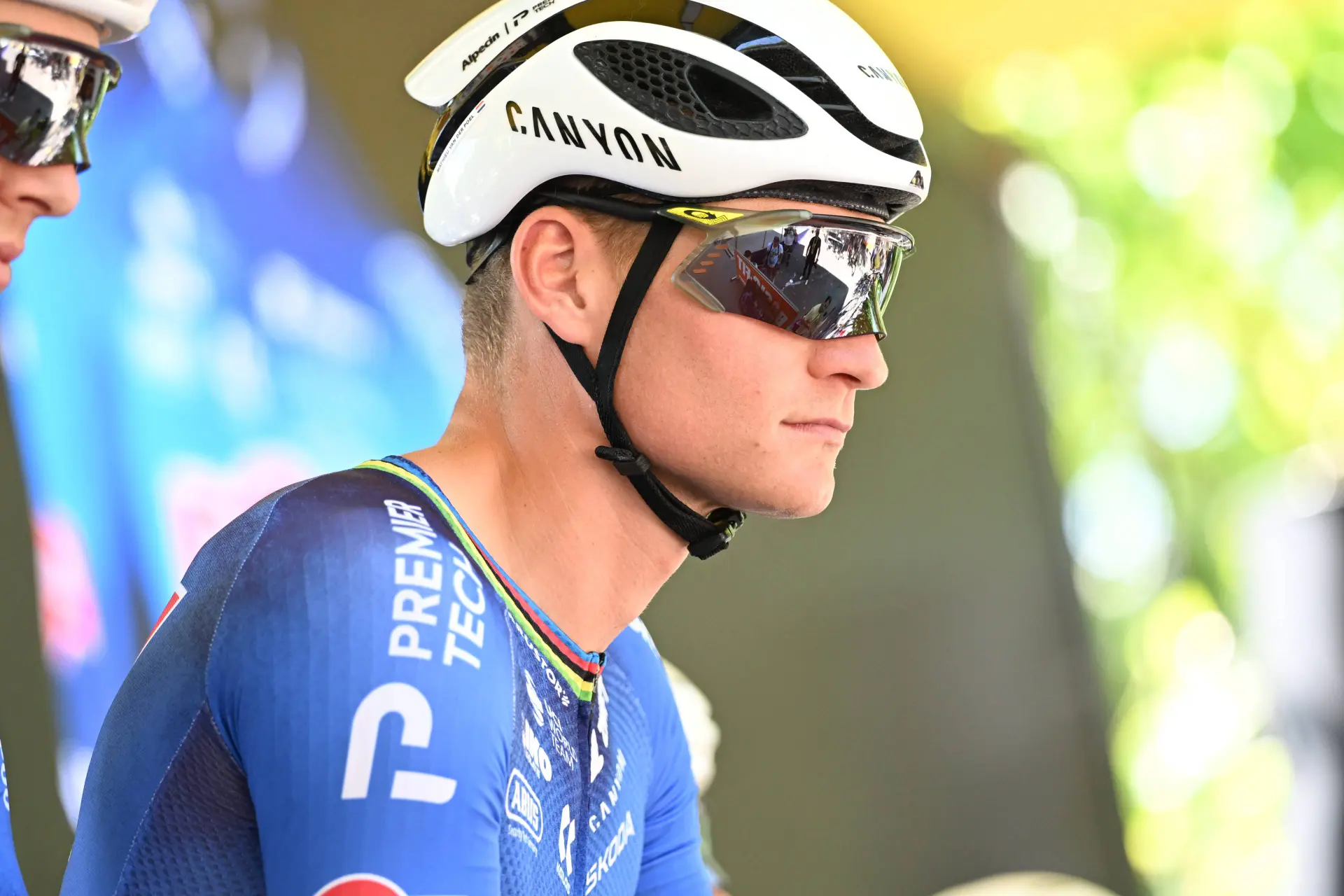
Filippo Zana during recon for Liege-Bastogne-Liege 2026
A race defined by intensity
Liège-Bastogne-Liège 2026 was raced at a relentless tempo from the opening kilometres, a factor that only amplified the difficulty of responding in the final. “It was an exhausting day on the bike, with a high pace from the start. Over more than 260 kilometres, we knew it would be difficult,” he said.
That intensity, combined with the earlier chaos in the race, created conditions where only the very strongest could respond when the decisive acceleration came.
A benchmark for the rest
Zana’s performance still delivered a first top 10 finish in a Monument, a milestone that reflects both his progression and his consistency across the race. “I can still be satisfied with how we raced as a team today. We really rode like a pack of wolves from start to finish,” he concluded.
But his takeaway from the decisive moment is likely to resonate more widely. On a day where many riders found themselves in position to compete, the difference was not tactical or situational. It was simply a matter of level.
And, as Zana made clear, that level was out of reach.

Kieran WoodDeputy Editor-in-Chief
Kieran Wood is a sports journalist based in Wales and has been active in journalism since 2022. He regularly contributes to DartsNews.com and CyclingUpToDate.com, where he covers professional cycling and darts. In cycling, his work includes liveblogs from major races, including the Tour de France, the Giro d’Italia, and La Vuelta a España, alongside race reports and analysis. He has also conducted interviews with professional riders.
His reporting spans the full racing calendar, from one-day classics to stage races, with a focus on accurate, real-time coverage and clear contextual analysis. For statistics, results, and historical context, he regularly uses resources such as ProCyclingStats. To support reporting on rider activity and training context where relevant, he also references Strava.
In his work, Kieran places strong emphasis on careful sourcing, editorial accuracy, and updating articles as new, verified information becomes available.
claps 3visitors 3
Just in
Popular news
Latest comments
- Pogi would have won the Vuelta at around 10 min. But it would have been boring for fools like you. Capish?PogiSloFans11-10-2026
- Rather than me describing the technology at length on here, If you google. Line-scan cameras. They are also sometimes called Slit-Scan cameras. Either search will fill you in. You can read all about how they. work. Enjoy! Just to be clear the cyclist is saying he wants to see exactly where the digital finish line is in relation to the actual physical finish. At this point we only have the word of the authority that the digital line corresponds to the exact starting edge of the physical finish line. That seems like a reasonable request to me.Prorodsandstuff11-10-2026
- 100% @Jumpyjohn, good point well raised.anonymouscyclist11-10-2026
- The media keep stirring the soup.. or spitting in it
 leedorney11-10-2026
 - Yes, he has won many races... second class races. He isn't the real deal... Seixas is the real deal. Capish?PogiSloFans11-10-2026
- What are you guys talking about? I'm not the one you guys think I am. I'm a Slovenian Pogi fan, that's all... the guy you're talking about is a Croation Ustasha. Capish?PogiSloFans11-10-2026
- It would be epic if Seixas came to UAE. 3/4 of the commentators on this site would stop watching cycling... ha ha ha ha ha ha...PogiSloFans11-10-2026
- UAE's problem is Seixas wants to beat Tadej.Renz11-10-2026
- You are blinded by your infatuation with Pogi. IdT has done crazy good stuff. One of the strongest ever first three years in the peloton. poor showing in his last couple of races btu I don't think he is quite washed up yetmobk11-10-2026
- Absolutely not. The guy has finished so many races 2nd to Pogi so absolutely not a shocker that when Pogi isn't there he wins a fewmobk11-10-2026
Loading
1 Comments