"Today wasn’t my day" - Ion Izagirre on final Liège and crashing in the moment Remco Evenepoel escaped the peloton
Cycling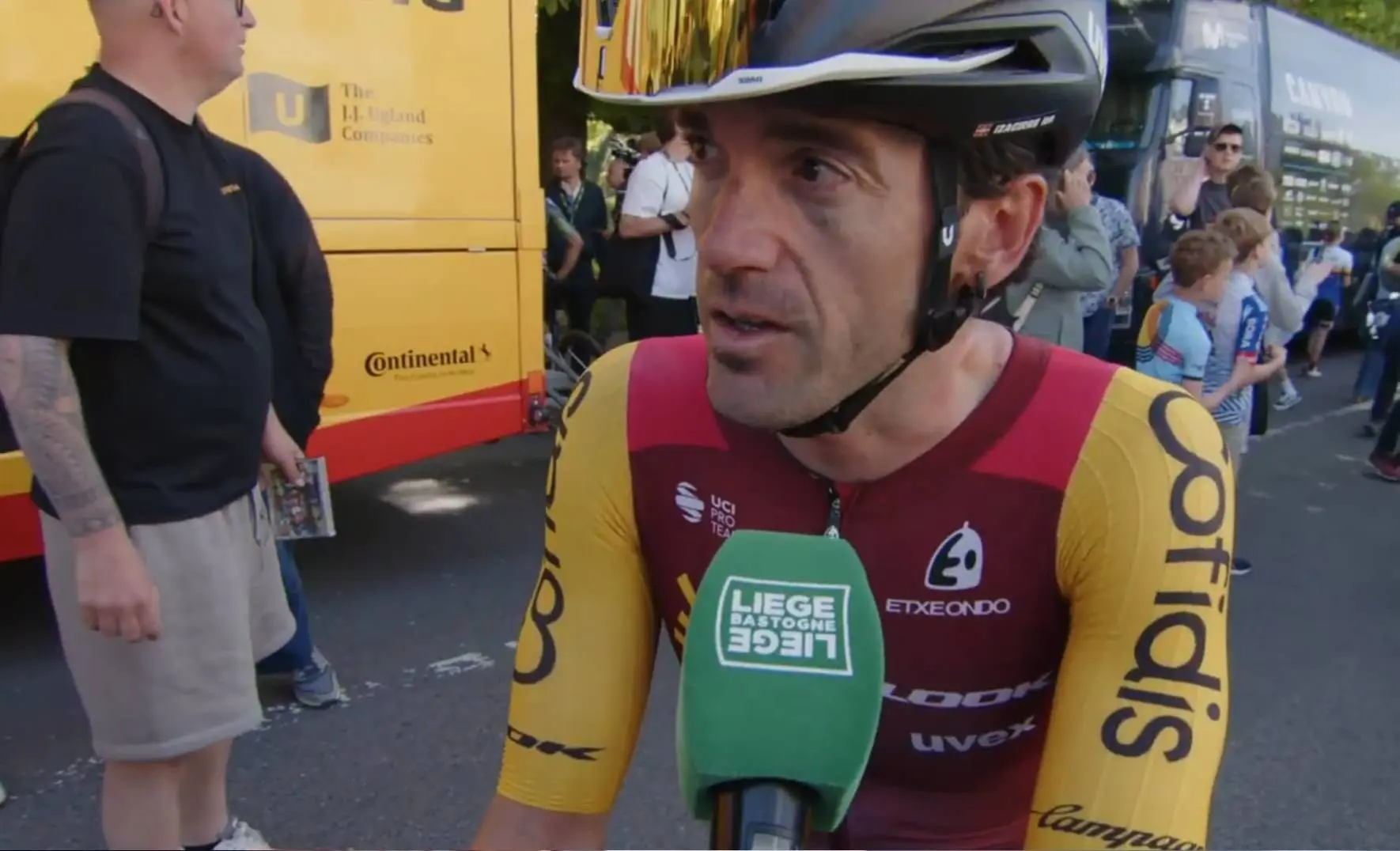
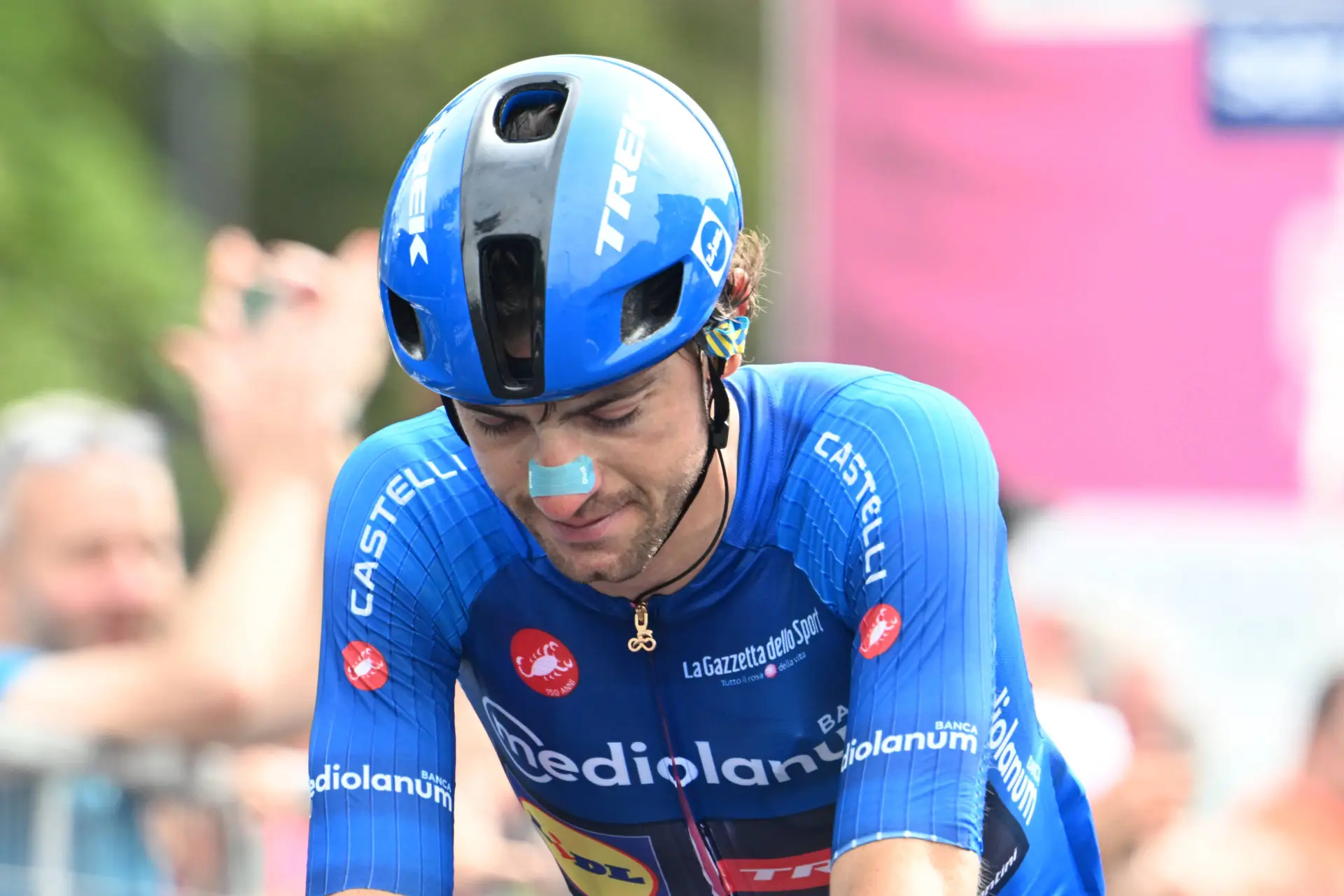
It wasn’t the fairytale finish, but it perfectly captured Ion Izagirre’s career: combative, resilient, and honest to the final kilometre. The Basque rider, in his last appearance at Liège–Bastogne–Liège before retiring at the end of 2026, fought to stay with the best despite a day defined by misfortune.
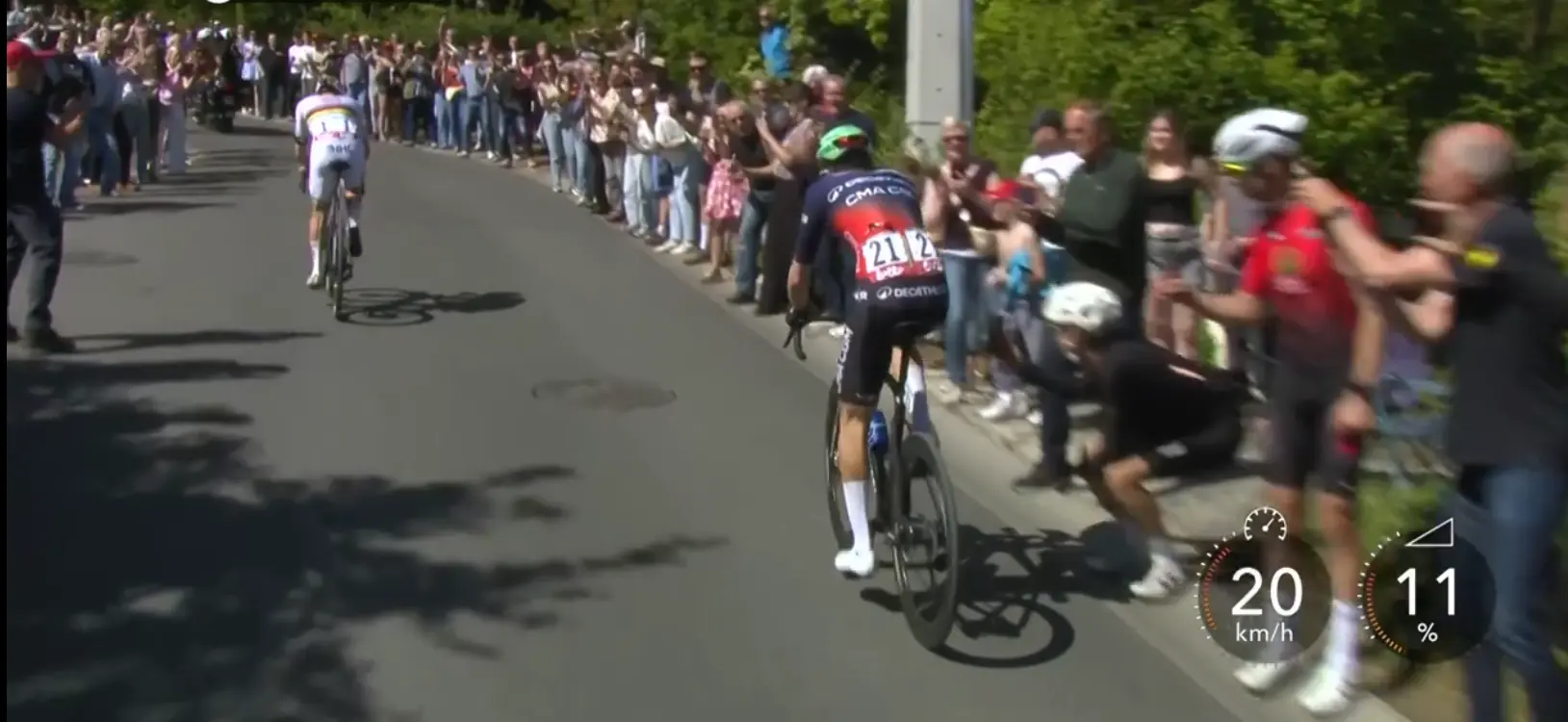
A crash in the opening phase completely shaped his race, forcing him to battle against the tide from very early on. This was the very same fall that split the peloton and led to Remco Evenepoel's breakaway. Inadvertently, the veteran ended up being a key part of the race's story.
“It was a very crazy race,” Izagirre summed up as he crossed the line, the effort still etched on his face. The pace was sky-high from the start, with dangerous moves and splits that demanded total focus. In one of those critical moments, just as the race began to fracture, the incident struck.
“I crashed at the beginning, when the group split,” he explained, underlining the ill-timed nature of the setback. In a Classic like Liège, where every detail counts and every effort bites, an early crash is close to a sentence. Izagirre knew it. Not only for the immediate physical toll, but for the extra energy needed to reconnect with the bunch once the race is at full tilt.
“I had to recover for a few kilometers,” he noted, referring to that delicate phase when the body is still absorbing the impact while the race refuses to wait.
Even so, true to character, the Basque rider didn’t give in. He made it back to the main group, showing the legs were responding despite the tumble. “I’m glad I was able to follow the big group,” he said, valuing that invisible effort that often goes unnoticed in the final standings but defines a rider.
No reward, but full of dignity
He was part of the group that battled for the podium, having the legs to be part of the main chasing group, but not to make the difference as he did earlier this month at the GP Miguel Indurain where he was the winner.
The final 21st place sits far from the top 10 he flirted with at points, but the result is almost secondary in the context of his display. Izagirre was there, fighting, trying to survive in an especially demanding edition, marked by relentless pace and constant attacks.
“Today wasn’t my day,” he admitted matter-of-factly. A simple line that captures cycling’s harsh truth: there are days when everything goes against you, and in a Monument like this, the price is high.
Curiously, after crossing the line, pain wasn’t the most pressing concern… at least not immediately. “It’s hot now, I don’t feel pain, but I’m sure I’ll feel it in the coming days,” he confessed, anticipating the physical payback from the crash. A well-known reality in the peloton: adrenaline numbs it during the race, but the body sends the bill afterwards.

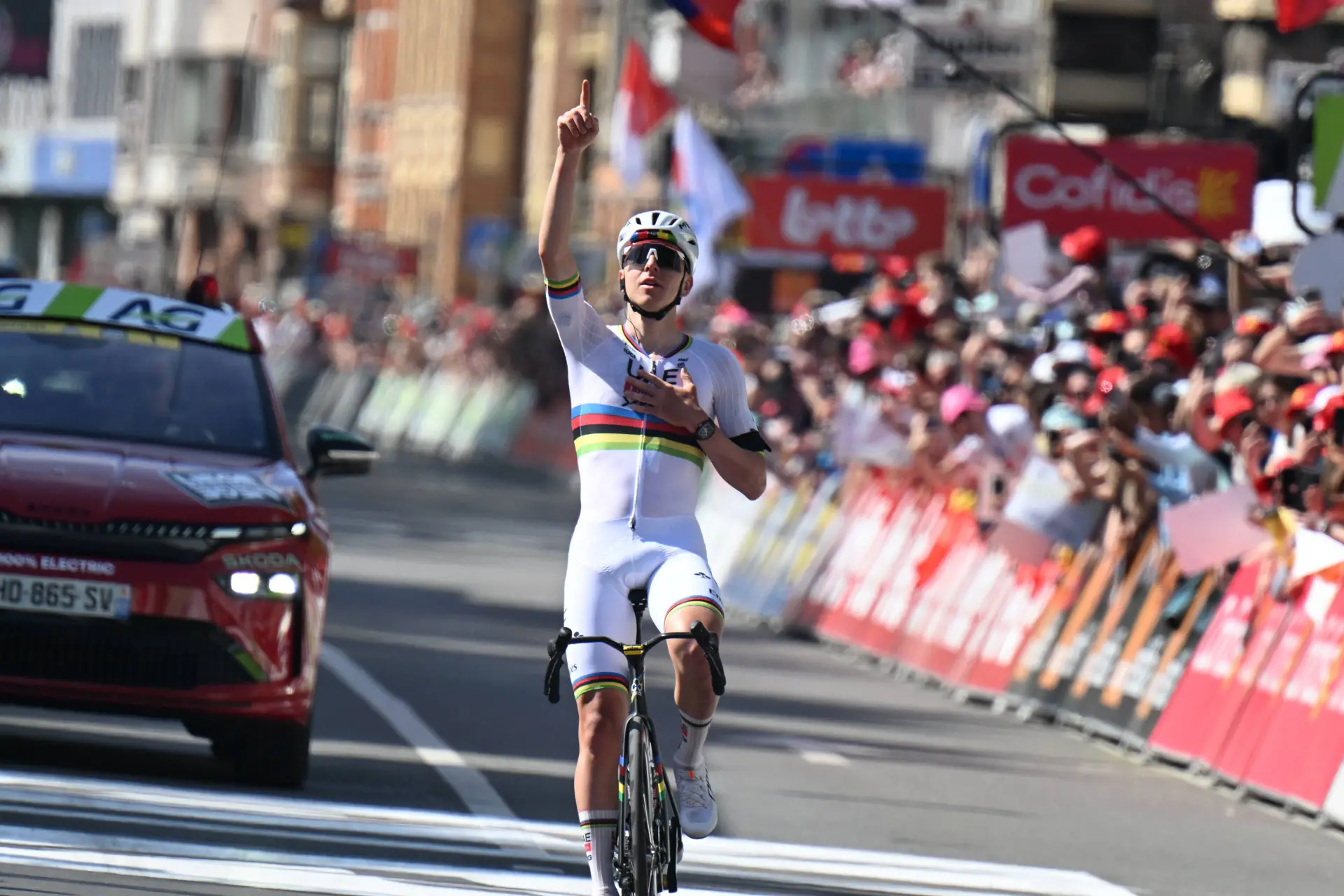
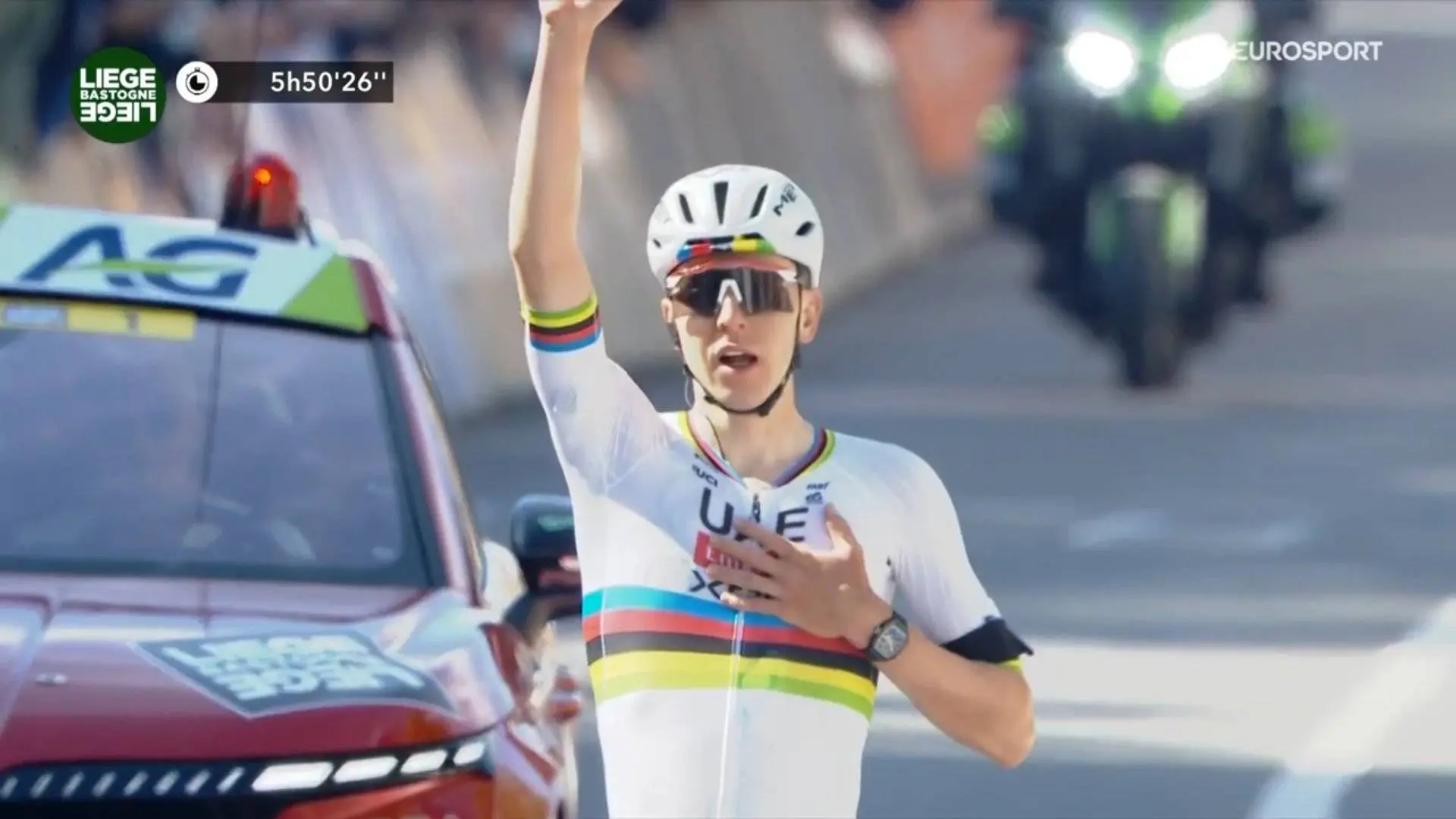
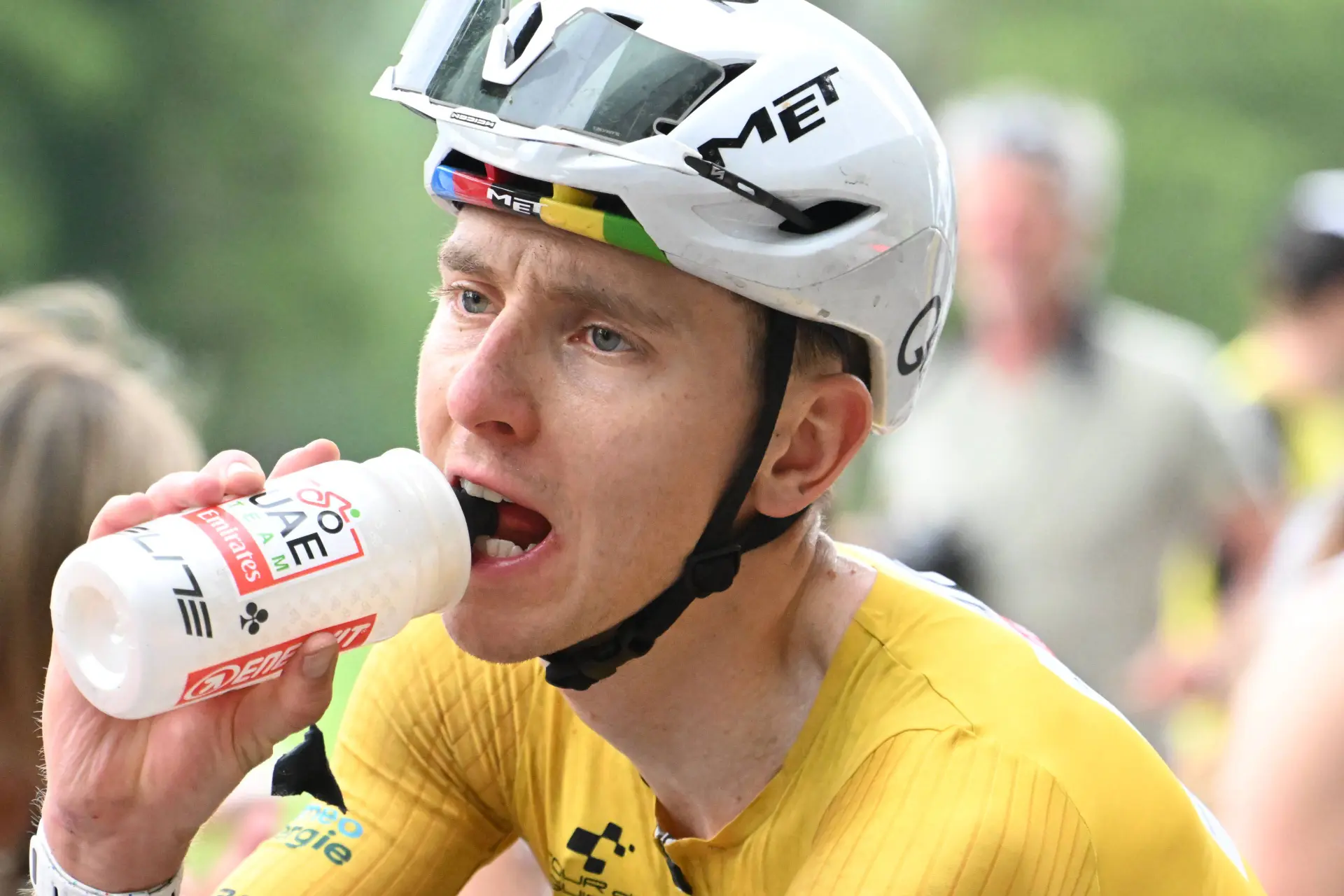
Tadej Pogacar celebrates his victory at the 2026 Liège–Bastogne–Liège 2026
Rúben SilvaEditor-in-Chief
A founding contributor to CyclingUpToDate since its launch in January 2022, Ruben Silva has played a central role in shaping the site’s editorial direction and long-term growth. Before joining the project, he built his experience through independent blogging at Echelons Hub and by producing race previews for Ciclismo Internacional, developing a strong analytical voice rooted in daily engagement with professional cycling.
Beyond editorial work, he has been closely involved in the expansion and coordination of CyclingUpToDate’s wider network, helping establish and support sister platforms across multiple languages. This includes ongoing collaboration with CiclismoAlDia (Spanish), CiclismoAtual (Portuguese), WielrennenUpToDate (Dutch), and RadsportAktuell (German), contributing to a shared editorial vision and consistent international coverage.
He also helps oversee editorial governance across the network, setting standards for accuracy and consistency and coordinating updates or corrections when needed.
Originally from the Porto metropolitan area in Portugal, he holds a bachelor’s degree in Geography. His path into cycling journalism was shaped not through formal media training, but through independent reporting, community engagement, and sustained on-the-ground involvement in the sport.
Over the course of his career, he has conducted approximately 100 interviews across road cycling and cyclocross, ranging from one-to-one conversations and online formats to press conferences and on-site pre- and post-race coverage. His interviews include leading riders, team managers, and prominent figures within cycling media: Tadej Pogacar, Jonas Vingegaard, Mathieu van der Poel, Primoz Roglic, Wout van Aert, Joao Almeida and Tom Pidcock; managers like Patrick Lefevere and Joxean Matxin; and YouTube personality Bryan Kennedy (BKXC)...
Within 18 months of launch, he helped grow CyclingUpToDate’s English-language platform into one of the most-read cycling news websites, built entirely from the ground up. As both a professional journalist and lifelong cycling enthusiast, his focus remains on delivering accurate, timely, and well-contextualized coverage.
claps 1visitors 1
Just in
Popular news
Latest comments
- Yes, question is, why is Ineos so easy to convince ?Mistermaumau09-10-2026
- Or maybe they’ll just abandon the sport and focus on RE, unless they can revive MU. Maybe it’s all just about budget adjustments in preparation for takeover by the new sponsor who might have no use for some people in their idea of a projectMistermaumau09-10-2026
- Sounds like management did their job pretty well then ;-)Mistermaumau09-10-2026
- Tour down under awaits... and nothing beyond that
 Rafionain-Glas09-10-2026
 - God, what a crowd gathers in these comments. You post a quote from a true champion—a quote that has nothing to do with his tragic accident (on the contrary, with his very passion)—and people interpret it however suits them.MajorPayne09-10-2026
- What needs to be understood? That you're linking a single statement to his death? Could it get any more stupid?MajorPayne09-10-2026
- Are you saying that statement led him somewhere related to religion? Could it get any more stupid?MajorPayne09-10-2026
- A broken contract by mutual agreement is perfectly fine. The problem is if one side does it without the other agreeing which isn't the case in this situationvappaxbipmv09-10-2026
- Maybe Ineos are planning to concentrate on GC after recent statements about getting back to winning the Tour?Lozza09-10-2026
- lol maybe a better questionmij09-10-2026
Loading
Write a comment