"The way we fuel has completely changed": Pavel Sivakov details the extreme nutrition of modern cycling at UAE Team Emirates
Cycling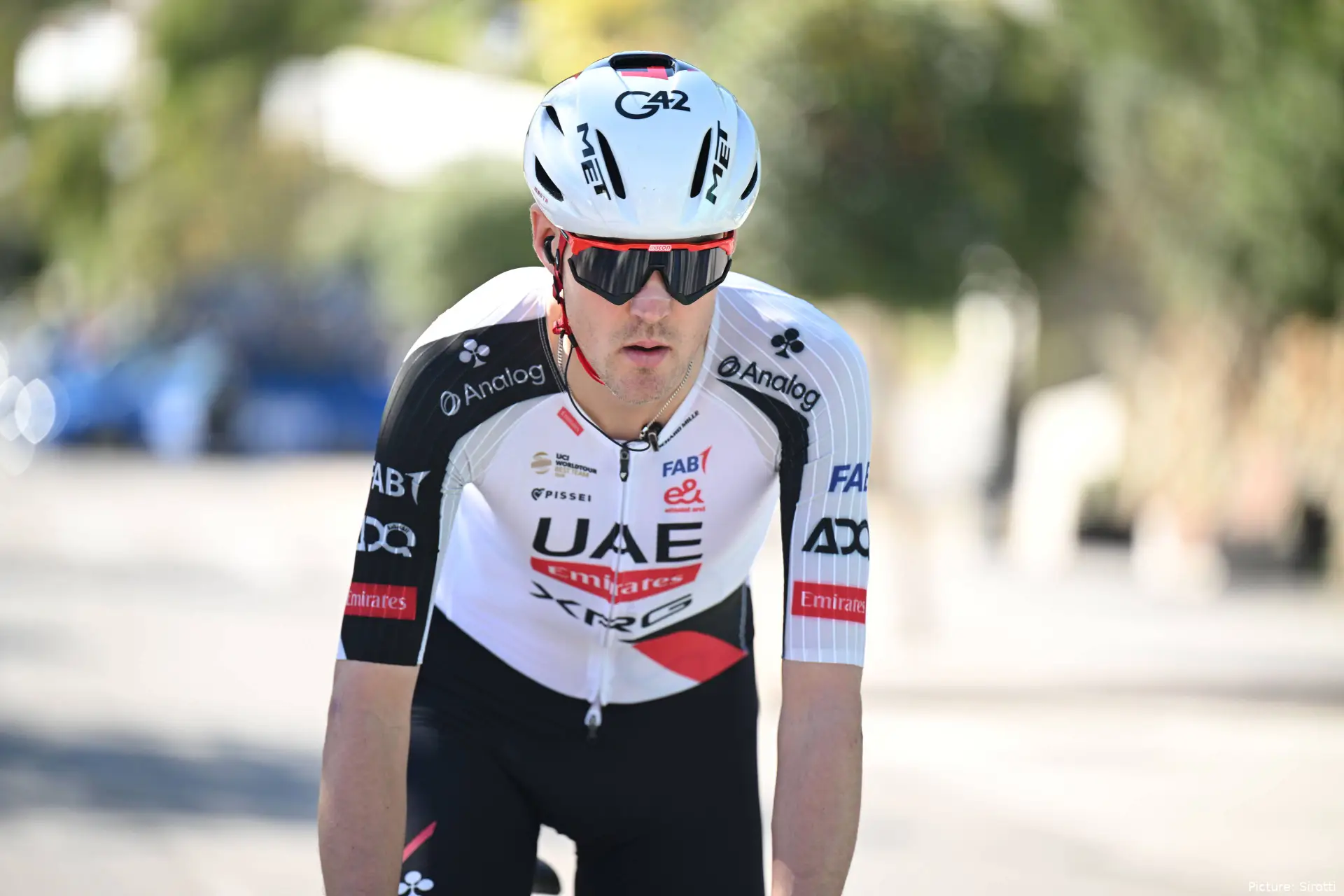
After spending his early professional career with the Team Sky/Ineos setup, Pavel Sivakov made the jump to UAE Team Emirates - XRG in 2024. While he has adapted well to the Emirati squad's highly scientific environment, one constant in his career has been a strict focus on diet. Having turned professional right as the peloton's eating habits began to shift, Sivakov recently opened up about the dramatic evolution of race fueling, breaking down exactly how many carbohydrates it takes to power through a modern classic.
The end of the low-carb era
Sivakov turned professional in 2018, arriving in the WorldTour just as his former team, Sky, was pioneering new frontiers in sports nutrition. He points to Chris Froome's famous 2018 Giro d'Italia victory as the turning point, marking one of the first times riders began pushing past 100 grams of carbohydrates per hour.
"I started my professional career in 2018, not so long ago, but from then to today the way we fuel has completely changed," Sivakov explained in an interview to bici.pro. "There was a time when we raced with low carbohydrate content, but now it is completely over. Of course, you don't fuel with carbs every day, but the perception has changed a lot. The shift started with Covid and now it's all a bit crazy."
Consuming such massive amounts of sugar while exercising at the limit is a challenge in itself, but Sivakov admits he doesn't mind the eating part. "Personally, it never was [difficult]. I love food, I like to eat... I think it is more difficult to adapt the gut to sustain this level of feeding for many hours. You can't say it was difficult, but it is certainly an aspect to train."
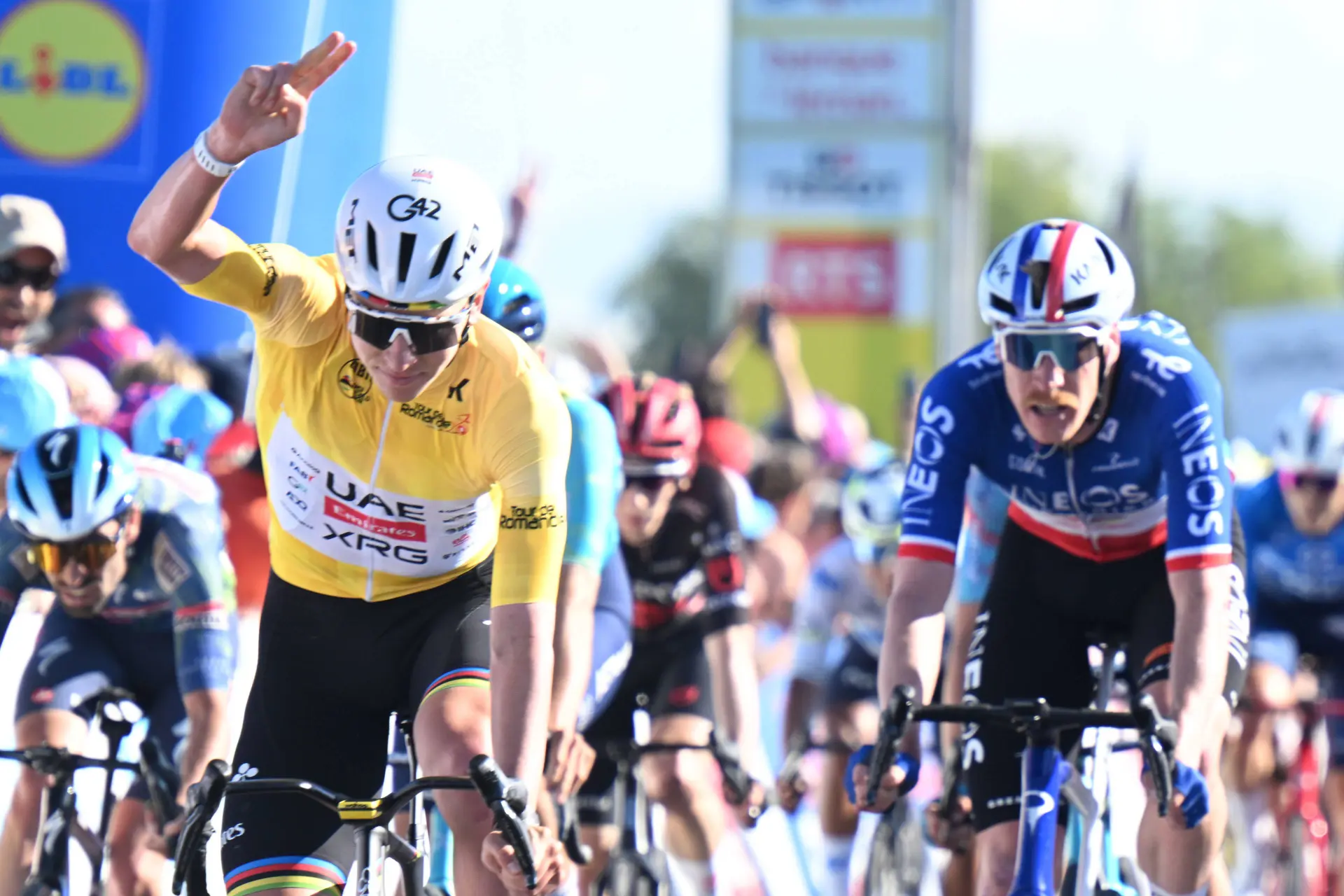
To illustrate just how extreme modern fueling has become, Sivakov broke down his exact nutritional intake for a 250-kilometer race like Liège-Bastogne-Liège. The protocol is relentless, relying heavily on easily digestible liquids and gels rather than solid food.
"Starting with breakfast, I don't know exactly how many carbohydrates I ate, but certainly around 250 grams. Then a small snack, like a rice cake, before the race. And before starting, another snack with 20-40 grams of carbs. During the race, I tried to take in about 150 grams of carbohydrates per hour."
To ensure he never misses a beat, technology steps in. "I always have a small notification on my Wahoo to remind me to replenish energy every half hour, so I don't forget and I always pull a gel out of my pocket."

Pavel Sivakov and Isaac del Toro on Giro del Veneto 2025 podium
Sodium tracking and flavor fatigue
UAE Team Emirates nutritionist Gorka Prieto also places a massive emphasis on sodium intake, tailoring the amounts to each individual rider's sweat rate. While Sivakov isn't overly sensitive to sodium loss, he aims for a baseline of about 600 milligrams per hour during races, noting that taking too much can leave a rider feeling bloated the next day.
When it comes to the actual taste of the endless stream of gels, the Frenchman has clear preferences. "I really like the mango one, because it tastes good and mango is actually one of my favorite foods. Instead, the gel with caffeine, the cola-flavored one, is not my favorite in terms of taste. But at the end of a race you always need a boost, a bit of caffeine, so yes, it's always good to have one with you."
The fueling doesn't stop when the finish line approaches. Sivakov forces himself to keep consuming carbohydrates until just 30 minutes before the end of the race. He notes that the body's metabolism is working so intensely during the effort that it absorbs the carbohydrates incredibly efficiently, giving him a head start on his recovery for the next day.
Once back on the team bus, the recovery protocol begins immediately with an Enervit carbohydrate and protein shake, accompanied by a recent trend in the peloton: tart cherry juice. "I would say these cherry juices became common use when I arrived at UAE Emirates. It's not so much for the juice itself or something you feel in the moment, but I feel it helps me recover well."
After the scientific shakes and juices on the bus, the team strictly switches back to standard meals at the hotel. As Sivakov points out, after six hours of processing engineered sports nutrition, "returning to normal foods is also good for the gut."
Read also
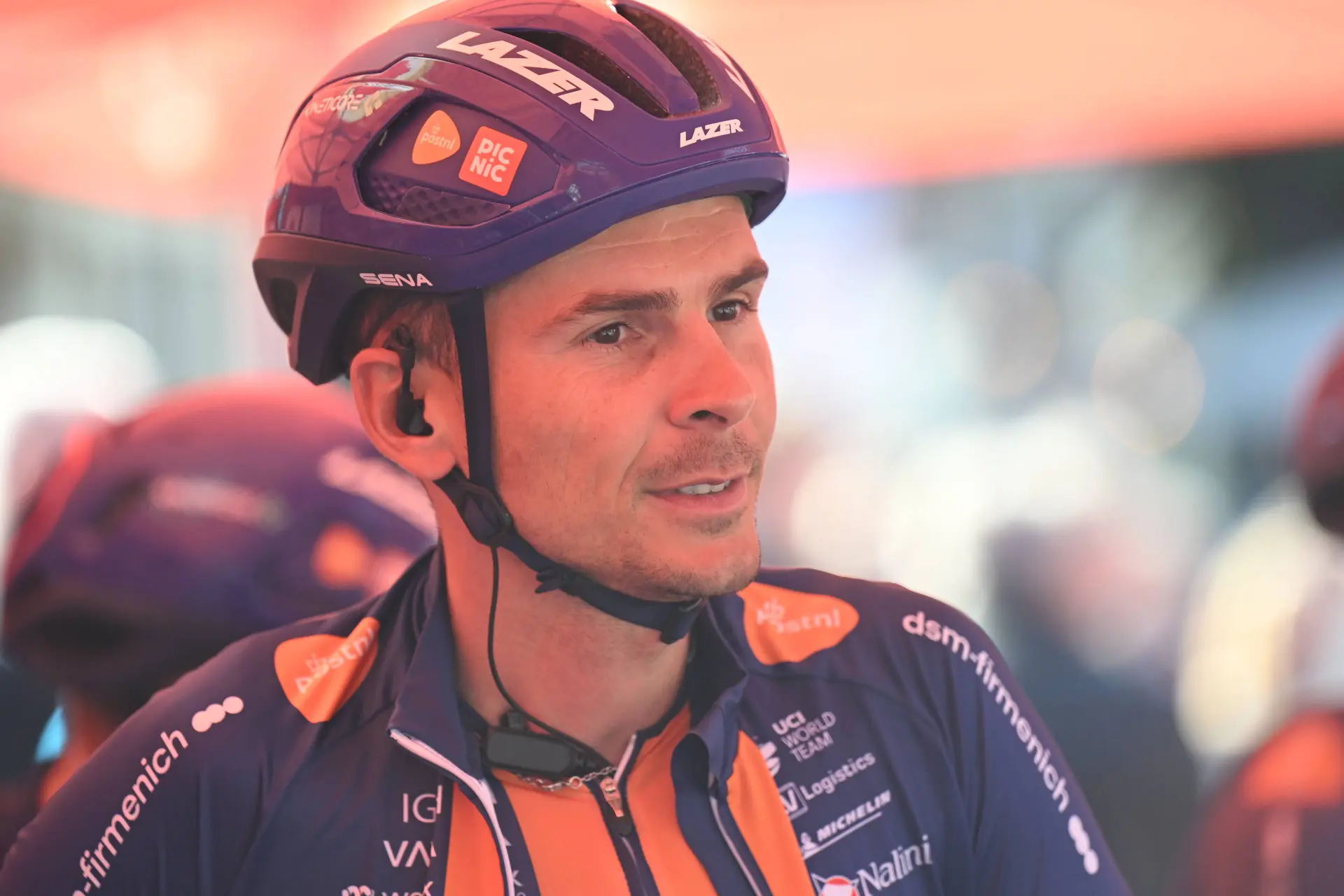

Félix SernaCycling Journalist
Félix Serna is a writer at CyclingUpToDate and has been part of the team since 2025. He covers professional cycling across both the men’s and women’s calendars, with a focus on UCI rankings, race developments, and rider performance. His work includes interview-based reports, liveblogs, and tournament coverage designed to provide clear, accurate context throughout the season.
In his reporting, Félix regularly uses ProCyclingStats for results, statistics, and historical reference. He places strong emphasis on careful sourcing, editorial accuracy, and updating articles promptly when new, verified information becomes available. He holds a bachelor’s degree in International Studies.
claps 6visitors 4
Just in


Popular news


Latest comments
- he is fun - he goes back to the Sagan days with his showmanshipmij23-11-2026
- he doesn't sound ready to retire anytime soonmij23-11-2026
- U17 and juniors on national races are routinely using caffeine tablets before races. They are also using creatine and the like. sure, it's legal. the point is, it is performance enhancing and they are 14-17 years old. as juniors it will be decided whether they have a chance to move towards some sort of (semi-)professional cycling, no matter which discipline. what do you think they will regard acceptable to reach this goal and then to sustain it?Ketterechts23-11-2026
- Both of them, Geraint Thomas and Alberto Contador said if Pogi had gone to the Vuelta in 2024, he would have won. Ofcourse considering he wouldn't crash. They were right.PogiSloFans23-11-2026
- Merckx said that Pogi could race the Giro, Tour and Vuelta in a single season? Pogi said: "I can’t rule that out. In fact, I’ll try it sooner or later, but certainly not in 2027. I'm feeling great at the moment. I'm training and eagerly looking forward to getting back to racing. I'm confident that I can return to the same level, or even a higher one. Life moves fast, very fast. Sometimes you need a break; you need to stop for a while. That's what I needed. If I hadn't taken a break, my body would simply have forced me to.”PogiSloFans23-11-2026
- One of the most tenacious and entertaining riders in the peloton. His (and Jorgensen's) work at the world championships was elite craftmanship.Occam23-11-2026
- I'd add being seriously annoying to your self-description.Occam23-11-2026
- Meh. For whatever their sins, the boys at The Move know cycling strategy, building a team and tactics. You don't win the TdF 7 times in a row if you're a hack.Occam23-11-2026
- Of course there is doping in any professional sport. Game theory dictates that someone will do it for an advantage. Human nature always wins. And for all those who criticize, imagine what you'd do if you were facing the possibility to be a pro but you had to dope to do it. Almost everybody would do it at that point.Occam23-11-2026
- It's not nice to think about all the stuff that athletes must take to return to the top level long before they could heal naturally (Jonas after the Itzulia crash, for example). But it's not doping.Hills3323-11-2026
Loading
Write a comment