“The balance needs to be restored” – Tour de France boss reveals salary cap talks as Tadej Pogacar’s UAE dominance fuels calls for change
Cycling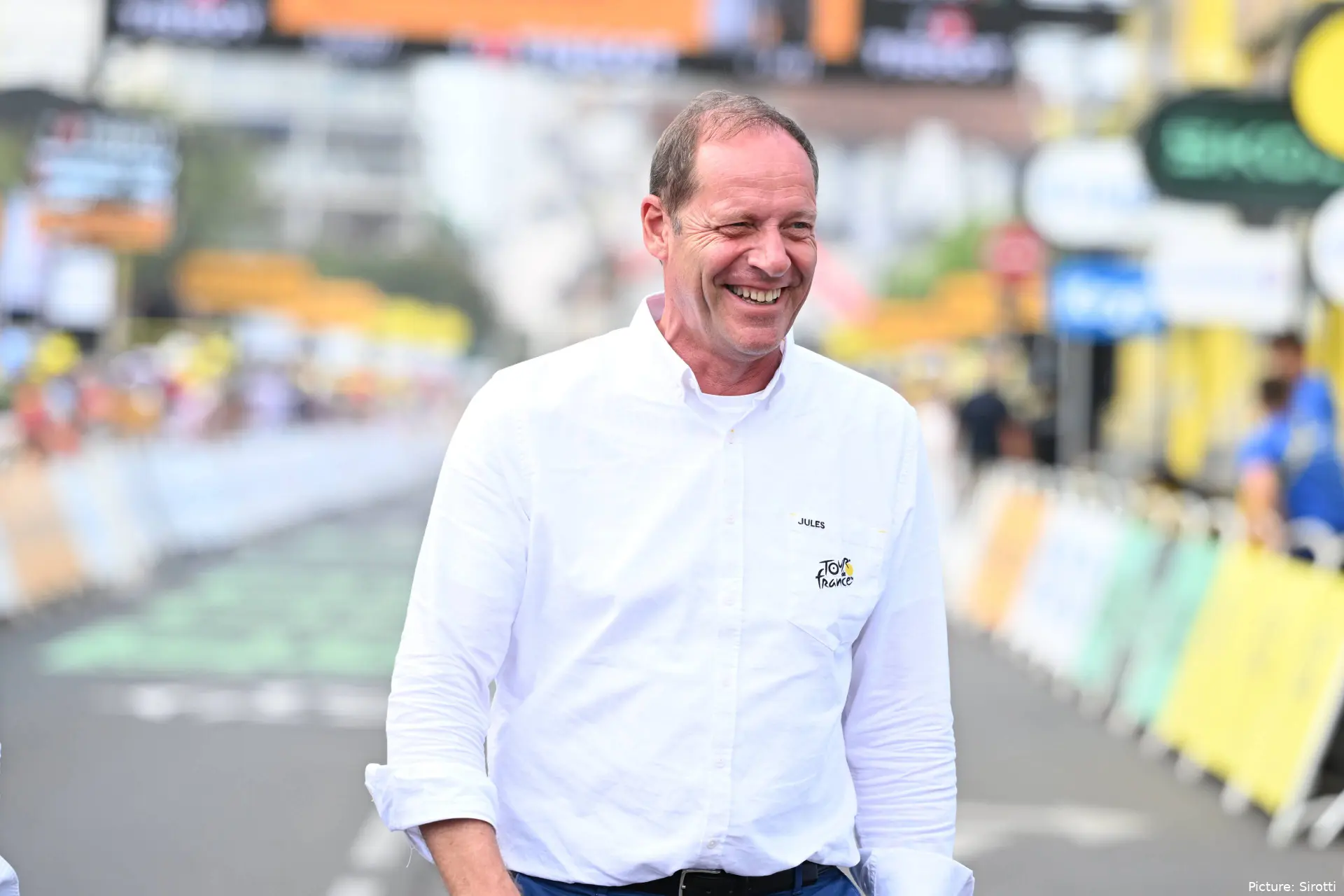
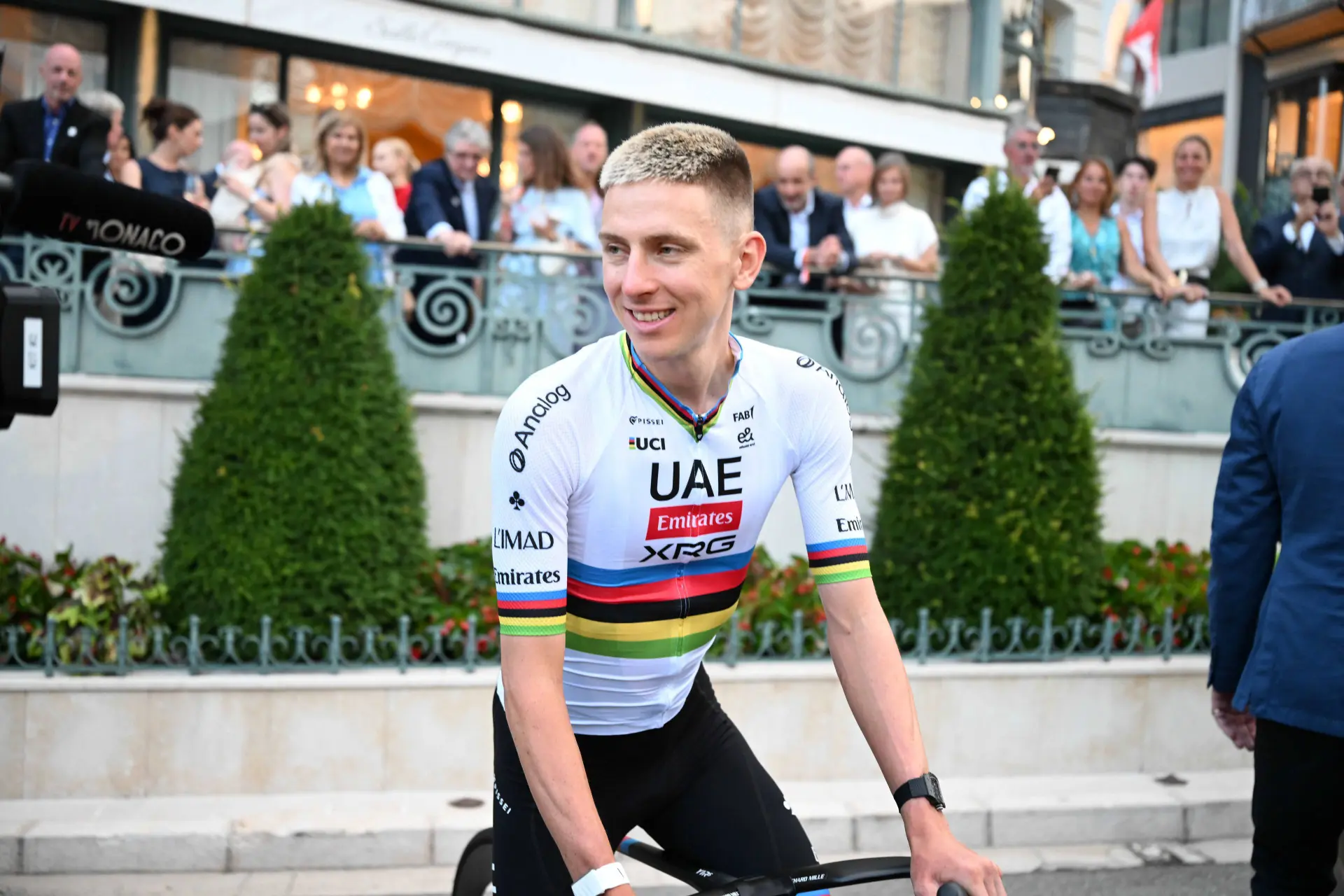
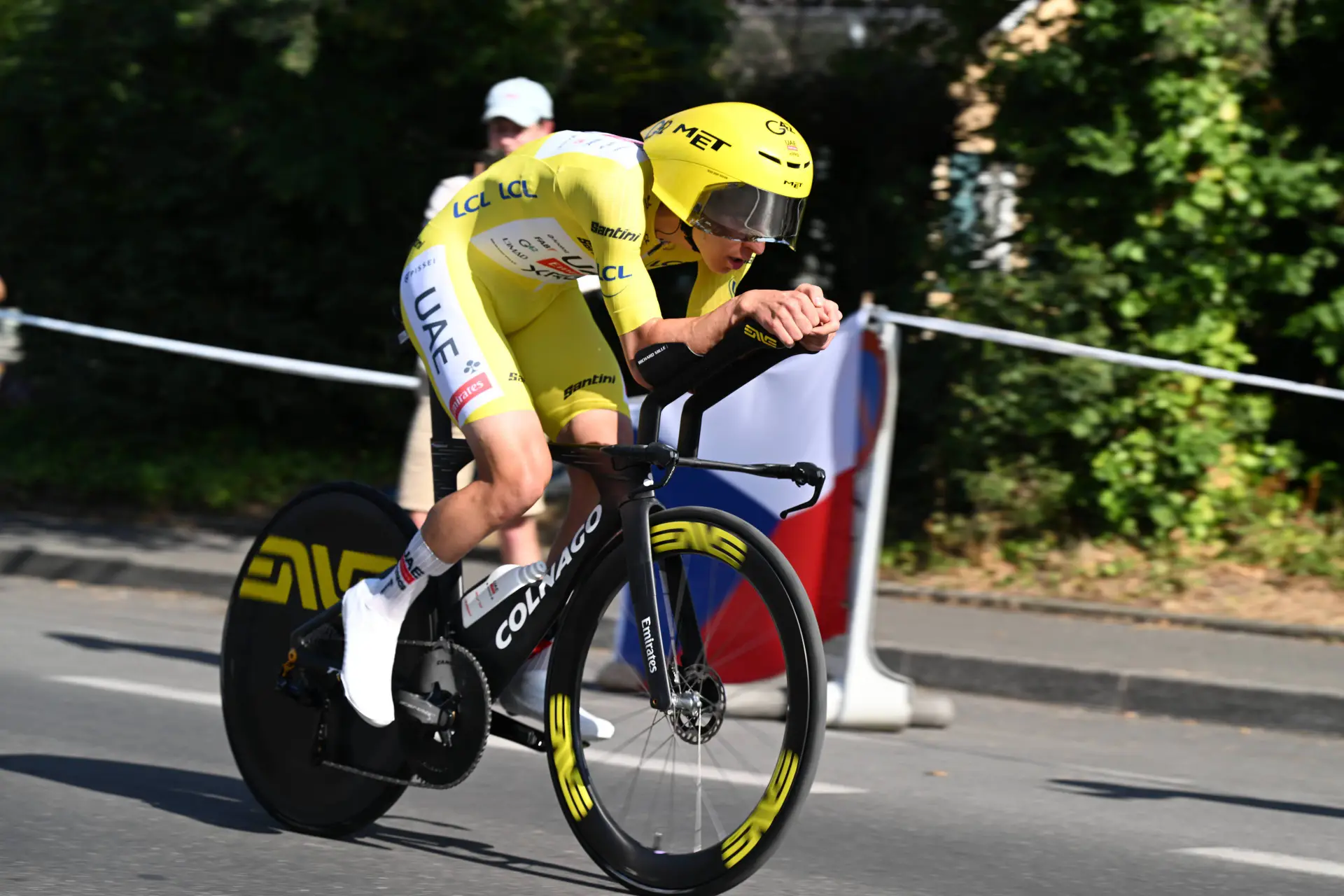
Tadej Pogacar and UAE Team Emirates – XRG have spent the opening half of the 2026 Tour de France tightening their grip on the race. Their dominance has also pushed the salary-cap debate back towards the centre of the sport.
Tour de France general director Christian Prudhomme has publicly backed intervention and confirmed that discussions are taking place between organisers, the UCI, teams and riders.
“We are clearly in favour,” Prudhomme told The Athletic. “It is a practice already used in French rugby. Discussions are taking place with the UCI, the riders, the teams and ourselves.”
“At the moment, the three or four richest teams are signing all of the best young riders,” he continued. “For there to be genuine competition, the most promising riders need to join a wider range of different teams.”
Read also
UAE become the obvious reference point
Pogacar remains the sport’s dominant rider, but UAE’s strength reaches far beyond their Tour leader. Isaac del Toro has developed into a Grand Tour contender, while the roster is packed with riders capable of leading major races or serving as elite support.
That depth has allowed UAE to compete across the calendar without diluting their Tour structure, while continuing to recruit riders who would command leadership elsewhere.
“They have the means to sign the best riders every year,” Prudhomme said. “So the balance needs to be restored. But I cannot say whether a solution will be found in the coming years.”
The advantage is not confined to contracts. Development teams, altitude programmes, nutrition, equipment, coaching and specialist staff all widen the gap between the richest squads and the rest.

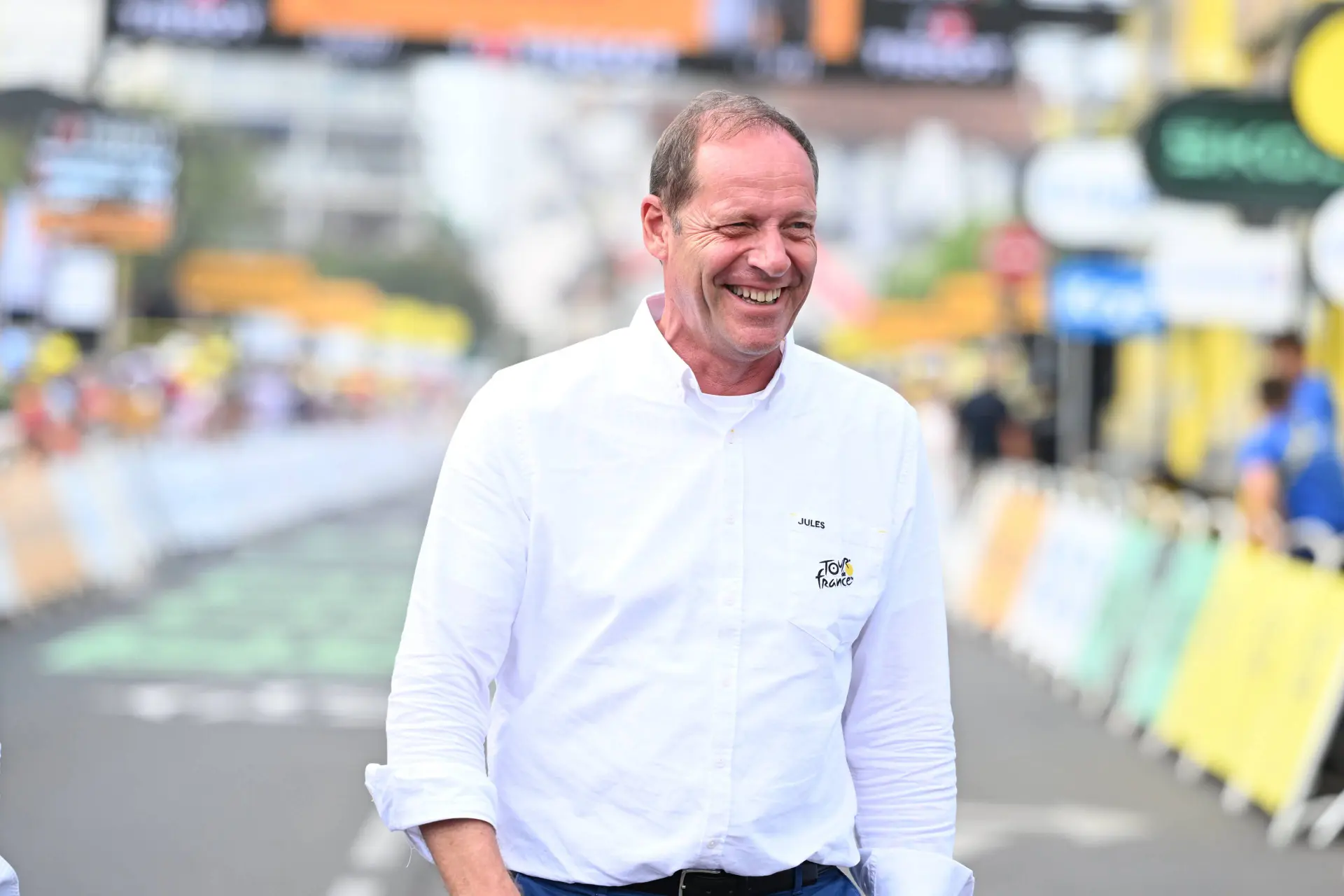
Christian Prudhomme on stage 1 of the 2026 Tour de France
UCI proposal failed to win team support
The debate has already moved beyond theory. In March 2024, the UCI’s Professional Cycling Council approved the principle of a team budget cap, with the aim of addressing the widening financial disparity across the WorldTour. The proposed timetable pointed towards the 2026-2028 licence cycle.
The plan stalled after the teams rejected it. UCI president David Lappartient later said some of the resistance had come from smaller squads.
One model under discussion involved a luxury tax rather than a fixed ceiling, allowing teams to exceed an agreed threshold while redistributing part of that spending elsewhere in the peloton.
Prudhomme has used the language of a salary cap, while the UCI’s work has focused more broadly on team budgets. The difference would determine whether regulation touched only rider wages or the full performance operation.
Cycling’s sponsor model remains the obstacle
WorldTour teams remain overwhelmingly dependent on title sponsors, without the central broadcasting and commercial income seen in many sports that use salary caps.
That makes the politics difficult. Restricting expenditure does not create new revenue, secure sponsors or guarantee that smaller teams become more stable. Policing any system would be equally complicated. Bonuses, image rights, personal sponsorships, development teams and staff shared across men’s and women’s programmes would all have to be accounted for.
There is also the question of whether a cap would spread talent or merely suppress rider earnings while the best-funded organisations retained advantages elsewhere.
UAE are not alone in operating above much of the peloton. Team Visma | Lease a Bike, Red Bull – BORA – hansgrohe, Lidl – Trek and INEOS Grenadiers also possess resources unavailable to many rivals.
Pogacar’s superiority cannot be reduced to budget, but UAE’s ability to surround him with leaders, prospects and elite domestiques has made them the clearest example in Prudhomme’s argument. The UCI’s first push ended without agreement. Prudhomme has now reopened the issue while Pogacar and UAE continue to place cycling’s competitive imbalance under fresh scrutiny.

Kieran WoodDeputy Editor-in-Chief
Kieran Wood is a sports journalist based in Wales and has been active in journalism since 2022. He regularly contributes to DartsNews.com and CyclingUpToDate.com, where he covers professional cycling and darts. In cycling, his work includes liveblogs from major races, including the Tour de France, the Giro d’Italia, and La Vuelta a España, alongside race reports and analysis. He has also conducted interviews with professional riders.
His reporting spans the full racing calendar, from one-day classics to stage races, with a focus on accurate, real-time coverage and clear contextual analysis. For statistics, results, and historical context, he regularly uses resources such as ProCyclingStats. To support reporting on rider activity and training context where relevant, he also references Strava.
In his work, Kieran places strong emphasis on careful sourcing, editorial accuracy, and updating articles as new, verified information becomes available.
claps 0visitors 0
Just in

Popular news
Latest comments
- Man, I'm really looking forward to next season. Seeing these new line-ups, it's going to be VERY interesting.wrsty23-10-2026
- This Remco-friendly (and Seixas-friendly?) route was almost certainly designed to reduce Pog's dominance. But as Prudhomme has said straight out, now he thinks Pog's accident will have reduced his dominance anyway.Hills3323-10-2026
- We also don't know how much Pog was really putting into gaining time. Feels like watching Usain Bolt, where you can only wonder how much faster he'd have gone if he was sprinting 100% to the line, instead of being two feet ahead and starting to pull up with ten yards to go. If any of the other riders really started to close in on Pog, I do think he'd simply have gone even deeper and crushed them. I would really like that kind of race though, none of this "4 minutes lead by the first rest day" trouncing. So if introducing more TT and less summit finish makes the race go more to the wire, I'm all for that. I don't think it'll change the outcome necessarily, but it'll make the whole thing less of a foregone conclusion by week 2.wrsty23-10-2026
- That nearly is 7 mins and you win GTs comfortably by 2 mins. Remco fans - he almost won the TDF, He beat Pogi twice in the mountains this year.abstractengineer23-10-2026
- What would be your preferred Tour design then? Just out of interestwrsty23-10-2026
- I like Remco but even I'll admit he didn't get anywhere close to Pogacar, just like everyone else.megasmacky23-10-2026
- That's what y'all said this year, "remco will come fifth"bruins3022-10-2026
- That used to be the norm, 100 kms of TTs. Now look at the '87 route...acem8222-10-2026
- Well, crashes can happen, so it's not impossible...acem8222-10-2026
- that would be kinda cool. there is a lot of untapped potential. which I'm sure the UCI will overlook. in order to get sock length correct.mij22-10-2026
Loading
1 Comments