“The strongest teams dominate too easily”: UCI President proposes salary cap and smaller Tour squads
Cycling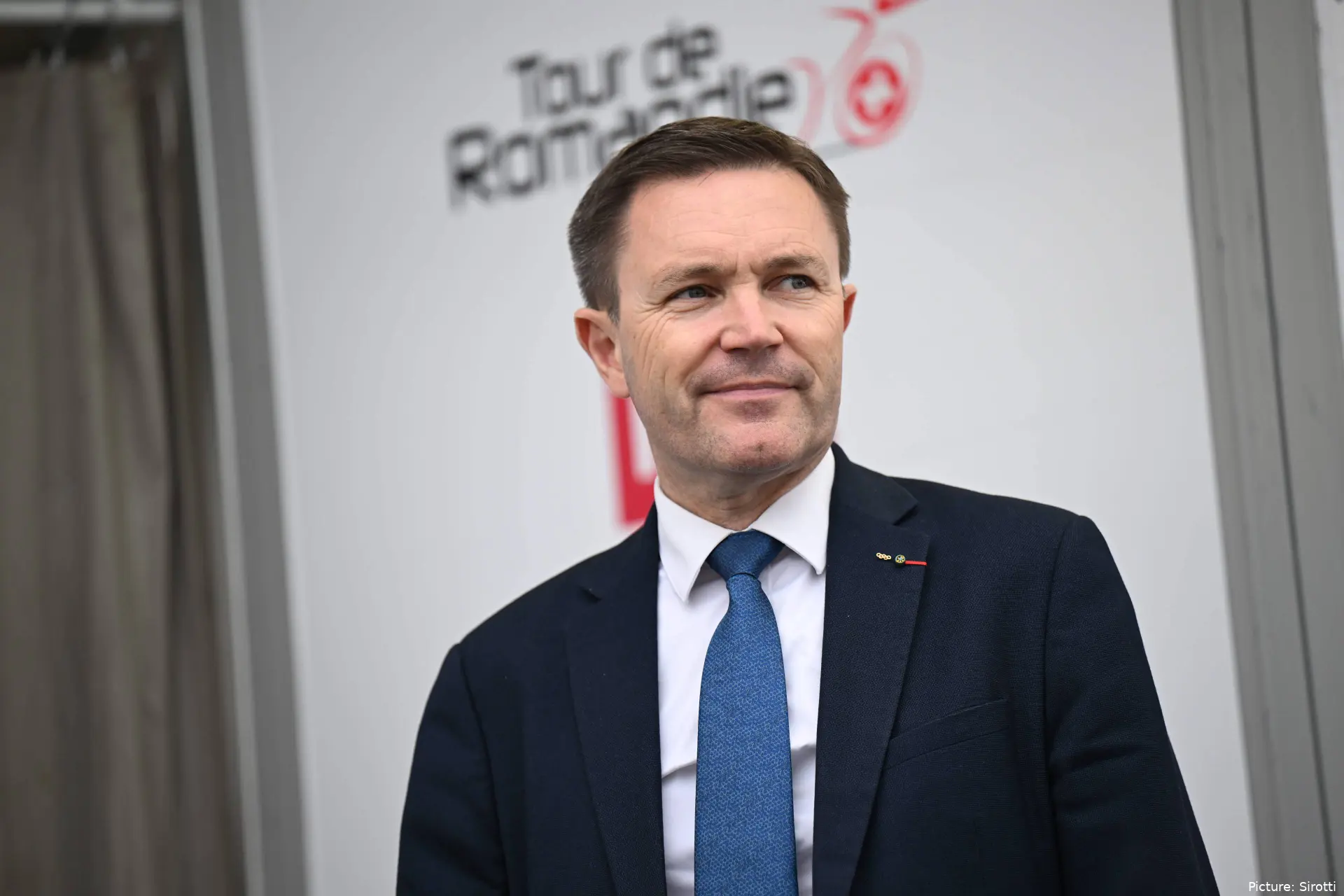
UCI president David Lappartient has renewed his call for major reforms to professional cycling, arguing that measures such as a salary cap and smaller Tour de France teams are necessary to create a more competitive and attractive sport.
In a recent interview, the Frenchman also defended stricter action on race safety, insisting organisers must be held accountable for dangerous course designs. While previous attempts to introduce financial limits were rejected by teams, Lappartient believes attitudes may now be changing as cycling continues to grow commercially.
Salary cap remains a priority
Lappartient warned that the concentration of elite riders within a handful of wealthy teams risks damaging the sport. “To keep the sport attractive and balanced, it is essential to prevent all the best riders from ending up on the same team.”
He revealed that the UCI spent more than a year developing a salary cap system that was ready to be introduced before it was rejected by the teams. “We worked very intensively on it for a year and a half, and such a salary cap system was ready to be implemented. But the teams voted against it. Even the smaller teams opposed it.”
However, according to Lappartient, implementing this system is urgent in order to make sure smaller teams can be competitive. “Without a salary cap, the richest teams will continue increasing their revenues and monopolising the best riders. It will become increasingly difficult for smaller teams to survive.”
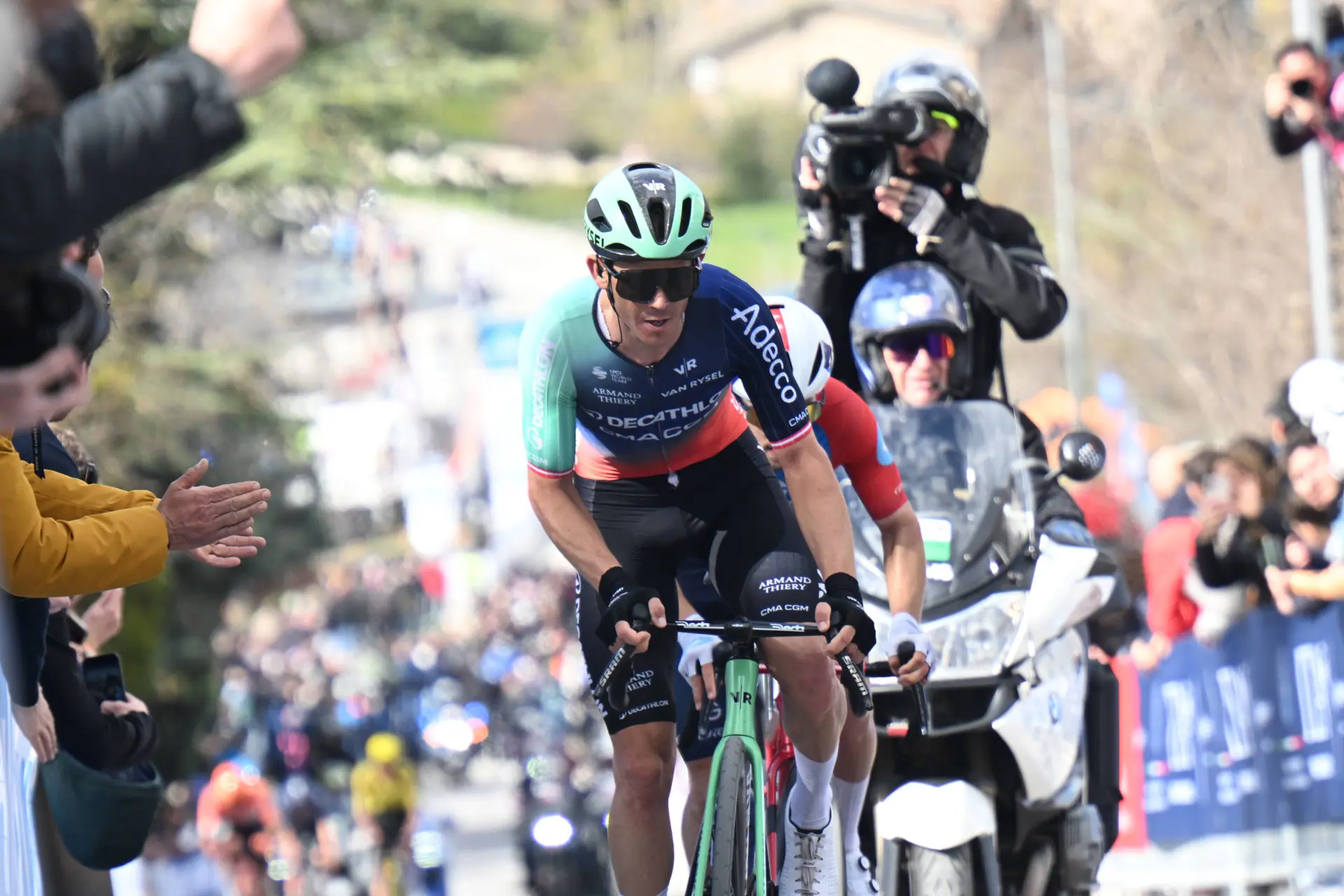
Although teams such as UAE Team Emirates-XRG continue to attract multiple star riders, Lappartient acknowledged that the arrival of major new sponsors has also strengthened the financial position of other squads including Tudor, Q36.5, Lidl-Trek and Decathlon CMA CGM. He added that one option previously discussed involved imposing significant financial penalties on teams exceeding an agreed spending limit.
Read also
Six-rider Tour teams could create more unpredictable racing
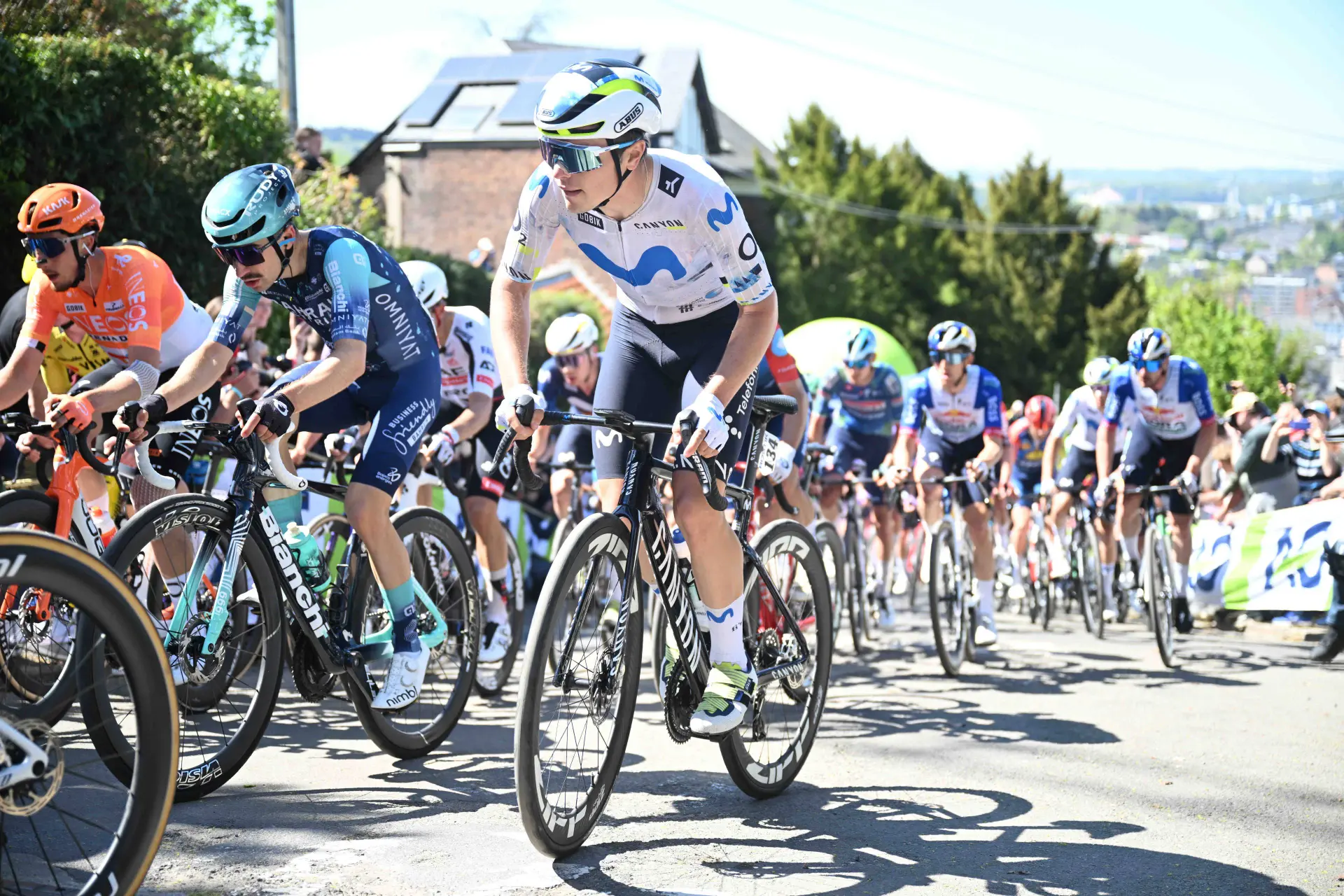
Beyond financial reforms, Lappartient also believes changes to the structure of the Tour de France could make racing more exciting. He questioned whether the current format of up to 23 teams with eight riders each still serves the sport.
“Is it really sensible to limit the Tour de France to 22 or 23 teams of eight riders each? That allows the strongest teams to control a 3,500-kilometre race from start to finish.”
Instead, he suggested increasing the number of participating teams while reducing squad sizes. “With 25 teams of six riders each, the race would become less predictable and far more spectacular.”
The proposal runs counter to concerns previously raised by several teams, which have argued that increasing the size of the peloton could compromise rider safety.

David Lappartient at the 2026 Tour of Flanders
Organisers must also be held accountable
Lappartient also defended the UCI's tougher approach towards race organisers, arguing that responsibility for rider safety extends beyond the teams.
He pointed to the governing body's decision to fine the Giro d'Italia €50,000 after concerns over a corner located just 200 metres from the finish line during stage 6 of this year's edition.
“Organisers cannot design a course hoping that the weather will stay dry. They must be prepared for every possible situation.”

Félix SernaCycling Journalist
Félix Serna is a writer at CyclingUpToDate and has been part of the team since 2025. He covers professional cycling across both the men’s and women’s calendars, with a focus on UCI rankings, race developments, and rider performance. His work includes interview-based reports, liveblogs, and tournament coverage designed to provide clear, accurate context throughout the season.
In his reporting, Félix regularly uses ProCyclingStats for results, statistics, and historical reference. He places strong emphasis on careful sourcing, editorial accuracy, and updating articles promptly when new, verified information becomes available. He holds a bachelor’s degree in International Studies.
claps 1visitors 1
Just in
Popular news
Latest comments
- Yes, question is, why is Ineos so easy to convince ?Mistermaumau09-10-2026
- Or maybe they’ll just abandon the sport and focus on RE, unless they can revive MU. Maybe it’s all just about budget adjustments in preparation for takeover by the new sponsor who might have no use for some people in their idea of a projectMistermaumau09-10-2026
- Sounds like management did their job pretty well then ;-)Mistermaumau09-10-2026
- Tour down under awaits... and nothing beyond that
 Rafionain-Glas09-10-2026
 - God, what a crowd gathers in these comments. You post a quote from a true champion—a quote that has nothing to do with his tragic accident (on the contrary, with his very passion)—and people interpret it however suits them.MajorPayne09-10-2026
- What needs to be understood? That you're linking a single statement to his death? Could it get any more stupid?MajorPayne09-10-2026
- Are you saying that statement led him somewhere related to religion? Could it get any more stupid?MajorPayne09-10-2026
- A broken contract by mutual agreement is perfectly fine. The problem is if one side does it without the other agreeing which isn't the case in this situationvappaxbipmv09-10-2026
- Maybe Ineos are planning to concentrate on GC after recent statements about getting back to winning the Tour?Lozza09-10-2026
- lol maybe a better questionmij09-10-2026
Loading
1 Comments