“Remco puts too much pressure on himself to be better in the mountains” - Spanish legend urges Evenepoel to stop trying to follow Pogacar and Vingegaard
Cycling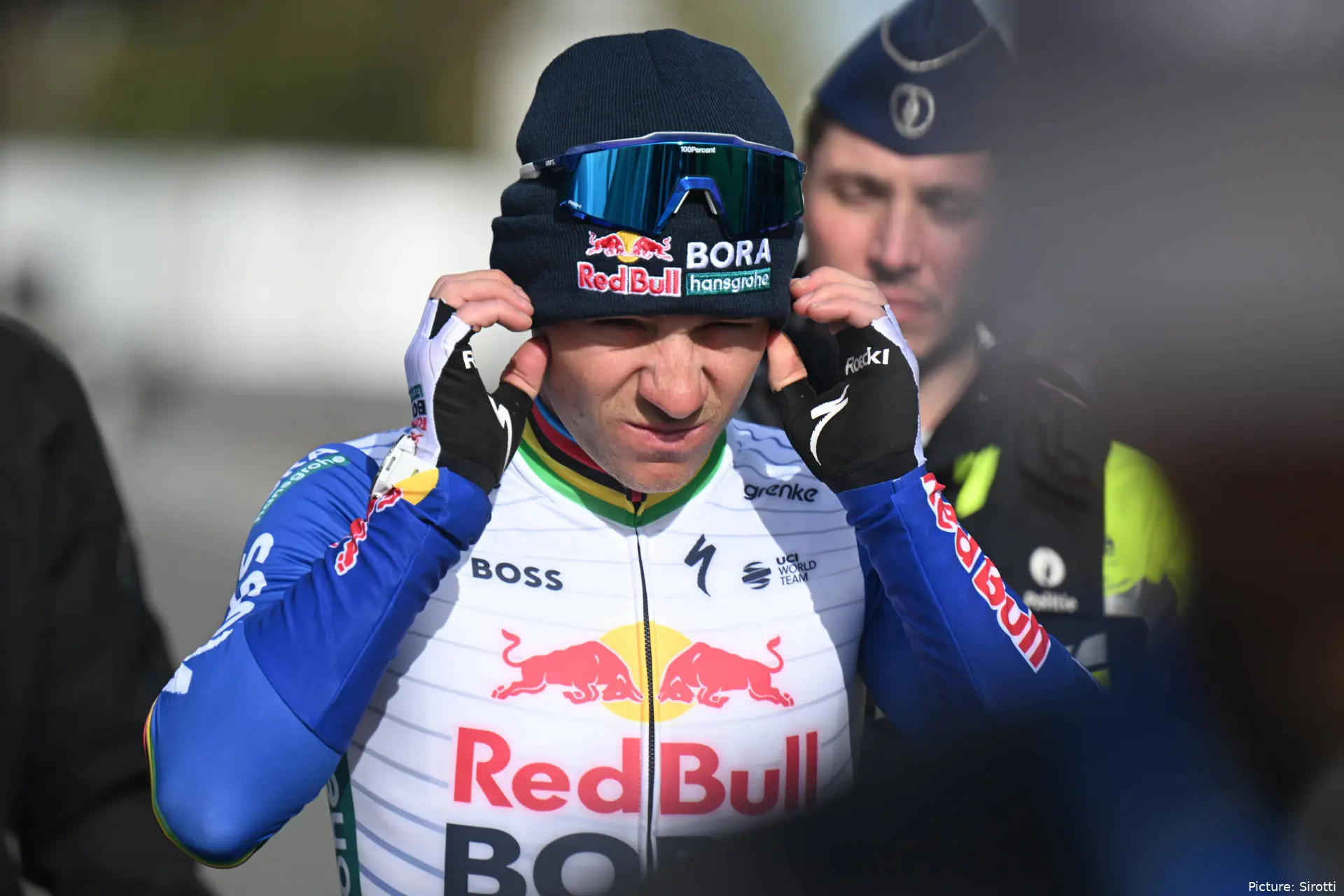
The defining question around Remco Evenepoel is no longer whether he belongs at the very top of the sport, but how he races when faced directly with Tadej Pogacar and Jonas Vingegaard in the mountains.
Ahead of the Ardennes and with the Tour de France looming, that tension has sharpened once again, this time through the lens of a former winner who sees both the potential and the limitation.
Speaking during the Volta a Catalunya, Pedro Delgado offered a pointed assessment of Evenepoel’s approach in the high mountains, focusing less on physical ability and more on the decisions that follow when he finds himself alongside Pogacar and Vingegaard, in quotes collected by RTBF.
“Evenepoel has a big engine, but the problem, unfortunately for him, is the mountains. His build does not really make him a climber. It’s a shame, because with his potential and his character, he can do great things, but if he has Vingegaard and Pogacar in front of him, everything becomes difficult.”
Pressure versus instinct
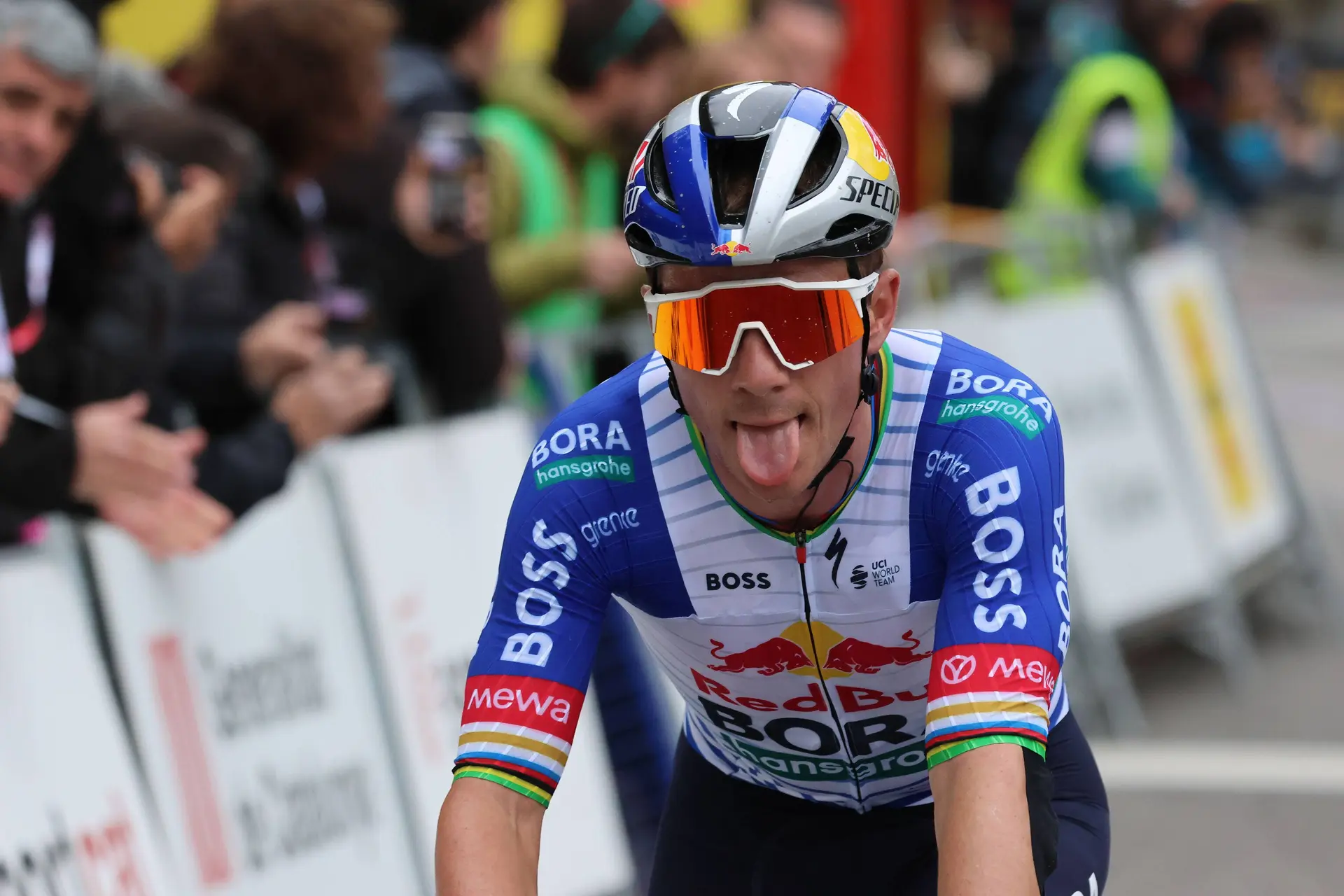
The observation is not new, but Delgado’s reasoning adds a sharper edge. The issue, in his view, is not simply that Evenepoel is weaker on long climbs, but that he tries to compensate for that gap in a way that ultimately works against him.
“I like Evenepoel’s character, he reminds me of Bernard Hinault. Very strong mentally, but I think he puts too much pressure on himself to be even better in the mountains. If I can give him one piece of advice, it’s to climb at his own pace, like in a time trial. He should not try to follow Vingegaard and Pogacar, otherwise he risks blowing up.”
That tension between ambition and restraint sits at the heart of Evenepoel’s current evolution. The Belgian has built his reputation on racing on the front foot, trusting his engine and committing fully when he senses an opportunity. It is the same instinct that has brought success in time trials and one day races, but in the high mountains against the most complete climbers in the sport, the margins are far less forgiving.
Delgado’s point is therefore as much tactical as it is physiological. Matching accelerations from riders like Pogacar and Vingegaard is not simply a question of strength, but of timing and energy management across repeated efforts. In that context, riding to one’s own limit rather than reacting to others becomes a necessity rather than a choice.
“It's complicated, because with his character, he wants to be with the two champions. In Spanish, we say you have to keep a cool head in those moments. To follow or not to follow, that is the question.”
Classics strength versus Tour ambition
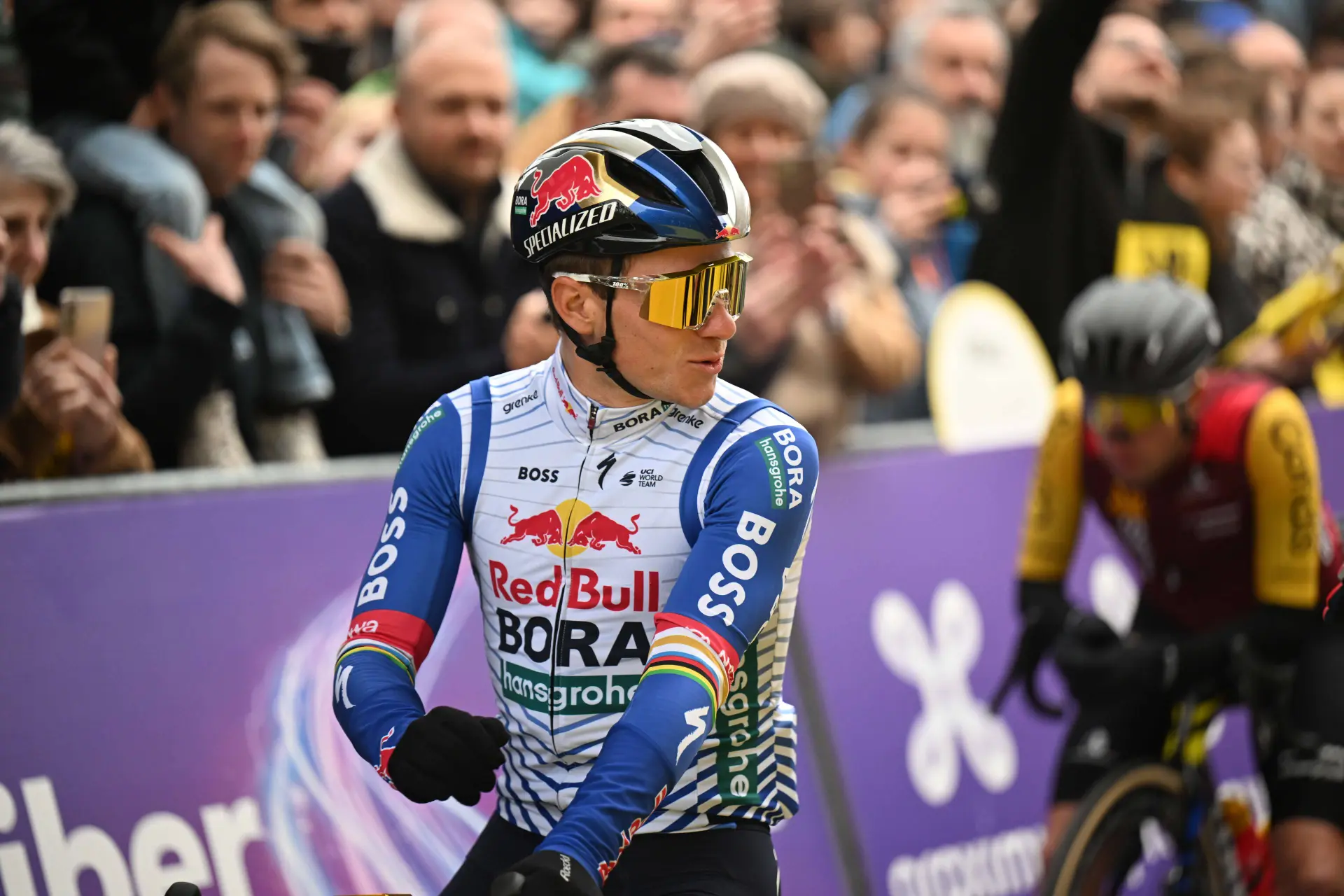
The timing of those comments is significant. Evenepoel’s immediate focus turns toward Liège–Bastogne–Liège, a race that has already suited his strengths and one where his aggressive style can be fully expressed without the same sustained climbing pressure seen in Grand Tours.
Yet the wider picture remains unchanged. The Belgian is still set to take on Pogacar and Vingegaard at the Tour de France, stepping into a direct confrontation that will inevitably be decided in the mountains Delgado highlights.
That dual ambition underlines the balancing act in front of him. One day races offer a terrain where his qualities can be decisive, while the Tour demands a different kind of control, one that may require a shift away from instinctive racing toward a more measured approach.
Delgado’s analysis does not close the door on Evenepoel’s chances. If anything, it reinforces the idea that the gap is not purely physical, but conditional on how he chooses to race when the defining moments arrive. Against the sport’s two dominant climbers, the difference may not be whether he can follow, but whether he should.
Kieran WoodDeputy Editor-in-Chief
Kieran Wood is a sports journalist based in Wales and has been active in journalism since 2022. He regularly contributes to DartsNews.com and CyclingUpToDate.com, where he covers professional cycling and darts. In cycling, his work includes liveblogs from major races, including the Tour de France, the Giro d’Italia, and La Vuelta a España, alongside race reports and analysis. He has also conducted interviews with professional riders.
His reporting spans the full racing calendar, from one-day classics to stage races, with a focus on accurate, real-time coverage and clear contextual analysis. For statistics, results, and historical context, he regularly uses resources such as ProCyclingStats. To support reporting on rider activity and training context where relevant, he also references Strava.
In his work, Kieran places strong emphasis on careful sourcing, editorial accuracy, and updating articles as new, verified information becomes available.
claps 0visitors 0
Just in
Popular news
Latest comments
- Nothing. Against Pogi nothingabstractengineer18-10-2026
- He didn't even try to sprint all outvappaxbipmv18-10-2026
- Campenaerts looked like a rolling pumpkin with that all orange leaders skinsuit !frieders318-10-2026
- He can take his dumb a$$ politics somehwere else !frieders318-10-2026
- good to have her back. fingers crossed she‘ll be able to stay!Ketterechts17-10-2026
- A tenner and he wins the Tour next year, too 😂anonymouscyclist17-10-2026
- the answer is either stick to classics or GTs but not bothabstractengineer17-10-2026
- the exodus already stared with Ciccone. Already they were struggling with two sprinters, now there are three. Also Ganna will demand leadership. Gall is the most proven GC, Ayuso has the most potential. GC leadership for everybody will be impossible. Literally a UAE style mess without pogi.abstractengineer17-10-2026
- I raced as an amateur for 12 years, including six years on my country’s national road cycling team. I secured two national titles and competed in three World Championships plus more than 15 international stage races. At 23, we travelled to Italy for a training camp—or so I assumed. On a rest day, we watched a presentation about adopting a more “professional” training approach. It was crystal clear what “professional” meant. That moment first exposed me to this dilemma. After returning from Italy, I left cycling—at least at the competitive level I had known. Over the following two years, the whole team was caught doping. I hold that everyone is innocent until proven guilty. In my view, current stakeholders operate on a different scale, and the sums involved are vast. I am unsure whether any doping would ever be revealed. I try to stay positive and enjoy the show. My 2c.
 vannpelt17-10-2026
 - Fiver he wins 🤣
 leedorney17-10-2026
Loading
Write a comment