"Purely from results, I'd say it definitely wasn't good" - Geraint Thomas faces reality of rebuilding INEOS's fallen Tour de France empire
Cycling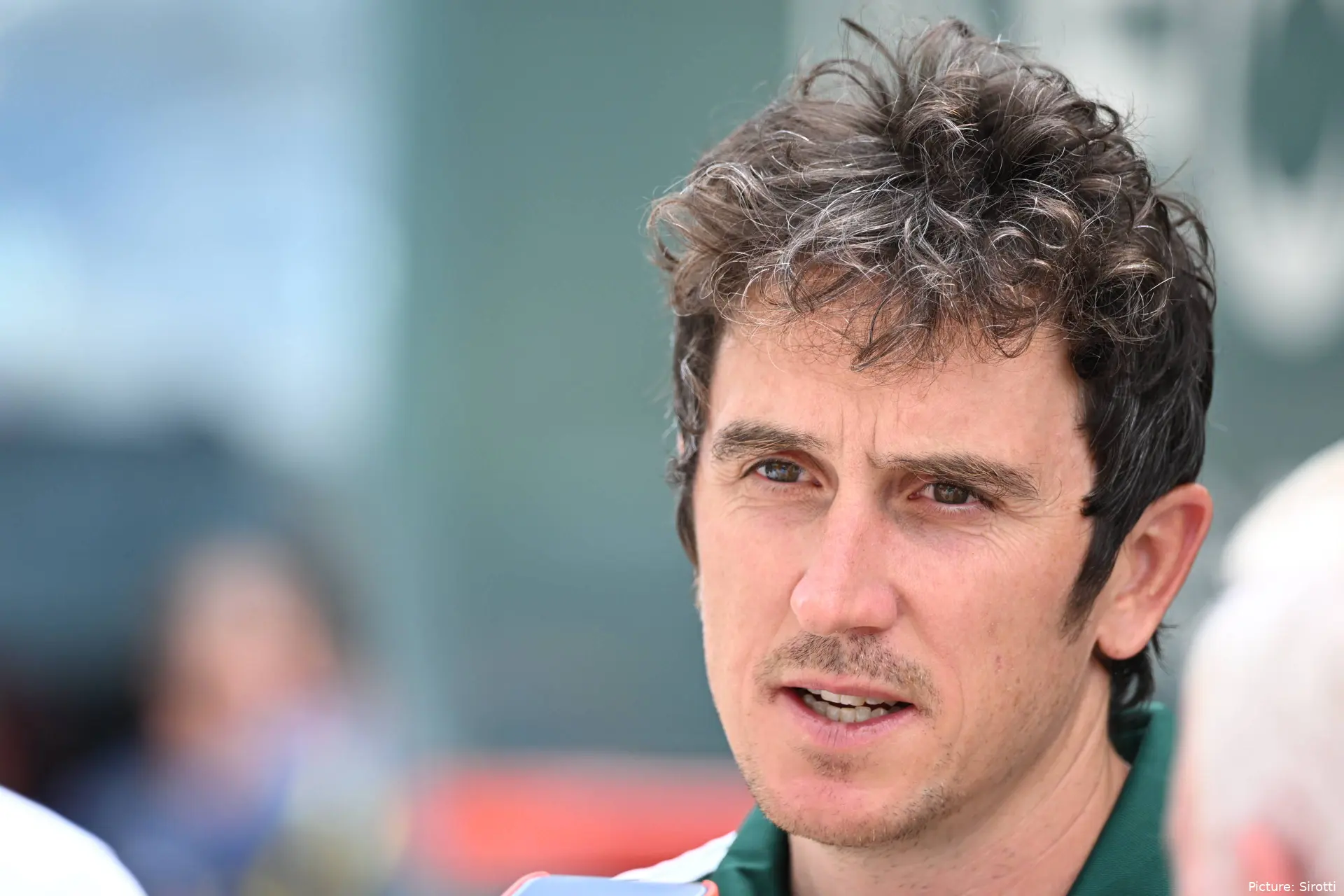
Geraint Thomas has admitted that Netcompany INEOS's 2026 season was not good enough, despite insisting the British team are making progress in their efforts to return to the top of professional cycling. The 2018 Tour de France winner has just completed his first year as Director of Racing and acknowledges there is still a considerable amount of work ahead.
Speaking alongside former teammate Luke Rowe on the latest episode of the Watts Occurring podcast, Thomas made little attempt to disguise his disappointment with a campaign that brought plenty of victories but few of the major prizes that once defined success at INEOS.
"People have kind of said, you know, you can say was our season good or bad? And purely from results, I'd say it definitely wasn't good," Thomas admitted.
It is a striking assessment from someone who spent his entire professional career with the organisation, having joined Team Sky at its inception in 2010. Between 2012 and 2019, the team won seven Tours de France, including Thomas's own triumph in 2018. Their most recent Grand Tour victory, however, remains Egan Bernal's Giro d'Italia success in 2021.

Geraint Thomas at stage 3 of the 2026 Giro d'Italia
"You can't just go from 20 back to 80 straight away"
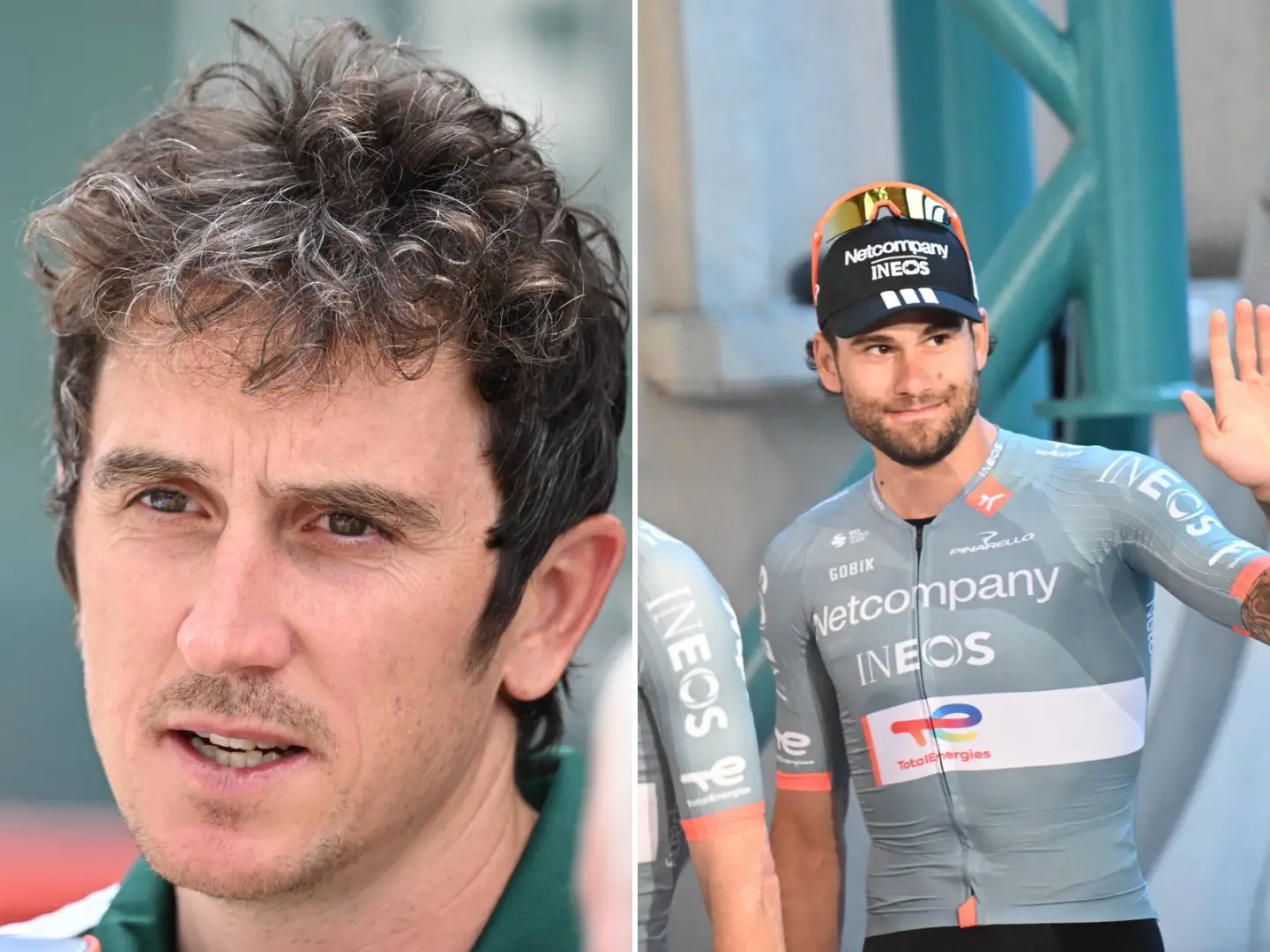
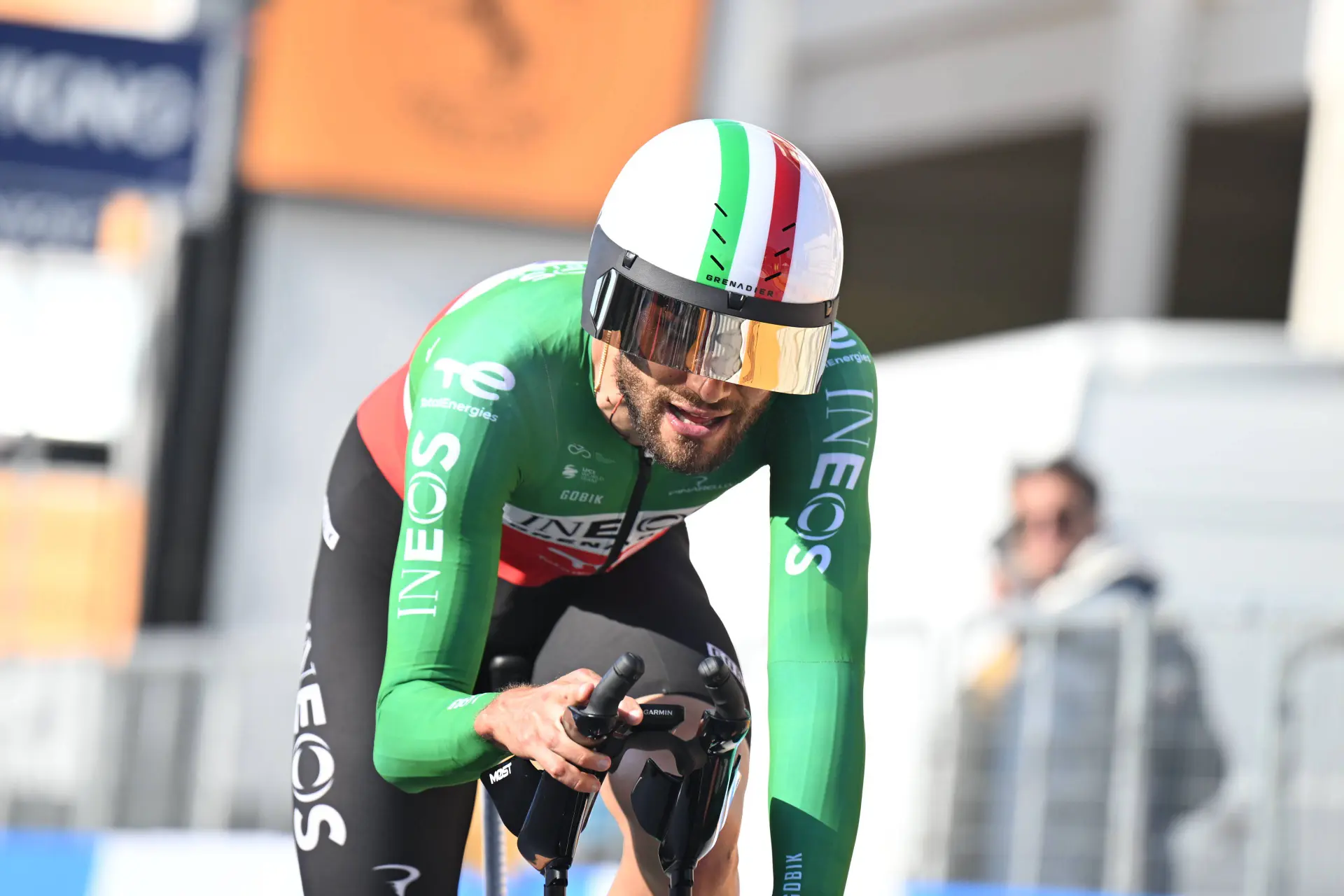
INEOS were hardly short of opportunities to celebrate in 2026. Filippo Ganna produced one of the spring's most dramatic victories when he caught Wout van Aert in the final metres of Dwars door Vlaanderen, before adding another Giro d'Italia time trial success in May. Dorian Godon also enjoyed a productive first season with the team, delivering several victories across the calendar.
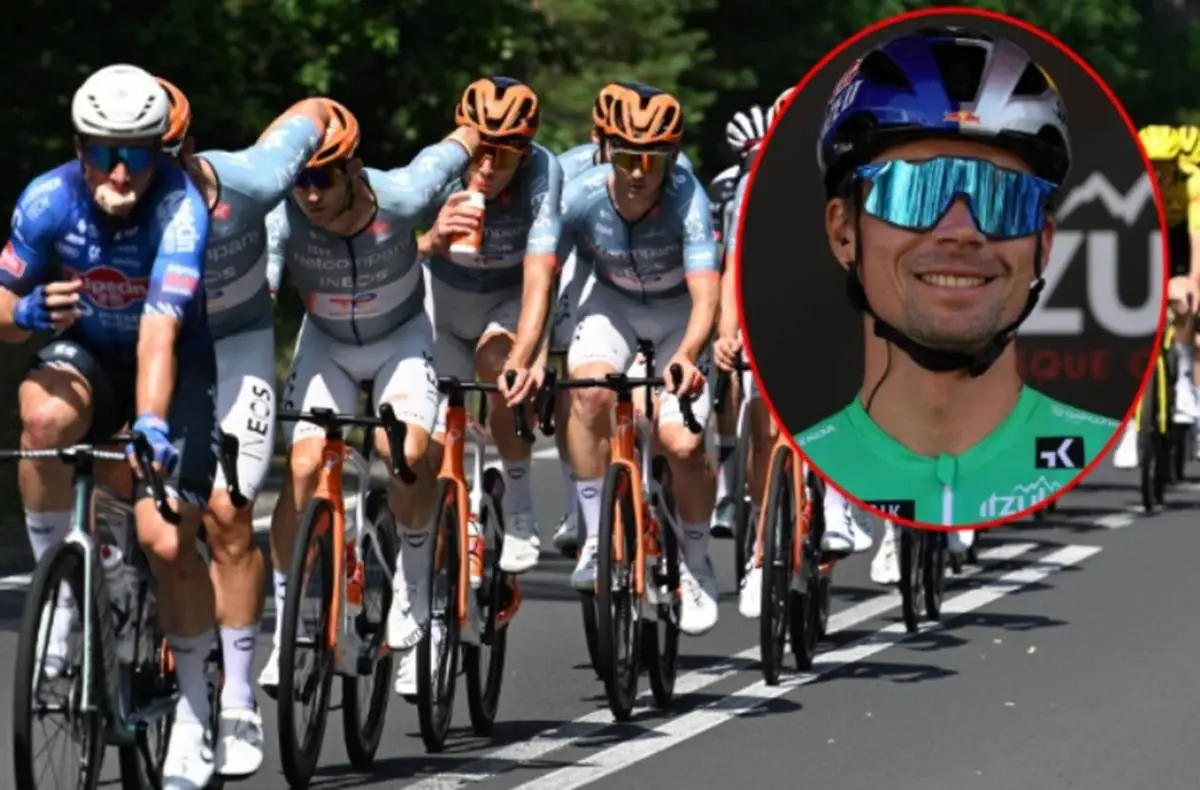
An encouraging start to the Tour de France in Barcelona, where INEOS finished second to Team Visma | Lease a Bike by eight seconds in the opening team time trial, gave way to another disappointing July. The team left the race without a stage victory or a rider inside the top ten overall.
Their preparations had already suffered a major blow when Oscar Onley, recruited after finishing fourth at the 2025 Tour, sustained a shoulder injury in a crash at the Tour Auvergne-Rhone-Alpes and was ruled out of the race entirely.
"We had a lot of wins, but they were like smaller wins. It wasn't like any big wins really," Thomas acknowledged. Yet he believes the results need to be viewed against where INEOS are starting from after years of decline.
"Let's just say we're starting at 20% of what we used to be, just to pick a number. You can't just go from 20 back to 80 straight away," he said. "It's like climbing a ladder, isn't it? You can't go from the second rung of a ladder straight to eight. You've got to go to three, four, five."
The percentages were hypothetical, rather than a literal measurement of the team's performance, but Thomas is convinced they have already made progress. "I think we've gone up the ladder a couple of steps for sure. We slipped a few times as well, but that's all part of it, isn't it?"
Having moved into management following his retirement at the end of 2025, Thomas is now helping shape the next generation of INEOS leaders. The arrivals of Onley, Kevin Vauquelin and Godon offered fresh options for 2026, although their first season together was repeatedly disrupted by setbacks.
Bad luck or bad decisions? Thomas questions INEOS's repeated setbacks
Vauquelin, who arrived after finishing seventh at the 2025 Tour de France, endured a particularly frustrating start to life with his new team. At Paris-Nice, the Frenchman was pushed off the road during a crosswind stage and had to fight his way back into contention.
"He was in the back group and fought his way back, but if he hadn't have done that, he would have been in front from the start. Who knows what would have happened?" Thomas said. Vauquelin eventually finished fourth overall.
A crash at the Amstel Gold Race brought further frustration. Thomas believed the Frenchman had been riding well enough to challenge for a podium before the incident, which also affected his preparations for Fleche Wallonne and Liege-Bastogne-Liege.
Having endured plenty of crashes and injuries himself, Thomas recognised how quickly repeated setbacks can become mentally draining. "I've been in that position before where you've crashed a lot and you've had a bit of bad luck and it can be a bit like, 'Oh jeez, here we go again.'"
But not everything could be put down to misfortune. "I think it's a bit of both really. You can't just look at the season, just see crash, crash, puncture, whatever mechanical. It needs the context with it, doesn't it?"
Thomas used Magnus Sheffield as an example, acknowledging that the American's racing style and positioning could sometimes leave him vulnerable, while stressing that it would be unfair to blame him for every incident.
Oscar Onley's Tour de France hopes ended by a costly Dauphine mistake
Onley's crash at the Dauphine was far more damaging. INEOS had instructed their riders to move towards the front before a technical descent, allowing them to dictate the pace rather than risk being caught further back in the bunch. According to Thomas, the group executed the initial plan almost perfectly, with Godon, Vauquelin and Onley all well positioned over the preceding climb.
The riders then continued descending aggressively despite already having control. "The reason for taking control wasn't to nail that descent. It was to be in control and dictate the pace," Thomas explained.
Onley overshot a corner, suffering the injury that would end his Tour de France ambitions before the race had begun. Thomas said the Scot subsequently recognised that he could have backed off rather than pushing so hard.
The incident also brought home the challenges of integrating three new arrivals into a squad still getting accustomed to racing together. "I feel like Dorian's new, well Oscar's new and Kevin, they're all new to the team. I think that takes a bit of gelling," Thomas said. "The fact they executed, like you say, got over the top first is a big plus. I think they all learned then the next phase of that plan and I think they'll all take that forward."
Godon had spent several seasons with Rowe's Decathlon organisation before joining INEOS, while Onley and Vauquelin were also adapting to different teammates and a new racing environment.
Ganna's Dwars door Vlaanderen victory offered a happier example of the mentality Thomas wants throughout the squad. Despite mechanical problems earlier in the race, the Italian fought his way back before catching Van Aert within sight of the finish.
"We were trying to get up him a bit from the start of the year really, and in Classics just never give up," Thomas recalled, referencing the advice former teammate Mathew Hayman regularly gave during their racing days.
The victory was one of the team's standout moments, but Ganna's disappointments at Milano-Sanremo and Paris-Roubaix, together with Vauquelin's interrupted Ardennes campaign, left INEOS with little else to celebrate from the biggest spring Classics.
Read also
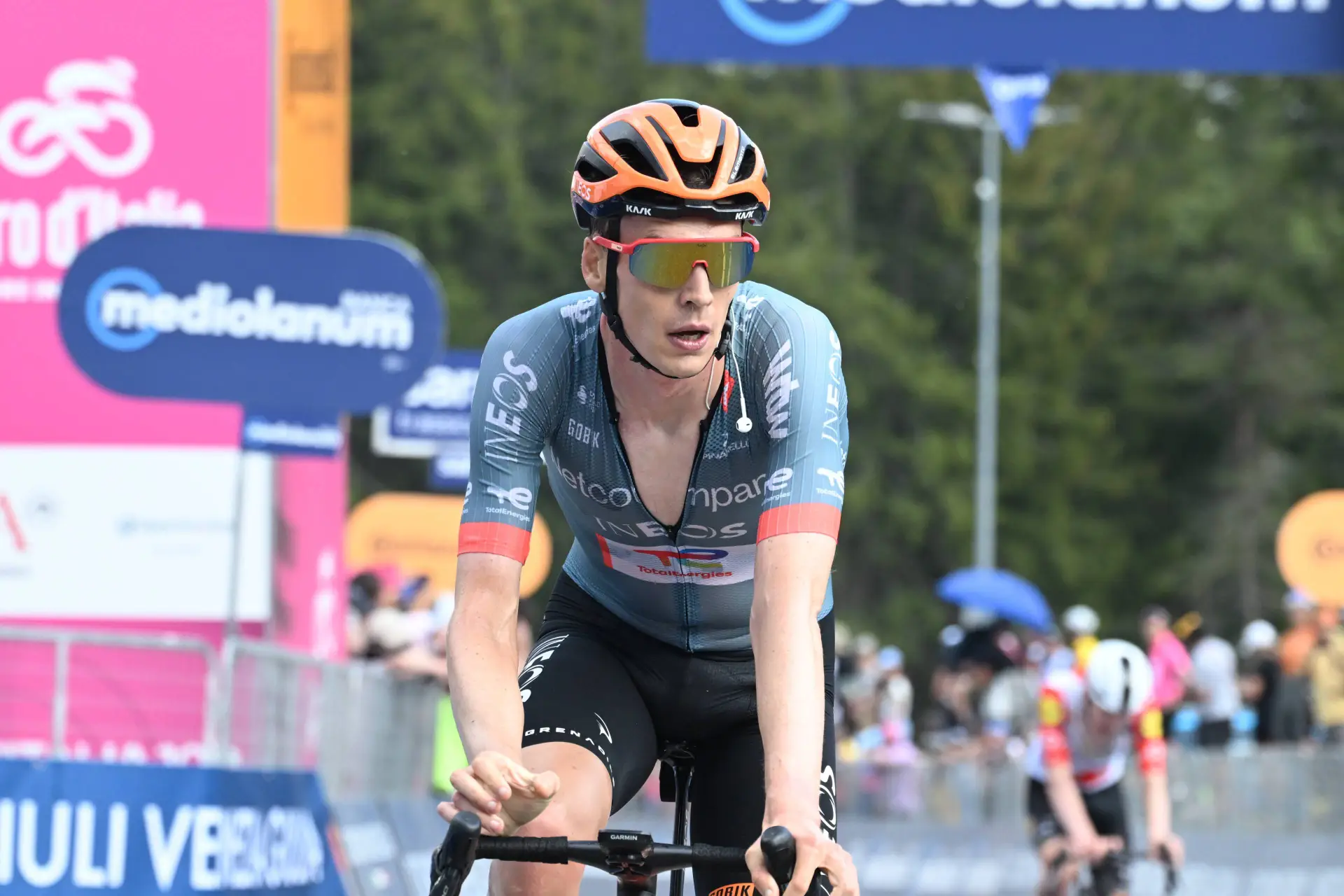
Arensman's Giro breakthrough offers evidence of INEOS's progress
Thymen Arensman's fourth place at the Giro d'Italia was one of INEOS's strongest results of the season. Alongside Egan Bernal's tenth place, it gave the team two riders inside the top ten, with Arensman narrowly missing the podium.
"It was a massive step forward if you just take him in isolation," Thomas said. "From previous years, mentally, psychologically, he was a lot more consistent."
Arensman had worked extensively with sports psychiatrist Steve Peters during the season, alongside his regular coach Adrian. Thomas believes the work paid off in the Dutchman's best Grand Tour general classification performance to date. Bernal also played an important role in the decisive final mountain stages, putting his own ambitions aside to support his younger teammate.
The pair had held some frank conversations towards the end of the race, something that proved important when Arensman came under pressure from Felix Gall and Jai Hindley. "On that last day Thymen really sort of trusted him," Thomas revealed. "They stuck together and he got him back to Hindley and Gall, who were riding away from him."
Onley recovered from his summer disappointment to claim sixth overall and the young rider classification at the Vuelta a Espana, giving INEOS another encouraging Grand Tour result before the season ended.
Ganna's departure leaves Thomas with another challenge for 2027
Ganna, meanwhile, is leaving for Lidl-Trek after eight seasons. His departure removes one of the team's most dependable winners and a central figure in their Classics and time trial ambitions.
INEOS have recruited extensively for 2027, with Joe Blackmore, Markel Beloki and Harold Tejada among the new arrivals. Alongside Onley, Arensman and Vauquelin, they will join a squad still searching for a rider capable of restoring the team to the very top of Grand Tour racing.
Thomas will begin his second year as Director of Racing without Ganna, whose victories provided some of the team's biggest moments even during their difficult years. Replacing that contribution will be no small task, particularly for a squad already trying to establish a new generation of leaders.
Kieran WoodDeputy Editor-in-Chief
Kieran Wood is a sports journalist based in Wales and has been active in journalism since 2022. He regularly contributes to DartsNews.com and CyclingUpToDate.com, where he covers professional cycling and darts. In cycling, his work includes liveblogs from major races, including the Tour de France, the Giro d’Italia, and La Vuelta a España, alongside race reports and analysis. He has also conducted interviews with professional riders.
His reporting spans the full racing calendar, from one-day classics to stage races, with a focus on accurate, real-time coverage and clear contextual analysis. For statistics, results, and historical context, he regularly uses resources such as ProCyclingStats. To support reporting on rider activity and training context where relevant, he also references Strava.
In his work, Kieran places strong emphasis on careful sourcing, editorial accuracy, and updating articles as new, verified information becomes available.
claps 0visitors 0
Just in
Popular news


Latest comments
- Rota is an excellent rider to get in a break with because he always does his turnchapmanesque04-11-2026
- That 3000 extra that the Tour de France is built up in the flat stages
 Rafionain-Glas04-11-2026
- maybe this is something else they can protest in the streets of France.mij04-11-2026
- his Roubaix win was amazing. not to take anything away from him - arguably one of MVDP's wins was at the expense of a WVA flat - but so many things need to line up to get one of these. He had a perfect race with fewer bike issues on an attritional course. And crazy strong as usual. Glad he got this done.mij04-11-2026
- Orts was a super smart signing with the new rules regarding cross and UCI pointsmij04-11-2026
- yeah... you're right...PogiSloFans04-11-2026
- Podcast sounds great. Two so called experts stating the f*cking obvious.wrsty04-11-2026
- A mindset that reminds me of Tim Declerq. I loved watching that guy just pound away the kilometers, hours at the front, holding an entire breakaway in check on his own. Bjerg seems like a similar guy. Curling, the team sport.RidesHills04-11-2026
- He will be lol, but he can still win on the climbs hahaawp04-11-2026
- I would love to have his inconsistency. How many wins this year? 2 TdF stages, a WC, a Euro championship, San Sebastian, multiple wins early year. Monument podiums. I'd take it. I don't think he has a chance in the TdF, but he is still amazing.mij04-11-2026
Loading
Write a comment