“Probably the most unenjoyable race of the year”: Tom Pidcock's World Championship dreams explode in final 50km of Kigali epic
Cycling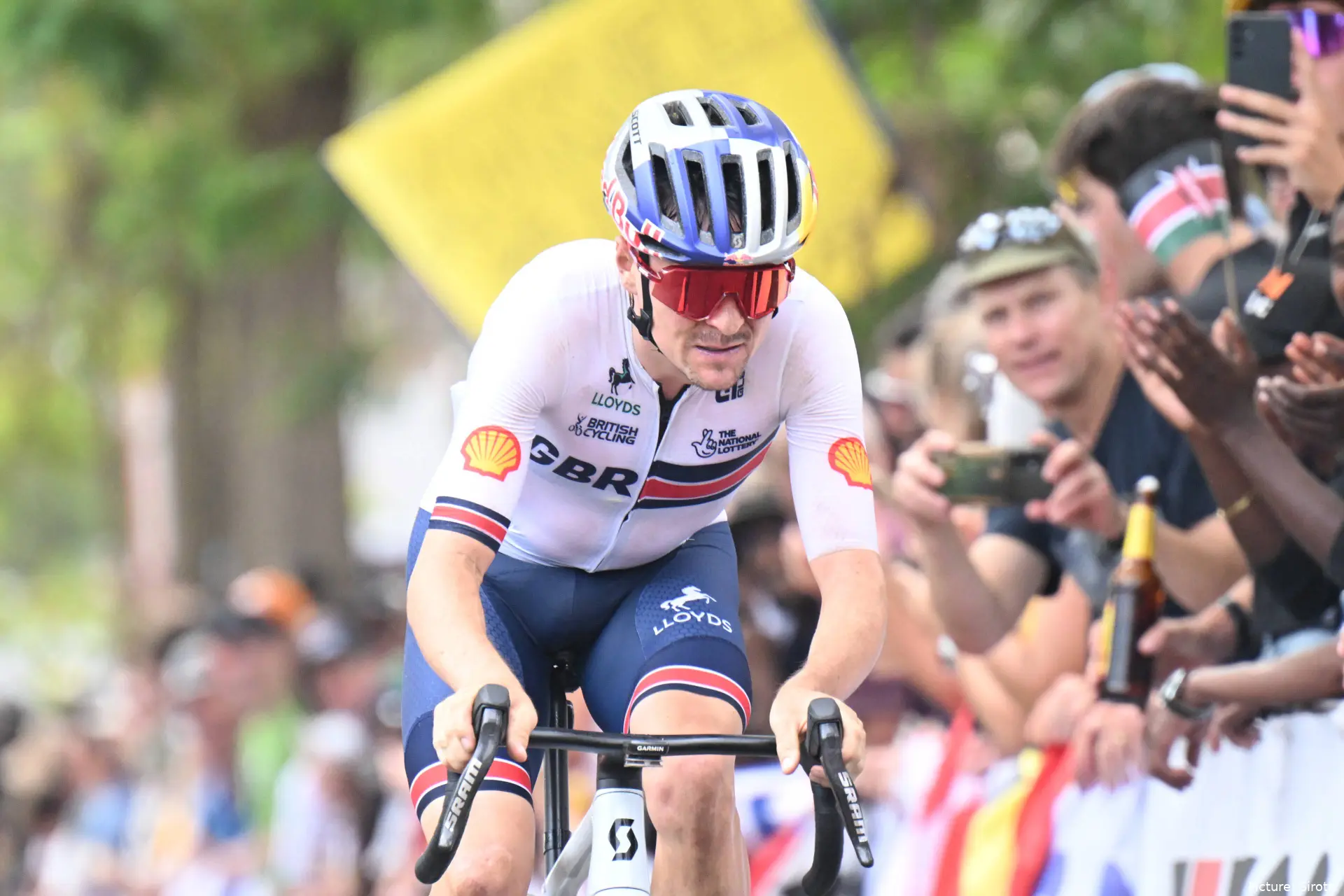
Tom Pidcock’s bid for World Championship glory in Kigali ended in a frustrating 10th place, 9 minutes and 5 seconds behind dominant winner Tadej Pogacar. The British rider, who had shown promise in the opening hours, described his effort as “probably the most unenjoyable race of the year,” a day defined by attrition, relentless climbs, and punishing cobbles.
“I didn’t feel great at the start,” Pidcock admitted after the race to Cycling Pro Net. “As the race went on, I tried to get into it, but eventually I just completely blew. From that point it was pure survival to the finish. There’s not much more to say — it was absolutely relentless.”
Struggling on the Climbs and Cobbles
Pivotal moments came on Mont Kigali and the circuits that followed, where the pace proved too intense for Pidcock to maintain with the leading group. While he initially stayed in touch with the select riders chasing Pogacar, the Belgian and Irish contingent, as well as the punishing solo attacks from the Slovenian, gradually pulled away. “At one point, when there were five of us chasing behind Tadej, I thought, ‘Anything’s possible now,’” Pidcock reflected. “But then my legs just gave out.”
The cobbled sectors and repeated climbs exposed the limits of even the most versatile riders, and Pidcock admitted the altitude and sustained efforts caught up with him in the final laps. “I think I played down the effect of the altitude beforehand,” he said. “Once I actually started racing and felt it, it was really tough. I did what I could, but it was a hard day out there.”
Despite the setback, Pidcock remained pragmatic about his performance. He acknowledged the toll of a gruelling season, which included the Vuelta a Espana, and recognised the limits of what he could achieve under these conditions. “I did the best I could, and considering everything, I can’t complain. Some days you just can’t have everything,” he said.
Reflecting on a Brutal Day
While Pidcock’s ambitions for the rainbow jersey were dashed, he left Kigali with a renewed perspective on endurance, racing strategy, and personal limits. “I tried my best, that’s all you can do,” he said. The World Championships offered a brutal reminder of how quickly fortunes can change in racing, and for Pidcock, the experience provides lessons that will inform his approach in the final races of the season and beyond.
Though the result may have been disappointing for the British star, his grit and perseverance through one of the toughest courses on the calendar reinforce why he remains a rider always worth watching.
Read also

Kieran WoodDeputy Editor-in-Chief
Kieran Wood is a sports journalist based in Wales and has been active in journalism since 2022. He regularly contributes to DartsNews.com and CyclingUpToDate.com, where he covers professional cycling and darts. In cycling, his work includes liveblogs from major races, including the Tour de France, the Giro d’Italia, and La Vuelta a España, alongside race reports and analysis. He has also conducted interviews with professional riders.
His reporting spans the full racing calendar, from one-day classics to stage races, with a focus on accurate, real-time coverage and clear contextual analysis. For statistics, results, and historical context, he regularly uses resources such as ProCyclingStats. To support reporting on rider activity and training context where relevant, he also references Strava.
In his work, Kieran places strong emphasis on careful sourcing, editorial accuracy, and updating articles as new, verified information becomes available.
claps 0visitors 0
Just in
Popular news
Latest comments
- Good grief, who proofreads this stuff? Errors abound.wrsty18-10-2026
- You can add weight to a bike and limit gears or make it single speed if you like. I doubt that would reduce crashes. It would just add another dymanique. All good and well, but It wont stop cars getting on to the course.Cyclingsbestfan18-10-2026
- Seixas is probably second best in the World on short climbs. But that hasn't translated as well to long climbs
 Rafionain-Glas18-10-2026
 - Idiotic fellaRafionain-Glas18-10-2026
- Nothing. Against Pogi nothingabstractengineer18-10-2026
- He didn't even try to sprint all outvappaxbipmv18-10-2026
- Campenaerts looked like a rolling pumpkin with that all orange leaders skinsuit !frieders318-10-2026
- He can take his dumb a$$ politics somehwere else !frieders318-10-2026
- good to have her back. fingers crossed she‘ll be able to stay!Ketterechts17-10-2026
- A tenner and he wins the Tour next year, too 😂anonymouscyclist17-10-2026
Loading
Write a comment