“It could have had even more serious consequences” - Mauro Gianetti reveals the severity of Tadej Pogacar’s Vuelta crash injuries
Cycling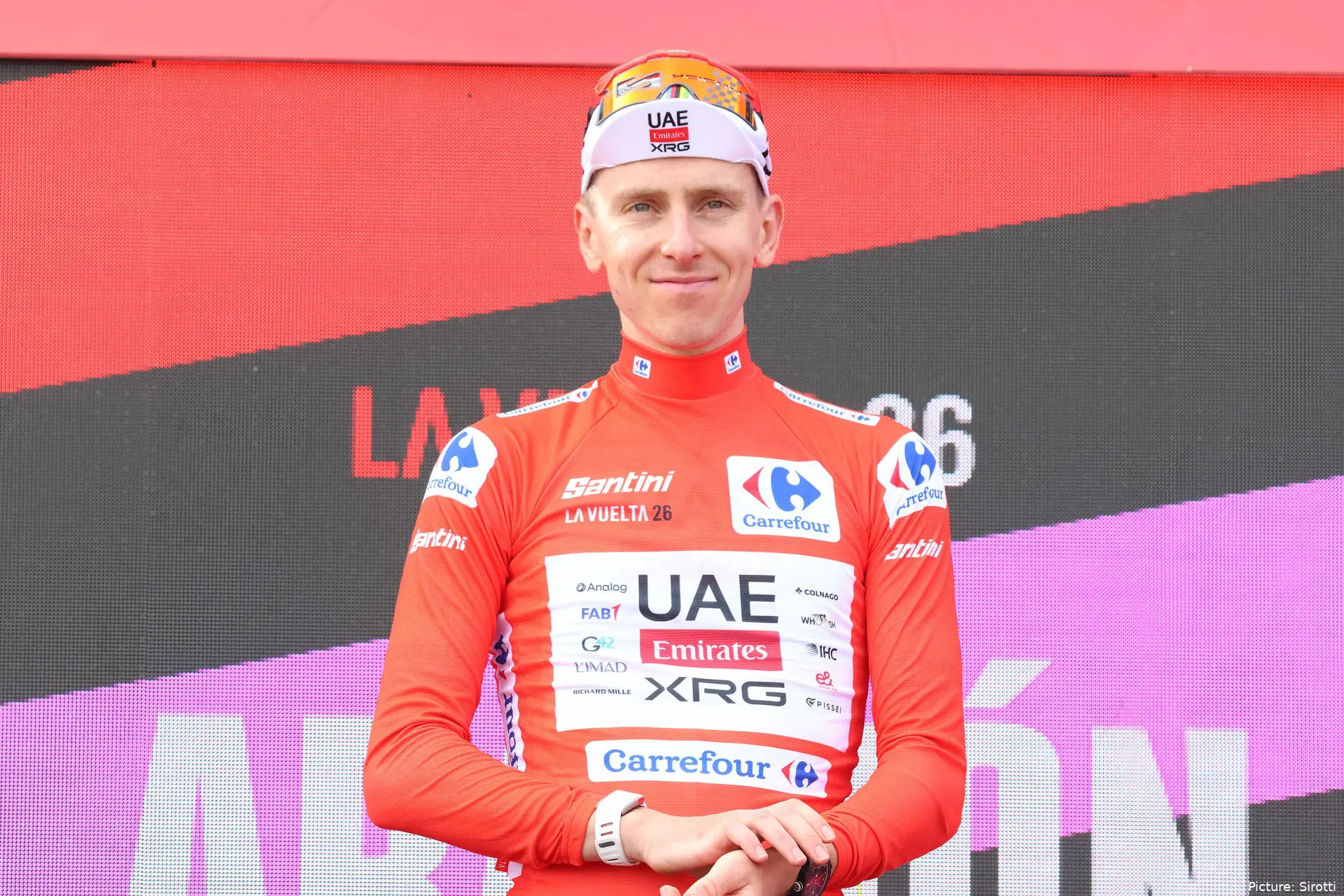
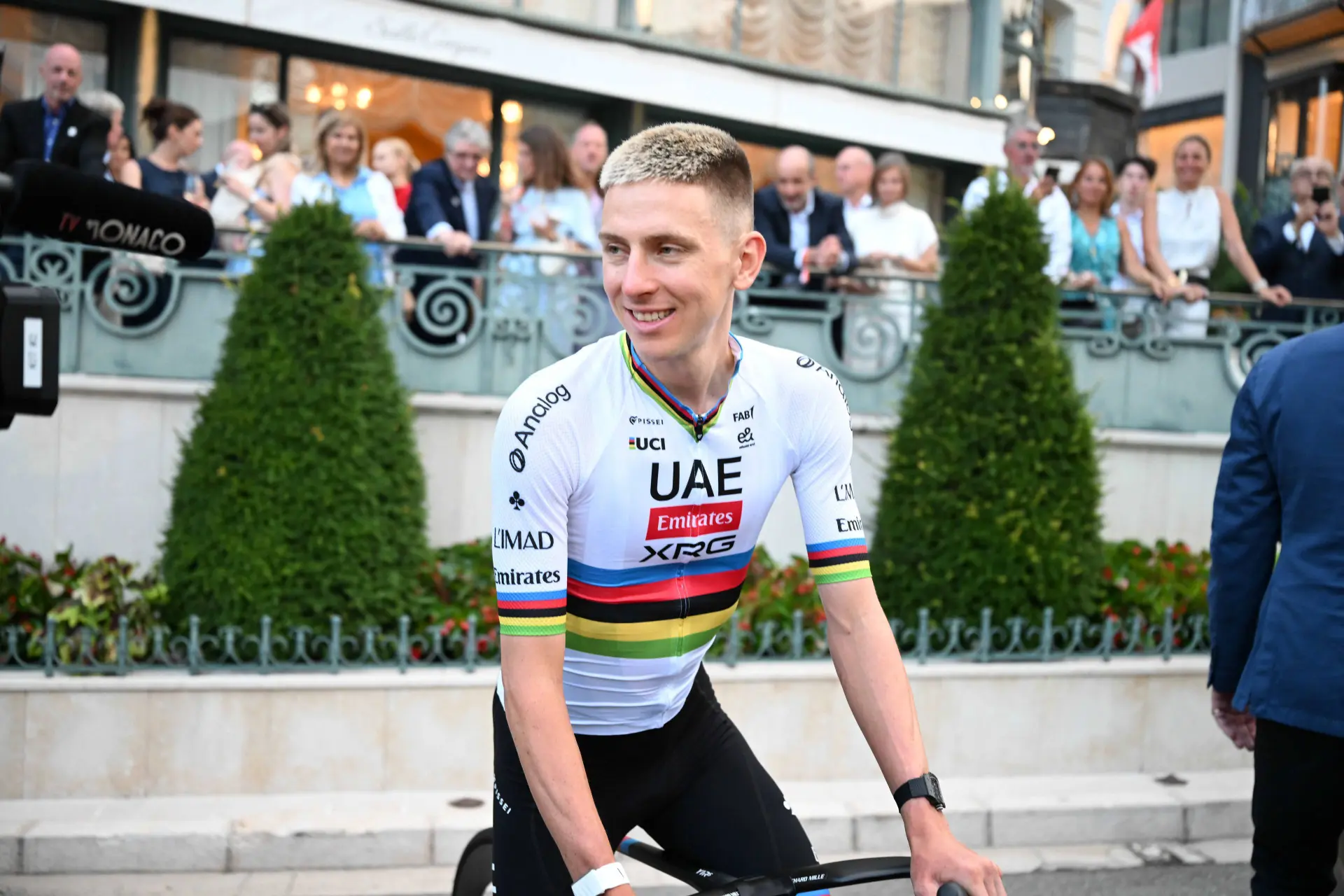
Tadej Pogacar’s crash at the Vuelta a España proved far more serious than it first appeared. The Slovenian, who was leading the race, sustained a displaced collarbone fracture and a concussion that forced him to call time on his season.
Now, Mauro Gianetti, the UAE Team Emirates-XRG boss, has told RAI in remarks relayed by Spazio Ciclismo how the team lived through that moment, how their star is recovering, and what comes next.
Gianetti acknowledges the crash was severe and that the collarbone injury required an especially complex operation. “The crash was serious: the displaced collarbone fracture required a very complex surgery, on top of the concussion,” the UAE chief explains.
Ending Pogačar’s season was virtually inevitable, but Gianetti felt he also needed a few days to process giving up the major targets still ahead. The Slovenian was leading the Vuelta and had ringed the season finale in red, with the World and European Championships and, later, Il Lombardia.
“It was clear he couldn’t keep racing this year, but it was also fair to give him a few days to digest that forced decision,” says Gianetti, who underlines the importance of the goals Pogačar had lined up. The rider wanted to race in front of his home fans at Worlds and Europeans and also aimed to fight for another Lombardy win.

Pogacar held a commanding lead in La Vuelta’s general classification before his withdrawal
Pogacar to stay with UAE through 2032
The disappointment, then, is immense, but the UAE boss believes Pogacar is handling it calmly. “That’s cycling. He’s calm now. Obviously, the disappointment of not being able to race is big, but that’s part of the sport, and he knows the crash could have had even worse consequences,” Gianetti notes.
He adds that the Slovenian is already focused on coming back strong next season. “He will look to next season with great commitment,” he says, making clear the crash does not change the rider’s ambition.
One of the major pieces of news for cycling’s future arrived during this period, with Pogacar extending his UAE contract through 2032. Gianetti explains that talks to prolong the deal had been underway for months and reflect the rider’s own wish to remain tied to the project.
“For a few months already, we had been discussing an extension, especially because he wants to race, to be involved, to enjoy it, and he wanted to send a strong signal of the confidence he has in the team,” he says.
For Gianetti, the new deal shows the absolute trust between Pogačar, the team, and his working environment. “We trust him and his staff,” says the manager, who considers it especially positive for the sport that one of its leading figures has long-term continuity secured.
“It’s good news for the cycling world to know that Pogacar will be a professional at least until 2032,” he concludes.
Gianetti calls for reflection on rider safety
Pogačar’s crash has also revived the debate around rider safety. Gianetti believes there is a perception that certain races, like Paris-Roubaix, are particularly dangerous, but he stresses that the most serious crashes can happen in almost any race.
“It may look like Roubaix is more dangerous than other races, but ultimately, lately, the most serious and heaviest crashes don’t necessarily happen there, but in races and moments like when Tadej fell,” he explains.
The UAE chief points to speed and the sheer density of today’s peloton. In his view, high-speed crashes can have especially severe consequences, even on courses not traditionally considered as risky as Roubaix’s cobbles.
Read also
“The speed is extremely high; the peloton is really tight, with many riders, all at a very high level. High-speed crashes are more devastating than what can happen at Roubaix, where you can go down on the cobbles at perhaps a lower speed,” he says.
Gianetti argues it is necessary to keep working to improve safety, while warning there is no solution that can completely eliminate crashes from professional cycling.
“You cannot think crashes will be avoided,” he says. He believes one key lies in riders’ preparation and in avoiding excessive fatigue going into races.
“We will need to think hard about the calendar,” Gianetti adds, advocating for riders to arrive “fresh to races” to help them maintain “maximum concentration.”
Juan LarraCycling Journalist
Juan Larra is a writer for Cyclinguptodate and editor-in-chief of Ciclismoaldia, where he has played a central role since its inception. Under his leadership, the website has become a trusted source for professional cycling coverage, offering in-depth analysis, news, and feature stories.
A sports journalist with over 20 years of experience, Juan earned his degree in Journalism from the University of Seville in 2007. He began his career covering a wide range of sports—including football, basketball, Formula 1, MotoGP, tennis, and cycling—for platforms such as the official La Liga app, Vodafone and Movistar websites, NBA Blogdebasket, and Cadena Cope, honing his skills in writing and editorial management.
In addition to his work at Ciclismoaldia, Juan contributes to Cyclinguptodate and serves as editor-in-chief for the tennis-focused site Tenisaldia. Throughout his career, he has conducted exclusive interviews with cyclists and sports figures, provided detailed analysis of competitions ranging from local Spanish races to major international events, and acted as a special correspondent at prestigious races including Paris-Roubaix, the Tour de France, and the Vuelta a España.
Juan’s combination of experience, expertise, and direct access to athletes has established him—and the platforms he leads—as authoritative voices in professional cycling.
claps 21visitors 7
Just in
Popular news
Latest comments
- so Remco takes 2 minutes. that means Tadej wins the GC by 8 minutes instead of 10.mij24-10-2026
- facts are facts. he has podiumed over 50% of his tts and won about 30% of them.mij24-10-2026
- agreed on the Roglic TT win. take that off and he has 15 wins in 54 TTs. still pretty solid. especially for someone that doesn't specialize in the discipline like Remcomij24-10-2026
- Crashes happen to everyone, he got sick in 2023 with covid when he was leading. He's not magic but he's currently the third best in the world. Not for long though, Seixas is coming!awp24-10-2026
- He has crashed, got sick or had a bad day even if Pogi and jonas were not there, There is no way 6+ is even possible.he manages to screw himself no matter who is there and of course everything else but himself is to blame. one day performance is not equal to GT performanceabstractengineer24-10-2026
- In 2024 Tadej, Jonas and Remco took over the first three places in a few mountain top finishes. Making them pretty much the best three climbers in the history of those climbs since they have been keeping records. If Tadej and Jonas weren't here Remco would have already won over six grand tours.awp24-10-2026
- Remco could conceivably take two minutes out of Tadej over 70km of time trials. That said, Tadej could take ten to fifteen minutes out of Remco in the mountains. The real tell about the time trials will be how comfortable Tadej will be after his back fracture, I had a burst fracture of my L1 in a bad cycling crash, when I returned it was hard to tt fast because I couldn't make power being so low in the ski's like I did before the crash.awp24-10-2026
- I believe you should support your argument with relevant examples. Pogi’s wasn’t an organisational problem and the TdF has a pretty good track record regarding rider safety (comparing to other organisers). You could also make a few suggestions to help those who don’t seem to manageJumpyjohn24-10-2026
- If you want peoples to believe you’re called Miguel, at least make the kind of errors a Miguel would and stop being so Mouey. All you do is repeat how much you love anything UAE and hate anything Visma, you can’t even make it seem as if you enjoy cycling, all your enthusiasm goes towards bashing and pumping those 2.Jumpyjohn24-10-2026
- I actually expect Remco to crash or have a bad day due to the aircon or something.abstractengineer24-10-2026
Loading
3 Comments