Investigation into Muriel Furrer’s fatal crash closed with no criminal wrongdoing found but cycling’s safety questions remain
Cycling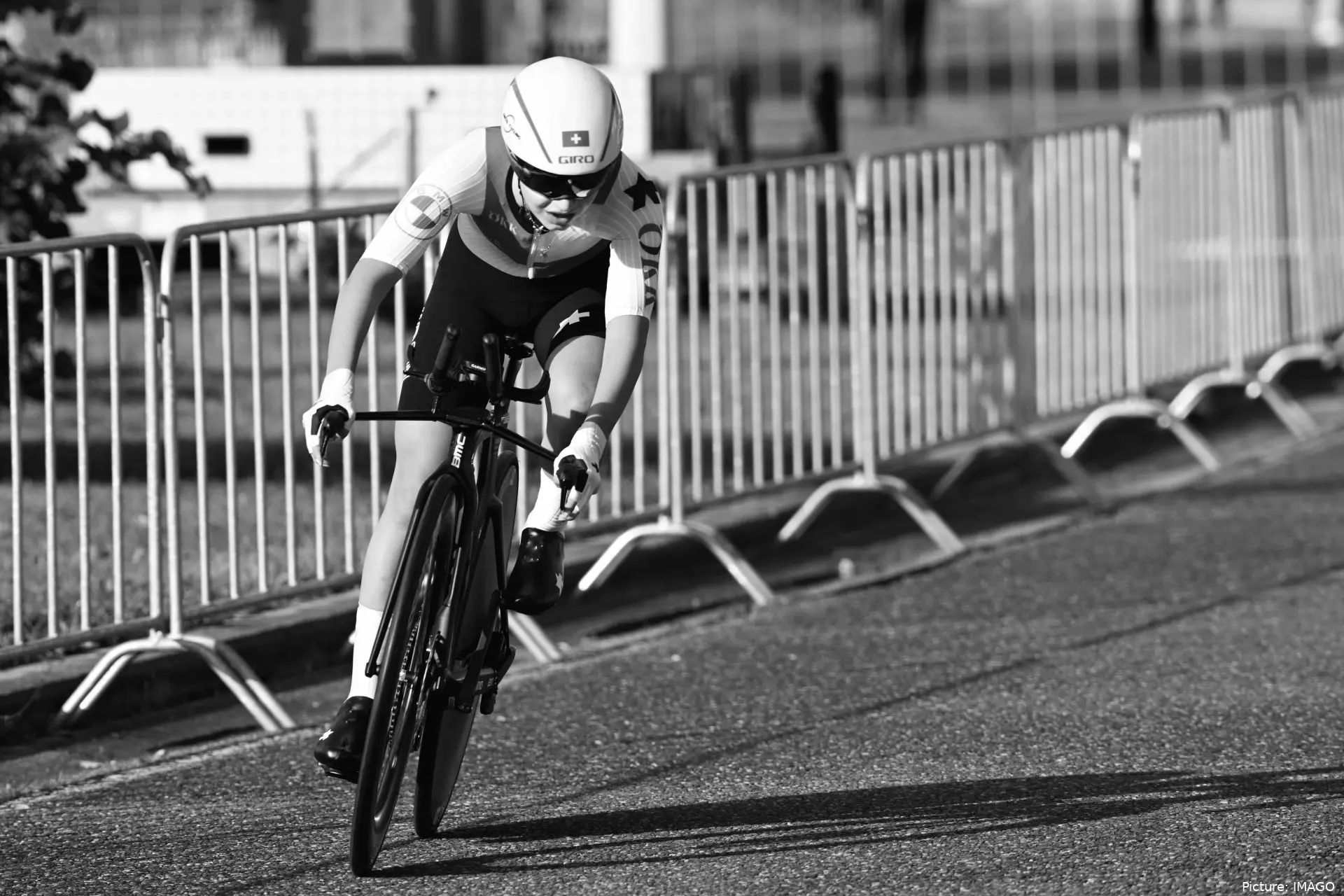
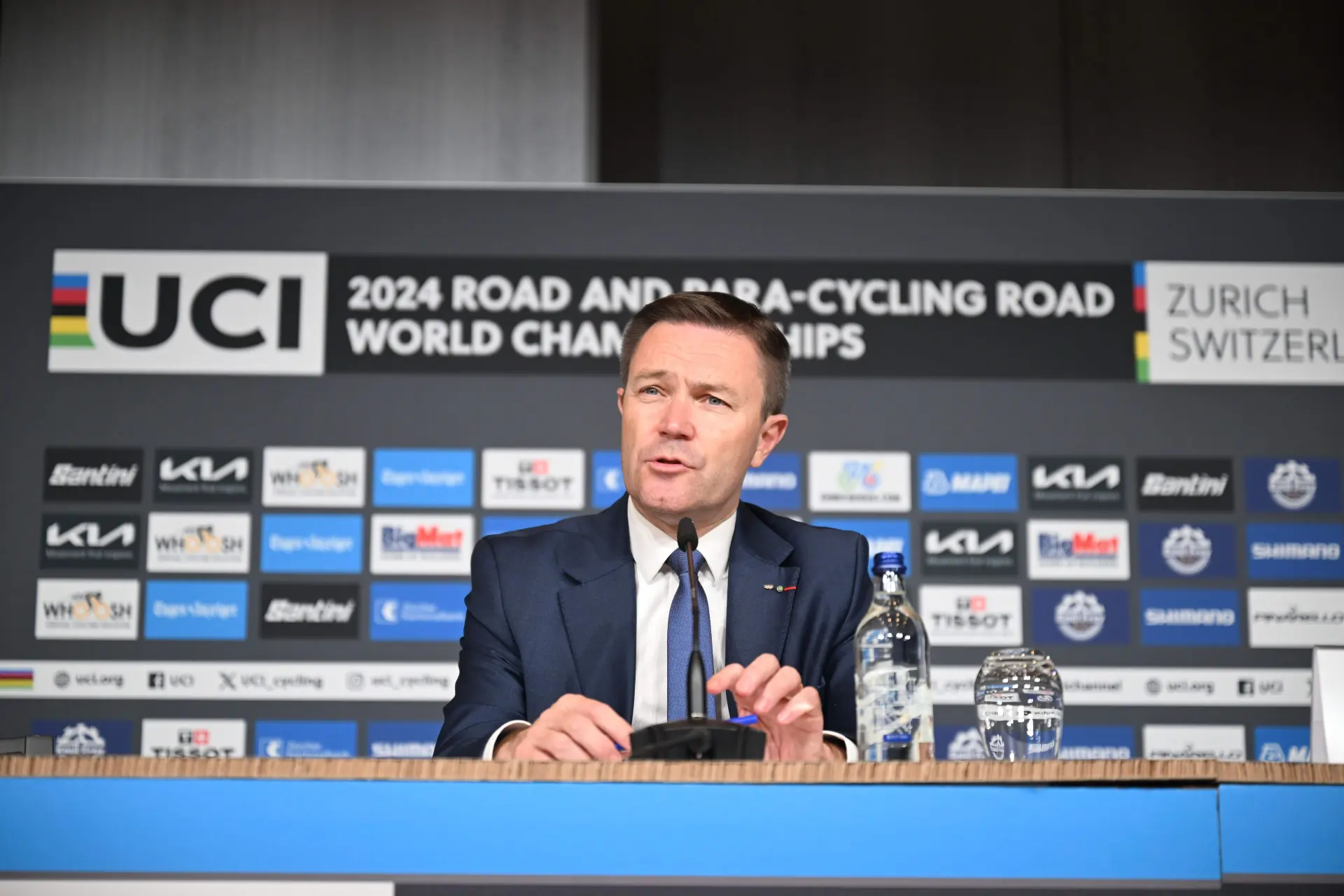
The investigation into the fatal crash of Muriel Furrer at the 2024 Road World Championships in Zurich has been closed, with authorities confirming that no criminal wrongdoing was found in relation to course safety or the emergency response.
Furrer, aged 18, died after sustaining severe head injuries in a crash during the junior women’s road race. The incident prompted widespread concern across the sport, not only because of the outcome, but also due to the circumstances in which she was found.
According to the findings, 1 hour and 25 minutes passed between the moment of the crash and the arrival of emergency assistance. Furrer had come to rest off the road among trees, out of sight, before she was located and treated. She died in hospital the following day.
While the investigation has now concluded that no “criminally relevant” errors were committed, the timeline has remained central to the wider debate that followed.
A tragedy that reshaped the conversation
In the immediate aftermath of Zurich, cycling was forced to confront a question that had long existed but rarely been tested so starkly: how quickly can a rider be found after leaving the road?
The answer, in this case, exposed a gap. In the months that followed, governing bodies, teams and organisers accelerated discussions around rider tracking systems designed to detect when a rider stops moving or leaves the race route. GPS-based solutions, capable of triggering alerts in real time, were positioned as a potential safeguard against similar scenarios.
That process has not been straightforward. Disagreements over implementation, data control and governance have slowed progress, even as trials have taken place and systems have been used in selected events. The debate has shifted from whether such technology is possible, to how it should be applied across the sport.

Furrer tragically passed away at the 2024 World Championships
Progress made, questions still open
Recent developments suggest movement towards a more structured solution, with the UCI outlining a pathway towards broader adoption of GPS tracking as a safety tool. Yet the closure of the Furrer investigation does not resolve the underlying issue.
The conclusion that no criminal fault was found provides legal clarity, but it does not alter the fact that more than an hour passed before Furrer was located after her crash. That reality continues to shape how the sport views rider safety in scenarios where visibility is limited. And more recent incidents have shown that the concern is not confined to Zurich.
Crashes on descents, where riders can leave the road beyond the sight of the race convoy, remain an inherent risk. The challenge is not only preventing such incidents, but ensuring that when they do occur, the response is immediate.
A turning point, not an endpoint
A year and a half on, the investigation’s conclusion marks the end of one process, but not the end of the conversation. Cycling has taken steps towards addressing the issue, but it has not yet fully resolved it. The push towards GPS-based rider tracking reflects a recognition that existing systems may not be sufficient in every scenario.
Furrer’s death forced the sport to examine its blind spots. The findings in Zurich may close the legal chapter, but the broader safety debate it sparked remains very much open.
Kieran WoodDeputy Editor-in-Chief
Kieran Wood is a sports journalist based in Wales and has been active in journalism since 2022. He regularly contributes to DartsNews.com and CyclingUpToDate.com, where he covers professional cycling and darts. In cycling, his work includes liveblogs from major races, including the Tour de France, the Giro d’Italia, and La Vuelta a España, alongside race reports and analysis. He has also conducted interviews with professional riders.
His reporting spans the full racing calendar, from one-day classics to stage races, with a focus on accurate, real-time coverage and clear contextual analysis. For statistics, results, and historical context, he regularly uses resources such as ProCyclingStats. To support reporting on rider activity and training context where relevant, he also references Strava.
In his work, Kieran places strong emphasis on careful sourcing, editorial accuracy, and updating articles as new, verified information becomes available.
claps 2visitors 2
Just in
Popular news
Latest comments
- Good luck to Tadej! Just hurry up with your visit to Abu Dhabi, because the american orange orangutan's overseers are planning an all-out war in Iran after the midterm elections.... We’ll probably see Pogi in Australia, then at the Flemish Classics, Strade Bianche, and Paris–Roubaix (P-R). He’s already ticked off Milan–San Remo, and we won’t see him there again. Pogi wants to ride the Giro because he’s extremely popular in Italy, while he’ll win the Vuelta and complete the set. He’ll very likely claim what’s rightfully his this autumn... the Rainbow Jersey. Next season, Seixas will be very close to him, if not his equal, in the classics. I can’t wait to follow Pogi's races.PogiSloFans18-10-2026
- What a cheater Jay Vine is. Remco gained on everyone else pretty much evenly. But Vine? After he was caught, the gap grew at a suspiciously slow rate. Typical UAE
 Rafionain-Glas18-10-2026
 - Strade? Never saw him as a gravel rider that can handle it.mij18-10-2026
- It surprises me that anyone still believes any professional (or amateur!) sport is clean--much less wants it to be. The best you can hope for is a reasonably level playing field that doesn't expose young, ambitious athletes to health risks they don't understand. In that regard, World Tour cycling appears to do a better job than almost any sport with independent, random testing. There are certainly fewer mysterious midnight "heart attacks" these days. If you want to see what an uneven playing field looks like, show up to masters nationals. It is also certainly the case that no major pharmaceutical corporation has developed a multi-billion dollar miracle drug just to give it only to one or two anointed ectomorphs in a minor non-revenue sport. If you don't like that all sports run on PEDs these days and you can't be bothered to contribute as a tester, a federation official, or pharmaceutical representative, then just turn off the TV and play outside.
 MarkFour18-10-2026
 - Good grief, who proofreads this stuff? Errors abound.wrsty18-10-2026
- You can add weight to a bike and limit gears or make it single speed if you like. I doubt that would reduce crashes. It would just add another dymanique. All good and well, but It wont stop cars getting on to the course.Cyclingsbestfan18-10-2026
- Seixas is probably second best in the World on short climbs. But that hasn't translated as well to long climbsRafionain-Glas18-10-2026
- Idiotic fellaRafionain-Glas18-10-2026
- Nothing. Against Pogi nothingabstractengineer18-10-2026
- He didn't even try to sprint all outvappaxbipmv18-10-2026
Loading
1 Comments