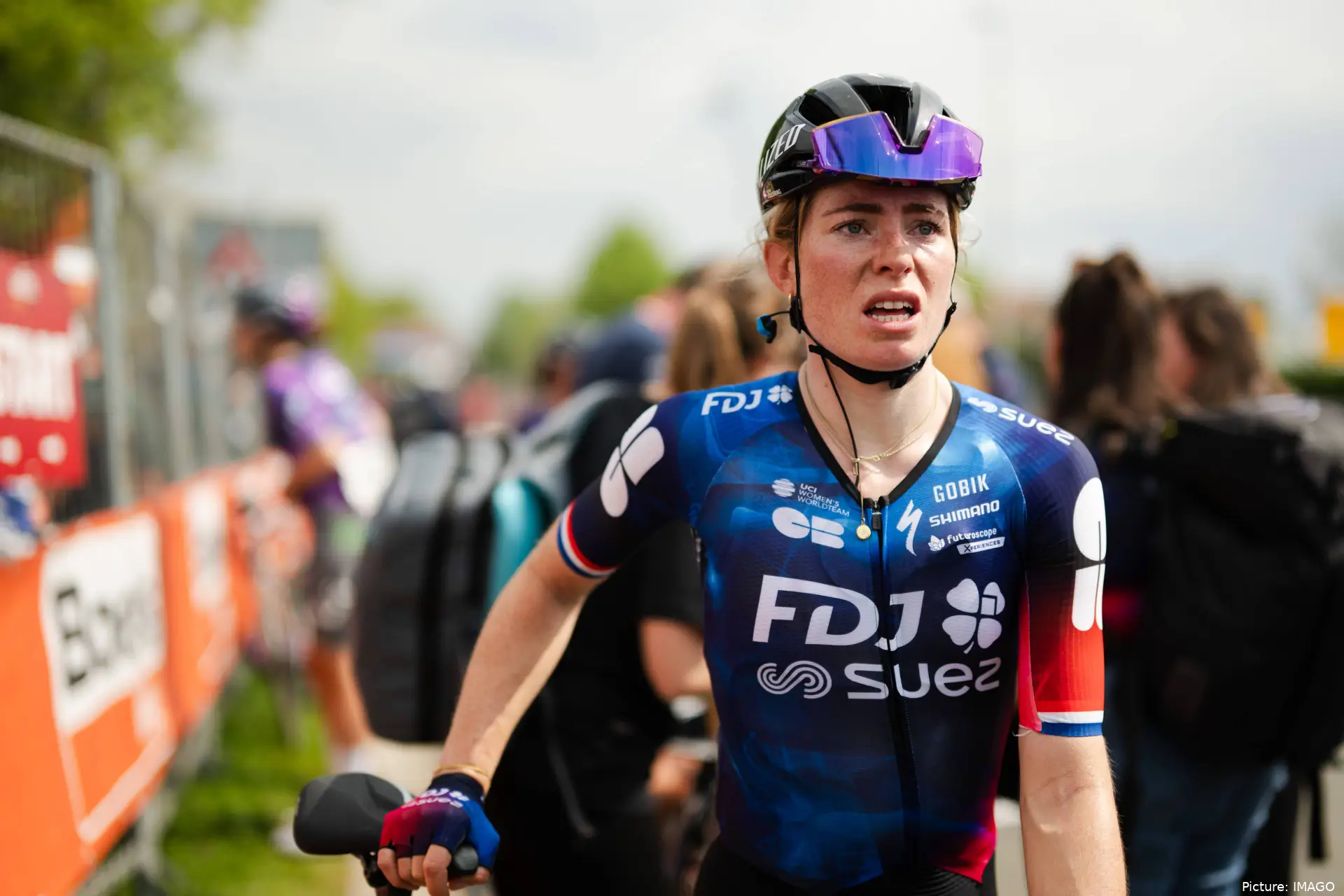
Pauline Ferrand-Prévot walked away
from the 2025 Tour de France Femmes Avec Zwift as the undisputed winner, and a
national hero. Her solo victory on the final stage in Châtel Les Portes du
Soleil locked in the yellow jersey with a commanding gap of 3 minutes and 42
seconds over Demi Vollering. It was a win years in the making for France, a
crowning moment for Ferrand-Prévot, and a complete performance that showed her
strength across every terrain. But while her celebration lit up French roads,
things inside the FDJ – Suez camp looked very different.
For the team that had gone all-in
on Vollering, widely considered the most important transfer in the women's
peloton for 2025, the Tour did not unfold as planned. Vollering finished second
overall but never looked in control of the race. She lost crucial time on stage
8, and despite flashes of strength earlier in the week, was unable to turn her
form or her team’s depth into meaningful results. According to Dutch analyst
Thijs Zonneveld, the problems weren’t just in Vollering’s legs, they were on
the team car’s radio.
"It would have been
interesting if Vollering and Niewiadoma had taken turns attacking, or if they
had let Juliette Labous ride ahead and then let Vollering jump on her. None of
that happened," Zonneveld said in his analysis for In de Waaier. His
critique centres on how FDJ – Suez, which frequently had numerical superiority
in key moments, failed to convert those advantages into any sort of coordinated
plan.
"There wasn't a single move
to put Ferrand-Prévot behind. They were actually just trying to put Gigante
behind," he continued. "Even when Gigante was already two, three, or
four minutes behind. It was completely unnecessary for Vollering, but they kept
doing it."
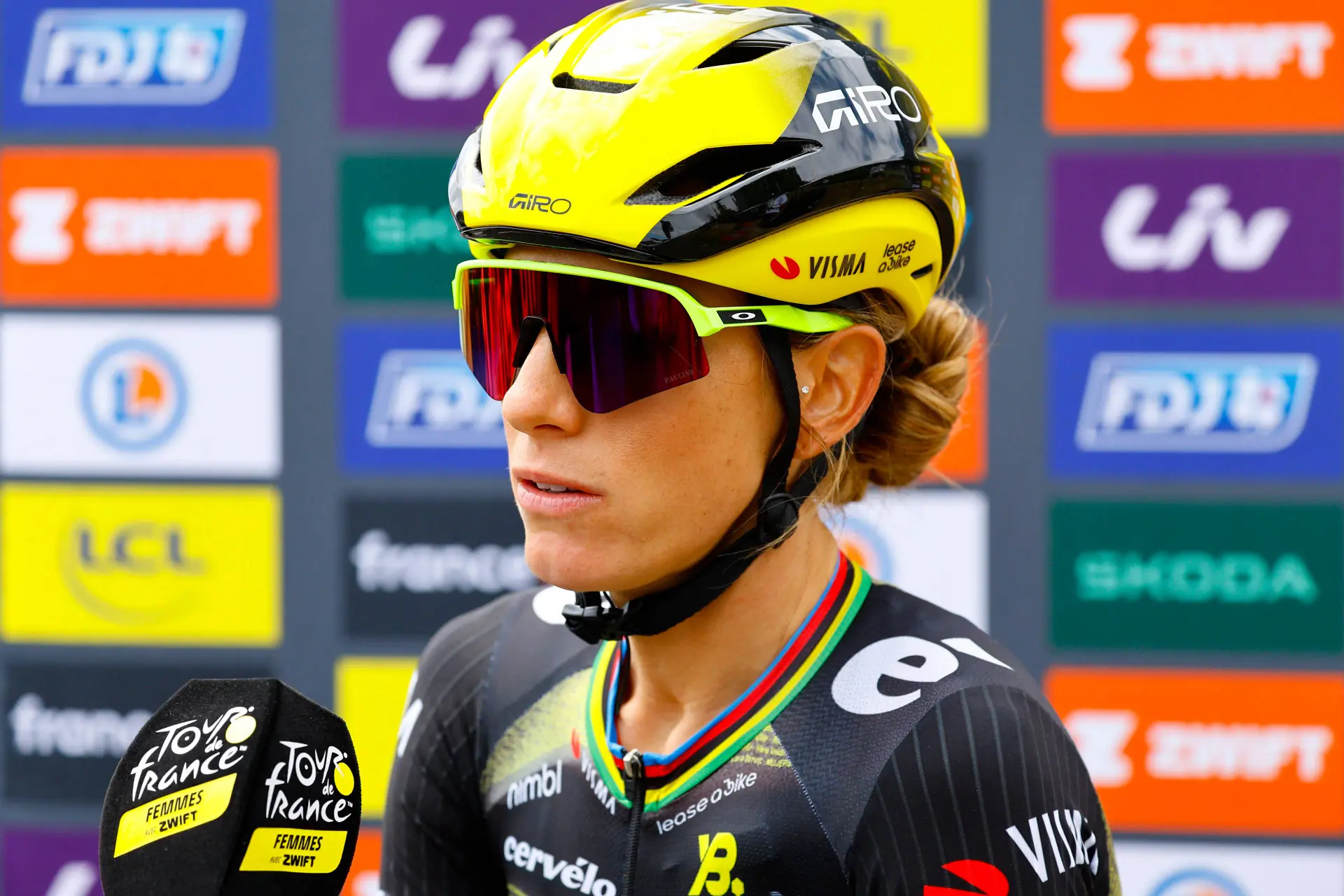
That focus on Gigante, a threat
earlier in the race but one that had clearly faded by the final stage, left
Ferrand-Prévot largely unchallenged. As Zonneveld pointed out, the final climb
offered a rare opportunity. Vollering, known for her sprinting power, might
have been able to win the stage and take back time in a final kick. But
instead, she went solo.
"The way for Vollering to win
the stage was in a sprint. She's done some good sprints this week,"
Zonneveld said. "What Vollering does then... not wait for a sprint, but
goes for it herself on the last climb. I just don't get it. I think Ferrand-Prévot
thought: okay, I can do this too. I can still push it a bit harder. Truly
incredible."
Zonneveld believes Ferrand-Prévot
showed signs of fatigue in the closing kilometers, opening the door for a
possible upset had FDJ – Suez played it differently. "I don't think
Ferrand-Prévot was as good as yesterday; she was really exhausted in the final
kilometers," he noted. "There was a good opportunity to beat her in
the sprint, but I just don't understand how you can think like that. And I
don't understand why, as team management, you play it any other way."
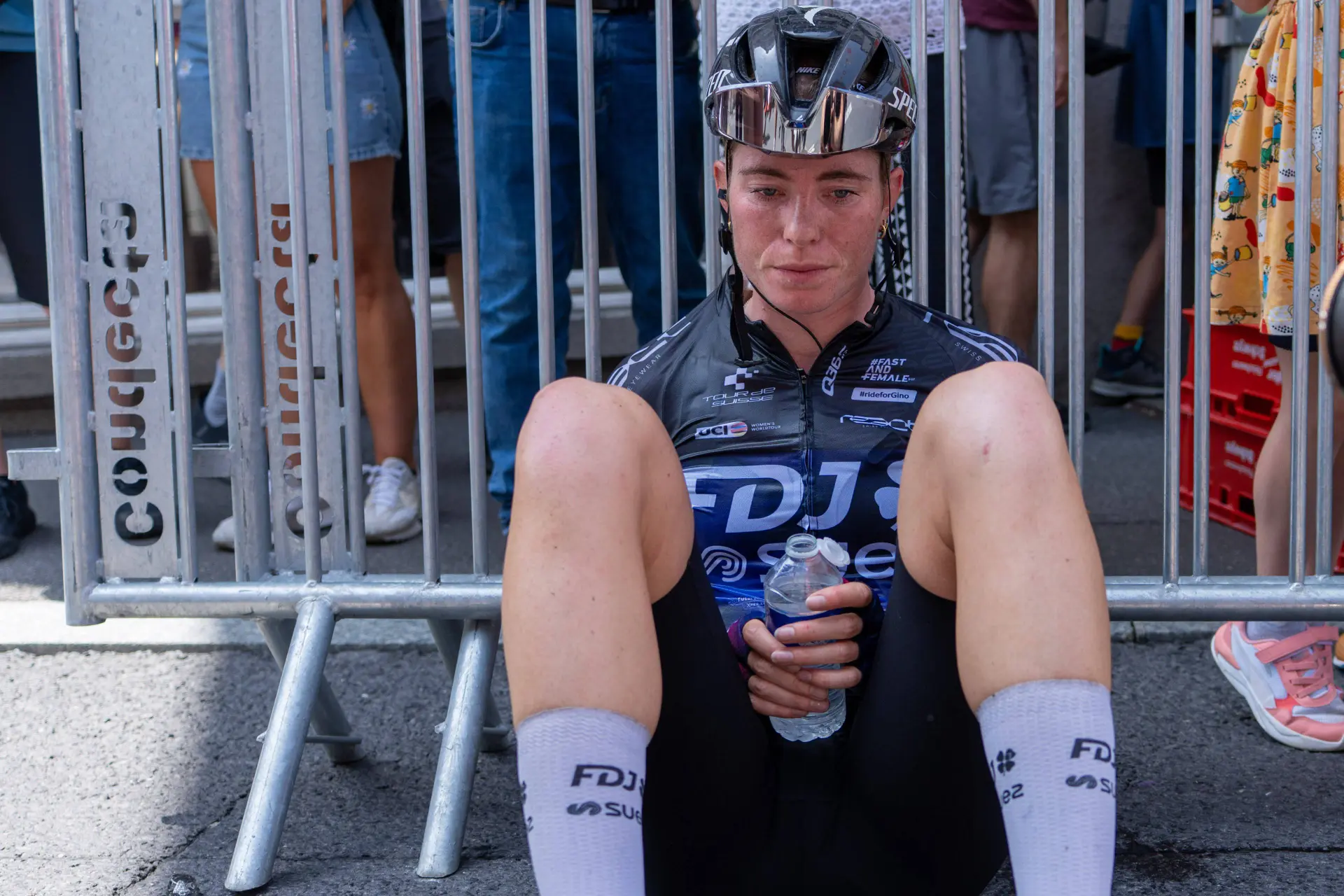
FDJ – Suez came into the Tour with
one of the most well-rounded teams in the race, yet walked away without a
single stage win. While they did win the mountain and team classifications,
Zonneveld was clear that the results don’t reflect their potential. "I
find it unbelievable how FDJ - Suez rode this week and how little they did with
the numerical advantage they had in many stages," he said. "They
didn't win a stage. Ultimately, they finished second in the Tour and in several
stages, and won the mountain classification and team classification, but for
the by far best team in the Tour, I think that's not enough."
The problems, he says, are not
new. “If I were them, I'd go back to the drawing board,” he concluded. “I think
these are truly huge mistakes, and it's not the first time.”
What should have been a coronation
for FDJ – Suez, a Tour built around their biggest signing, ended with a string
of tactical errors and a team that looked reactive rather than ambitious. While
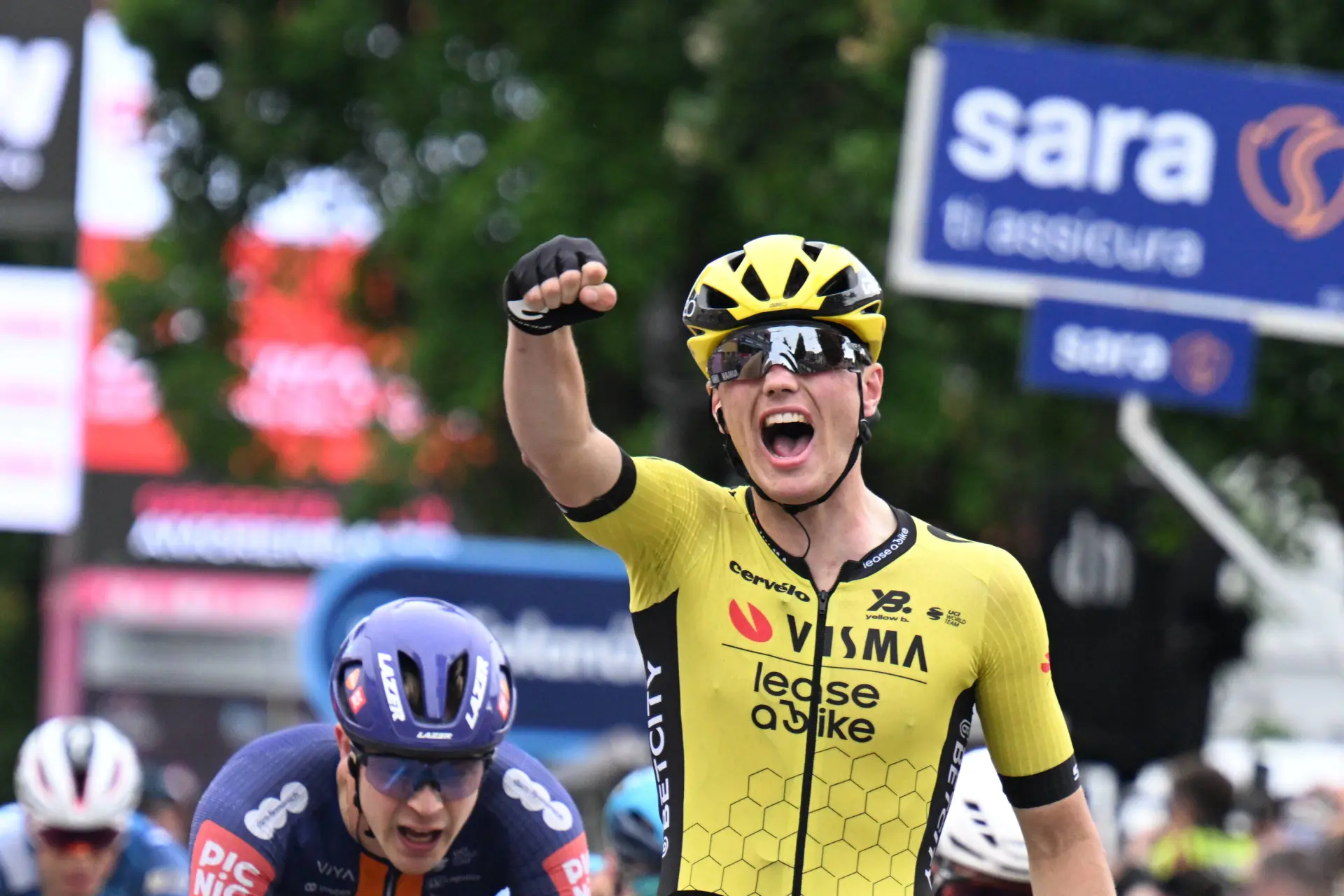
Ferrand-Prévot delivered a defining win for Team Visma | Lease a Bike, FDJ - Suez
and Vollering left with only unanswered questions.
Read also

Fin MajorCycling Journalist
Fin Major is a UK-based writer at CyclingUpToDate and has been part of the team since 2024. He is the site’s main writer for FAQs and evergreen explainers and has written around 2,000 pieces for the platform. Alongside this work, he focuses on in-depth analysis and covers the biggest races on the calendar, including the Tour de France, the Giro d’Italia, and La Vuelta a España, providing clear context around performance trends, tactics, and key storylines.
In his reporting, Fin uses reputable data sources such as ProCyclingStats for results, statistics, and historical context. He places strong emphasis on careful sourcing, editorial accuracy, and updating articles promptly when new, verified information becomes available. Outside of writing, Fin is an active cyclist, which supports his practical understanding of the sport and its demands.
claps 1visitors 1
Just in


Popular news
Latest comments
- He should have been allowed to go to Movistar. Right now both arent a good fit for each other and are just wasting each other's time and effortabstractengineer08-11-2026
- Thibau Nys does exactly what Iserbyt is calling for
 Rafionain-Glas08-11-2026
- i did not see it. was the relegation justified or an overly hard decision? and don‘t cross riders deviate from straight lines all the time? bumping into each others when they cut corners, etc … why being more strict with the rules on the finish sprint?Ketterechts08-11-2026
- seems like we are advertising the website with pointless comments…Ketterechts08-11-2026
- So?Jumpyjohn08-11-2026
- The UCI do have their favorites.
 Front24208-11-2026
- On a positive note, you maybe notice turning this topic into a discussion has the benefit of eliminating certain participants who do not see how they can turn it back to their sole interest ;-)Jumpyjohn08-11-2026
- People see what they want to. I am actually the opposite of your accusation, probably more of a rebel than most of you who don’t get the big picture. The difference is, I don’t go moaning publicly about the consequences of my transgressions, I understand the need for rules and I take my OWN responsibility when deciding to ignore or break them or doing so involuntarily. I will also not hesitate to state my case or argue vehemently when relevant, sometimes it works, sometimes it makes things worse but that’s the price to pay for principles and having character.Jumpyjohn08-11-2026
- That may be but that was unknown to others and nothing says that’s the whole truth. Again, don’t try to misinterpret, it is a call and technically it is correct. Besides, even if there is a valid reason, that does not disqualify the ruling or punishment as far as the rules have been developed. I don’t think they’re as far as in football where for handball there is a distinction (in some ways and specific cases) between intentional or not. And football can be just as harsh and people live with it, eg the offside rule, also judged to within tiny fractions but often wrong or ignored. It’s the nature of every collective organisation and sometimes I wonder if our rebellion against it isn’t seated in the feelings we carry from the injustices we’ve felt personally, like being flashed driving 1km/h too fast when we are explained limits are just a security measure but we are absolutely certain not to have endangered anyone with our transgression. The problem is, nobody has better solutions and no 2 people have the same interpretation of where a limit should be.Jumpyjohn08-11-2026
- Because for you deviated implies the other rider MUST have been made to fall and fail to finish ??? I don’t know if you ride a bike but next time someone carves you up or drives dangerously close, just hold back from those feelings of changing something, reporting or filming or even complaining. Everyone will just say, hey you’re still here undamaged, doesn’t seem like anyone did anything.Jumpyjohn08-11-2026
Loading
3 Comments