“Cycling was hard in my day... I look at him and it's not hard” - Anti-doping whistleblower Paul Kimmage challenges Tadej Pogacar's claim that most riders are clean
Cycling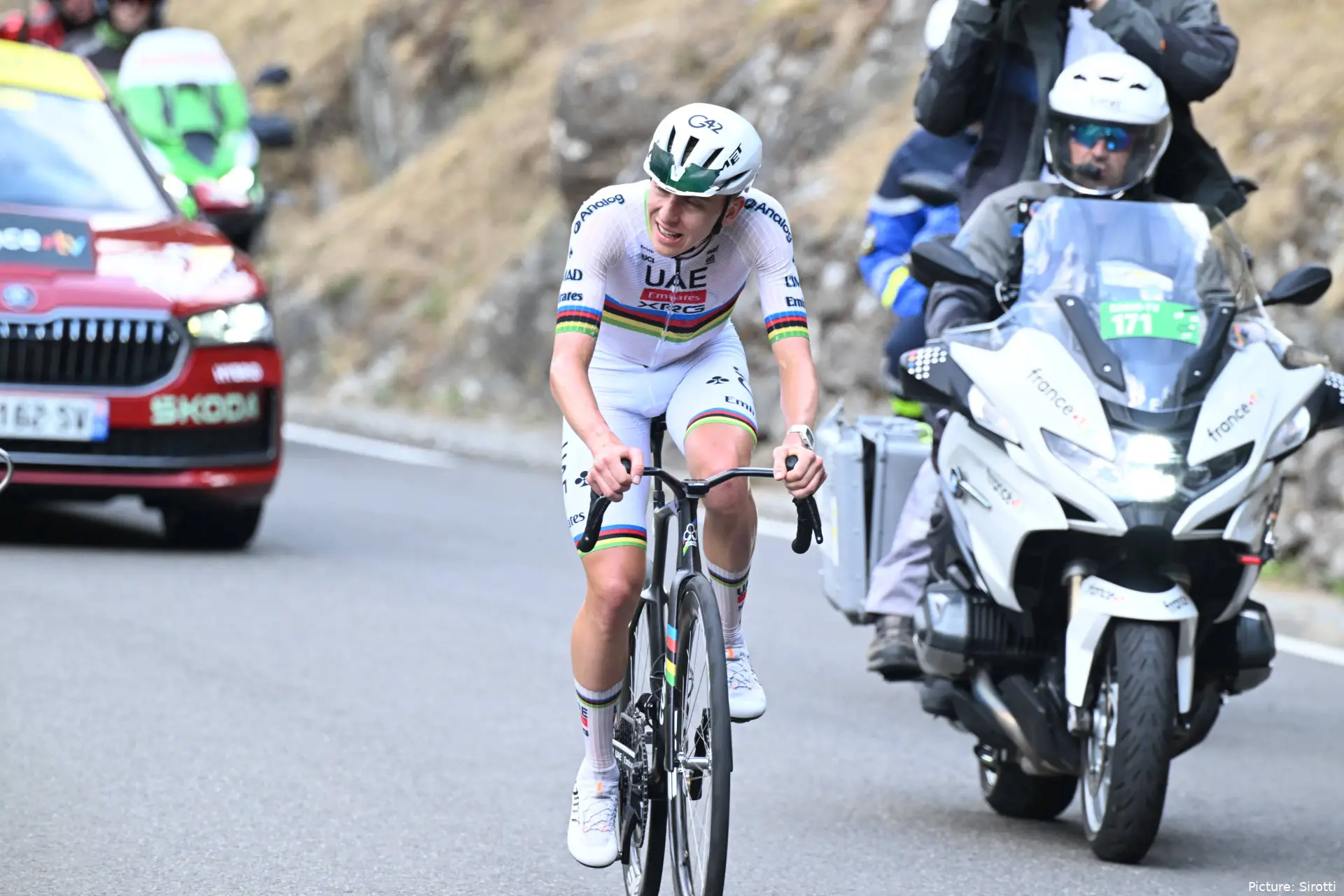
Paul Kimmage has spent much of the last 36 years asking uncomfortable questions of cycling's biggest stars. Having watched Tadej Pogacar sweep aside his rivals in the Classics and Grand Tours, the Irishman has admitted he struggles to understand how the Slovenian makes racing at the highest level look so easy.
Now, following Pogacar's assertion that doping is virtually non-existent among the majority of today's professional cyclists, Kimmage has challenged the five-time Tour de France winner to speak to UAE Team Emirates – XRG boss Mauro Gianetti about his experiences in the sport.
A professional between 1986 and 1989 before lifting the lid on cycling's doping culture in his autobiography Rough Ride, Kimmage recalled watching Pogacar on one of the most famous climbs in the Ardennes.
"There's so much about cycling now I don't understand," the Irishman told the road.cc Podcast. "I don't understand Pogacar. I look at him in Liege-Bastogne-Liege and he's riding up La Redoute sitting in the saddle, not even opening his mouth to breathe. Cycling was hard in my day when I raced. I think it's still hard. I look at him and it's not hard."
Kimmage takes issue with Pogacar's comments on doping
Pogacar had been asked about doping in an interview with La Gazzetta dello Sport earlier this week, following a Tour de France in which both he and Jonas Vingegaard were subjected to exceptional anti-doping controls authorised by a French judge.

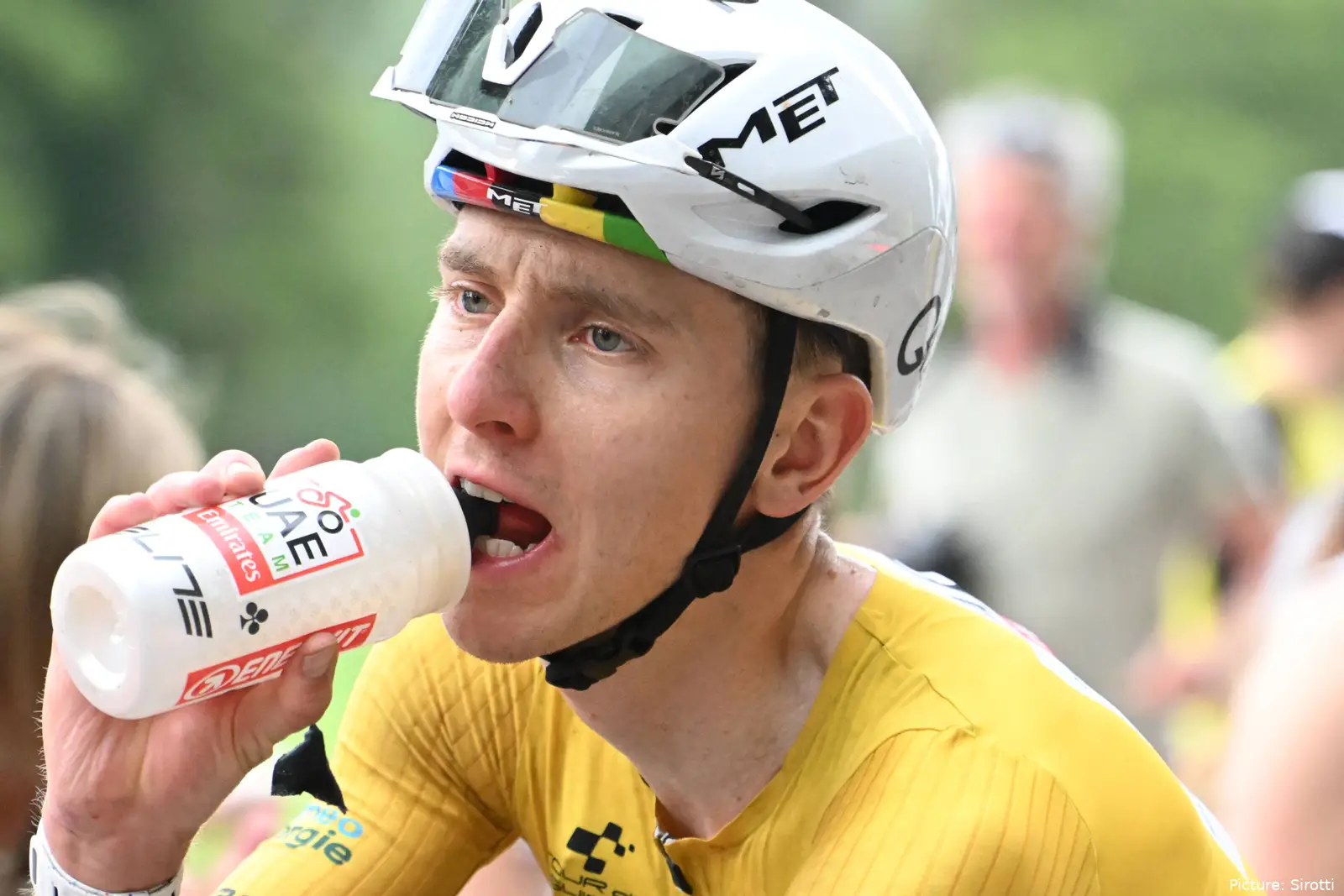
Pogacar recently claimed he was sure that: "doping doesn't exist now for the majority of the peloton"
The world champion spoke of his confidence in his fellow professionals, arguing that the commitment required to make it in modern cycling and the opportunities available to riders after retirement made doping a risk that most were unwilling to take.
"Yes, you can be sure, doping doesn't exist now for the majority of the peloton. You race with your heart and with the right mentality," Pogacar said. "We all know that prohibited, banned substances can damage your health. And, at the same time, cycling is a sport and no one wants to risk their life for it. Of course, there will always be someone who tries to take a shortcut… But in any case, I've met so many riders over the years, everyone loves cycling, the sport."
Pogacar went on to discuss the attention paid to nutrition, training and recovery by modern professionals, suggesting few would be willing to throw away years of work and jeopardise their future careers in the sport. His remark about riders caught doping ending up selling ice cream had already drawn a response from lifetime-banned Italian climber Riccardo Ricco.
Kimmage's response centred on the man who was managing Ricco at Saunier Duval when the Italian tested positive for CERA at the 2008 Tour de France.
"Can I counter that by asking him who his team manager is and what his experiences are? Has Mauro Gianetti come and spoke to him?" Kimmage asked. "If he frames that answer he's given there as, 'I know from the experiences of my general manager Mauro Gianetti that doping was a really dangerous game, that people did this, and I'm not prepared to do it'. He could have framed it in that way and given it context. Not presenting it like, why would you ever do this? When that's all that's ever been done, going back to [Tom] Simpson and all that."
Simpson died on Mont Ventoux during the 1967 Tour de France, with amphetamines and alcohol among the contributing factors in his death.
Pogacar quiz for cycling experts
10 questions · ≈ 5 min · 168 players
to compete in the ranking.
From Saunier Duval to UAE: Gianetti's history in professional cycling
Gianetti was nearing the end of his professional career when the Festina affair rocked the 1998 Tour de France. Three years earlier, the Swiss had won both Liege-Bastogne-Liege and the Amstel Gold Race, riding for Polti.
Speaking to L'Equipe during this year's Tour, Gianetti denied ever using EPO during his career. He declined to discuss his hospitalisation at the 1998 Tour de Romandie, describing it as a personal matter.
As a team manager, Gianetti saw Saunier Duval withdraw from the 2008 Tour following Ricco's positive test. Leonardo Piepoli, who had crossed the line first on Hautacam just three days before Ricco's expulsion, also tested positive for CERA.
Another member of that Saunier Duval squad, Juan Jose Cobo, went on to win the 2011 Vuelta a Espana under Gianetti at Geox-TMC. The Spaniard was stripped of his title by the UCI in 2019 following abnormalities detected in his biological passport.
Gianetti addressed his association with all three riders in his L'Equipe interview in July, denying involvement in their doping offences and maintaining that their actions had cost him sponsors and damaged his reputation.
"I made the mistake of taking them in my team," said the Swiss, who acknowledged that he should have been clearer with the press at the time. He also explained that he had asked Ricco to undergo testing with the UCI before recruiting him.
According to Gianetti, the governing body provided documentation confirming that Ricco had a naturally occurring haematocrit level above 50 per cent. Gianetti also said he had filed a complaint in Italy against the riders he held responsible for the damage done to his team.
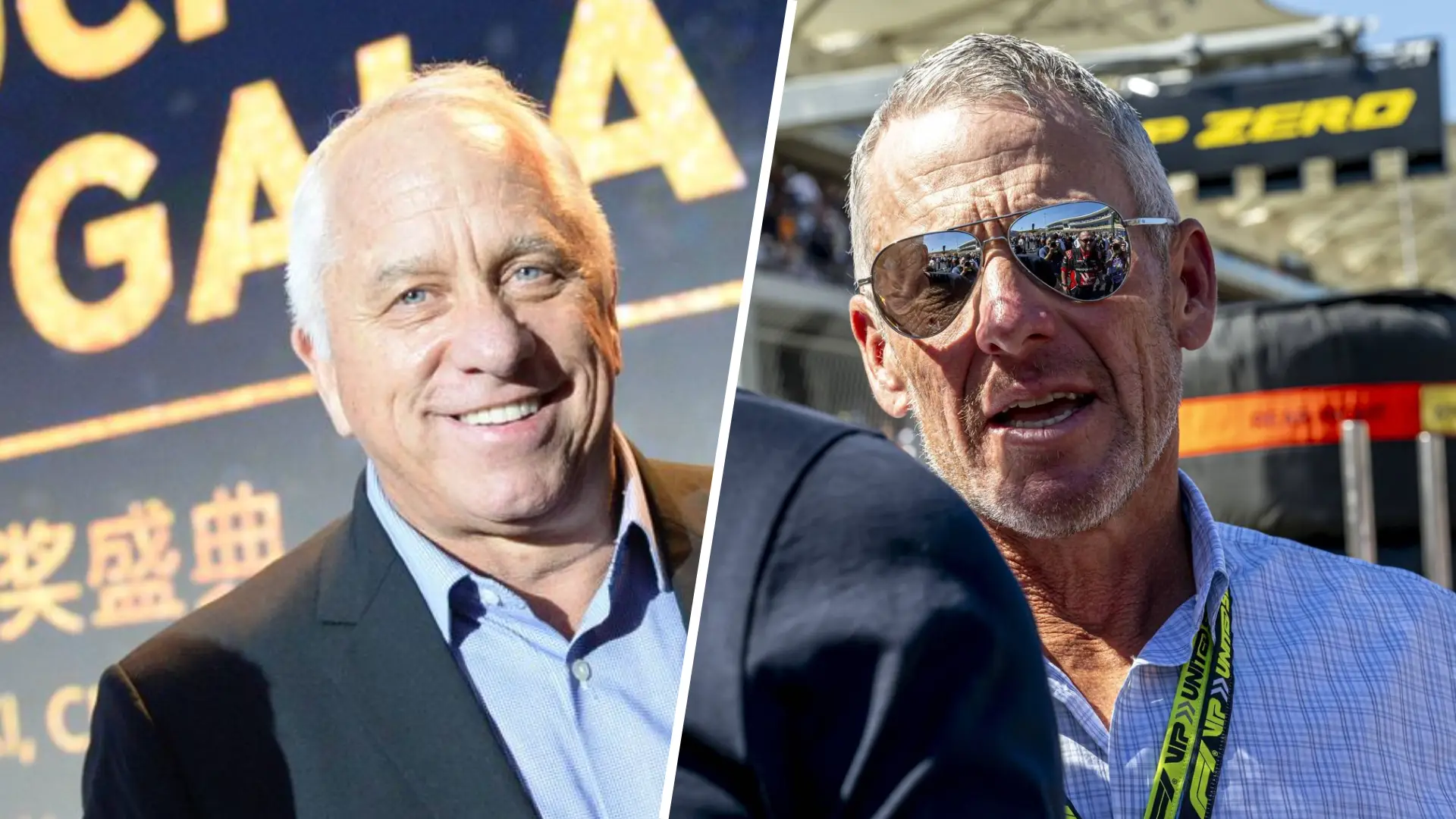
Kimmage is not alone among former professionals in questioning the continued presence of figures from that generation in senior positions within cycling. Christophe Bassons, one of the few riders who publicly spoke out about doping during the Lance Armstrong era, raised similar concerns about Pogacar's entourage in October.
Neither Kimmage nor Bassons has presented evidence of an anti-doping violation by Pogacar, who has never been sanctioned for a doping offence.

Mauro Gianetti previously claimed he had no role in the mass doping that occurred at the former Saunier Duval team
Kimmage believes Froome, Wiggins and Thomas should have invited scrutiny
Just three months after Bradley Wiggins became the first British winner of the Tour de France in July 2012, Armstrong was stripped of all seven of his Tour titles following the United States Anti-Doping Agency's investigation into US Postal Service.
British riders went on to win five of the next six editions of the Tour through Chris Froome and Geraint Thomas, with Vincenzo Nibali's victory in 2014 the only interruption to Team Sky's dominance.
For Kimmage, the emergence of a new generation of Tour winners offered cycling an opportunity to change the way its leading riders dealt with questions about their performances.
"I wanted to see Chris Froome, Bradley Wiggins, Geraint Thomas, the whole lot of them, walk into press conferences and raise their hands and say: 'before we start, I want you to ask me about doping and any questions you may have about performance and what I've just done'," he said. "That's what should have happened immediately after the Armstrong era. You're actually inviting scrutiny, that's what should have happened. But it didn't."
Kimmage had famously clashed with Armstrong at a press conference ahead of the 2009 Tour of California, when the American was making his comeback from retirement. Three years later, Kimmage himself faced legal action from the UCI and its former and then-serving presidents, Hein Verbruggen and Pat McQuaid, over his criticism of the organisation's handling of doping.
The action was suspended in October 2012 following the publication of USADA's findings against Armstrong.
Gianetti points to advances in equipment and nutrition behind modern cycling speeds
During the final week of this year's Tour de France, Pogacar took more than a minute off Marco Pantani's 1995 climbing record on Alpe d'Huez, winning stage 19 in the yellow jersey.
Gianetti was asked about the speeds being reached by the modern peloton during an interview with road.cc that same week. While the Swiss acknowledged the extent of the improvement over the previous five years, he attributed it to developments in several areas beyond the physical capabilities of the riders themselves. "The two main points for me are the material – the bicycle – and the nutrition," Gianetti said at the time.
Tyre pressures, wheels, frames, clothing, helmets and riding position were all among the improvements identified by the UAE boss. Gianetti also pointed out that the advances were not exclusive to Pogacar, citing how at least 10 riders had bettered a previous climbing time set by Vingegaard on the Col du Tourmalet.
Some of the climbing performances behind the debate
| Race | Climb | Performance |
| 2024 Tour de France | Plateau de Beille | Pogacar wins stage 15, surpassing Pantani's climbing record |
| 2026 Liege-Bastogne-Liege | La Redoute | Pogacar's seated climbing singled out by Kimmage |
| 2026 Tour de France | Col du Tourmalet | Gianetti cites multiple riders bettering Vingegaard's previous time |
| 2026 Tour de France | Alpe d'Huez | Pogacar takes over a minute off Pantani's 1995 record |
The UAE boss also highlighted how riders of his own generation had frequently under-fuelled both in training and competition, whereas the modern approach to nutrition allowed professionals to better sustain their workloads.
Pogacar made much the same argument when discussing his confidence in the current peloton with Gazzetta earlier this week, pointing to the work done by riders and their coaches and the consequences of potentially losing everything they had built through doping.
Read also

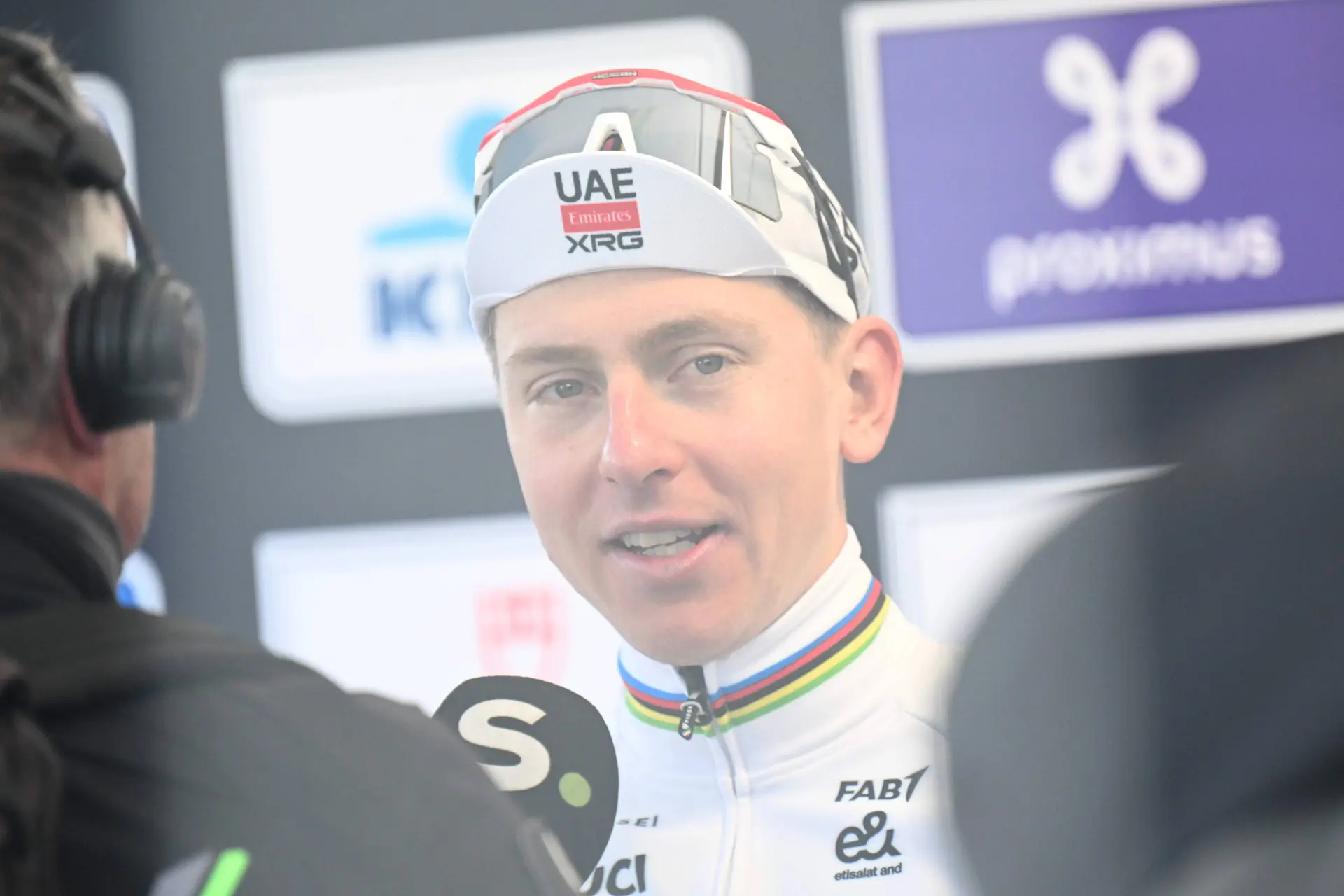
The testing programme itself came under scrutiny during the Tour when both Pogacar and Vingegaard were woken in the early hours of the morning for anti-doping controls. Pogacar expressed his willingness to undergo such tests, although he questioned the potential impact on riders' recovery.
The UCI defended the exceptional controls in a statement on 22 July, with president David Lappartient subsequently arguing that predictable testing windows could be exploited by riders looking to cheat. No positive test or anti-doping violation involving Pogacar has been publicly announced as a result of those controls.
Kieran WoodDeputy Editor-in-Chief
Kieran Wood is a sports journalist based in Wales and has been active in journalism since 2022. He regularly contributes to DartsNews.com and CyclingUpToDate.com, where he covers professional cycling and darts. In cycling, his work includes liveblogs from major races, including the Tour de France, the Giro d’Italia, and La Vuelta a España, alongside race reports and analysis. He has also conducted interviews with professional riders.
His reporting spans the full racing calendar, from one-day classics to stage races, with a focus on accurate, real-time coverage and clear contextual analysis. For statistics, results, and historical context, he regularly uses resources such as ProCyclingStats. To support reporting on rider activity and training context where relevant, he also references Strava.
In his work, Kieran places strong emphasis on careful sourcing, editorial accuracy, and updating articles as new, verified information becomes available.
claps 1visitors 1
Just in
Popular news
Latest comments
- I don''t know if they're doping, and I'm not sure I care. I almost stopped watching the sport in the early 2000's because I couldn't enjoy a race without wondering if the performances are real. So I decided I liked watching bike races more than I cared about the doping. There is, however, reason to believe that Pogacar is right. Besides the insane speeds today, I don't see any of the usual evidence of a heavily doped peloton that we saw in the 90's and 2000's. We're not seeing unknown riders suddenly winning big races. We're not seeing ridiculous sights like George Hincapie winning the queen stage at the 2005 Tour. We're not seeing largely Classics riders suddenly turning into the greatest GT rider of his generation(cough, Armstrong, cough) One of the problems with EPO especially was it levelled up the peloton, so we saw hard Monuments with intact pelotons 10kms from the finish. Roleurs were suddenly climbers etc. Now the best riders win, either alone or in a small group of elite riders, just like it was before EPO. As far as the speeds go, even though we all scoff at the claims of tech and training improvements, that is true. Training programs even from half a decade ago are badly outdated. The riders are far, far lighter than they've ever been. The big thing though, and I don't see this spoken about at all, is the riders are arriving at races perfectly prepped and fresh. With the exception of the rare top rider going for the double, we're not seeing riders arriving at the Tour with the Giro and the Dauphine and the Tour de Suisse in their legs. Pogacar did the classics and Romandie, and then he buggered off for altitude training. Evenepoel spent over two months at altitude, arriving perfectly prepared and fresh. If you go back to pre-EPO days, look at LeMond in '86. He started racing in February, did all the classics including Roubaix, rode the Giro and finished 3rd, did the Dauphine and Tour de Suisse(I think), then the Tour, Worlds, and the old Coors Classic. All of those were raced hard and raced to win. There were no tune-ups, nothing, just hard racing for almost 9 months. Do you think he was ever fresh? Now they can all target and prep for individual races or race blocks. That has never happened in the history of the sport, and people are surprised the guys are crazy fast? I don't know if they're doping, maybe I'm just gullible or delusional. But to say there's no reason to think that the peloton is largely clean is absurd. Sorry for the long comment.megasmacky27-11-2026
- let Quinn attack. it takes pressure off Mads. One of the other big players - MVDP, Tadej, WVA - will track him down. Or the team will. And Mads can profit off their work. the mano a mano thing isn't working out too well for Mads. He is winning huge races, but no monuments yet.mij27-11-2026
- I had kids later. To me, children are such a blessing, there is no wrong time to have children.mij27-11-2026
- if it is unfair to compare the # 1 riders across generations, it is equally unfair to compare #'s 2 - 10. this is indeed a golden time for road racing. I just love watching racers race rather than the boring Team Sky mountain train days. and the days of "I'm a Grand Tour guy, so I don't do Flanders" and Flanders winners only looking for stages. I remember when Tadej first said he was going to race Flanders many pundits were like "WTF, he is a grand tour rider". Redefining the sport (or going back to what it used to be) as he has done makes Tadej a great rider for sure.mij27-11-2026
- dream on, QS. when mads starts at a classic, the team will ride for him. if you don't accept that ... so be it. but then you might need to accept a no-start at the next classic.Ketterechts27-11-2026
- Hope he is given free rein. Great and underated rider who should be given leadership with team. The amount of times he has worked his socks off for other winners. Pedersin would not have won the jersey or stage if QS had been allowed to attack. Pederson is a classics guy where QS can adapt to all classics and stage races.paultryan200227-11-2026
- proof readers were fired a long time ago ...Ketterechts27-11-2026
- There’s no way he’s missing 2027 Worlds! Not by choice anyway!Lozza27-11-2026
- You all know what the funny thing is? When Pogi won the Tour in 2020 and started getting better and better, everyone was saying, the media and the cycling experts, that Pogi faces much bigger competition in this era of cycling than Merckx did in his. Pogi's main rivals were and still are: Jonas Vingegaard, Primož Roglič, MVDP, V. Aert, Remco... today also Seixas. But then somethind happened; in 2024 the "improved version" of Pogi came out and started beating everyone. He was beating his strongest competition and because of that... oh, Pogi suddenly doesn't have strong competition anymore???? Hey Merckx, stop your BS crap, stop finding new excuses against Pogi and admit that he's the biggest athlete, not only cyclist, that ever lived on our planet. Ad acta!!!PogiSloFans27-11-2026
- Kalender skillzMidnightRider27-11-2026
Loading
1 Comments