Clasica San Sebastian 2026 preview, stages, favourites & predictions - Will Remco Evenepoel carry golden Tour de France form to victory?
Cycling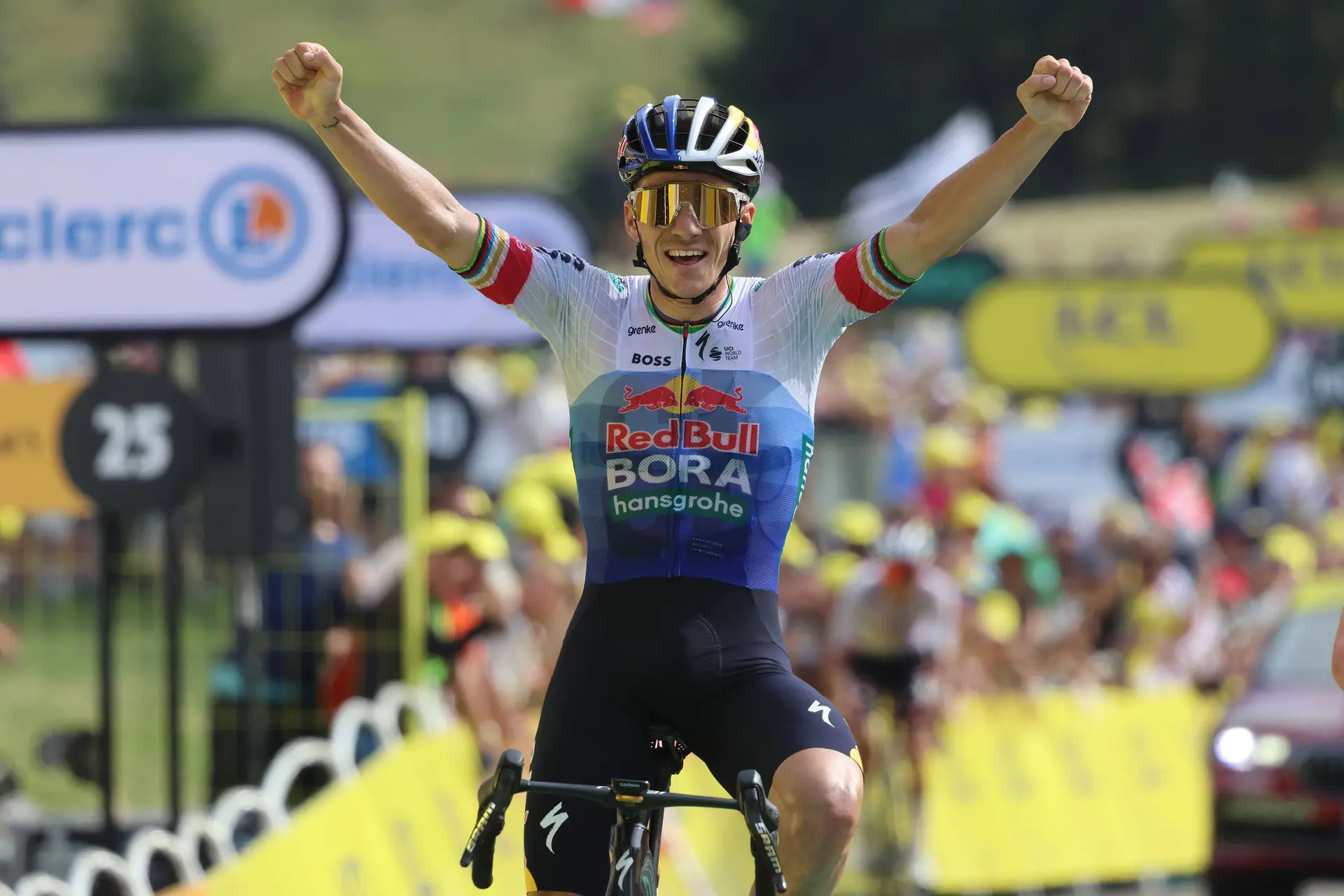
The Basque cycling summer hits one of its peak moments with the Clásica San Sebastián, one of the most prestigious and selective one-day races on the international calendar. The Basque race, part of the UCI WorldTour calendar, will once again bring together on the 1st of August some of the leading figures in the peloton - barely a week after the Tour de France ends. We preview the race ahead.
The Donostia Klasikoa has established itself over recent decades as a major classic for climbers and stage racers. Relentless gradients, sinuous roads, and a route packed with climbs make it an ideal arena for the most complete and attacking riders in the peloton. This year’s course preserves the essence that made the race famous.
Riders face 221,1 kilometres starting and finishing in San Sebastián, with almost 4300 meters of elevation gain and seven categorized climbs. The race was created back in 1981 and was first won by Marino Lejarreta - who also doubled down on his first triumph once again in 1982.
The race quickly gained international traction, and in 1985 none other than Adrie van der Poel was the winner here. Big names such as Miguel Induráin, Claudio Chiapucci, Lance Armstrong and Davide Rebellin are part of the official list of winners in the 1990's, a mix of Grand Tour and classics specialists - one that has continued to remain notable until current day.
Laurent Jalabert, Alejandro Valverde, Paolo Bettini and Philippe Gilbert are some of the most notable winners entering the new century, but recent years have also seen big names such as Julian Alaphilippe and Remco Evenepoel win. The Olympic Champion has won it on three occasions (2019, 2022 and 2023). Giulio Ciccone won it in 2025 with a solo attack on the final ascent.
Preview Clásica San Sebastián 2026
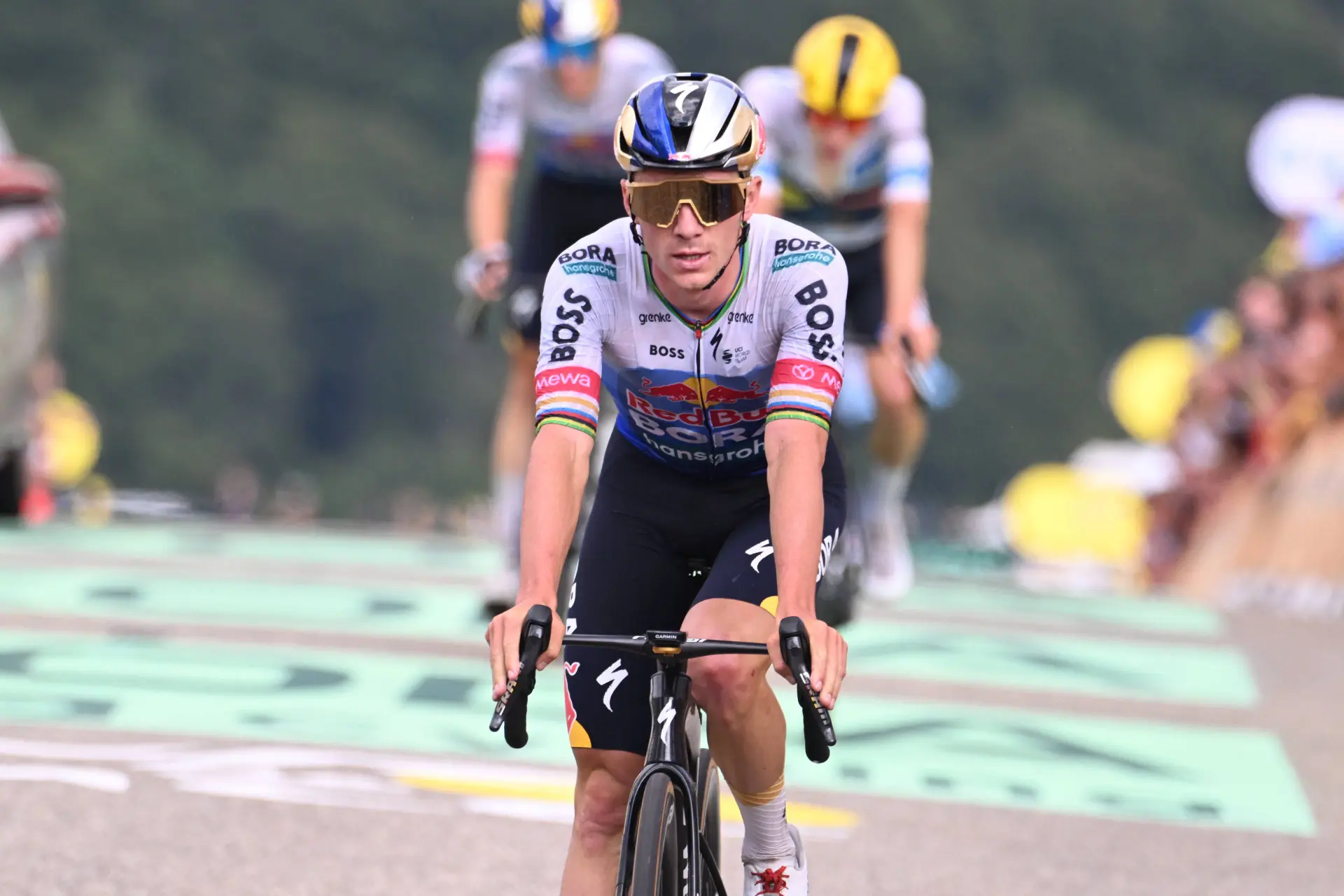
Remco Evenepoel - This is no one's race to lose; however, after seeing the level that Remco Evenepoel finished the Tour de France with, it's hard to argue someone will beat him if he is on a good day. A former winner here on several occasions, a rider well suited to both short and longer efforts, and a thin Evenepoel who is here with Tour de France weight and also ended the Tour with incredible form. Giulio Pellizzari and Maxim van Gils should be able to launch him perfectly, and the team will not be caught by surprise at any point with so many top riders.
UAE - Red Bull do have to make a big push on the larger climbs, because UAE have a danger man in their roster. Jhonatan Narváez went into the Giro d'Italia without racing and was in terrific form, and so the same may happen. UAE have Jan Christen here, second last year, also present - and a team with several strong cards to play.
Lidl - Giulio Ciccone won this race last year and has the perfect combination of thriving on the longer climbs but also having that explosivity. The Italian is a perfect rider for a race like this and also has a strong sprint, but just like Red Bull, the German team has a very strong collective. Bauke Mollema and Derek Gee will aid his chances.
But the field is just so strong. It is inevitable that the race will blow up on Erlaitz because there are several pure climbers present who simply have to make their bid there, even if the main favourites don't. You look at Felix Gall, Carlos Rodríguez, Mikel Landa, Enric Mas... That's where they can play their cards and fight for a top result.
Richard Carapaz is a last-minute addition to the startlist and, with the form he ended the Tour with, a major favourite to take the win and perhaps Remco Evenepoel's biggest rival.
But Evenepoel, Martínez, and Ciccone will want the same as well. When it comes to climbers, we should also take into consideration Luke Plapp, Alex Baudin, Ben Tulett, Matteo Jorgenson, Afonso Eulálio, Pello Bilbao, Ilan van Wilder, Ion Izagirre, Javier Romo, and Diego Pescador.
This is still a hilly classic, though at the end of the day some puncheurs may survive Erlaitz to then still fight for a good result. Mauro Schmid, Tom Gloag, Christian Scaroni, Marc Hirschi, Clément Champoussin, Ben Healy, Alex Aranburu.
Prediction Clásica San Sebastian 2026:
*** Remco Evenepoel, Richard Carapaz
** Jhonatan Narváez, Giulio Ciccone, Mauro Schmid
* Maxim van Gils, Jan Christen, Felix Gall, Ben Tulett, Matteo Jorgenson, Christian Scaroni
Pick: Remco Evenepoel
How: Sprint win against Carapaz.
Profile: San Sebastián - San Sebastián
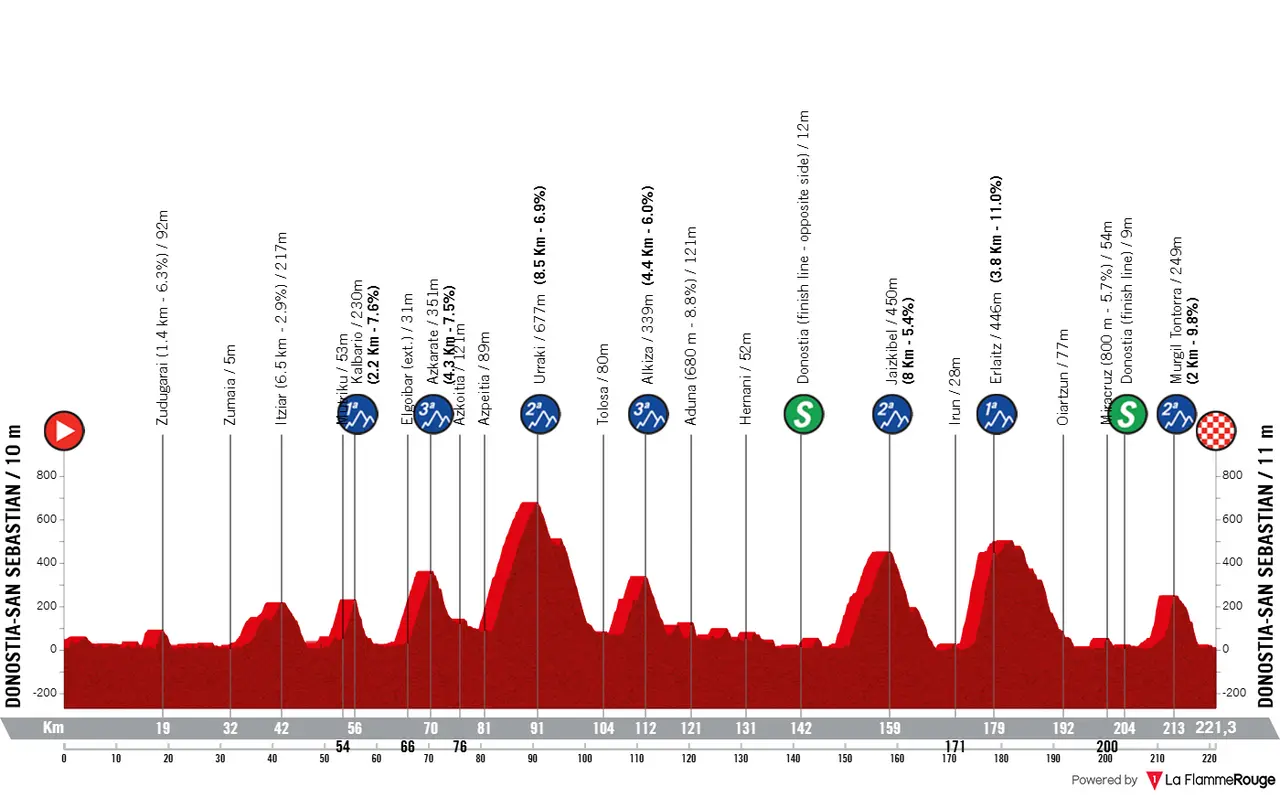
San Sebastián - San Sebastián, 221.3 kilometers
The climbs of the Clásica San Sebastián
The opening phase will load fatigue into the legs. After leaving Donostia, the peloton will head towards the Gipuzkoa coast before tackling the first mountain tests. The first categorised climb is the Alto de Kalbario (2,2 km at 8 %), at kilometre 55,9. Soon after comes Azkarate (4,2 km at 7,3 %), a longer, tougher ascent that will begin to thin the main group.
The first major obstacle is the Alto de Urraki, second category, 8,6 kilometres at 6,9 %. Traditionally this climb hardens the race and strips many favourites of teammates. After the descent, the peloton takes on Alkiza (4,4 km at 6,2 %), before a long, relatively favourable stretch that leads back towards the Gipuzkoa capital.
As almost every year, the Clásica San Sebastián will be decided on the day’s two key ascents. With 62 kilometres to go, the legendary Jaizkibel appears, a 7,9-kilometre climb at 5,6 % that has long been a springboard for major attacks. Its gradients are not extreme, but accumulated fatigue and the proximity to the finish make it a strategic point.
With barely any time to recover, the race heads to the chief arbiter of the 2026 edition: Erlaitz.This first-category ascent offers 3,8 kilometres at an average of 10,6 %, making it one of the steepest walls on the WorldTour calendar. Its ramps usually create major gaps and leave the race completely shattered. From the summit, a little over 45 kilometres remain to the San Sebastián finish, ideal terrain for long-range attacks and tactical moves.
When many think the race is settled, one last obstacle remains: the Murgil wall. The final climb is 2,1 kilometres at 10,1 % and returns as the last big filter before the drop back into Donostia. Its explosive ramps have hosted some of the race’s most memorable recent attacks and could decide the win again.
After the summit, only eight kilometres remain. The blend of more than 4250 meters of elevation, seven categorized climbs, and an explosive finale once more makes the Clásica San Sebastián a perfect battleground for attacking climbers, puncheurs, and Grand Tour contenders.

Remco Evenepoel might be the main favourite to win the Clásica San Sebastian
List of winners Clásica San Sebastián
| Year | Winner | Second | Third |
| 1981 | Marino Lejarreta (ESP) | Graham Jones (GBR) | Faustino Rupérez (ESP) |
| 1982 | Marino Lejarreta (ESP) | Jesús Rodríguez Magro (ESP) | Pedro Delgado (ESP) |
| 1983 | Claude Criquielion (BEL) | Antonio Coll (ESP) | Reimund Dietzen (GER) |
| 1984 | Niki Rüttimann (SUI) | Reimund Dietzen (GER) | Celestino Prieto (ESP) |
| 1985 | Adrie van der Poel (NED) | Iñaki Gastón (ESP) | Juan Fernández Martín (ESP) |
| 1986 | Iñaki Gastón (ESP) | Marino Lejarreta (ESP) | Juan Fernández Martín (ESP) |
| 1987 | Marino Lejarreta (ESP) | Ángel Arroyo (ESP) | Fede Etxabe (ESP) |
| 1988 | Gert-Jan Theunisse (NED) | Enrique Aja (ESP) | Steven Rooks (NED) |
| 1989 | Gerhard Zadrobilek (AUT) | Francisco Antequera (ESP) | Tony Rominger (SUI) |
| 1990 | Miguel Induráin (ESP) | Laurent Jalabert (FRA) | Sean Kelly (IRL) |
| 1991 | Gianni Bugno (ITA) | Pedro Delgado (ESP) | Maurizio Fondriest (ITA) |
| 1992 | Raúl Alcalá (MEX) | Claudio Chiappucci (ITA) | Eddy Bouwmans (NED) |
| 1993 | Claudio Chiappucci (ITA) | Gianni Faresin (ITA) | Alberto Volpi (ITA) |
| 1994 | Armand de Las Cuevas (FRA) | Lance Armstrong (USA) | Stefano della Santa (ITA) |
| 1995 | Lance Armstrong (USA) | Stefano della Santa (ITA) | Johan Museeuw (BEL) |
| 1996 | Udo Bölts (GER) | Stefano Cattai (ITA) | Massimo Podenzana (ITA) |
| 1997 | Davide Rebellin (ITA) | Alexandr Gonchenkov (UKR) | Stefano Colagè (ITA) |
| 1998 | Francesco Casagrande (ITA) | Axel Merckx (BEL) | Leonardo Piepoli (ITA) |
| 1999 | Francesco Casagrande (ITA) | Rik Verbrugghe (BEL) | Giuliano Figueras (ITA) |
| 2000 | Erik Dekker (NED) | Andréi Chmil (BEL) | Romāns Vainšteins (LAT) |
| 2001 | Laurent Jalabert (FRA) | Francesco Casagrande (ITA) | Davide Rebellin (ITA) |
| 2002 | Laurent Jalabert (FRA) | Igor Astarloa (ESP) | Gabriele Missaglia (ITA) |
| 2003 | Paolo Bettini (ITA) | Ivan Basso (ITA) | Danilo Di Luca (ITA) |
| 2004 | Miguel Ángel Martín Perdiguero (ESP) | Paolo Bettini (ITA) | Davide Rebellin (ITA) |
| 2005 | Tino Zaballa (ESP) | Joaquim Rodríguez (ESP) | Eddy Mazzoleni (ITA) |
| 2006 | Xavier Florencio (ESP) | Stefano Garzelli (ITA) | Andréi Kashechkin (KAZ) |
| 2007 | Leonardo Bertagnolli (ITA) | Juanma Gárate (ESP) | Alejandro Valverde (ESP) |
| 2008 | Alejandro Valverde (ESP) | Aleksandr Kolobnev (RUS) | Davide Rebellin (ITA) |
| 2009 | Roman Kreuziger (CZE) | Mickaël Delage (FRA) | Peter Velits (SVK) |
| 2010 | Luis León Sánchez (ESP) | Alekszandr Vinokurov (KAZ) | Carlos Sastre (ESP) |
| 2011 | Philippe Gilbert (BEL) | Carlos Barredo (ESP) | Greg Van Avermaet (BEL) |
| 2012 | Luis León Sánchez (ESP) | Simon Gerrans (AUS) | Gianni Meersman (BEL) |
| 2013 | Tony Gallopin (FRA) | Alejandro Valverde (ESP) | Roman Kreuziger (CZE) |
| 2014 | Alejandro Valverde (ESP) | Bauke Mollema (NED) | Joaquim Rodríguez (ESP) |
| 2015 | Adam Yates (GBR) | Philippe Gilbert (BEL) | Alejandro Valverde (ESP) |
| 2016 | Bauke Mollema (NED) | Tony Gallopin (FRA) | Alejandro Valverde (ESP) |
| 2017 | Michał Kwiatkowski (POL) | Tony Gallopin (FRA) | Bauke Mollema (NED) |
| 2018 | Julian Alaphilippe (FRA) | Bauke Mollema (NED) | Anthony Roux (FRA) |
| 2019 | Remco Evenepoel (BEL) | Greg Van Avermaet (BEL) | Marc Hirschi (SUI) |
| 2020 | Cancelled | – | – |
| 2021 | Neilson Powless (USA) | Matej Mohorič (SLO) | Mikkel Honoré (DEN) |
| 2022 | Remco Evenepoel (BEL) | Pavel Sivakov (FRA) | Tiesj Benoot (BEL) |
| 2023 | Remco Evenepoel (BEL) | Pello Bilbao (ESP) | Aleksandr Vlásov (Neutral) |
| 2024 | Marc Hirschi (SUI) | Julian Alaphilippe (FRA) | Lennert Van Eetvelt (BEL) |
| 2025 | Giulio Ciccone (ITA) | Jan Christen (SUI) | Maxim Van Gils (BEL) |
Rúben SilvaEditor-in-Chief
A founding contributor to CyclingUpToDate since its launch in January 2022, Ruben Silva has played a central role in shaping the site’s editorial direction and long-term growth. Before joining the project, he built his experience through independent blogging at Echelons Hub and by producing race previews for Ciclismo Internacional, developing a strong analytical voice rooted in daily engagement with professional cycling.
Beyond editorial work, he has been closely involved in the expansion and coordination of CyclingUpToDate’s wider network, helping establish and support sister platforms across multiple languages. This includes ongoing collaboration with CiclismoAlDia (Spanish), CiclismoAtual (Portuguese), WielrennenUpToDate (Dutch), and RadsportAktuell (German), contributing to a shared editorial vision and consistent international coverage.
He also helps oversee editorial governance across the network, setting standards for accuracy and consistency and coordinating updates or corrections when needed.
Originally from the Porto metropolitan area in Portugal, he holds a bachelor’s degree in Geography. His path into cycling journalism was shaped not through formal media training, but through independent reporting, community engagement, and sustained on-the-ground involvement in the sport.
Over the course of his career, he has conducted approximately 100 interviews across road cycling and cyclocross, ranging from one-to-one conversations and online formats to press conferences and on-site pre- and post-race coverage. His interviews include leading riders, team managers, and prominent figures within cycling media: Tadej Pogacar, Jonas Vingegaard, Mathieu van der Poel, Primoz Roglic, Wout van Aert, Joao Almeida and Tom Pidcock; managers like Patrick Lefevere and Joxean Matxin; and YouTube personality Bryan Kennedy (BKXC)...
Within 18 months of launch, he helped grow CyclingUpToDate’s English-language platform into one of the most-read cycling news websites, built entirely from the ground up. As both a professional journalist and lifelong cycling enthusiast, his focus remains on delivering accurate, timely, and well-contextualized coverage.
claps 1visitors 1
Just in

Popular news
Latest comments
- He is a great teammate.
 MarkFour21-10-2026
 - Given that the headline did not restrict the conversation to men’s cycling and only asked about cycling as a whole, perhaps mention of Lorene Wiebes would be appropriate? She had an astonishing season, 24 wins, though not all WT level like Pogačar. He has always won with a higher percentage of WT wins than almost anyone else.RidesHills21-10-2026
- POGI NEEDS NO TEAM! Entire UAE squad liquidated, Pog's salary jumps to 50m Euros. Will win every stage at all 3 GTs in 2027 and break the speed of sound at Worlds! ET ACTAAAAAAAwrsty21-10-2026
- Will be a big test for Trek with their GC riders barring Skelly who was their best this year closely followed by Cicco who has left. Jury out on why they signed Gee. Lots of changes in the Mens and Womens WT some good (Kasia) some puzzling and off the bike too.
 Davide21-10-2026
 - "And we’ll avoid rushing from race to race"...LOL he took all that time off between the end of the Tour and the Canadian one day races ! That got him one win and a failed worlds RR title ! Only thing he got a was TT titles and a Euro championship against a weak field !frieders321-10-2026
- Rasmussen hasn't been relevant for years and that's only because he was booted out of the tour wearing the yellow due to failed doping !frieders321-10-2026
- Yep Pogi can't win the Vuelta if he doesn't cross the finish line in stage 21! PogiFanStalker can't seem to understand that.frieders321-10-2026
- This PogiFanStalker can't seem to help himself with his constant nonsensical comments here.frieders321-10-2026
- Only thing boring here is reading your constant drooling comments about him!frieders321-10-2026
- So much clickbait hereDAS21-10-2026
Loading
Write a comment