Can you win the Tour de France without winning a stage? The value of domestiques in Grand Tours
Cycling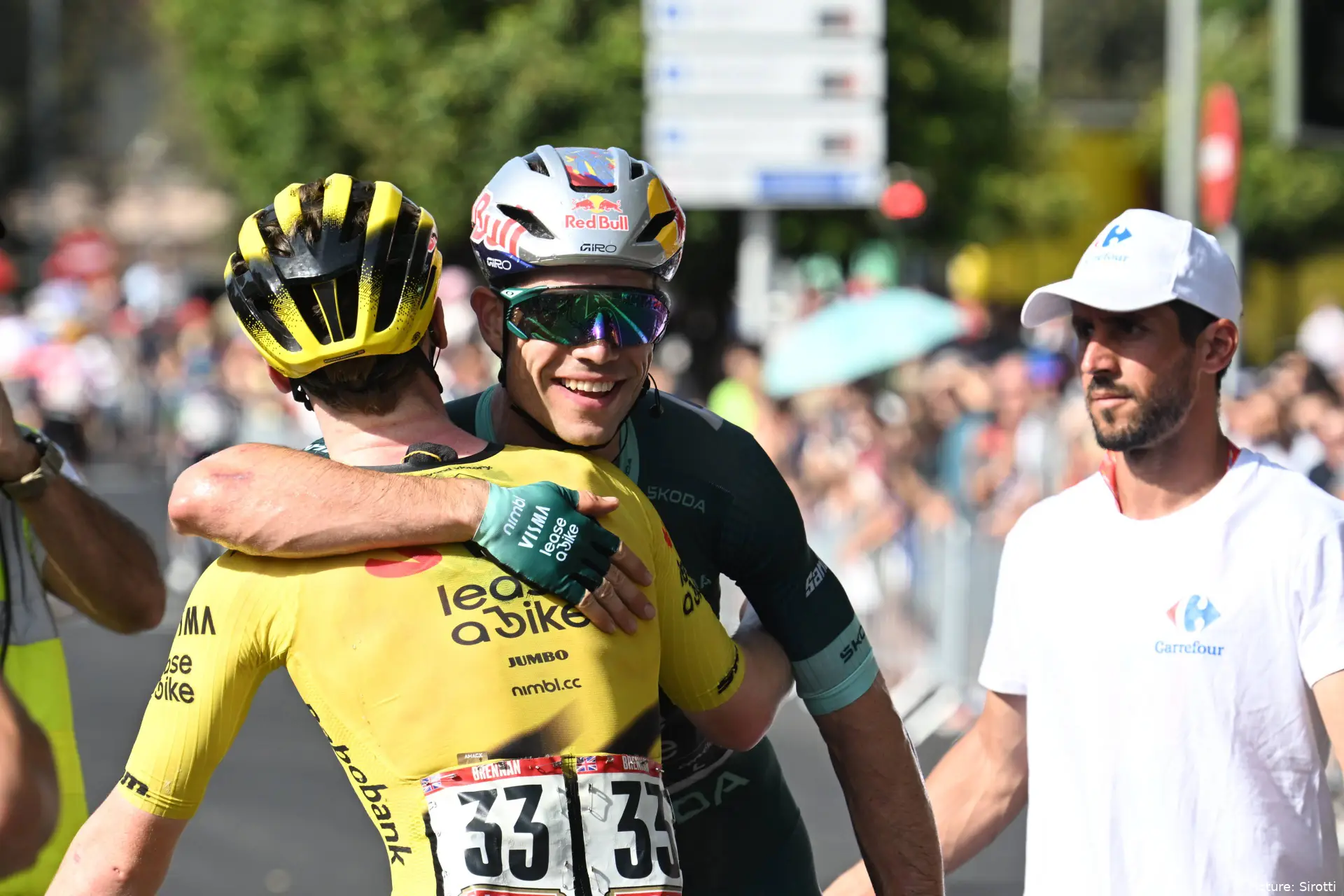
At the Tour de France, the rider who raises his arms on the Champs-Élysées usually takes all the plaudits. His name is etched into history, his photograph in yellow is seen around the world, and his victories become part of cycling’s collective memory. Yet behind every champion is a group of riders who have worked for three weeks to make that success possible. They are the domestiques: riders who may finish the race without a single victory and still prove indispensable to winning the overall classification.
Can a rider be decisive in winning the Tour de France without even contesting a stage? Not only is it possible, it is one of the sport’s most fascinating features. Unlike in many other disciplines, cycling allows one athlete to put his physical strength at another’s service, setting aside his own chances for the sake of a shared goal. A domestique’s individual contribution may not show up in the statistics, but his work can directly shape the outcome of the race.
These riders take on a wide range of duties. Some shelter their leader from the wind and keep him from losing time in crosswinds; others control breakaways, chase attacks or set a hard pace on the mountain climbs. Some take on less visible tasks, such as fetching bottles, resolving mechanical problems or keeping the team leader well positioned at the tensest moments. Every detail matters when the aim is to defend an advantage over 21 stages.
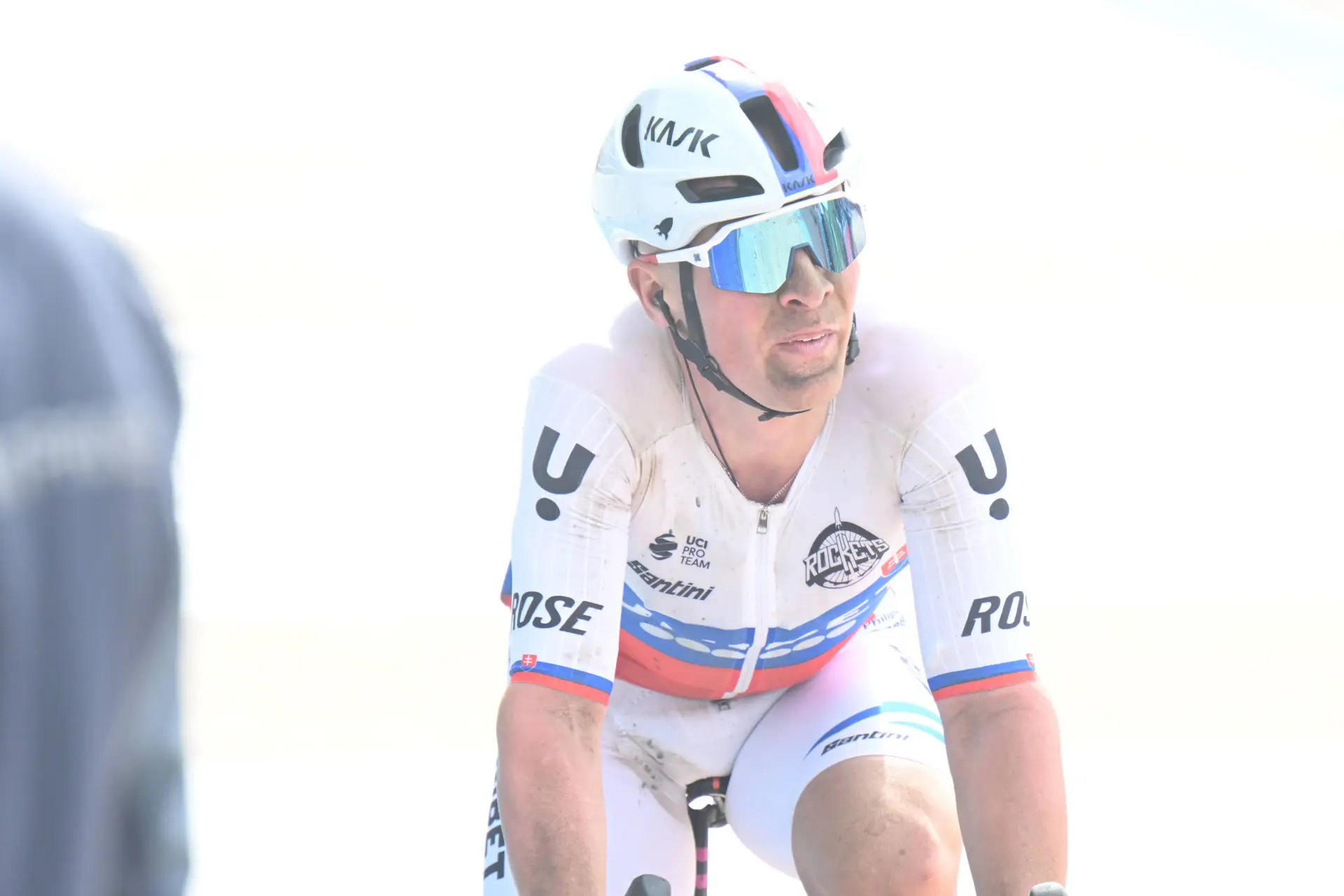
Recent history offers examples of riders who have shown that individual talent and collective sacrifice can go hand in hand. Michał Kwiatkowski, Rafal Majka and Wout van Aert represent three different versions of the modern domestique. World champions and winners of major races, they have the ability to win on their own, yet a significant part of their careers has also been spent helping others achieve glory.
Michal Kwiatkowski, the rider who can make the difference in any race
Few riders embody the versatility of the modern domestique as well as Michal Kwiatkowski. The Pole became road world champion in 2014, has won Milan-San Remo and has claimed stages of the Tour de France. Yet his importance to Netcompany INEOS has also been measured by his ability to work for the team leaders. His tactical intelligence and exceptional race reading allow him to take on very different responsibilities depending on the team’s needs.
One of his finest examples came at the 2023 Tour de France, when he helped Carlos Rodríguez secure a stage win at the Puy de Dôme. He has also played an important role in INEOS’s mountain strategies, using his experience to manage difficult situations and keep the favourites well protected. He does not need to take centre stage every day to become an essential part of the team.
What makes Kwiatkowski’s contribution so striking is that his sacrifices do not stem from a lack of ability to achieve individual results. He has spent years proving he can compete for the biggest wins on the calendar. That is precisely why his willingness to take a supporting role carries even greater weight: a rider with the quality to win can become another’s best ally when the collective goal comes before personal ambition.

Adam Yates, UAE Team Emirates XRG rider.
Adam Yates, Tadej Pogacar’s high-class support
Briton Adam Yates is a climber who can balance his own ambitions with working for a team leader. Before taking on a supporting role for Tadej Pogacar at UAE Team Emirates, he had already proved his quality in Grand Tours, with a podium finish at the 2018 Vuelta a España and a Tour de France stage win in 2023. His experience and ability to tackle the toughest climbs have made him an important part of the Emirati team’s structure.
On mountain stages, Yates can take responsibility for setting the pace in the group of favourites and gradually whittle down the number of contenders. His task is to wear down the opposition and leave Pogacar in a strong position to launch his attacks. When a rider of Yates’s calibre works at the front of the peloton, he is not just helping his leader; he is also shaping the decisions of every rival hoping to challenge for the overall title.
His career shows that being a domestique does not have to mean permanently giving up on individual goals. Yates has achieved major results in his own right, while also adapting to the needs of a team built around Pogacar. He remains an immensely valuable asset for UAE Team Emirates, as shown by his continued place in the squad and his selection for the 2026 Tour de France.
Wout van Aert, a talent in the service of the team
Wout van Aert is one of the clearest examples of how a domestique can have the ability to win almost any kind of race. The Belgian has won stages of the Tour de France, become a cyclocross world champion and claimed victories in some of the most prestigious events on the calendar. His power, ability to ride on the flat and strength in the mountains make him an exceptionally complete rider.
His work for Jonas Vingegaard at the 2022 Tour de France was a showcase of that versatility. Van Aert played an active role in Jumbo-Visma’s strategy, both on the flat stages and during the decisive mountain days. His presence helped the team control the race, put Tadej Pogacar under pressure and set up moves that proved crucial to Vingegaard winning his first Tour.
The Belgian has also shown that he can give up personal opportunities when the team needs him. On certain stages, his job is not to pursue a win of his own, but to help the leader reach the decisive moments in the best possible shape. His ability to switch between individual ambition and collective sacrifice explains why top teams consider riders like him indispensable.

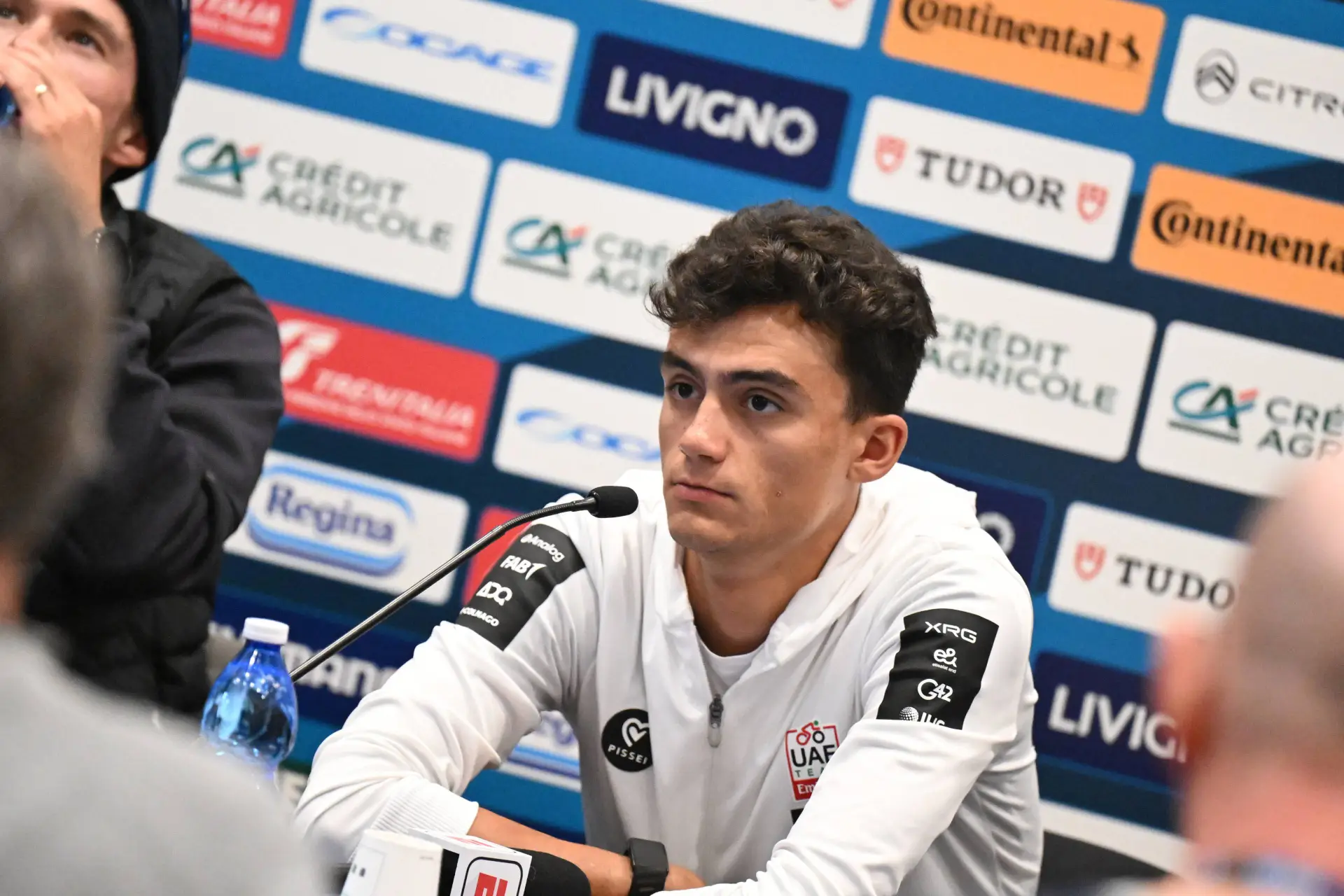
Tadej Pogacar and Isaac del Toro at the 2026 Tour de France
The champion crosses the line, but the team builds the victory
Cycling is one of the few sports in which a rider can finish a competition without a notable individual result yet play a decisive role in someone else’s triumph. A domestique may not feature in the classifications, but their work can prevent time losses, wear down rivals and help the leader save the strength needed to attack when the decisive moment arrives.
Read also
The evolution of professional cycling has made these roles increasingly specialised. Teams study the routes, assess their riders’ strengths and assign responsibilities to approach each stage with a clear strategy. Yet one thing has not changed: the need for riders willing to sacrifice their individual chances for a collective goal. Even the strongest rider in the peloton cannot control every factor that decides a three-week race alone.
That is why, when a leader wins the Tour de France, the victory also belongs to those who have gone unnoticed for much of the race. To the riders who have worked into the wind, set the pace on the climbs and spent their strength protecting the yellow jersey. They may never raise their arms in Paris, but their names deserve to be among those behind every great victory. Because in cycling, sometimes the most important rider in a win is not the one who crosses the line first, but the one who made it possible for someone else to do so.
Javier RampeCycling Journalist
Javier Rampe is a sports analyst with more than 15 years of experience. He holds a degree in Economics from the University of Rome and a Diploma in Business Studies from the University of Cádiz. Despite coming from an academic background not particularly associated with cycling, his passion for both cycling and journalism was instilled in him from an early age. He grew up following Miguel Indurain and José María “El Chava” Jiménez. An admirer of Michael Robinson’s communication style and journalistic approach, he was inspired to pursue a degree in Journalism at the University of Buenos Aires, which he is currently completing.
He has always maintained close ties with the worlds of sport and culture, contributing from a young age to sports blogs and film and music review websites. His work has appeared in media outlets such as Cope, RAI, and Radio Con Vos. He is also the founder of the cycling-focused podcast El Contraanálisis and the football interview channel Días De Fútbol, dedicated to conversations with professional footballers.
In addition to his work at Ciclismoaldia, Javier has interviewed some of the most influential figures in modern cycling, including Alejandro Valverde and Tadej Pogačar, as well as key voices in anti-doping policy such as Alberto Yelmo, David Varillas, and Marcelo Milano. Marcos Maynar, in relation to the ‘Operación Ílex’ case, is also among the personalities he has interviewed. He enjoys conducting in-depth analysis of the cycling ecosystem and has attended major events such as Strade Bianche, the Vuelta a Andalucía, and Itzulia, as well as numerous national cyclo-cross races.
His background in economics, combined with extensive experience in marketing and corporate communications, drives his continuous study of positioning strategies and ensures that he always keeps his focus on crafting compelling and evocative headlines.
claps 0visitors 0
Just in

Popular news
Latest comments
- Given the similarity of two articles (published on I think the same date), I'm reusing (copy-n-pasting) my post from the twin: I've always thought the last day of each of the grand tours was problematic mostly in that the GC is considered completed before the race starts when that is not really true. There is some tension, but not desirable tension. What saves the awkward practice is the race finish is legit for those who participate - so it's not wholly different from the other stages. That neutralizations usually make good sense demonstrates their necessity so if that has to be the way to go I agree that the design plan for the neutralization should be completed before the race starts. This years end stage in the Vuelta had one of the best first half's I've seen in that many of the riders looked to be thoroughly enjoying themselves making it a joy to watch. But I think it was slightly closer to the exception rather than the rule.flyer25-11-2026
- Even I often win without being there at all, not even breaking a sweat. Beat that!flyer25-11-2026
- It is not about rest and peaking again - 5 weeks is not enough for that. It is about recovery while maintaining form. 4 weeks is easier for that. With a Giro-Vuelta, the 12 week break is enough to rest and then peak again. Not for the Tour
 Rafionain-Glas25-11-2026
- I fully agree that "2027 could completely reshape the pecking order" because this competition is a mix of skill, team support, luck opposition, and health. (What BS - as I start writing this post a popup hides what I've written so my only sane options are to hit POST prematurely or leave or reload the page. What a pathetic operation. I forgot where I was so I'm getting out of this crap trap.)flyer25-11-2026
- I've always thought the last day of each of the grand tours was problematic mostly in that the GC is considered completed before the race starts when that is not really true. There is some tension, but not desirable tension. What saves the awkward practice is the race finish is legit for those who participate - so it's not wholly different from the other stages. That neutralizations usually make good sense demonstrates their necessity so if that has to be the way to go I agree that the design plan for the neutralization should be completed before the race starts. This years end stage in the Vuelta had one of the best first half's I've seen in that many of the riders looked to be thoroughly enjoying themselves making it a joy to watch. But I think it was slightly closer to the exception rather than the rule.flyer25-11-2026
- Apparently that week is a MAJOR training disadvantage as "three major benefits" were claimed. When I read a proposal such as this, I want to also read the reasons why changing might not be so good - the CONS.flyer25-11-2026
- most likely they fudged it but i think they want to set an example to the riders that even the top riders are not exempt in the top races even during nighttime as a precedenceabstractengineer25-11-2026
- I think Isaac is in the perfect position to grow as a rider. Looks like Tadej has taken him under his wing and has a strong team around him to also help him grow. I believe he can sign with another team in a few years if he wants to become a team leader. I think he will have a long wait with Tadej.Paggss25-11-2026
- Indeed, if one's goal in life is to be the best possible cyclist, one should delay having kids. If, however, one's goal is to be the most fulfilled human as possible, one shouldn't delay having kids. -An Economist, crazed cyclist, and father of 3 who started having kids too lateacem8225-11-2026
- No report because nothing to report!!Lozza25-11-2026
Loading
1 Comments