"It’s not a good look for the sport": CPA president demands a clear solution for last-minute neutralizations at Grand Tours
Cycling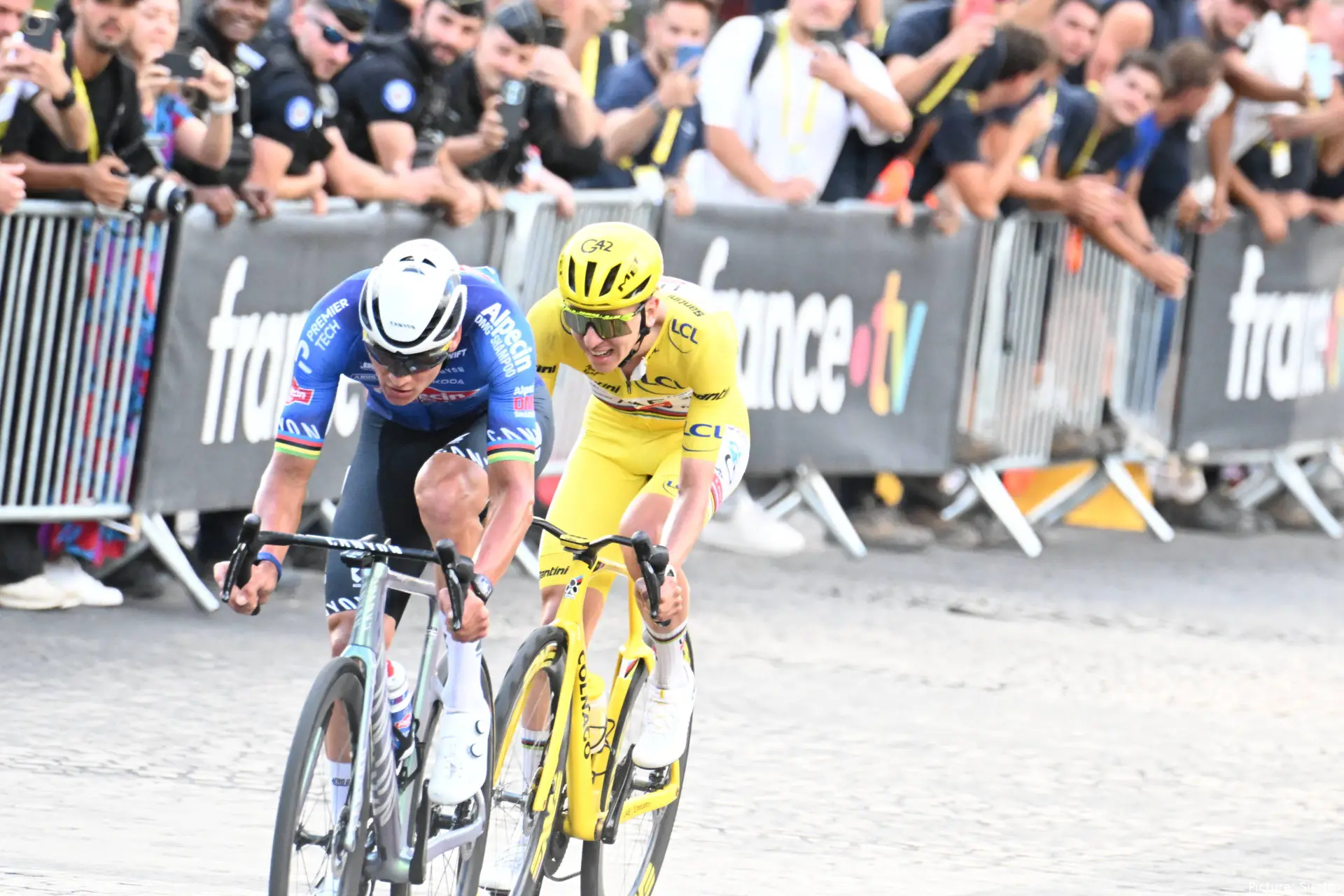
It's become an unpopular tradition. The final stages of Grand Tours have GC times frozen in order to protect the standings—with the official information about the change coming only hours before the stages start. While riders' emotions are mixed, neither fans nor cycling's governing body, UCI, are happy about this spreading habit.
When the 2024 Paris Olympic Games forced the Tour to move its finish location outside of Paris for the first time since 1905, organizers grabbed the opportunity as a chance to return with something new; the Montmartre circuit.
Rather than the sometimes rather dull sprinter festival with laps on Champs-Élysées, the 112th edition introduced Montmartre as a central point of the final day.
The change was brought with the promise of more thrilling action, a festival of attacks, and an opportunity to overturn the general classification in the Tour's final moments. And while on the first two points it has more than delivered, GC riders have not broken much sweat unless they desired to.
Thanks to GC times neutralizations in both most recent editions. In itself, that would not be a massive issue, as the lack of GC action certainly doesn't take away from the spectacle riders like Tadej Pogacar, Mathieu van der Poel, and Wout Van Aert are able to produce.
"It's not a good look for the sport"
Only if the change in classification was communicated ahead of time rather than on the morning of the race... And now the 2026 Vuelta a Espana with an exciting final stage through the streets of Granada and towards the palace of Alhambra was neutralized as well. Just hours before the start...
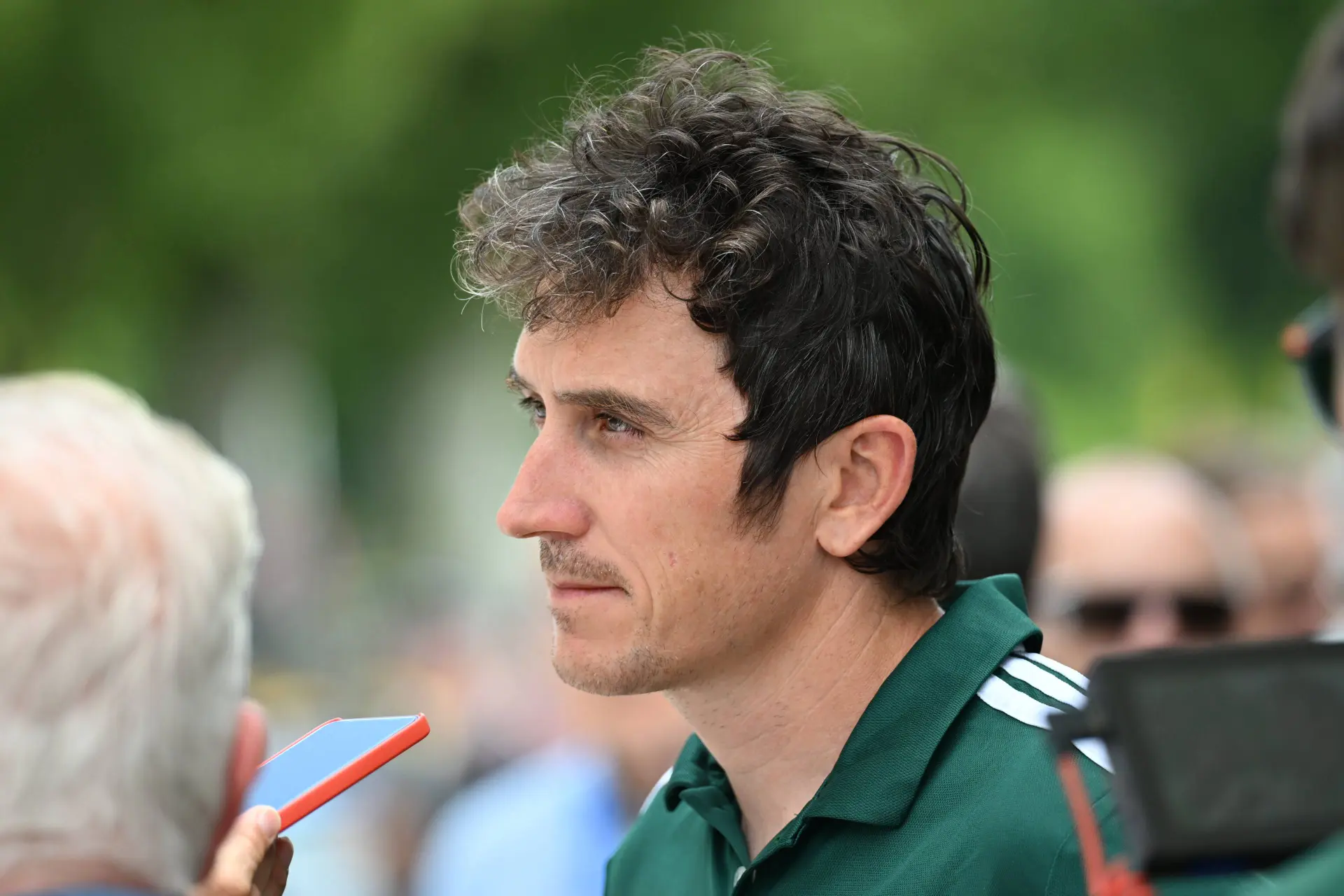
"Next week, we have a meeting about all the last stages of the Grand Tours, because you’ve probably noticed they all get changed," CPA president Adam Hansen told Domestique. "The UCI is a bit tired with this too, because it’s not a good look for the sport."
The Australian outlines that he does not aim particularly for either neutralizing or not, but insists on the need for clear communication on whichever solution will be brought into effect:
"We’ll speak about the final stages, just to make an agreement, and then it’s in the road book in advance that the time will be taken at a specific point, for whatever reason. That way, we won’t have the same late discussion about it like we do every year."
The stage in Granada was potentially too dangerous
While the case of Montmartre has too many sides to view from, the Granada stage neutralization was rather necessary in the given circumstances, Hansen analyzes:
"The last climb was on a too narrow road, where cars couldn’t pass riders and riders couldn’t pass cars, and the climb itself was about seven minutes long," Hansen said. "If a rider had gotten a flat at the top, he would have had to wait for the last rider to come up before his team car could reach him, so anyone in the top ten would have been out of it with mechanical."
"From a rider’s point of view, you just can’t have this on the last stage—and it also goes against UCI regulations, where cars must be able to pass riders and riders must be able to pass cars," he points out.

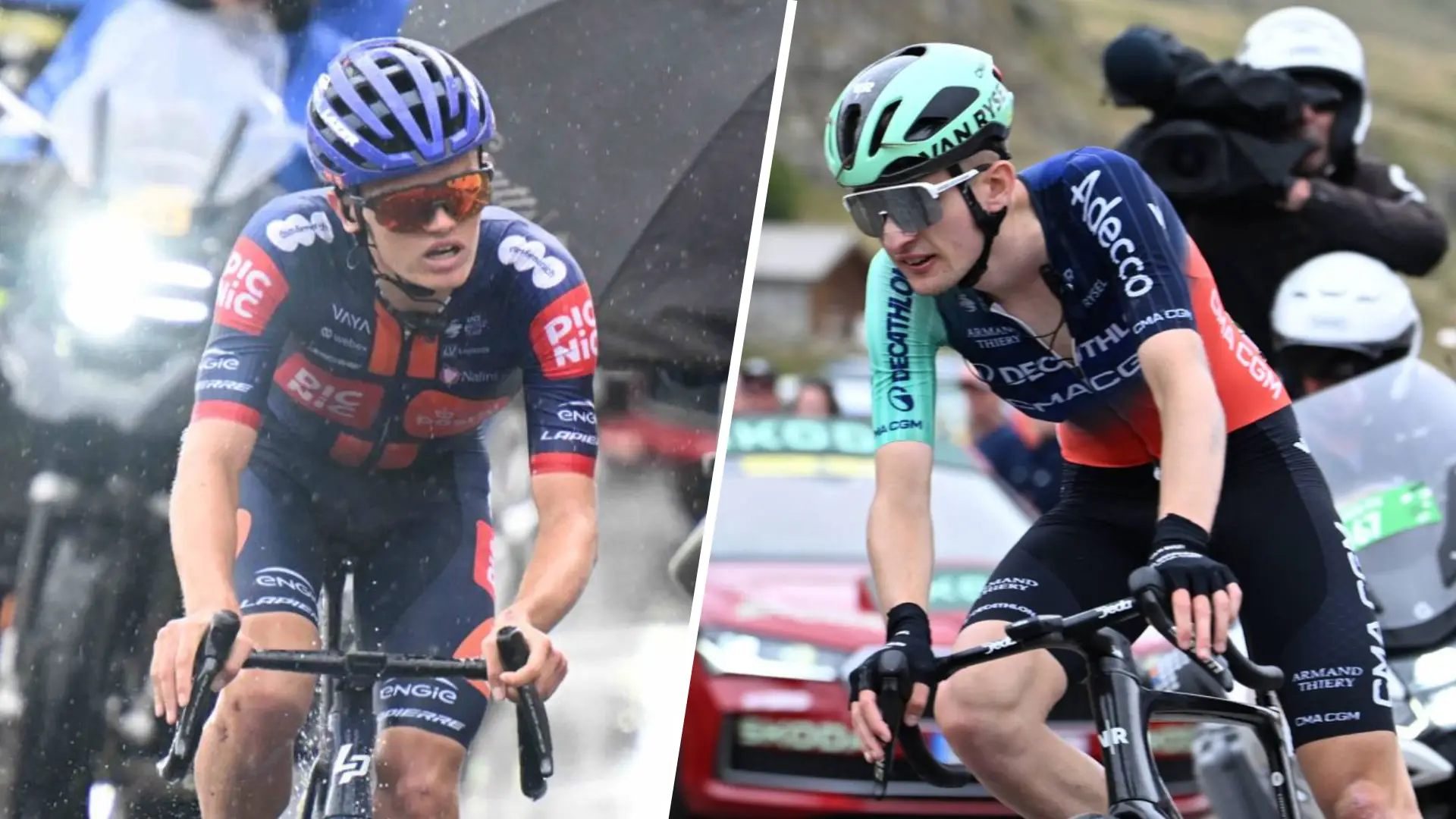
Tobias Johannessen in action on Stage 7 of the 2026 Vuelta a Espana
"That was the biggest concern in the last stage of the Vuelta, even if the organizers spun it that it was more of a safety issue. But if it had been a safety issue, we would have asked for more than just neutralizing the GC times, because we care about all riders, not just the GC riders."
Read also
Finally, Hansen points out that, in principle, the professional peloton is not opposed to innovations in terms of racing venues, but they must uphold certain criteria, which might not be easy at times.
"The riders don’t have a problem if the organizers want to pick these new finishes, but they just need to make them fair," Hansen said. "If you make it unfair for the riders, then we just have to adapt to make it fair for them and not have them lose their race."
"That’s why we’re having the meeting next week. This way, we won’t have the same discussion that we have every year on the final day. I don’t like that at all."

Ondrej ZhasilCycling Journalist
Ondřej Zhasil is a cycling journalist at CyclingUpToDate and has been part of the team since 2023. He is based in Ostrava, the third-largest city in the Czech Republic, and covers professional cycling across the main UCI competitions, including the Tour de France, the Giro d’Italia, and La Vuelta a España. A key focus of his work is startlist analysis and pre-race coverage, where he examines team selections, rider line-ups, and tactical scenarios ahead of major events.
Alongside WorldTour coverage, Ondřej has developed specific expertise in junior cycling and in racing across East Asia, including competitions in China and Japan. He also maintains a broad working knowledge of other disciplines and levels, including cyclocross, while continuing to expand his understanding of mountain bike racing.
Ondřej holds a bachelor’s degree in Mathematics and Physics, which supports his analytical, data-driven approach to performance and race analysis. In his reporting, he regularly uses ProCyclingStats for results, statistics, and historical context. He places strong emphasis on careful sourcing, editorial accuracy, and updating articles promptly when new, verified information becomes available.
claps 0visitors 0
Just in

Popular news
Latest comments
- Riccardo Ricco almost died back in 2011 after doing a transfusion of his blood after it had formed bacteria in it, he is lucky to be alive. But boy when he was racing he sure could climb 😂awp24-11-2026
- If Tier 1 is the Premier league, 500 riders are available (excluding devo riders)
 Rafionain-Glas24-11-2026
- Me too! I'm very curious to read the official report on jow they caught themvappaxbipmv24-11-2026
- By that logic you have 15 tier 1 rider. And that's only GC guys. Add classics riders, sprinters, TTers and suddenly you have 30 tier 1 riders. And you put them on the same level as Pogacar. Well donevappaxbipmv24-11-2026
- He's one of the more entertaining GT riders of the last year. I'm glad he found a team.Occam24-11-2026
- This is a silly take. The guy is clearly a Tier 1 rider; anyone capable of placing top 10 in the Tdf is.Occam24-11-2026
- Just a reminder. EVERY SINGLE time a rider consistently performs to a level well above the rest of the peloton, he's been on the gear. Every single time.Occam24-11-2026
- He may be a top pro but Pidcock is so right about the dangers of cycling in London and the lack of UCI action on rider safety. Thank god we have Pidcock and Ben Healy to shout out about these risks. I see people on e-bikes in London riding like madmen with no concept of the carnage they could cause and unfortunately for them they don’t even have the awareness or reactions of a good amateur cyclist let alone Pidcock. Keep shouting from the rooftops Tom and Ben because most of the people around you are clearly incapable or just plain in thick!Paul53124-11-2026
- I was equally surprisedRafionain-Glas24-11-2026
- I think INEOS has some very strong riders however they need that one rider who can really contend in the 3 major stage races. I also believe Roglic could have helped them. Yes, he's not what he once was, he could have brought them more wins and especially UCI points . I assume INEOS is looking for major riders who's contracts are up in '27. Hopefully they do. It'll be fun to watch.Paggss24-11-2026
Loading
Write a comment