"Bullying and intimidation were more rampant in the 90s" - American ex-pro can 'barely recognize the sport' after recent changes in peloton attitude
Cycling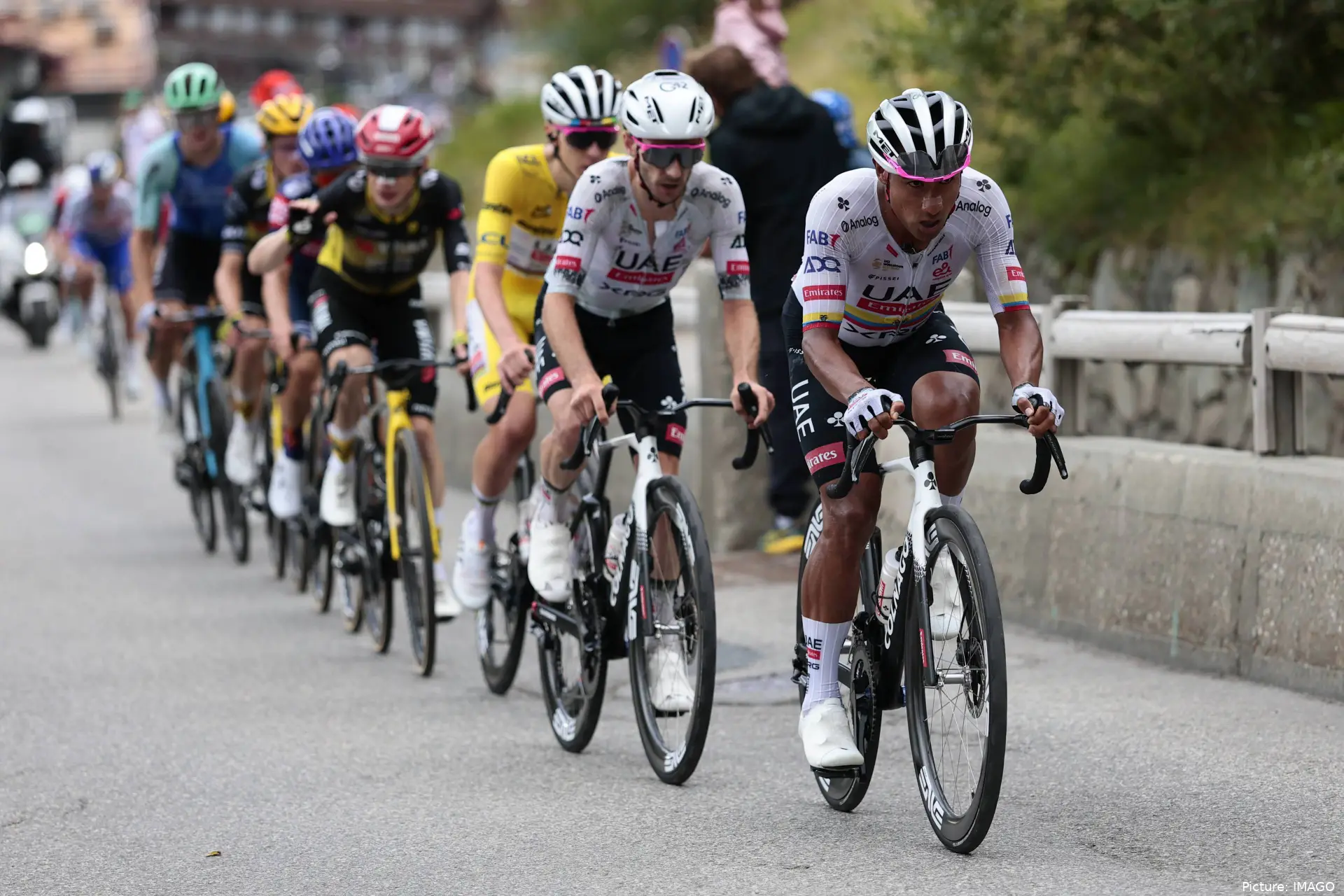
The 2025 Tour de France was a Grand Tour raced full gas right from the start. Even on a relatively 'flat' opening week, the likes of Tadej Pogacar and Jonas Vingegaard were prominent figures at the front of the bunch, putting pressure on and keeping the pace high. This, along with a number of other changes in attitude, make the sport completely unrecognisable for American ex-pro Bobby Julich.
"I participated in nine Tours and completed seven. Yet, I barely recognize the sport to which I have dedicated most of my life. I often wonder, 'How did I ever do this?'" explains former Tour de France podium finisher Julich in his column for Velo. "The Tour de France is the biggest race in the world. The ASO race organization face the daunting task of designing a spectacular event that will drive more viewership and sponsorship money to the event year after year. They do this currently by creating diverse, tactical, and explosive courses where aggressive riding is rewarded from the first stage to the last."
"However, this isn’t the only difference I notice between my Tour de France career and the new generation of riders on TV," continues the former Paris-Nice winner. "While we are all aware of the remarkable advancements in equipment, clothing, training, recovery, analytics, communication, tactics, and course design, I would like to share what I feel is different now compared to when I was racing."
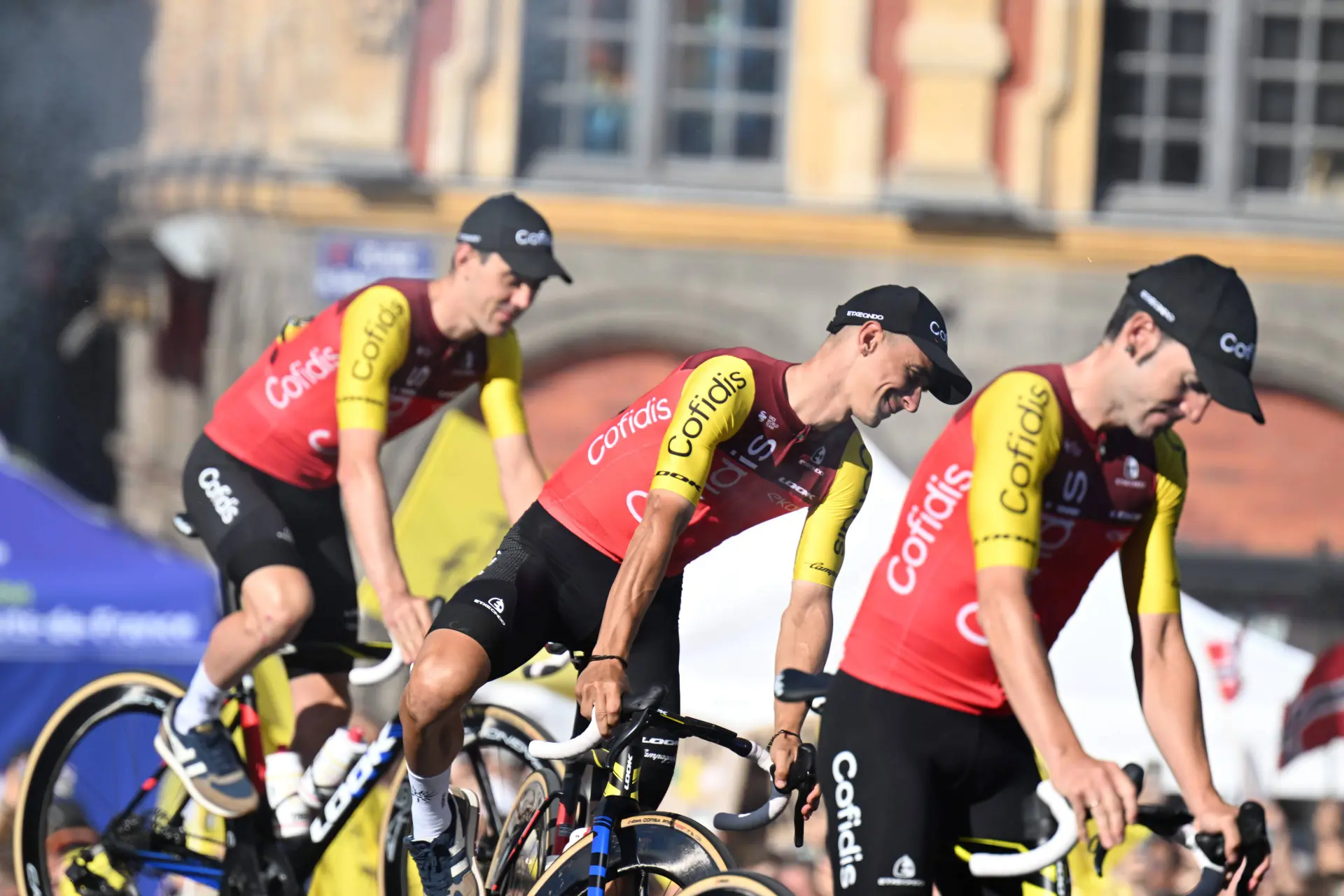
The first change noted by the 53-year-old American when compared to his own era, is the age of the star riders. "I started my first Tour in 1997 at the racing age of 26 while riding for Team Cofidis. That means that I was never even eligible for the young rider classification!" Julich recalls. "While there were occasional outliers, it is now common for riders competing for the white jersey to win stages, finish in the top 10, stand on the podium, or even win the overall!"

The actual racing itself is much different as well. "Each year, my Tour de France would begin with a prologue or time trial. This initial test for the general classification riders also established the pecking order, which helped reduce the nervousness in the bunch. While riders would still attempt to get into the breakaway, it seemed to happen much quicker," Julich reflects. "Nowadays, it’s full gas from start to finish, with little time to chat with friends or stop for a nature break. Sure, it is more fun to watch on TV now, but not sure I will feel the same if I was still in the peloton."
With fuelling and nutrition also much more of a known topic of importance in the peloton in 2025, Julich believes many of the names from his era struggle to realise the importance of eating right during a race like the Tour de France. "Thanks to team chefs, nutritionists, apps, and a better understanding from the riders, everything is now calculated, weighed, and analysed," he explains. "My generation struggles to understand this sacrifice, but it seems second nature to riders these days, and they are reaping the benefits. This is the major reason why the current generation rides much faster."
There is also a perceived lack of respect among the riders in the modern peloton. Whilst in days gone by, a patron would rule the bunch, nowadays it is much more of a free for all, with riders and teams going into business for themselves a lot more often. "It wouldn’t be appropriate for me to comment on the current state of respect in the peloton, as I have been out of it for a long time," Julich admits. "However, I would like to share some of my experiences on this subject and will try to be as politically correct as possible. Bullying and intimidation were more rampant in the 90s than they are today."

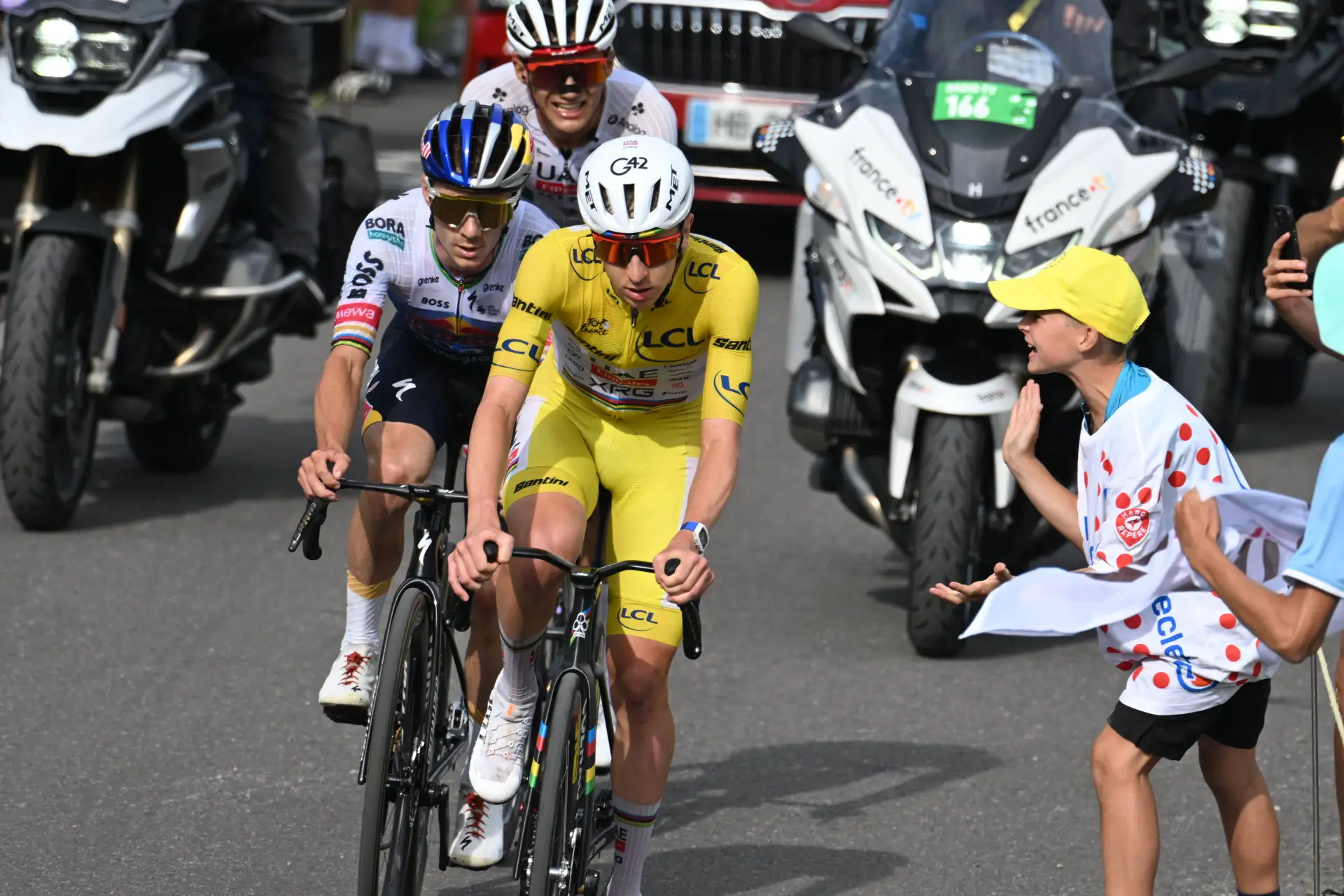
Pogacar even attacked the final stage of the Tour de France in the Maillot Jaune
"Many unwritten rules in the sport of cycling were passed down from previous generations, and I don’t think many of us even recognized it as bullying. If you attacked in a feed zone or when the leader was stopping for a nature break, you would hear about it from the group. If you got in the way of a team’s sprint lead-out train, you quickly learned not to do that again," he continues. "These enforcers of proper etiquette were often working on their own under the guise that it was coming from their team leader. You had to have thick skin and take it, and the only way to avoid further harassment was to not do it again. For me, Mario Cippolini was the real 'patron of the peloton!'”
The question is though, have these changes made the sport better? "The sport of cycling is evolving in many ways, and while it may be difficult for those of us from previous generations to fully understand or embrace all the changes, it’s important to recognize and appreciate the progress being made," Julich concludes. "Although I may not understand why GC riders attack in the early stages of the Tour when they still have the final week to make their move, why some riders have the full yellow, white, green, or especially polka-dot bike and kit from head to toe before the final stage, or why some riders cause crashes in sprint finishes when they have no reason to be there, it is their time to shine now. Each generation brings its own unique contributions to this amazing sport, and I can’t wait to see what comes next."

Kieran WoodDeputy Editor-in-Chief
Kieran Wood is a sports journalist based in Wales and has been active in journalism since 2022. He regularly contributes to DartsNews.com and CyclingUpToDate.com, where he covers professional cycling and darts. In cycling, his work includes liveblogs from major races, including the Tour de France, the Giro d’Italia, and La Vuelta a España, alongside race reports and analysis. He has also conducted interviews with professional riders.
His reporting spans the full racing calendar, from one-day classics to stage races, with a focus on accurate, real-time coverage and clear contextual analysis. For statistics, results, and historical context, he regularly uses resources such as ProCyclingStats. To support reporting on rider activity and training context where relevant, he also references Strava.
In his work, Kieran places strong emphasis on careful sourcing, editorial accuracy, and updating articles as new, verified information becomes available.
claps 5visitors 5
Just in


Popular news
Latest comments
- He should have been allowed to go to Movistar. Right now both arent a good fit for each other and are just wasting each other's time and effortabstractengineer08-11-2026
- Thibau Nys does exactly what Iserbyt is calling for
 Rafionain-Glas08-11-2026
- i did not see it. was the relegation justified or an overly hard decision? and don‘t cross riders deviate from straight lines all the time? bumping into each others when they cut corners, etc … why being more strict with the rules on the finish sprint?Ketterechts08-11-2026
- seems like we are advertising the website with pointless comments…Ketterechts08-11-2026
- So?Jumpyjohn08-11-2026
- The UCI do have their favorites.
 Front24208-11-2026
- On a positive note, you maybe notice turning this topic into a discussion has the benefit of eliminating certain participants who do not see how they can turn it back to their sole interest ;-)Jumpyjohn08-11-2026
- People see what they want to. I am actually the opposite of your accusation, probably more of a rebel than most of you who don’t get the big picture. The difference is, I don’t go moaning publicly about the consequences of my transgressions, I understand the need for rules and I take my OWN responsibility when deciding to ignore or break them or doing so involuntarily. I will also not hesitate to state my case or argue vehemently when relevant, sometimes it works, sometimes it makes things worse but that’s the price to pay for principles and having character.Jumpyjohn08-11-2026
- That may be but that was unknown to others and nothing says that’s the whole truth. Again, don’t try to misinterpret, it is a call and technically it is correct. Besides, even if there is a valid reason, that does not disqualify the ruling or punishment as far as the rules have been developed. I don’t think they’re as far as in football where for handball there is a distinction (in some ways and specific cases) between intentional or not. And football can be just as harsh and people live with it, eg the offside rule, also judged to within tiny fractions but often wrong or ignored. It’s the nature of every collective organisation and sometimes I wonder if our rebellion against it isn’t seated in the feelings we carry from the injustices we’ve felt personally, like being flashed driving 1km/h too fast when we are explained limits are just a security measure but we are absolutely certain not to have endangered anyone with our transgression. The problem is, nobody has better solutions and no 2 people have the same interpretation of where a limit should be.Jumpyjohn08-11-2026
- Because for you deviated implies the other rider MUST have been made to fall and fail to finish ??? I don’t know if you ride a bike but next time someone carves you up or drives dangerously close, just hold back from those feelings of changing something, reporting or filming or even complaining. Everyone will just say, hey you’re still here undamaged, doesn’t seem like anyone did anything.Jumpyjohn08-11-2026
Loading
2 Comments