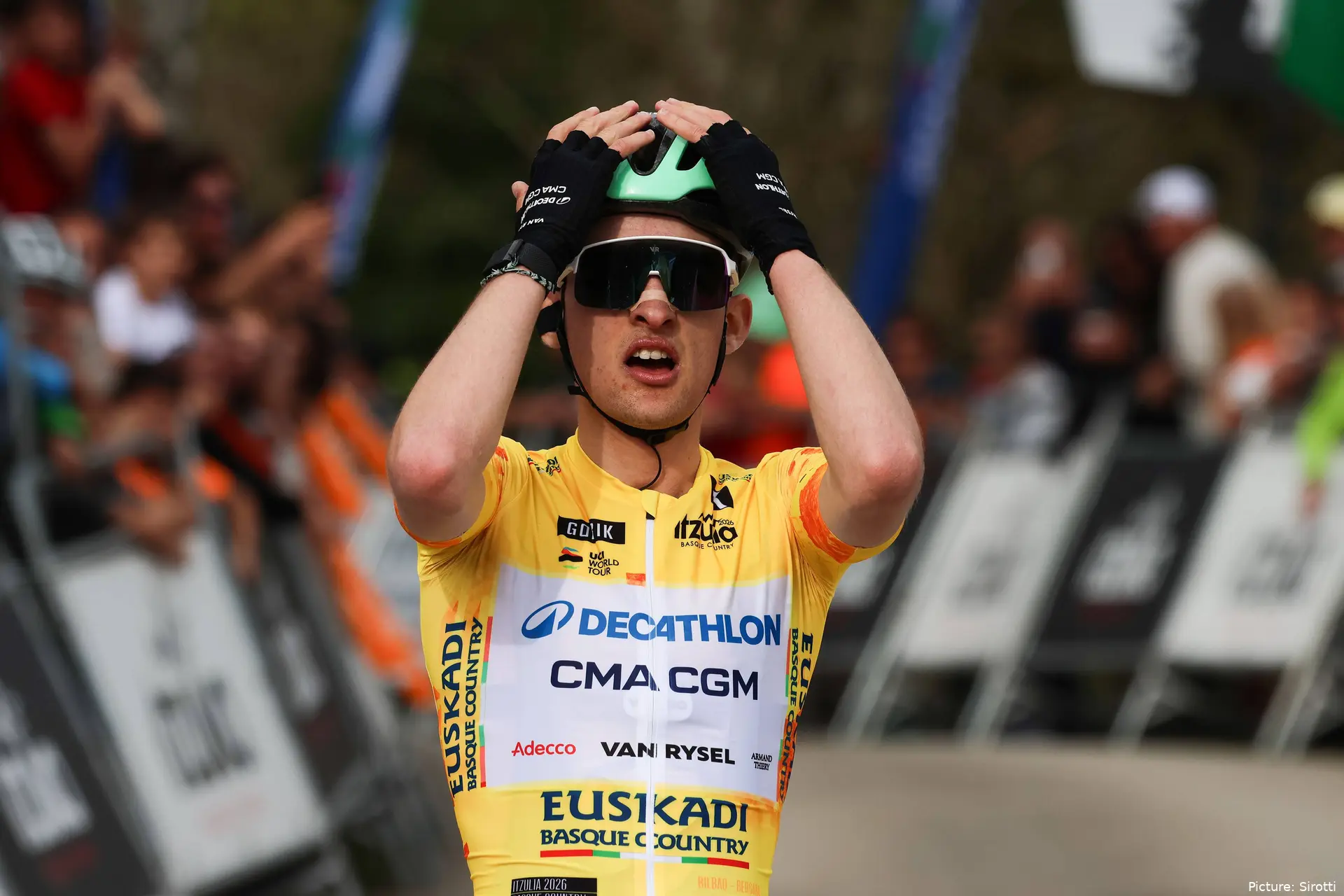
The 2026 Tour Auvergne - Rhône Alpes might be an edition for the ages, featuring brutal stages and Paul Seixas as the main favourite. But who may be his biggest rivals in France? We look at some of the contenders.
The Frenchman, just 19 years old, arrives at the Tour Auvergne Rhône-Alpes 2026 not only as the outright favourite for the overall, but also as the great hope of French cycling to reclaim the Tour de France after decades of frustration, missed generations, and projects that never quite took off.
The former Critérium du Dauphiné, now rebadged as the Tour Auvergne Rhône-Alpes, keeps its essence intact despite the name change. It remains the key dress rehearsal for the Tour de France, the definitive test to gauge July form, and a race historically used by the big stars to send messages before the Grande Boucle.
This time there will be no Tadej Pogacar, Jonas Vingegaard or Remco Evenepoel. That might suggest a drop in competitive level, but the opposite is true. The startlist is packed with riders tipped to shape the present and future of the sport. And among them all, the name generating the most buzz is Paul Seixas.
The Decathlon CMA CGM Team leader is no longer a prospect but a full-on confirmation and one of the best in the world. The speed of his breakthrough this season has been simply immense. His wins have stopped being surprises and become routine, and the most striking part is not just that he wins, but how he does it.
Read also
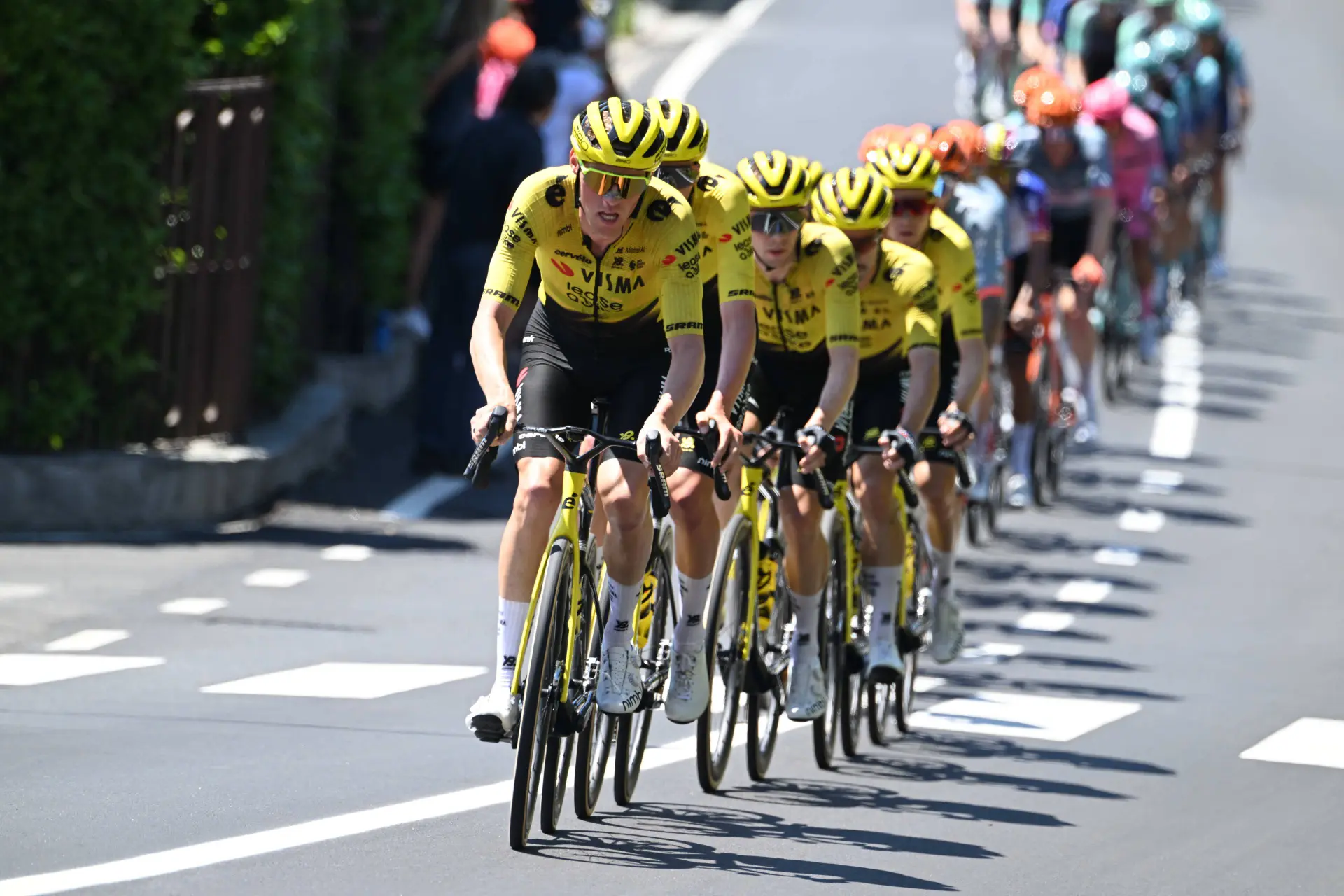
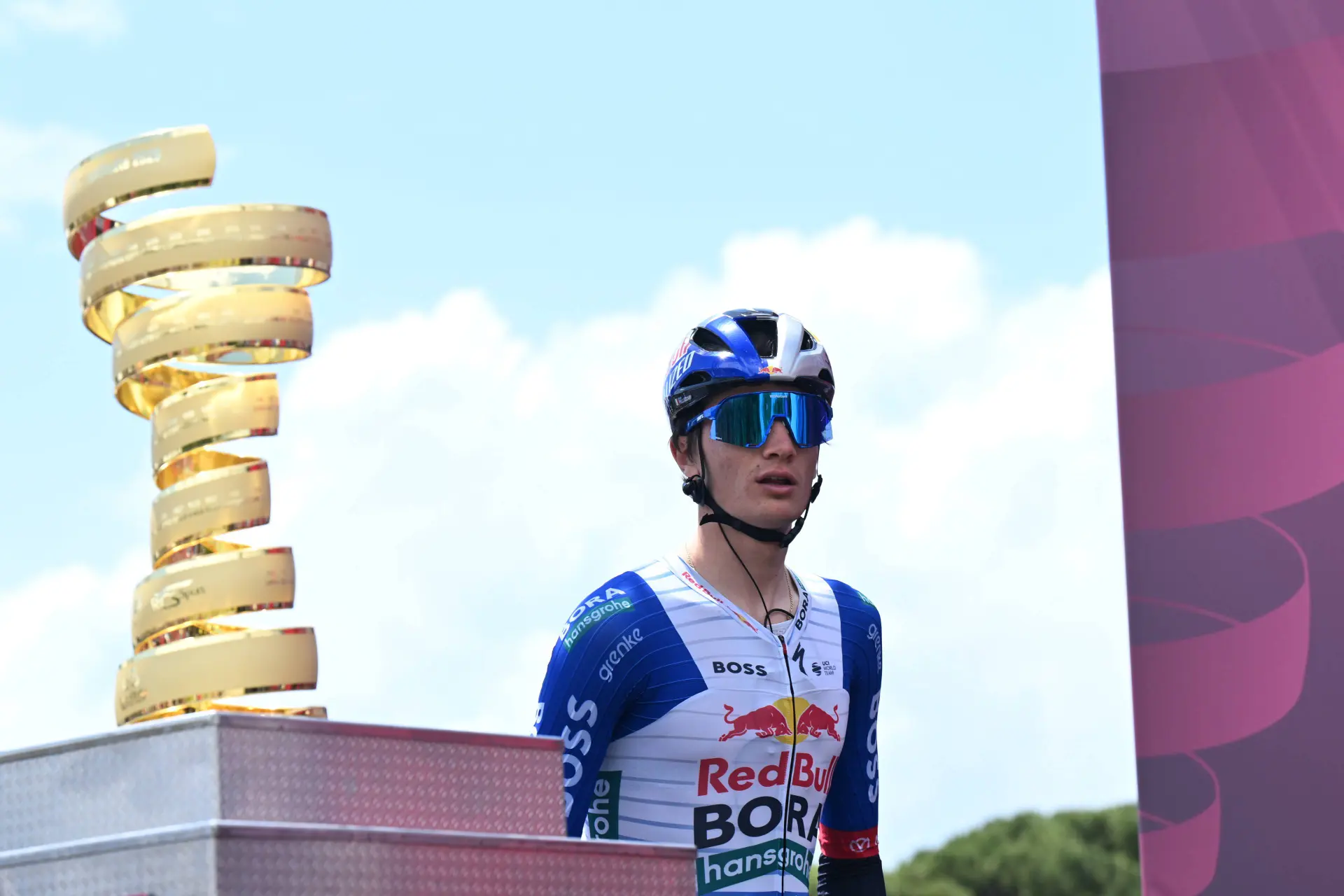
Itzulia Basque Country was the moment that definitively changed his status. There he not only won the overall, but also swept up three stage victories, dominating completely different terrains and showing a superiority unusual for a rider of his age.
Perhaps the most significant part of his season is not even the wins, but his ability to go head-to-head with Tadej Pogacar. The Slovenian remains the sport’s benchmark, and facing him is a definitive test for anyone. Seixas did it twice this year: at Strade Bianche and Liège–Bastogne–Liège. He finished second in both.
The problem, of course, is that the Tour remains the realm of 'monsters'. Pogacar will be there. So will Jonas Vingegaard, who has just won the 2026 Giro d’Italia. That is why the Tour Auvergne Rhône-Alpes takes on even greater significance for Paul Seixas, as it can be the most prestigious win of his career so far, where he will battle alongside several other Tour podium contenders.
Because even without the peloton’s three biggest superstars, the race is packed with dangerous rivals. Isaac del Toro, Juan Ayuso, Mattias Skjelmose, João Almeida, Cian Uijtdebroeks, Tobias Johannessen, Daniel Felipe Martínez, and many others turn this edition into a fascinating generational battle.
But among them all, who are truly the five biggest threats to Paul Seixas in the fight for the Tour Auvergne Rhône-Alpes 2026?
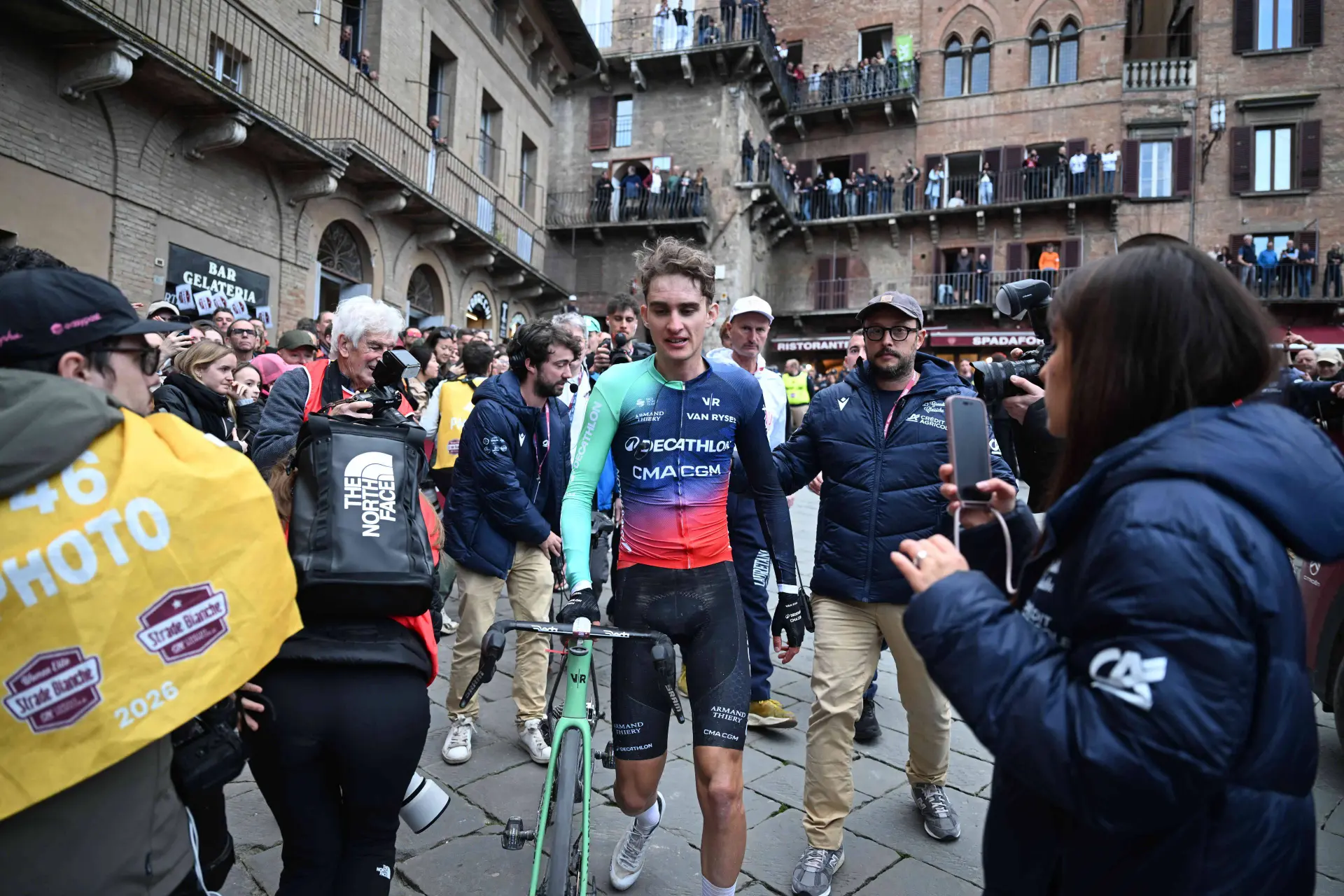
1. Isaac del Toro
If there is one rider capable of challenging Paul Seixas for the title of cycling’s next big young phenomenon, it is Isaac del Toro.
The Mexican returns to competition after abandoning Itzulia, and does so in a pivotal context for UAE Team Emirates - XRG. With Tadej Pogacar absent, Del Toro will be the team’s outright leader and carry full responsibility on his shoulders. That changes a lot.
And there are plenty of reasons to believe in him.
His season started in spectacular fashion. He won the UAE Tour overall with two stage victories, showing superiority both in the mountains and on punchy finishes. Later he was third at Strade Bianche, just behind Pogacar and Paul Seixas, reinforcing the sense that the generational shift is no longer the future, but the present.
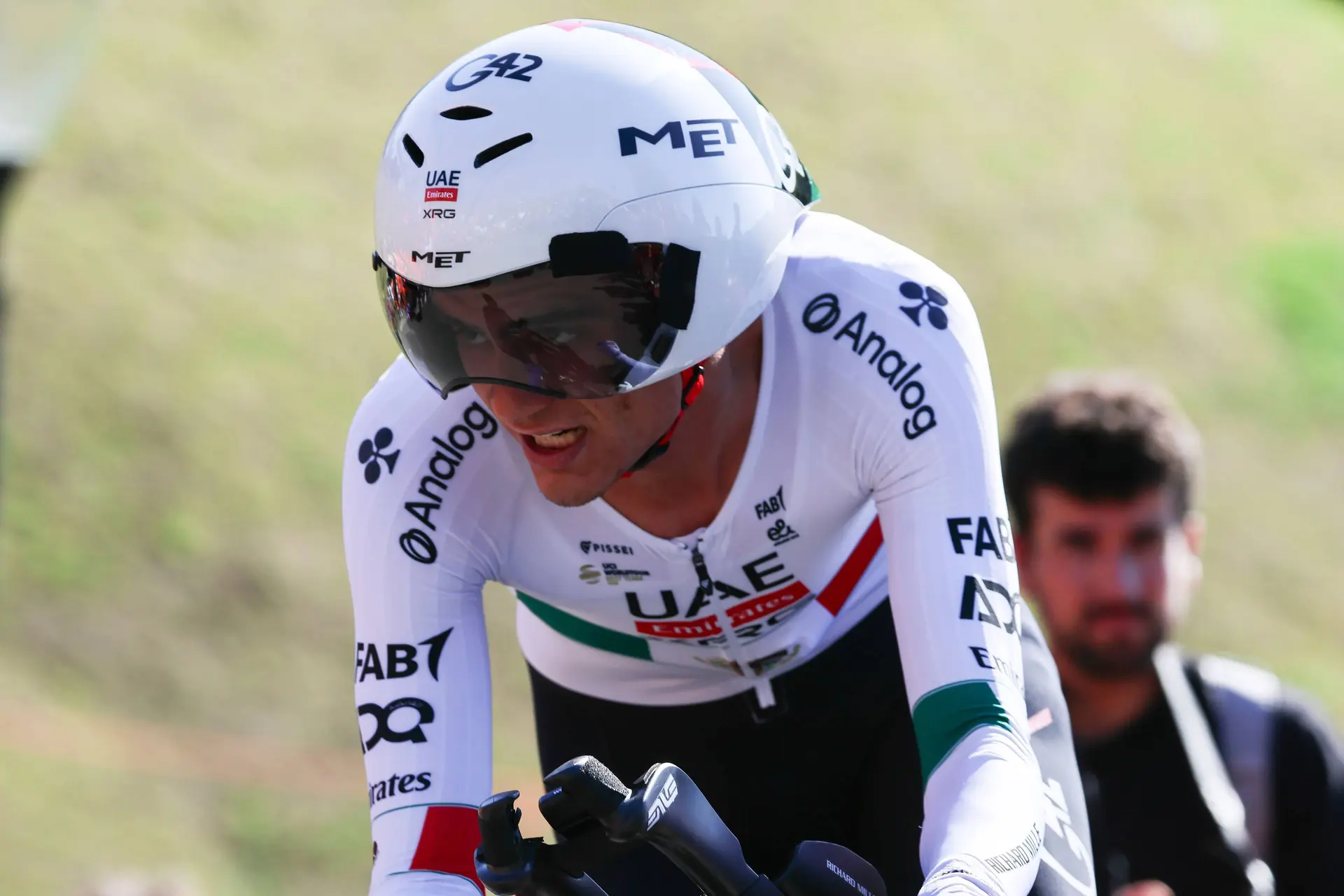
Then came another statement: Tirreno–Adriatico. There he again won the general classification and took a stage, confirming remarkable consistency for such a young rider.
Even at Milano–Sanremo, a race far less suited to his traits, he proved pivotal in Pogacar’s historic win. Now he needs to shine again on his own terms.
Because the Tour de France is also looming on Isaac del Toro’s horizon, there he will have to be one of Pogacar’s key lieutenants in the GC battle, and UAE needs to confirm he is back at full strength after abandoning Itzulia Basque Country.
He will also be surrounded by a powerhouse squad. João Almeida returns after a year disrupted by health issues and looks set to be a luxury domestique. Pavel Sivakov will add climbing solidity, Tim Wellens experience and tactical nous, while Benoit Cosnefroy and Pablo Torres complete a very deep roster.
Tactically, that could be a major headache for Seixas. UAE will have multiple options to harden the race and isolate the Frenchman at key moments.
2. Juan Ayuso
Juan Ayuso arrives wrapped in questions but also packed with potential. The Spaniard also had to abandon Itzulia, although his situation was already conditioned beforehand. The crash at Paris–Nice took a physical toll and completely reshaped his subsequent calendar.
That was particularly painful because Ayuso was putting together an excellent start to the season: At Paris–Nice he even wore the yellow jersey ahead of Jonas Vingegaard before pulling out. That image was powerful because it showed he could go toe to toe with one of the dominant stage race riders.
His debut with Lidl-Trek was also highly promising. He won the overall at the Volta ao Algarve, doing so by beating Paul Seixas. That victory now looks even more valuable given the level the Frenchman has since reached.
Ayuso has always lived with huge expectations. From the junior ranks he was tagged as one of Spanish cycling’s great talents, but he now shares a generation with fierce competitors like Seixas and Del Toro, which only heightens comparisons.
That is why this race can carry enormous symbolic weight for him.
If he gets back to his best, the message would be crystal clear: he still sits on the same competitive rung as the peloton’s new phenomena.
The Tour de France also sits on his immediate horizon. Everything he does here will serve as preparation and a real gauge of his July prospects. One important detail: Ayuso knows exactly how to race against Seixas. He has already beaten him this year. He knows he can do it. Mentally, that always brings confidence.

Juan Ayuso in the colours of Lidl-Trek
3. Mattias Skjelmose
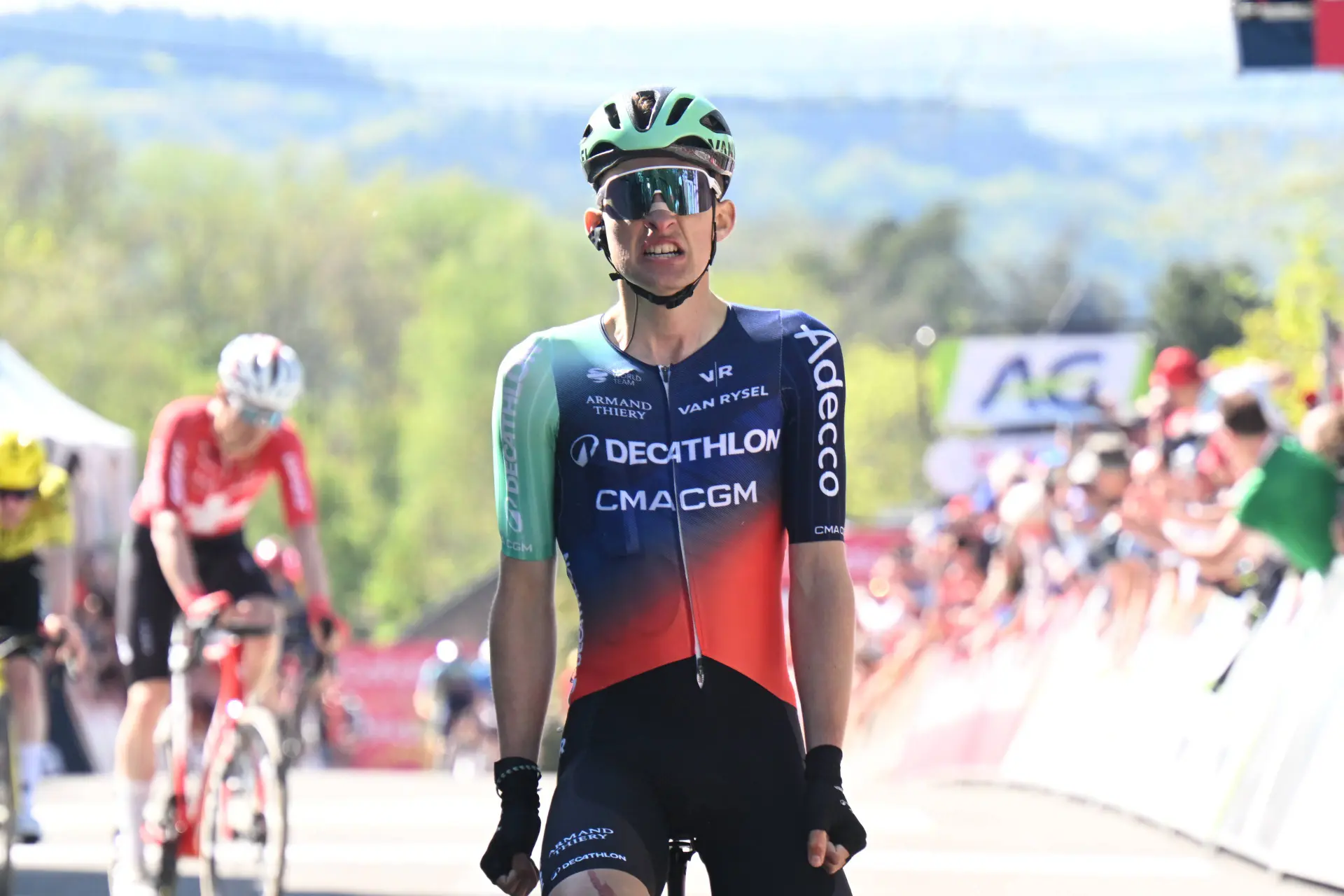
Lidl-Trek probably has the most intriguing tactical setup in the race thanks to its dual leadership with Juan Ayuso and Mattias Skjelmose. That makes the Dane a particularly dangerous rival.
Skjelmose does not need to shoulder all the pressure. He can play it smart, exploit cross-fire moves, and benefit from any excessive marking between Seixas and Ayuso.
In terms of results, the Dane has also delivered some very interesting performances this season. He was second at the Amstel Gold Race, losing only to Remco Evenepoel in a head-to-head sprint. That display again underlined his punch in explosive races and his consistency against top-tier rivals.
He also finished seventh overall at the Volta a Catalunya, although he is still chasing his first win of the year.
That can be an extra source of motivation. Skjelmose needs a marquee victory to definitively validate his competitive rise. He has the level to fight for races like this, and the Tour Auvergne Rhône-Alpes looks like a perfect opportunity to prove it.
4. Cian Uijtdebroeks
The pressure around Cian Uijtdebroeks is probably different from the rest of this list, but no less intense. He is not only riding for a strong GC result. He also carries much of Movistar Team’s competitive expectations.
Movistar desperately needs a new star. A young rider capable of putting the team back in the fight for Grand Tours. That is why this race takes on such importance for him.
The Tour de France will be his first Grand Tour as team leader, so the Tour Auvergne Rhône-Alpes will serve almost as a final exam before the year’s big target.
So far, his results still haven’t fully justified the expectations created around his signing.
His best display this season was eighth overall at the Volta a Catalunya. A respectable result, but short of what’s expected from a rider tagged as the team’s future reference point.
That said, his situation needs context: An early-season injury badly stalled his progress and affected several weeks of racing. Since then he hasn’t found rhythm, and he arrives here after more than a month without competition.
5. Oscar Onley
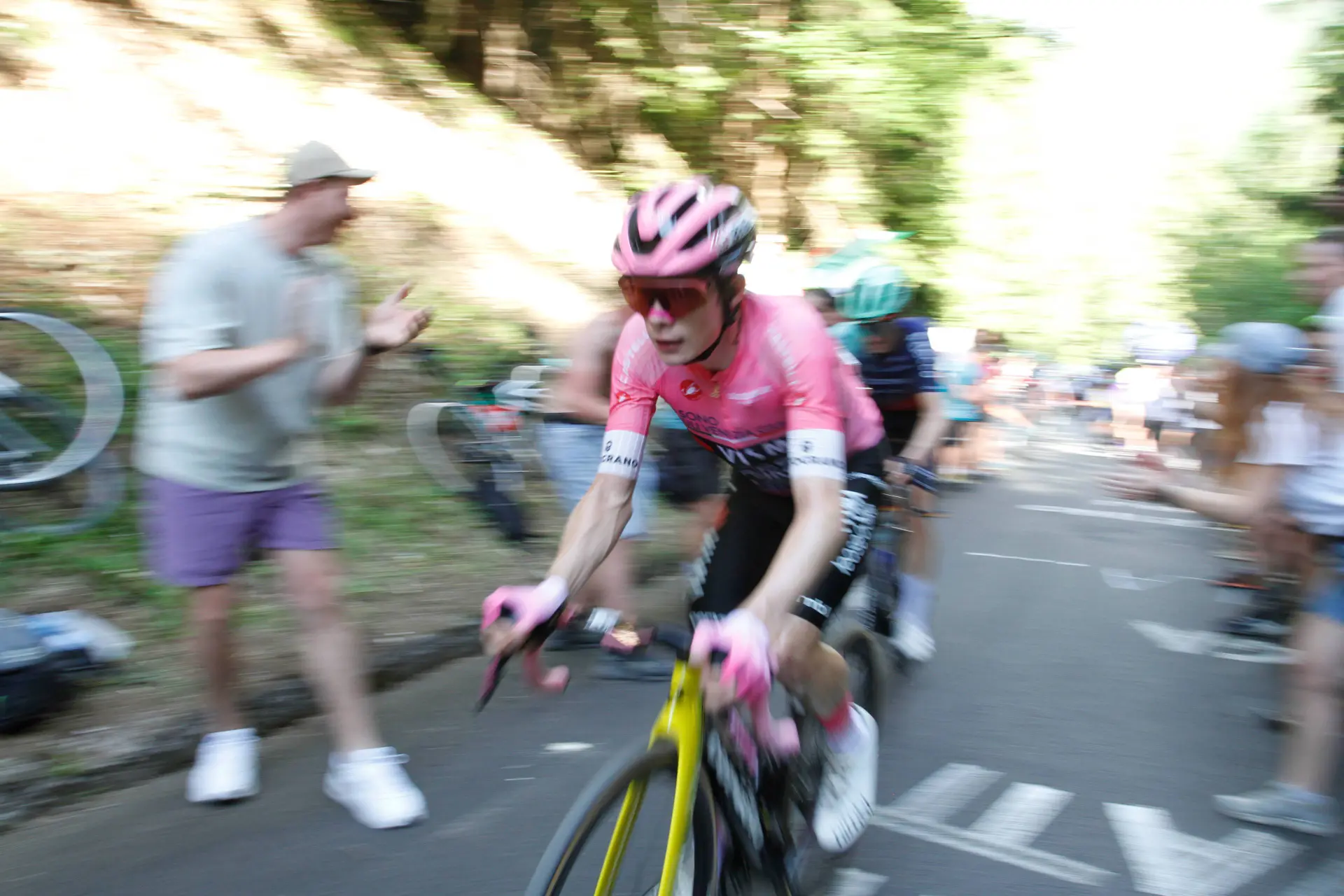
Oscar Onley’s case is completely different because here the pressure is directly linked to the financial and sporting expectations around his signing. Netcompany INEOS went all in on him in the last transfer window and, for now, the results haven’t really come.
That turns the Tour Auvergne Rhône-Alpes into an almost mandatory platform for a statement ride.
His season has been very uneven. He was fourth overall at the Volta ao Algarve, an interesting result but short of the investment level made by the team. Then came the issues: a DNF at Paris–Nice, 12th at the Volta a Catalunya, and another DNF at the Tour de Romandie. Too many question marks.

Oscar Onley in the colours of INEOS
And the problem is that INEOS urgently needs reliable leaders. The team has long been searching for a new Grand Tour reference, and Onley arrived with exactly that label. That’s why this race could heavily shape his immediate future.
The Tour de France is also looming, with him pencilled in as the British team’s next leader. If he doesn’t deliver a convincing performance here, doubts will inevitably start about his internal hierarchy and his true competitive ceiling.
He has talent. That has never been in doubt. But top-level cycling demands more than talent. It demands consistent results, the ability to handle pressure, and big performances in major races. And that is exactly what Oscar Onley needs to show right now against Paul Seixas and the rest of the contenders.

Jorge BorregueroWriter
Jorge Borreguero is a journalist with a degree from the Complutense University of Madrid and has been a writer for Cyclinguptodate and Ciclismoaldia since early 2023. In this role, he has played a key part in the evolution of the website, particularly as a specialist covering Movistar Team. He regularly writes race reports, analytical pieces, and in-depth features about the team, and has conducted exclusive interviews and attended multiple team presentations, providing readers with firsthand insights into one of the leading professional cycling squads.
Throughout his career, Jorge has maintained a strong focus on sports journalism, gaining experience across a variety of disciplines, including basketball and football. However, his current work is almost entirely dedicated to cycling, contributing extensively to Ciclismoaldia and its sister website Cyclinguptodate. For these platforms, he combines thorough research with detailed reporting to deliver high-quality content, ranging from race previews and results to expert analysis of teams and riders.
Jorge’s reporting is marked by accuracy, depth, and a commitment to providing readers with reliable and authoritative information. His direct engagement with teams, athletes, and events ensures that his coverage reflects firsthand knowledge and professional insight. Through his work, he has established himself as a trusted voice in professional cycling journalism, bridging the gap between the sport and its global audience while maintaining rigorous editorial standards.
claps 1visitors 1
Just in
Popular news

Latest comments
- Tadej said it. and he also looked beleaguered after last year's tour, and came back in the world and Lombardia crushing it. and he is also the one that begged to race euros. and is racing a crit end of the month. and to the point below, it is irrelevant. his injuries do not hold a candle to the others mentioned in the headline. Roll's comment is idiotic.mij27-10-2026
- It will absolutely change his tt position. Call me out if I'm wrong, when we start seeing him training on the tt bike, you will see.awp27-10-2026
- please , come on now! The Tour begins July 2, 2027!!! It is still 2026 !!!! Get a hobby or something.dave26-10-2026
- How is this relevant? Perhaps you are doing a Coleridge but not poetic
 Rafionain-Glas26-10-2026
 - Brilliantly putRafionain-Glas26-10-2026
- vingegaard will get humiliated. he might not even make the podium. he should retire, or accept being handed down the ranks.Ketterechts26-10-2026
- Bull crap...his C7 injury won't affect his TT position!frieders326-10-2026
- blah blah blah is all I see in your comment!frieders326-10-2026
- i thought they were cycling journalists. either they don‘t know the basics or they don‘t write their reports. either way suboptimal … it is not an american team anymore!Ketterechts26-10-2026
- Quiz, who said "When I watched the Worlds and the Euros, it made me miss racing of course, but I’d say that the older I get, the easier it becomes to stay away from racing and find other things I enjoy." Clue, not Elie Isabit in the doghouse now for supposing he can second guess MVDP, who has the added complication of women having a say these days in his circumstances, something Fien might have explained to him if he’d bothered asking, hope he doesn’t get a talking to for that. And speaking of that, I noticed he celebrated 10 years together in 2023 and yet in 2017 he was definitely with someone else, could get messy tonight. Bye for nowJumpyjohn26-10-2026
Loading
Write a comment