ANALYSIS: British fans set to be charged £31 a month to watch cycling as downward spiral continues with Eurosport and ITV losing Tour de France rights
Cycling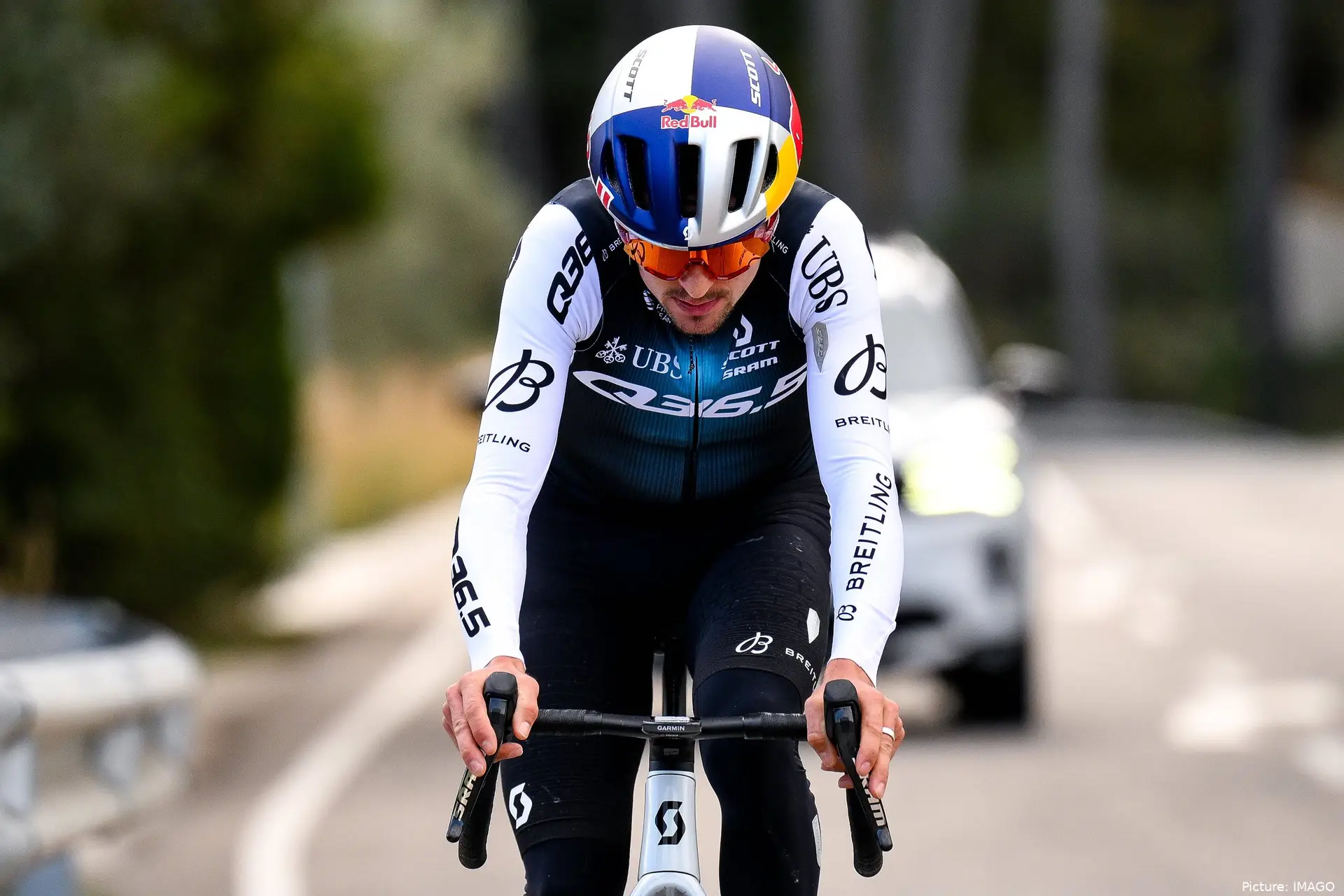
In the last few days, British cycling fans have been dealt yet
another major blow. Following the news last year that ITV will lose the rights
to broadcast the Tour de France after 2025, it has now been confirmed that
Eurosport will also be dropping coverage. This means that, for the first time
in decades, UK fans will have no free-to-air coverage of the sport’s biggest
races, and now also the cheaper alternative is being snatched away from.
Instead, the rights have been secured by TNT Sports, formerly BT Sport, a move
that will make following the Tour significantly more expensive for regular
viewers. Yep, unfortunately for British viewers of the Tour, it’s time to cough
up some cash if you want to keep watching the race for yellow.
This latest setback adds to a growing list of concerns about
the state of British cycling. From the struggles of INEOS Grenadiers and the
surprising departure of Tom Pidcock to Q36.5 Pro Cycling Team, to British
Cycling’s controversial World Championships selections and even Sir Chris Hoy’s
devastating cancer diagnosis, it feels like one crisis after another. And now,
with cycling’s biggest race heading behind yet another paywall, the very future
of British cycling engagement is at risk.

What losing ITV and Eurosport means for UK fans
For generations of British fans, ITV’s coverage of the Tour
de France has been a staple of the summer. The familiar voices of commentators
such as Ned Boulting and, before him, Phil Liggett and Paul Sherwen have
provided a gateway to the sport, making cycling accessible to the masses.
Meanwhile, Eurosport has long been the go-to broadcaster for dedicated cycling
fans, offering in-depth coverage of the sport beyond the Tour, including the
Giro d’Italia, Vuelta a Espana, and the spring classics.
Losing these channels fundamentally alters the accessibility
of cycling in the UK. The move to TNT Sports follows a worrying trend in sports
broadcasting, where coverage is increasingly hidden behind expensive paywalls. The
shift means UK fans will now need to subscribe to TNT Sports or potentially
another streaming service just to watch the Tour de France, resulting in a
significant price hike. So what is the price, and can it really be that bad?

It's a whopping £30.99… a month. Compare that to the £6.99
for those who have being watching on Eurosport in recent years, and that’s an
eye watering increase. Of course, TNT offers many other sports such as football,
boxing and rugby, but not every cycling fan wants that. For years, UK fans have
been able to watch the Tour on free to air TV, and now not only is that being
snatched away, but the next best option is too. Enjoy both ITV and Eurosport
whilst you can in 2025!
The MotoGP warning
The impact of moving a major sport from free-to-air TV to a
paywalled service can be seen in MotoGP’s disastrous UK market decline. MotoGP
previously enjoyed free-to-air coverage on the BBC but moved behind BT Sport’s
paywall (now TNT Sports) in 2013. Since then, UK viewership has plummeted, and
the sport has struggled to retain mainstream relevance. According to The
Race, the decline in audience numbers has led to a dramatic decrease in
British fan engagement.
If cycling follows the same trajectory, it could have dire
consequences for the sport’s future in the UK. The Tour de France is the entry
point for many fans, without it being easily accessible, fewer people will be
inspired to take up cycling or follow the sport’s widerTa

Tadej Pogacar and Mathieu van der Poel have helped the sport grow in popularity over the past five seasons
And this comes at exactly the wrong moment for new cycling
fans. Thanks to the rise of the likes of Tadej Pogacar and Mathieu van der
Poel, and the Netflix documentary Tour de France: Unchained, the sport has
boomed in popularity in recent years with more fans than ever drawn to the
biggest races. If cycling is to learn anything from Moto GP, it is that these
fans can be just as quickly turned away as they were drawn in in the first
place.
INEOS Grenadiers’ struggles and Tom Pidcock’s shock departure
The professional cycling landscape in Britain is already
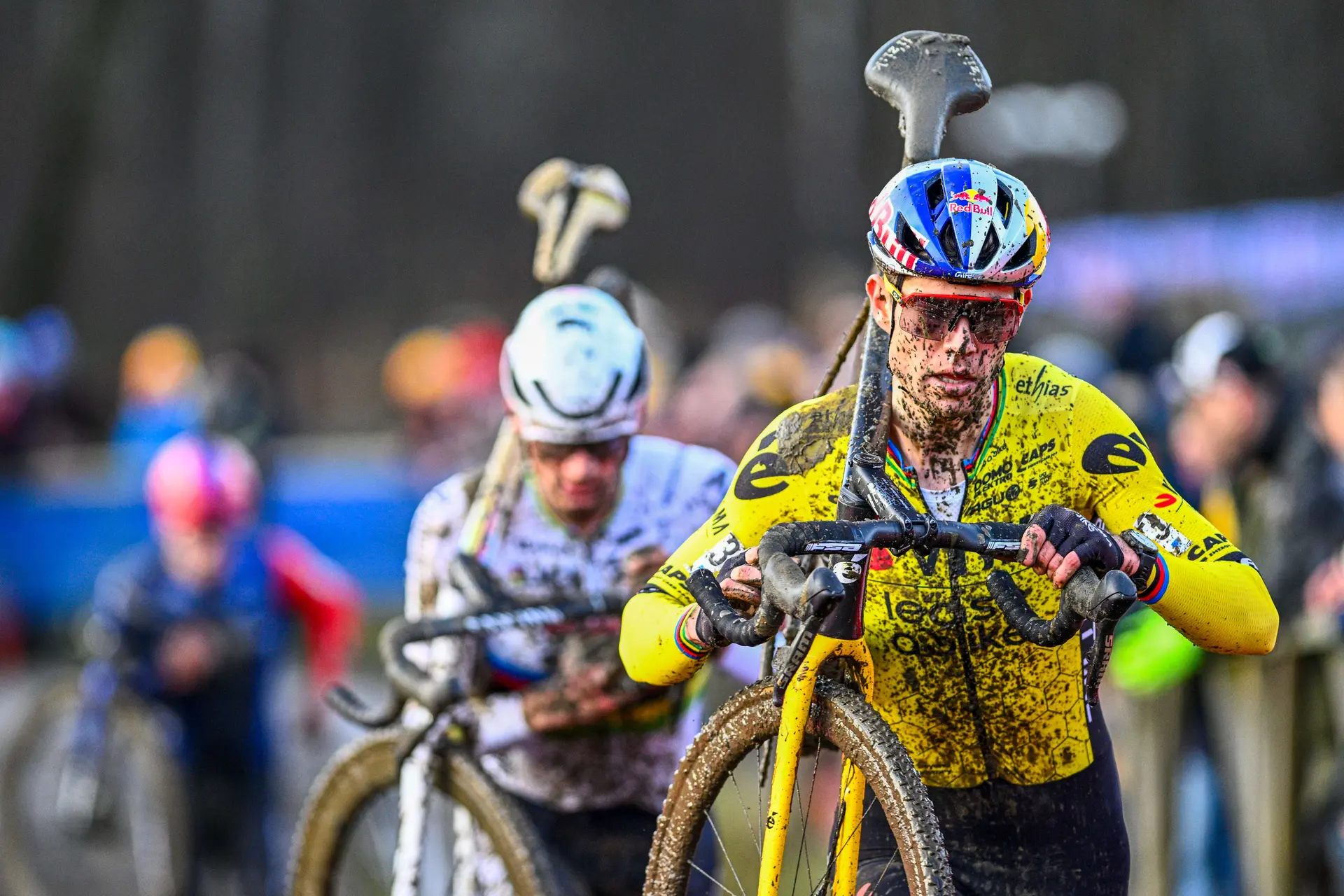
showing cracks, and the struggles of the INEOS Grenadiers have been one of the
main storyline of the past 12 months. As highlighted in our previous deep
dive into INEOS’ decline, the team that once controlled Grand Tours with an
iron grip is no longer at the forefront of the sport, and the likes of UAE and
Visma have surged ahead. Riders are leaving, the squad is failing to adapt to
the new aggressive racing style, and for the first time in years, they feel
like an afterthought.
Can you even remember when they last won a grand tour stage?
Well done if you can, for those that can’t it was the very first grand tour
stage of 2024, at the Giro.
Nothing exemplifies this decline more than Tom Pidcock’s
surprise move to Q36.5 Pro Cycling Team at the end of 2024. The double Olympic
mountain bike champion and one of the UK’s brightest cycling stars had been
expected to lead INEOS into the post-Froome era. Instead, he has opted to join
a ProTeam, marking a significant shift in British cycling’s power dynamics. This
raises serious questions about the future competitiveness of British-backed
teams, but it’s not only the professional teams like INEOS that have seemingly
lost their way in recent years.
British Cycling’s controversial decisions and a lack of support for riders
That’s right, it’s not just on the road where British
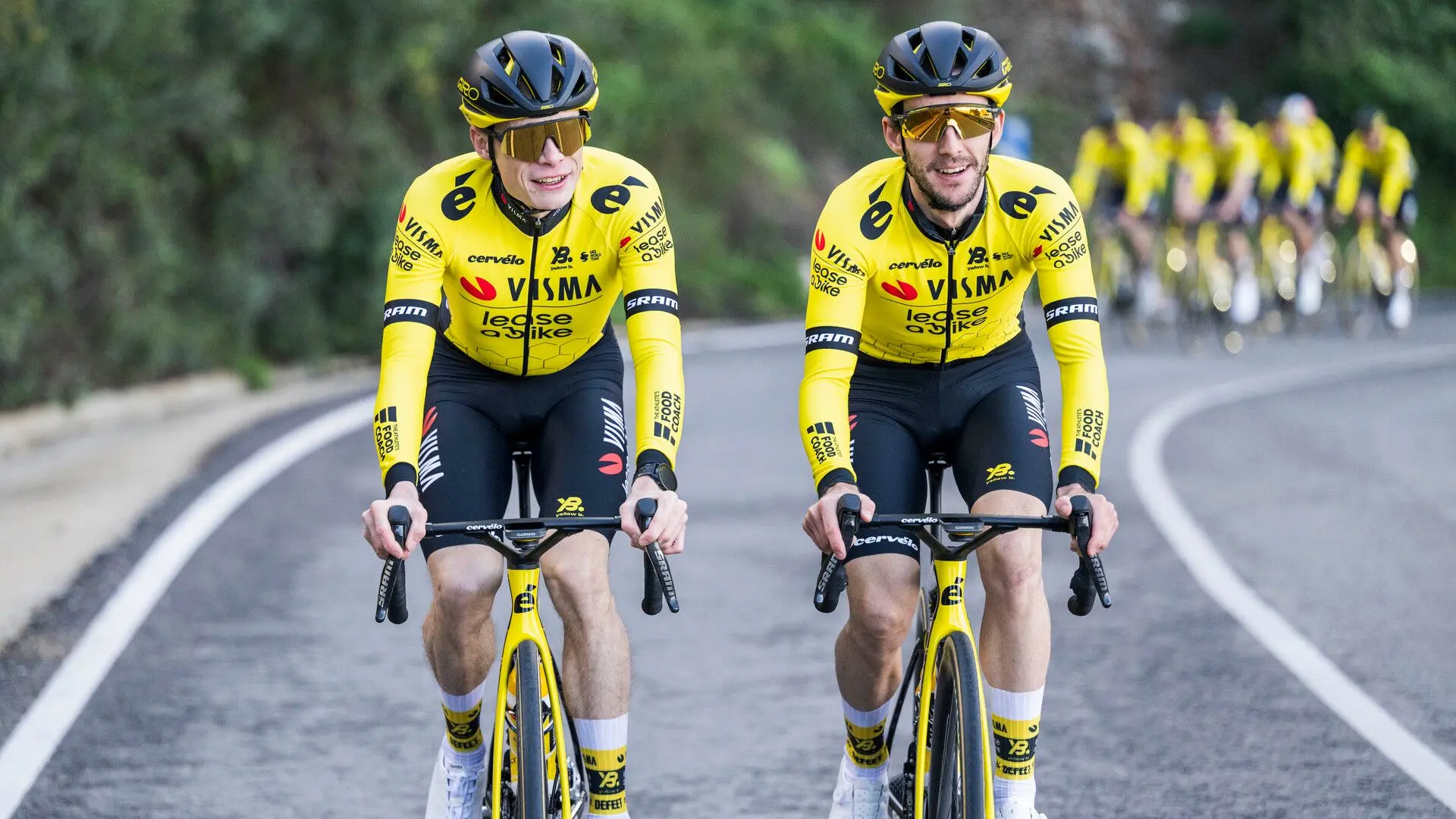
cycling is faltering. British Cycling recently made headlines for its
controversial decision to send no elite women to the Cyclocross World
Championships, a move that was met with widespread criticism. The federation
cited financial constraints and selection criteria, but the decision has
further alienated female riders and their supporters.
When combined with the increasing cost of following the
sport, this paints a picture of a governing body and a wider cycling ecosystem
that is failing its athletes and fans alike. If young British riders can’t see
a clear pathway to success, and if fans can’t afford to watch their idols
compete, how can cycling expect to grow in the UK?
This certainly not the picture of British cycling we became
accustomed to following the British cycling boom following the 2008 gold rush
on the track.

Adding to the sombre state of British cycling is the
devastating news that six-time Olympic champion Sir Chris Hoy revealed his
terminal cancer diagnosis in Ocotber last year. Hoy’s legacy as one of
Britain’s greatest-ever sportsmen is secure, but his illness was horrible news
for British cycling fans on a far more important level than the struggles of
team’s and television rights.
While unrelated to the sport’s structural problems, Hoy’s
diagnosis has hit home for many fans, further dampening spirits at a time when
British cycling needs inspiration and hope. Only Hoy’s incredible strength in
response to his diagnosis can put a tiny glimmer of happiness on the situation.

Where does British cycling go from here?
The current outlook for British cycling is bleak, make no
doubt about it. The loss of free and easily accessible Tour de France coverage
will almost certainly reduce fan engagement. INEOS Grenadiers are no longer the
powerhouse they once were, and Britain’s most talented rider, Tom Pidcock, has
opted to leave the country’s biggest team. The governing body’s questionable
decisions are only adding to the discontent, while Sir Chris Hoy’s illness is
emotionally devastating.
Aside from Sir Chris Hoy’s illness, you can argue that all
of these issues are interlinked. A sport thrives when its stars succeed, when
its governing body supports its athletes, and when fans can engage with it
easily. Right now, all three of those pillars are crumbling for British
cycling.
Read also

If the UK cycling scene is to recover, significant changes
must be made. There needs to be an urgent push to ensure cycling remains
accessible to all, whether that be through reinstating free-to-air coverage or
at least making it more affordable. British teams need to rethink their
strategies if they are to remain competitive at the highest level, instead of
clinging on to the former glory days. And British Cycling must do more to
support its riders, male and female, if it wants to avoid further alienating
the cycling community.
British cycling is at a crossroads. If the current
trajectory continues, the sport risks losing the very foundation that made it
so successful in the first place.

Fin MajorCycling Journalist
Fin Major is a UK-based writer at CyclingUpToDate and has been part of the team since 2024. He is the site’s main writer for FAQs and evergreen explainers and has written around 2,000 pieces for the platform. Alongside this work, he focuses on in-depth analysis and covers the biggest races on the calendar, including the Tour de France, the Giro d’Italia, and La Vuelta a España, providing clear context around performance trends, tactics, and key storylines.
In his reporting, Fin uses reputable data sources such as ProCyclingStats for results, statistics, and historical context. He places strong emphasis on careful sourcing, editorial accuracy, and updating articles promptly when new, verified information becomes available. Outside of writing, Fin is an active cyclist, which supports his practical understanding of the sport and its demands.
claps 11visitors 8
Just in
Popular news

Latest comments
- for what?frieders311-11-2026
- Blah blah blah!frieders311-11-2026
- Where Merckx just rode every single race he could and won all the time, Hinault won less often (percentage wise) because he was more judicious in what he raced. His palmares are nuts. He had amazing rivals, one to start his career and another to end it in the grand tours. His classics were solid. What sets him apart from Merckx and Pogačar are that he basically dabbled in the classics while the other two love(d) them. I used to compare Pogačar to Hinault for his grand tour record and occasional classics win, until I realized that the comparison was wrong. Pogačar loves the classics - ah, the memory of his reaction to finishing fourth in a 2 person sprint in Flanders in ‘22: utter domination in any one day race since then, even when he doesn’t win. Hinault lived for the grand tours and I don’t think anyone else will ever reach his record. 10 wins in 13 attempts? Good lord. An amazing rider. Wish there was more footage to watch.RidesHills11-11-2026
- I had no idea about that either.
 santiagobenites10-11-2026
- great analysis thanks! appreciate you posting this. I didn't realize CX had a different standard for deviation. this is even more egregious it seems.mij10-11-2026
- As he isn't currently with Red Bull, I guess if he want to race for one more year he needs to find a team. He's 37 so this will be his last year I would guess, unless he wants to race for almost nothing like Froome did.awp10-11-2026
- I think some are making much ado about nothing. Even though Jonas is getting older, before his crash in the Tour, he looked like a solid 2nd all the way home. No one can really climb with Tadej until this year, Eric Mas showed himself which I think was a one off year for him and Paul Seixas has been able to be pretty close to him. Whatever stage race Jonas enters as long as Tadej is not there he is a favorite to win.awp10-11-2026
- Giro or not Giro, he won't win the Tour!MajorPayne10-11-2026
- Very true.awp10-11-2026
- Ciccone had a very strong end of season. Consistently attacking and livening up races. Hope he makes that last leap in progress and starts notching some significant wins. Great rider to watch.Occam10-11-2026
Loading
13 Comments