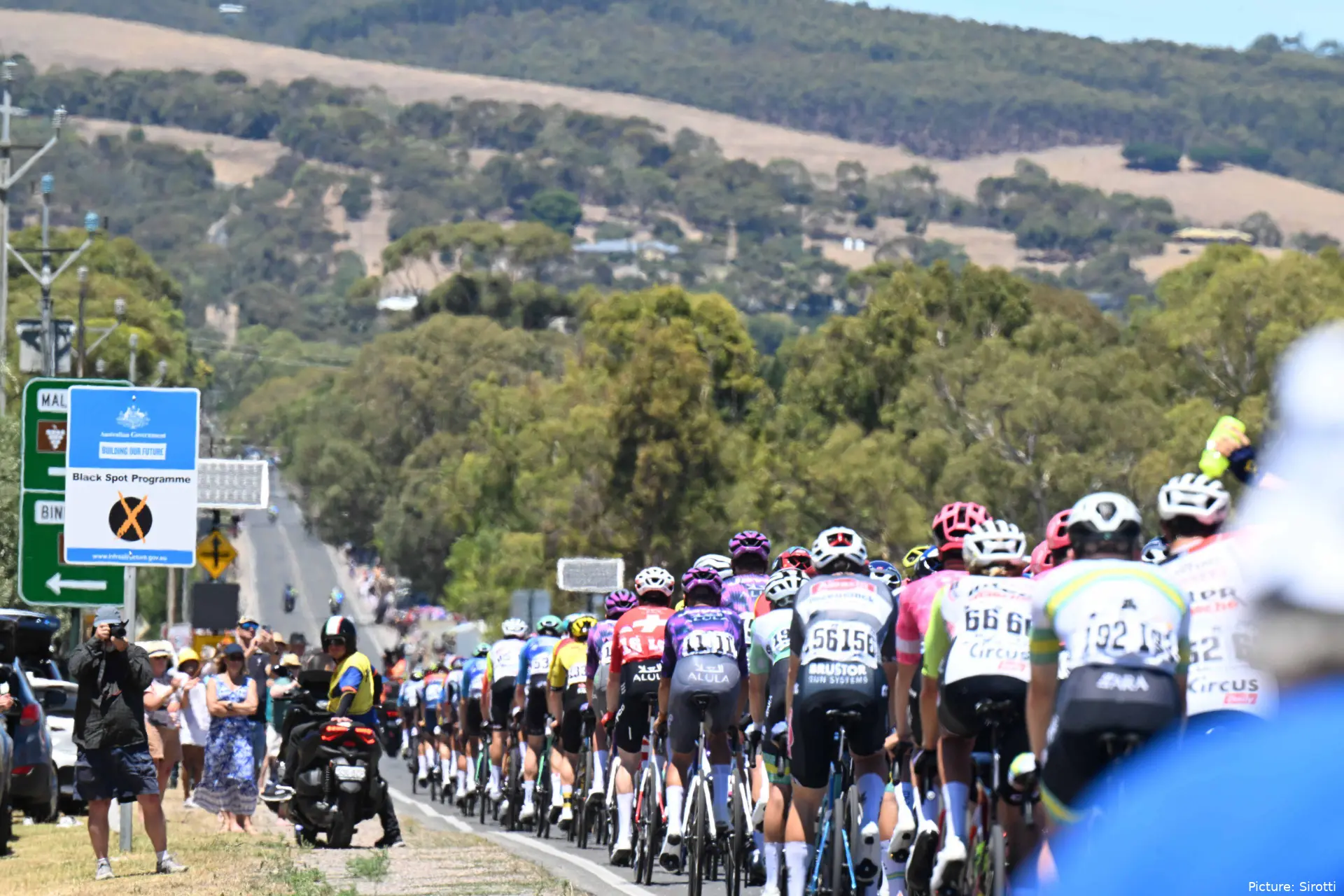
Tadej Pogačar is leading the UCI World Rankings as of August 2025 with 3,755 points, and Mads Pedersen is second with 1,951 points. The data showcases the razor-thin margins that exist between the best riders in professional cycling.
This article delves into the performance parameters of riders and the ways that this understanding can benefit fans, analysts, and participants of fantasy cycling.
Understanding Rider Performance Across Seasons
Performance for riders in a single season rarely remains constant. It is influenced by the training periods, racing schedule, and seasonal fitness levels. Recognizing these patterns across seasons and over time can allow analysts and fans to gain a reasonable understanding of a rider’s performance in the near future.
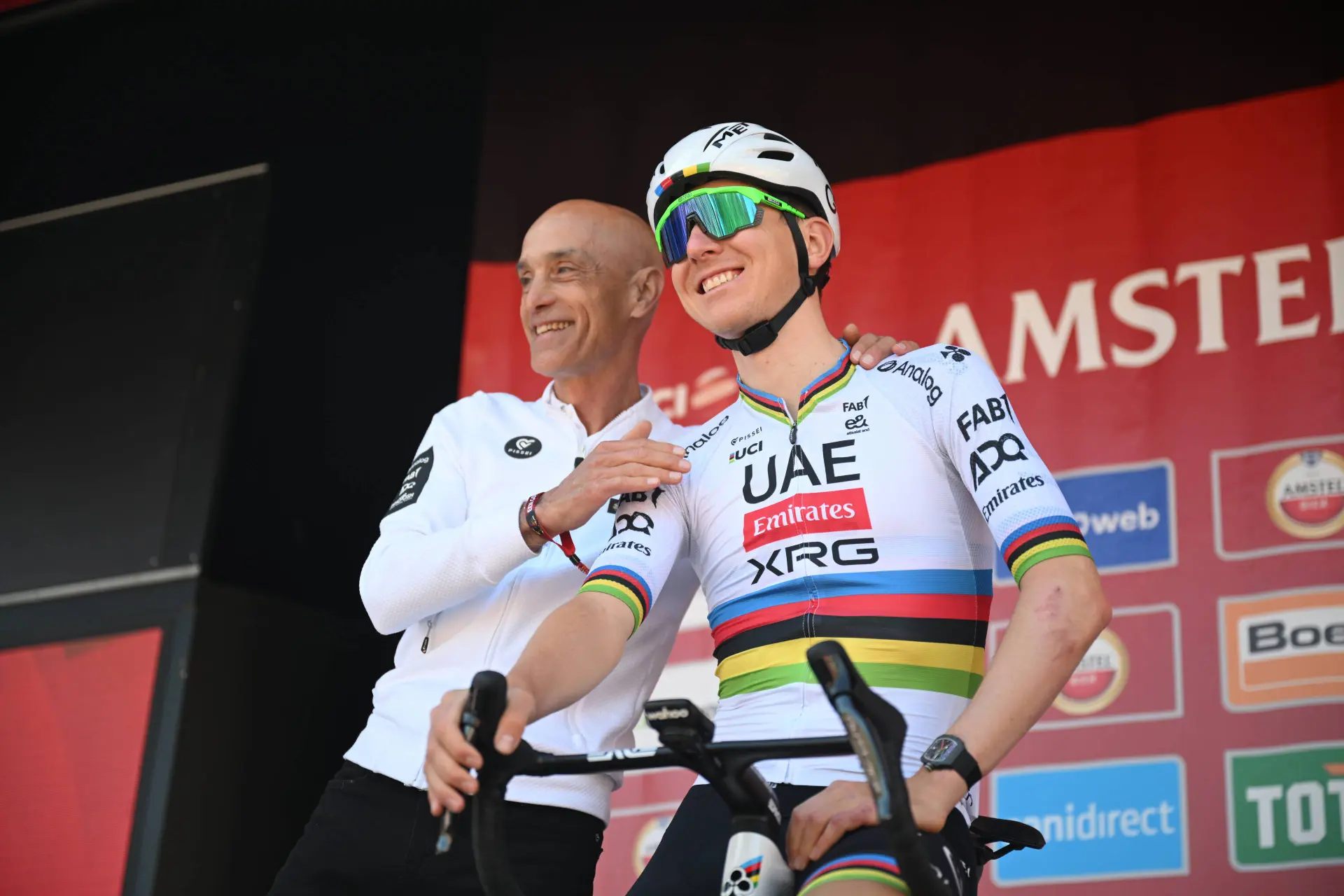
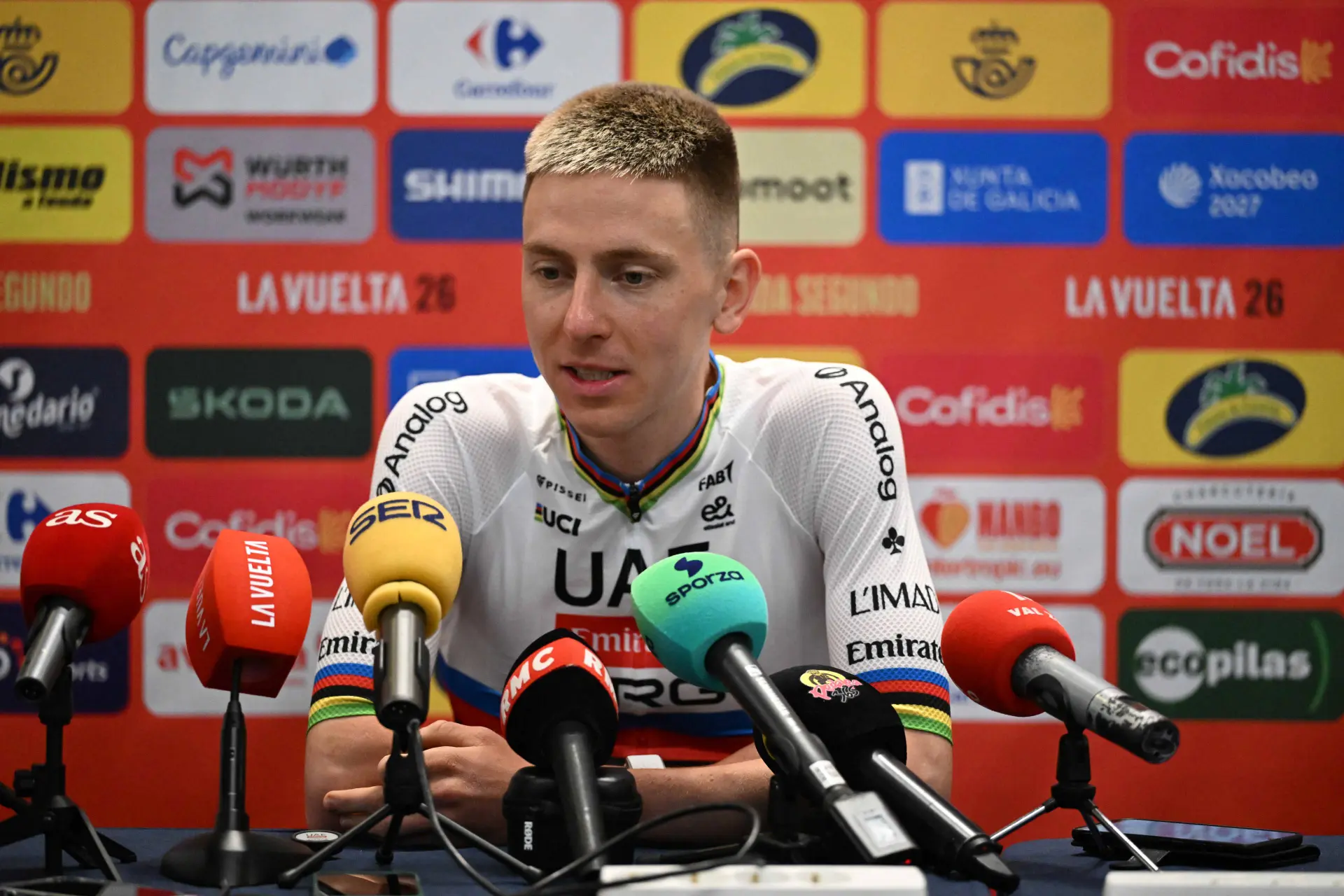
Take Tadej Pogačar, for example. He’s had a remarkable 2025 season, winning the Tour de France and Critérium du Dauphiné, demonstrating remarkable form and meticulous planning on when to race. On the other hand, Riders like Matteo Jorgenson seem to have steady results across several smaller races. Consistency like this can be just as valuable in fantasy cycling contests, where slow but stable scoring often outperforms the inconsistent scoring of occasional victories.
The analysis of distinct performance seasons also includes riders’ versatility in different conditions. Sprinters may shine during spring classics and perform best during hilly or cobbled courses, while others may excel during grand tours consisting of lengthy mountain stages.
Understanding these patterns is beneficial to fans and analysts as it helps pinpoint riders within a certain region who may perform best, refining predictions and strategies tailored for professional assessments and fantasy competitions.
Key Factors That Influence Race Outcomes
Rider fitness, course profile, weather conditions, and team tactics are among many factors that interact and contribute to the outcome of a race. For example, mountain specialists often perform best in uphill stages, while sprinters will dominate finishes in flatter courses.
For cyclists who wish to analyze the sport, paying close attention to these factors is important. Apart from these, noting patterns in behaviors, for example, how riders react to aggressive attacks or their recovery patterns between stages, also helps the analysis. Performance in a race can also be influenced by the performance tracking equipment, the choices made, and the nutrition consumed on the race day.
As with other strategic areas, such as games, their approach to cycling analysis has some similarities. For example, when engaging with regular casino promos and seasonal bonuses in New Zealand, knowing when to use probability is important. The same goes for tracking form, patterns, and conditions, as it helps in predicting potential riders in an upcoming race. Both require detail, endurance, and an organized way to work to get the results.
All in all, these factors work together to provide the most precise and accurate predictions. There is more to intuition in analyzing results; it also requires an understanding of data and information in regard to the metrics of competitors and analyze results based on the data given.
Monitoring Training and Recovery Patterns
The recovery phase and race scheduling are more dependent on the strategies the rider already has in place. The strategies are carefully designed around the most favorable variables, allowing cyclists to alternate between high-intensity training and recovery, balanced with optimum load and overtraining.
Some of this balance is also dependent on measuring tracking power, heart rate, and general performance over time.
Recovery is just as essential; studies indicate that riders with structured rest schedules are less likely to experience a dip in performance during multiweek tours. The quality of sleep, nutrition, and physiotherapy sessions is all essential. Fans monitoring these details are often able to predict periods when a rider is likely to perform at peak fitness or struggle with fatigue in the late stages of an important race.
In fantasy cycling competitions, such knowledge can be used to make strategic decisions. Riders coming back from rest periods are likely to be underpriced in scoring potential, and riders who just completed a series of races may be overvalued in declining points potential. Participants who appreciate these dynamics can make intelligent decisions instead of relying on primary metrics.
How Team Dynamics Shape Success
Cycling is a collective and distinctively individual sport. Without the assistance of a well-organized support crew, even the best rider will be unable to perform. The structure of the team enables them to defend the leaders, manage the pace, and deploy tactics which strategically change the outcome of the race.
For example, once again, their teamwork effectiveness is demonstrated over the past seasons as Emirates and Jumbo-Visma put on a show during the 2025 Tour de France, particularly during the mountain stages and time trials.
During these stages, their leaders were able to either gain a significant amount of time or maintain their advantage. Although domestiques usually go without individual recognition, they are instrumental in controlling the breakaway, supply runs, and shielding the em leader from the wind.
While attempting to understand the race results or trying to predict the fantasy points, these dynamics are crucial. Potential success may be indicated by a rider’s individual form, but the presence of a well-structured team support is what determines if that potential will be translated into a victory. The prediction may be subtle in nature, but by watching the team hierarchies, rider positions, and the history of collaborations, one may derive something meaningful.
Tracking riders’ performance throughout the seasons, taking into account the various race conditions, overseeing the training and recovery processes, and analyzing the team framework paints a clearer picture for cycling enthusiasts who seek a competitive advantage. This is particularly beneficial for participants of fantasy cycling, where precise projections are crucial. Unmasking the details that shape performance transforms data into actionable insights, which in turn facilitates appreciating professional cycling not only as a sport but also as a strategy.
claps 0visitors 0
Just in
Popular news
Latest comments
- Strade? Never saw him as a gravel rider that can handle it.mij18-10-2026
- It surprises me that anyone still believes any professional (or amateur!) sport is clean--much less wants it to be. The best you can hope for is a reasonably level playing field that doesn't expose young, ambitious athletes to health risks they don't understand. In that regard, World Tour cycling appears to do a better job than almost any sport with independent, random testing. There are certainly fewer mysterious midnight "heart attacks" these days. If you want to see what an uneven playing field looks like, show up to masters nationals. It is also certainly the case that no major pharmaceutical corporation has developed a multi-billion dollar miracle drug just to give it only to one or two anointed ectomorphs in a minor non-revenue sport. If you don't like that all sports run on PEDs these days and you can't be bothered to contribute as a tester, a federation official, or pharmaceutical representative, then just turn off the TV and play outside.
 MarkFour18-10-2026
 - Good grief, who proofreads this stuff? Errors abound.wrsty18-10-2026
- You can add weight to a bike and limit gears or make it single speed if you like. I doubt that would reduce crashes. It would just add another dymanique. All good and well, but It wont stop cars getting on to the course.Cyclingsbestfan18-10-2026
- Seixas is probably second best in the World on short climbs. But that hasn't translated as well to long climbs
 Rafionain-Glas18-10-2026
 - Idiotic fellaRafionain-Glas18-10-2026
- Nothing. Against Pogi nothingabstractengineer18-10-2026
- He didn't even try to sprint all outvappaxbipmv18-10-2026
- Campenaerts looked like a rolling pumpkin with that all orange leaders skinsuit !frieders318-10-2026
- He can take his dumb a$$ politics somehwere else !frieders318-10-2026
Loading
Write a comment