“You are destroying the sport you make millions from” – Thijs Zonneveld unleashes extraordinary attack on Tour de France organisers after sprint carnage
Cycling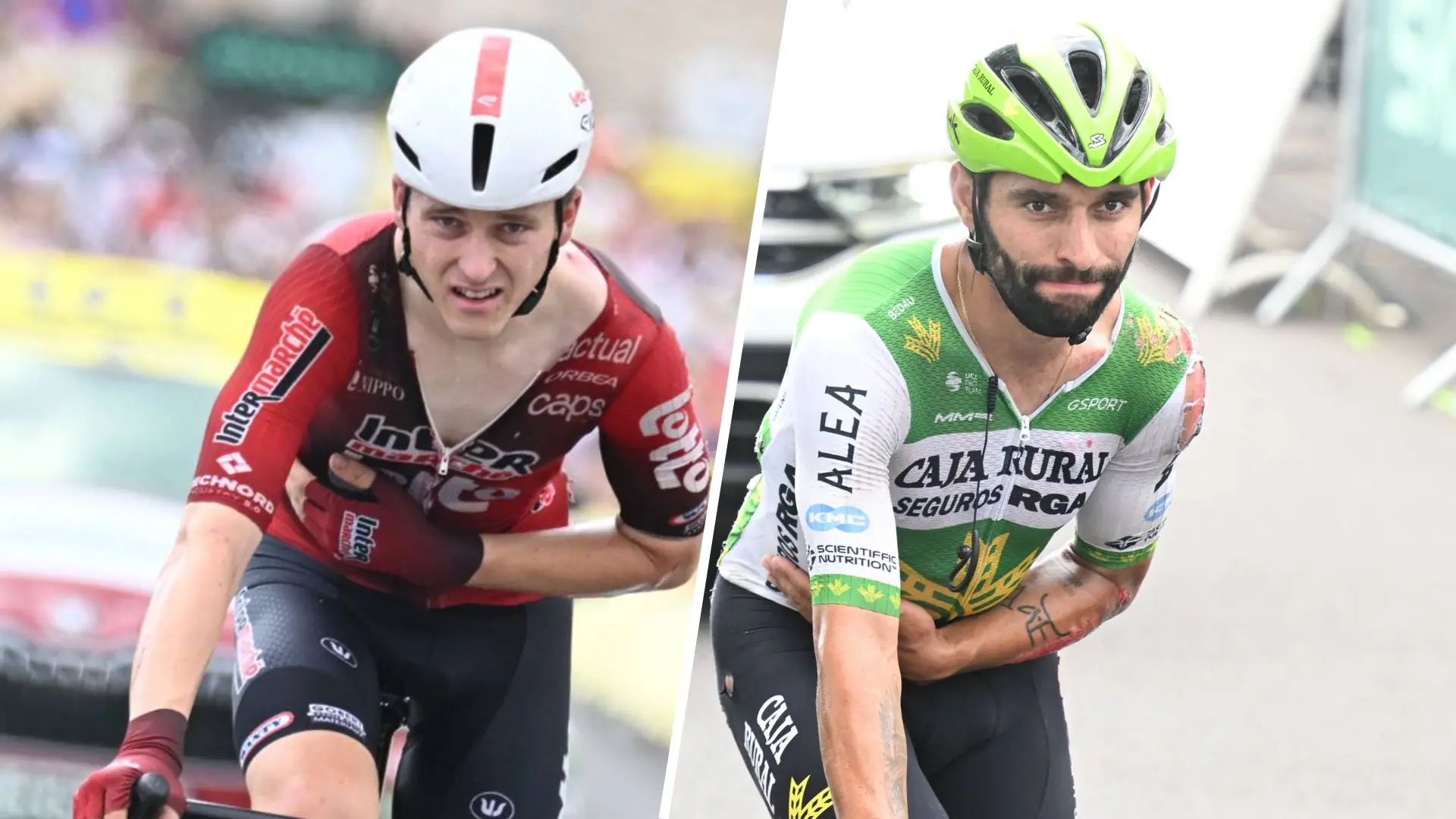
Thijs Zonneveld has accused Tour de France organiser ASO of cutting corners on rider safety and helping to create the conditions for the violent stage 12 crash in Chalon-sur-Saone.
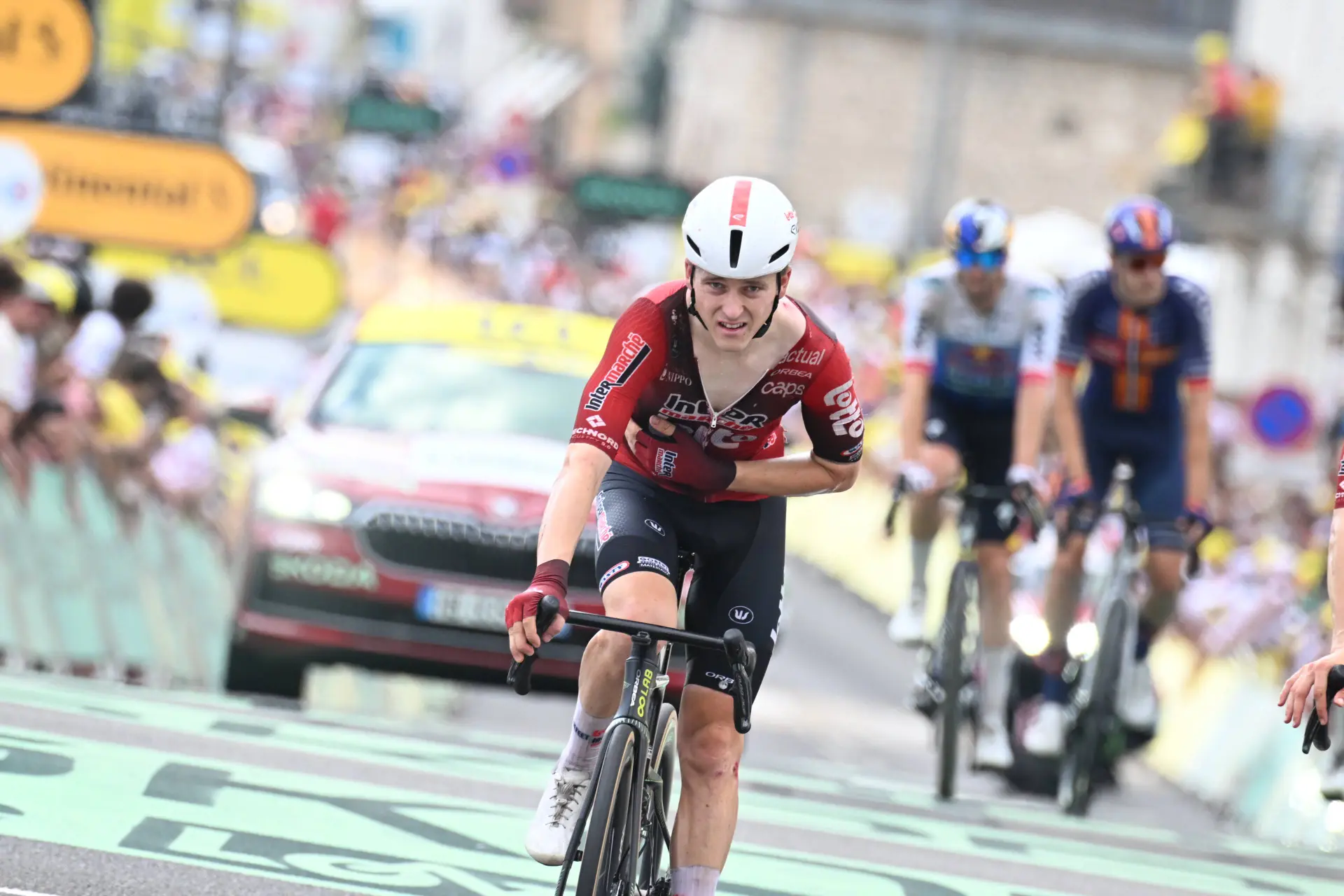
Fernando Gaviria and Jenno Berckmoes both suffered broken collarbones in the incident and have been forced to leave the race. Zonneveld said the wider consequences also included a concussion, broken ribs and numerous cases of road rash.
Vlad Van Mechelen was relegated and fined over his role in the crash, but the Dutch journalist and former professional rider argued that the punishment allowed the organisers to escape scrutiny for the finish they had designed.
“Vlad Van Mechelen was blamed: he was relegated and fined,” Zonneveld wrote in his In de Waaier Substack. “But he was not the main culprit. The main culprit is you.”
‘Prehistoric barriers’ and a dangerous racing line
Zonneveld’s criticism centred on the right-hand bend around 400 metres from the finish and a visible kink in the barriers through the Chalon-sur-Saone finale.
Riders exiting the corner from the inside were carried towards the outside of the road, while those approaching from wider positions followed the quickest line back towards the inside. Van Mechelen took that path before making contact with Gaviria.
“When you simultaneously have riders following the fastest line from the outside towards the inside, as Van Mechelen did, riders are inevitably going to be sandwiched,” Zonneveld wrote. “That is exactly what happened to Gaviria, with all the consequences that followed.”

Fernando Gaviria nurses a fractured collarbone at the 2026 Tour de France
The positioning of the barriers also narrowed and redirected the apparent route towards the finish. Zonneveld argued that a rider sprinting alongside the right-hand boarding could continue in what appeared to be a straight line and end up against the barriers on the opposite side of the road.
Stage 12 was not treated as an isolated failure. Zonneveld also criticised the decision to place the finishes of stages 7 and 11 on bends and claimed all three finales failed to meet the standards expected under UCI regulations. “The clearest sign that you do not give a shit about the riders is the way the barriers have been dumped along the final kilometres,” he wrote.
Zonneveld described the barriers as crooked, poorly installed and placed with their feet protruding into the roadway, comparing the work to that of “a bunch of cowboys who have had one drink too many”.
He contrasted that setup with safer barrier systems already available to race organisers. When Tour race director Thierry Gouvenou had previously been questioned about the failure to use them, Zonneveld said the additional transport and resulting emissions were cited as an obstacle.
That explanation drew another furious response, with Zonneveld pointing to the Tour’s publicity caravan and the promotional waste distributed along the route. “And so the Tour continues with prehistoric barriers and finishes that breach UCI regulations,” he wrote.
Zonneveld accuses ASO of failing the entire sport
The former professional also placed the safety debate against the Tour’s enormous commercial power. He estimated that ASO earns between 150 and 200 million from each edition while spending only a small proportion of that revenue on prize money, accommodation and safer finishes.
Zonneveld recalled questioning officials about dangerous road furniture and being told that removing it would cost money. According to his account, one organiser acknowledged that crashes also carried a financial cost but added: “We do not have to pay for that.”
His column became still more incendiary when he said he would not rule out organisers accepting the spectacle produced by crashes because of the attention they generate. No evidence was presented to support that allegation, which represented the most extreme point of an already ferocious attack.

Jenno Berckmoes nurses a fractured collarbone at the 2026 Tour de France
“I know you do not give a damn when riders crash,” Zonneveld wrote. “I would not even rule out the possibility that you do it deliberately, because crashes create drama and more clicks.”
His wider warning was that standards set by the Tour inevitably filter through the rest of professional cycling. Smaller races can hardly be expected to invest in safer infrastructure if the richest and most influential event in the sport continues to resist doing so.
“When you, with all your money, do not take safety seriously, it gives every other organiser permission to do the same,” he wrote. “When you, with all your power, have the UCI in your pocket so that it does not intervene, then it will not intervene at other races either.”
Zonneveld also referenced Tim Merlier’s reaction after winning stage 12. The Belgian sprinter said he would rather see his son become a footballer than follow him into cycling after experiencing a finish of that nature.
“You can continue to ignore the subject. You can continue to blame the riders. You can continue not to give a shit about them,” Zonneveld wrote. “But surely even you must understand that you are destroying the sport from which you yourselves make tens of millions?”
The column ultimately reduced a furious attack on the Tour’s finances, influence and priorities to a basic demand: a straight road, properly aligned barriers and enough care to protect the riders racing between them.

Kieran WoodDeputy Editor-in-Chief
Kieran Wood is a sports journalist based in Wales and has been active in journalism since 2022. He regularly contributes to DartsNews.com and CyclingUpToDate.com, where he covers professional cycling and darts. In cycling, his work includes liveblogs from major races, including the Tour de France, the Giro d’Italia, and La Vuelta a España, alongside race reports and analysis. He has also conducted interviews with professional riders.
His reporting spans the full racing calendar, from one-day classics to stage races, with a focus on accurate, real-time coverage and clear contextual analysis. For statistics, results, and historical context, he regularly uses resources such as ProCyclingStats. To support reporting on rider activity and training context where relevant, he also references Strava.
In his work, Kieran places strong emphasis on careful sourcing, editorial accuracy, and updating articles as new, verified information becomes available.
claps 1visitors 1
Just in
Popular news

Latest comments
- Bernal won the Tour because his attack stuck after Thomas’s was reeled in, and then they ended the stage due to the landslide - a deserved win, but contingent on many things. He won the Giro with quality and skill. And then, like so often happens for the cruelest of reasons, his injuries left him an incomplete version of his former self. He’s had a great career, what a great GC rider (8 of his 23 wins are GC, including 2 grand tours and 2 of the 7 major GC races), but already was struggling after COVID. I wish him the best, and if he retires, he should retire with pride for a career well done!RidesHills07-10-2026
- Roglič? In an interview he’ll continue to be hilariously dry about his goals, emphasize that he’s still having fun, and keep churning along until he doesn’t want to do this anymore. “Ah, you know, 100 wins would be nice, but eh - it’s just a number. I have fun, you know?” I can almost hear him saying those words. He’s not heading for low rank races to get the wins, he continues to race the major races (and I suspect would have won the Vuelta again were it not for that awful accident and that disgusting purple leg right before racing began).RidesHills07-10-2026
- BTW the list of classics you gave from PCS is participation, not winning
 Rafionain-Glas07-10-2026
 - Yes, though we saw that last week already.Jumpyjohn07-10-2026
- Or that riders get out in time.Jumpyjohn07-10-2026
- Hope he doesn’t stick with it just for that, would hate to see him exhibiting any has been footballer behaviour.Jumpyjohn07-10-2026
- Yep, that’s about it, couldn’t imagine someone wouldn’t get that.Jumpyjohn07-10-2026
- Time for your meds I thinkJumpyjohn07-10-2026
- No surprise here. Nice the oldies are having success, not the first discipline where you expect age to be an advantageJumpyjohn07-10-2026
- Any idea why Remco wasn’t there, Lombardia?Jumpyjohn07-10-2026
Loading
Write a comment