“We must bring the race back”: Alexander Kristoff leads the charge for a 2027 Tour of Norway revival
Cycling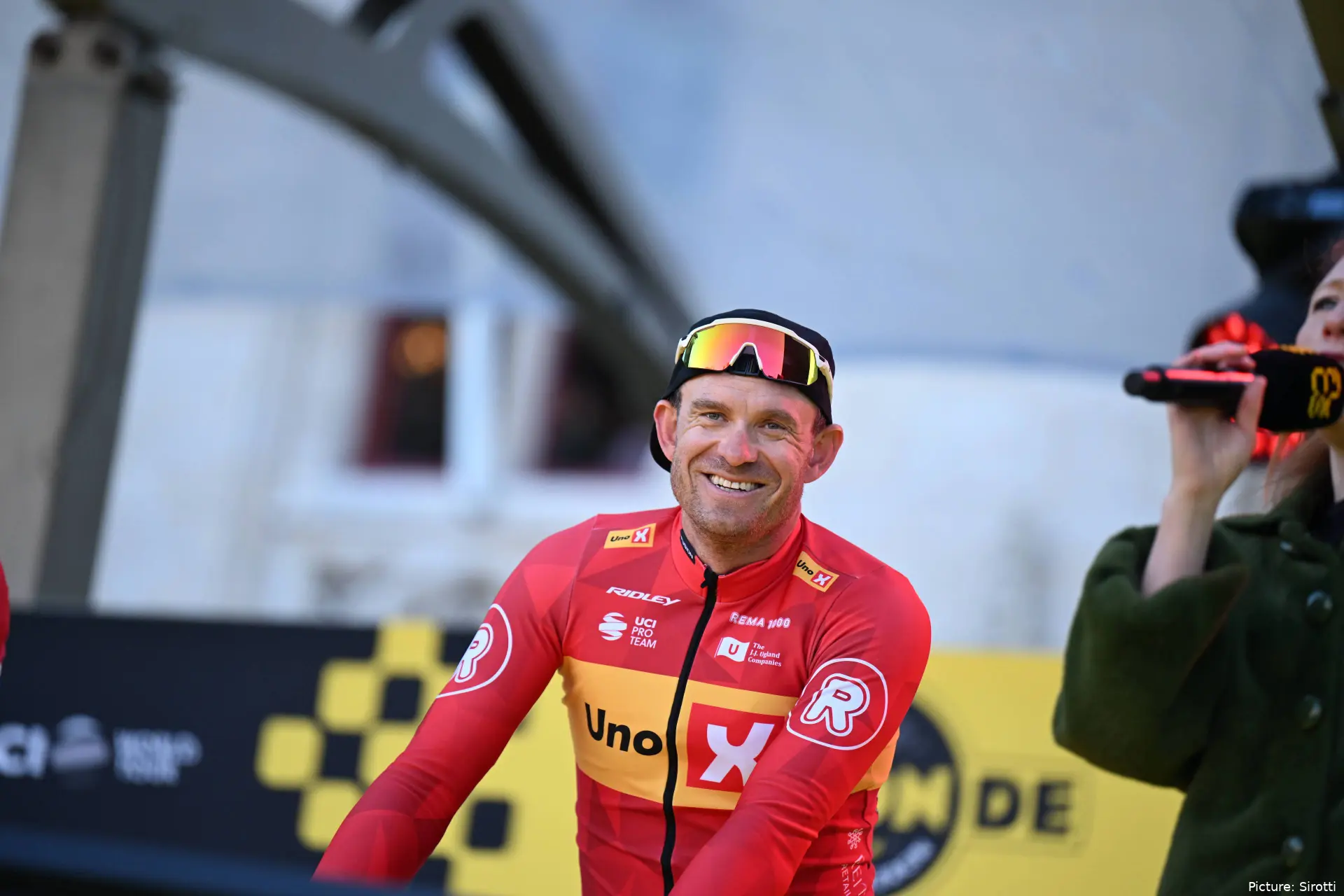
The future of the Tour of Norway remains uncertain after the race disappeared from the calendar in 2026 due to financial difficulties. Recently appointed race director Alexander Kristoff has made the event’s return his top priority, with the former professional rider now leading efforts to secure funding and restore one of Scandinavia’s most popular stage races. While organizers remain hopeful of returning in 2027, Kristoff admits that key financial decisions still need to be made in the coming months.
Funding remains the main obstacle
Kristoff officially became race director on 1 June, and he said his immediate task is clear. “The first thing is that we must bring the race back because this year we couldn’t organize it,” he explained in words to Eurosport. “I wasn’t involved in that decision, as I only started this job recently.”
Once the race is secured, Kristoff expects to take on the traditional responsibilities of a race director, including designing routes, coordinating host cities and managing unforeseen issues during the event itself. However, all of that depends on finding sufficient financial backing. “At the moment, the main mission is to find sponsors who can help us organize the race,” Kristoff said.
According to the Norwegian, the situation became critical after a longstanding source of government funding unexpectedly disappeared last winter. “Normally we would have had an edition this year. We always received government support to organize the race, but that funding disappeared suddenly without warning. We simply didn’t have enough money.”
The costs associated with hosting a professional stage race in Norway are very high. “It is very expensive to bring teams to Norway with flights, hotels, ferries and police costs. This year it was difficult, and we hope to come back in 2027.”

Kristoff celebrating his 97th professional win, which came at the 2025 Vuelta a Andalucía
Hope remains for a 2027 return
Despite the setback, Kristoff believes there are reasons for optimism. Discussions with potential sponsors are ongoing, although organizers are still unable to guarantee that the race will return next season.
“Not yet,” he said when asked whether a 2027 edition is certain. “We will probably know more in September. We have meetings in August and we hope to find the funding needed to organize the race.”
Kristoff acknowledged the challenge smaller races face when competing for sponsorship against cycling’s biggest events. “Of course, the Tour de France and the biggest races have the sponsors and the money. Smaller races like the Tour of Norway always struggle to find enough sponsors. Sometimes we even have to pay for television coverage. It’s almost the opposite of how things normally work.”
Read also
Even so, discussions with local businesses have produced encouraging signs. “We are working on finding partners and on what we can offer them in return,” Kristoff explained. “We are quite confident because we have received positive feedback from several large local companies.”
The former rider pointed to the presence of major energy companies around his hometown of Stavanger as a possible source of support. “A lot of large oil companies are based in Stavanger, where I come from. They obviously have money, but the question is whether sponsorship is the right solution for them.”
Organizers estimate that more than EUR 1 million is required to stage both the men’s and women’s races. “To organize the race, I would say between EUR 1 million and EUR 2 million,” Kristoff said. “With EUR 2 million, we would have a good race. We already have part of that amount. We are closer than people might think.”

Félix SernaCycling Journalist
Félix Serna is a writer at CyclingUpToDate and has been part of the team since 2025. He covers professional cycling across both the men’s and women’s calendars, with a focus on UCI rankings, race developments, and rider performance. His work includes interview-based reports, liveblogs, and tournament coverage designed to provide clear, accurate context throughout the season.
In his reporting, Félix regularly uses ProCyclingStats for results, statistics, and historical reference. He places strong emphasis on careful sourcing, editorial accuracy, and updating articles promptly when new, verified information becomes available. He holds a bachelor’s degree in International Studies.
claps 0visitors 0
Just in

Popular news
Latest comments
- Some speculation and opinion. Had Tadej not crashed out of the Vuelta he would have been less fresh and I'm not sure he would have beaten Seixas in this race. Maybe he would have been able to contest the race in a sprint and maybe not. Believe me when I say I keep up with many of Tadej's climbing feats and records and I understand how great he is but the Paul we just saw at Il Lombardia was not that far behind Tadej.awp13-10-2026
- Firstly, someone who says parenting is babysitting is delusional and shouldn't be taken seriously. Secondly, with pro athletes it is not the same as a normal worker. They are being rewarded for doing something for which they have a talent which doesn't actually help people (besides inspiration). It's quite a different dynamic
 Rafionain-Glas12-10-2026
 - only way for him to effectively learn to microdose is to go to uae. other than that there is no reason for him to go to uae.whkman12-10-2026
- that was a great win, and quite a surprise at the time. That was a loaded field, and he held of Valverde for the win. Still shocking that Valverde never won Lombardia. He seemed perfect for it. Mollema just went to work every day.mij12-10-2026
- I hope he races Volta a Majorca. We'll really be able to see if he can do one-day-races (but do they count?)Rafionain-Glas12-10-2026
- See, you can write a sensible comment without just slagging off everyone else! Well done!👏😆 🫣Lozza12-10-2026
- Seixas best chance is obviously UAE. They are the best team in history of the sport and they developed pogacar into the goat. They also developed Del Toro to be nr 2 in world. Seixas would become unstoppable at UAE. Lets see if Seixas stays at decathlon but if UAE comes knocking its impossible to say no. Barcelone and real madrid combined into one team, thats UAE in cycling it feels like..miguel12-10-2026
- I think he does or goes to whichever team gives him the scope to become the rider everyone thinks he'll be when Tadej stops.. that simpleslappers6612-10-2026
- I remember at one time he was mentioned in the same breath as Seixas. no more. Onley has a lot of work to do to be deserving of that.mij12-10-2026
- I hope he goes to Bahrain-Victorious to mentor JakobRafionain-Glas12-10-2026
Loading
Write a comment